Tractors
Trucks
- Find by Budget
- Find by Type

English
 New Delhi
Tata Motors, at its 80th AGM, outlines plans to navigate global disruptions with strong FY25 results, a confirmed demerger, rising EV share, and a debt-free status.

Tata Motors launches two new vehicle scrapping centres in Lucknow and Raipur under its Re.Wi.Re initiative, supporting India’s National Vehicle Scrappage Policy with eco-friendly, digital dismantling of all vehicle types.

Terra Motors opens its first L5 EV dealership in Varanasi with the Kyoro+, aiming to expand its electric three-wheeler network across India.
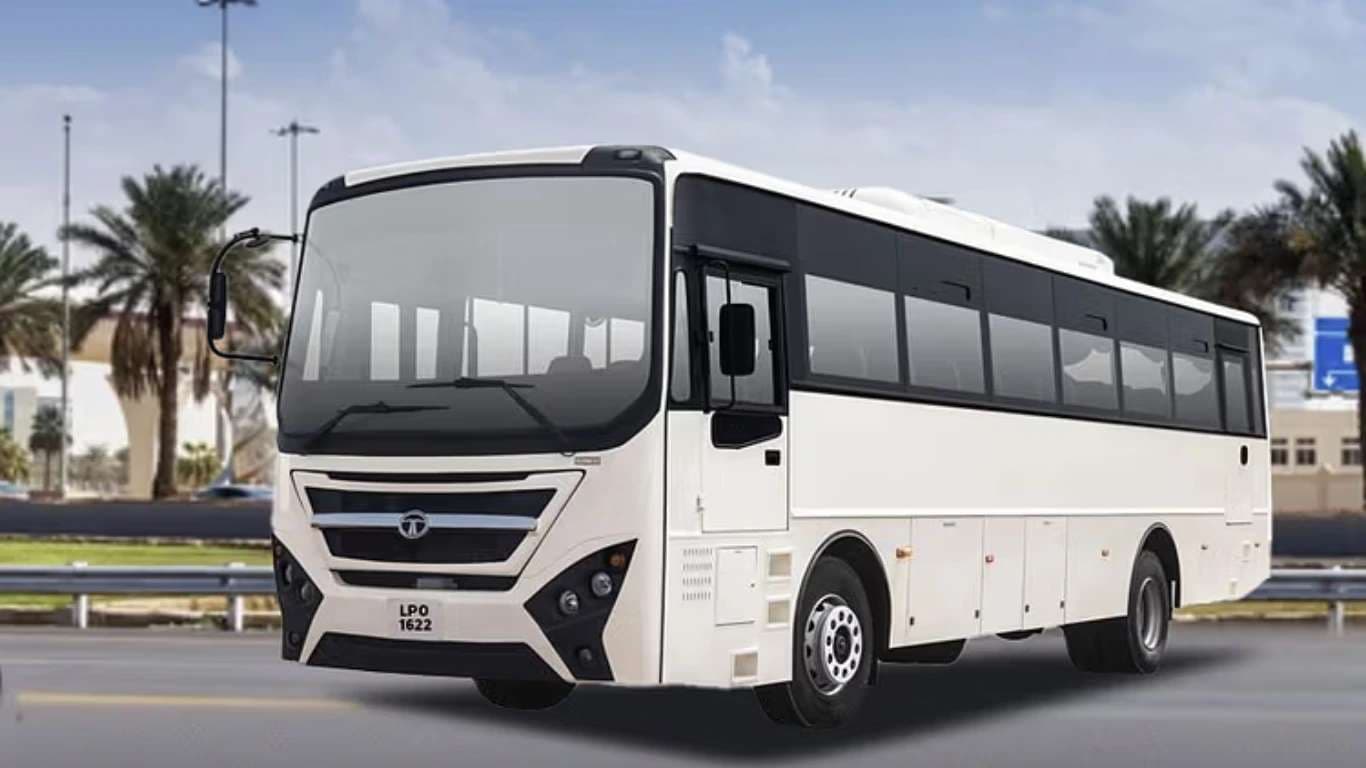
Tata Motors debuts its first Euro VI bus in Qatar, alongside new Prima trucks, strengthening its commercial vehicle presence in the Middle East.

Tata Motors CMO Shubhranshu Singh joins Effie Lions Foundation board to represent India and support diverse marketing talent globally.

Tata Motors outlines five major trends transforming India’s commercial vehicle sector, including electrification, connectivity, ADAS, SDVs, and customer-focused innovation, during Investor Day 2025.

ETO Motors and Cashurdrive launch a green transit ad campaign with 2,000+ electric vehicles in 7 cities, promoting eco-friendly, high-impact mobile advertising.

Force Motors achieves a major milestone with the rollout of the 100,000th BMW engine at its Chennai plant, showcasing 10 years of partnership, local manufacturing strength, and global quality standards.

Tata Motors reports strong FY25 results in its commercial vehicle business, focusing on reviving the SCV segment and preparing for a strategic demerger in FY26.

Tata Motors launches factory-fitted AC across all truck models, boosts power to 320 HP, and adds new fuel-saving features to elevate driver comfort and fleet efficiency.

Discover the latest sales trends from Tata Motors Limited! May 2025 shows mixed results with gains in ILMCV trucks and drops in SCV and HCV segments.

Astro Motors launches Navya and Nova electric three-wheelers in India, introducing a geared EV for cargo and a premium passenger auto, with expansion plans and new tech on the horizon.
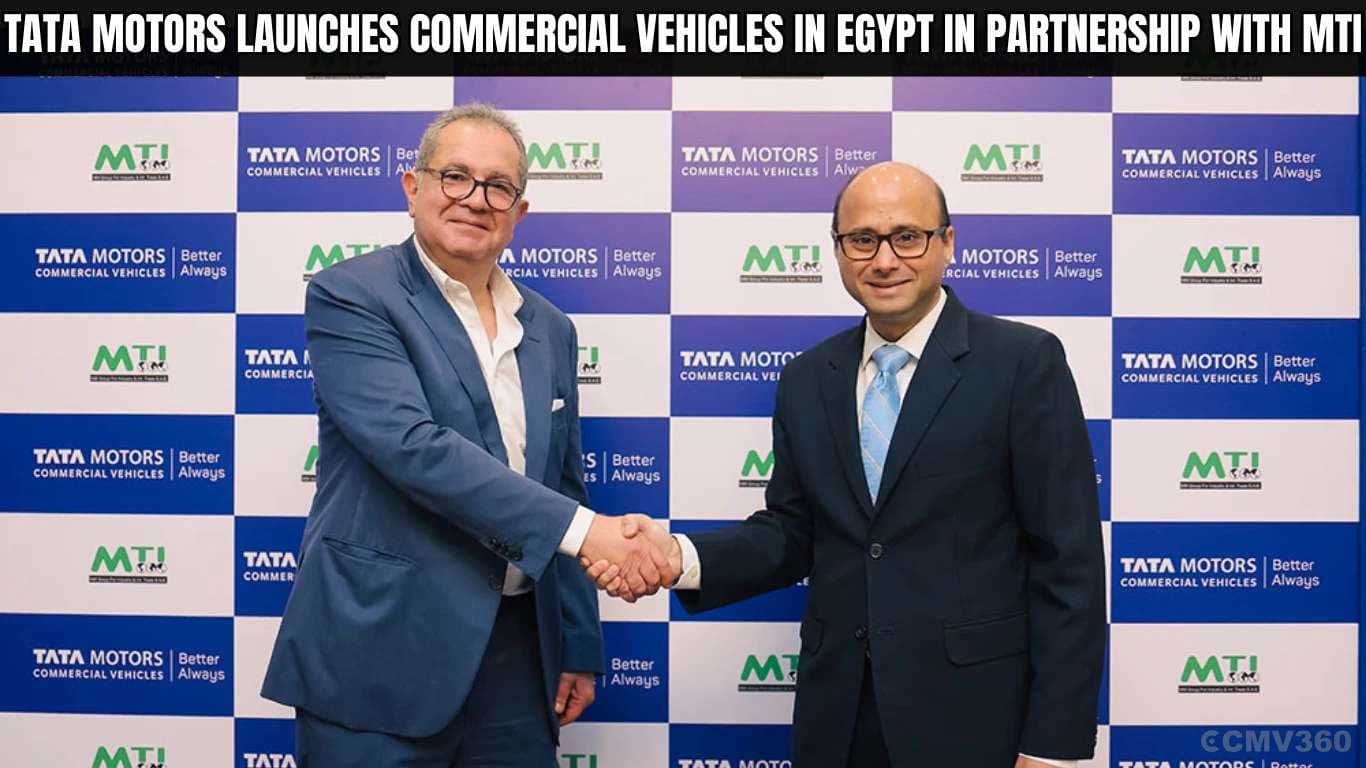
Tata Motors enters Egypt with MTI, launching commercial vehicles and offering wide service support, warranty, and efficient transport solutions.

Terra Motors’ newly launched KYORO+ electric three-wheeler can travel up to 200 kilometers on a single charge and has a top speed of 55 km/h.

Terra Motors is planning to restart exports to African countries such as Ethiopia, Tanzania, and Nigeria. These exports were earlier paused due to the COVID-19 pandemic.





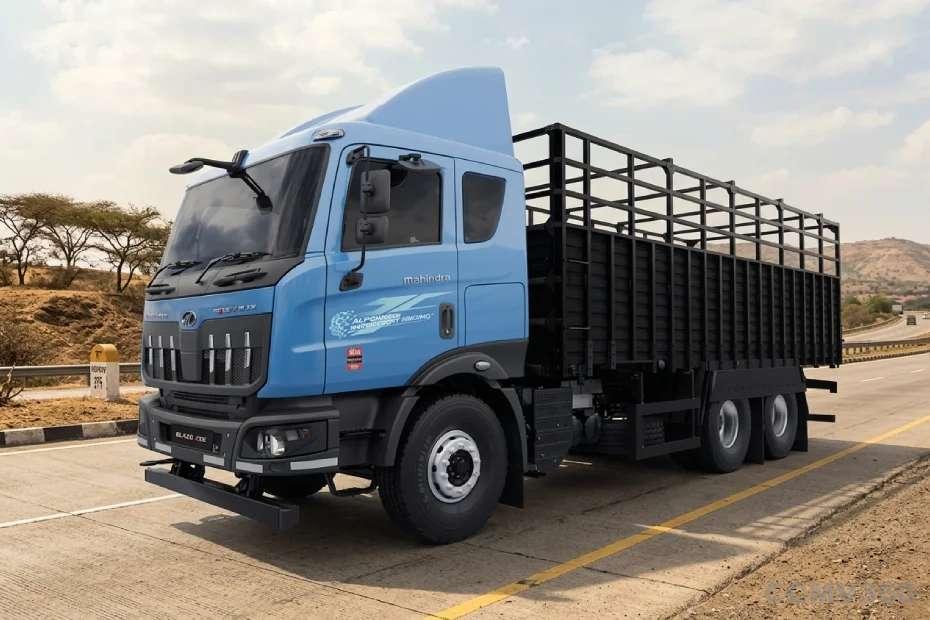
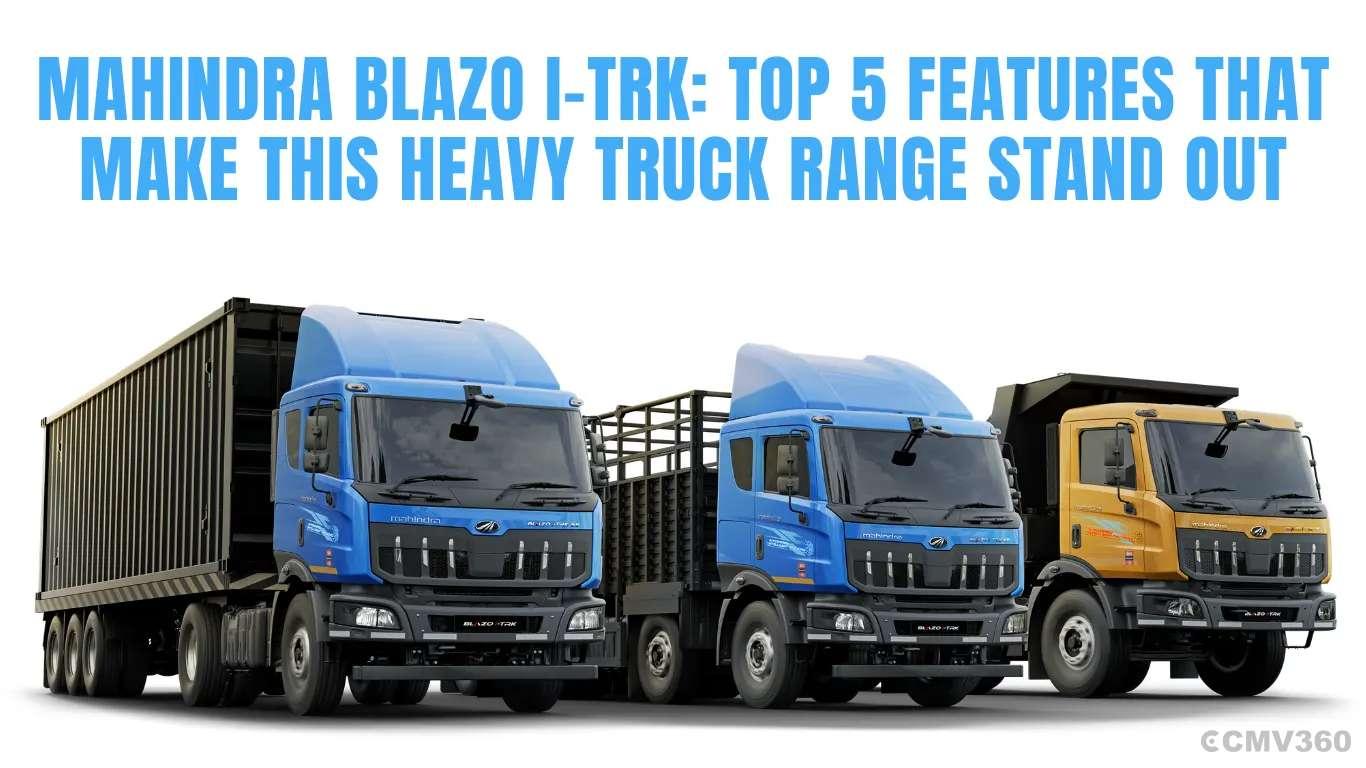
Mahindra BLAZO I TRK 28
Price Coming Soon
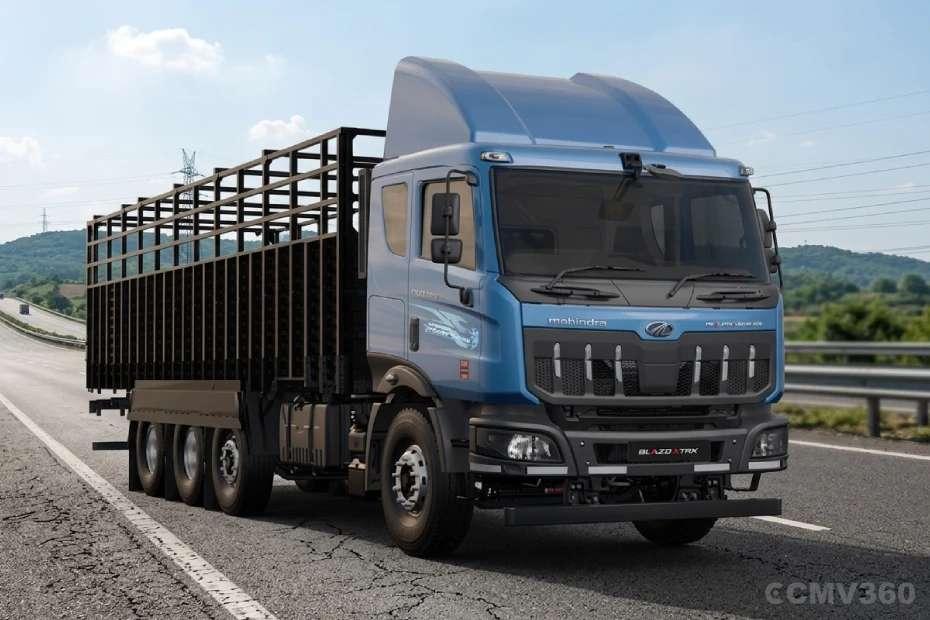
Mahindra BLAZO i TRK 35 Lift Axle
Price Coming Soon
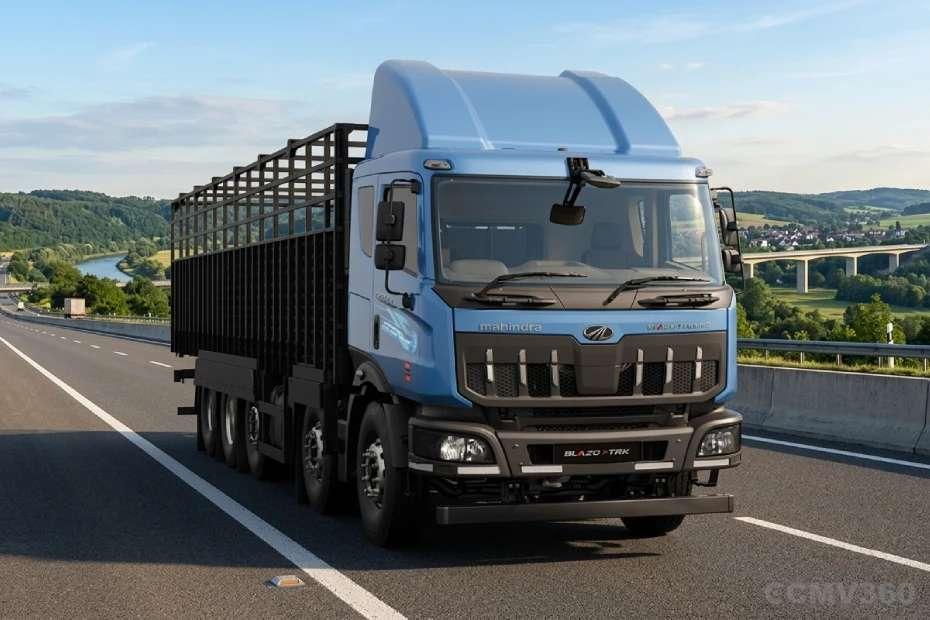
Mahindra BLAZO I TRK 42
Price Coming Soon
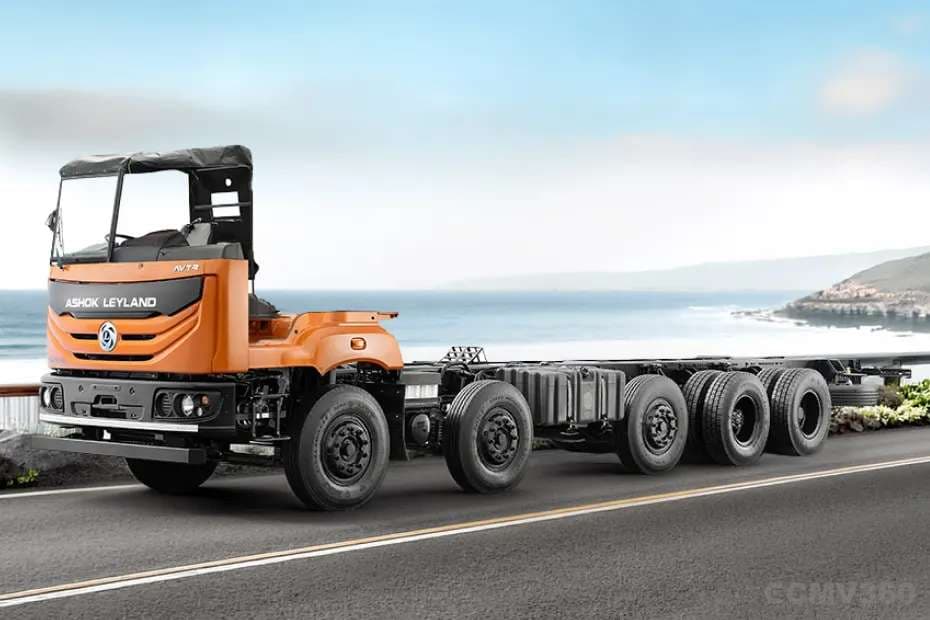
Ashok Leyland AVTR 4625H LA
Price Coming Soon
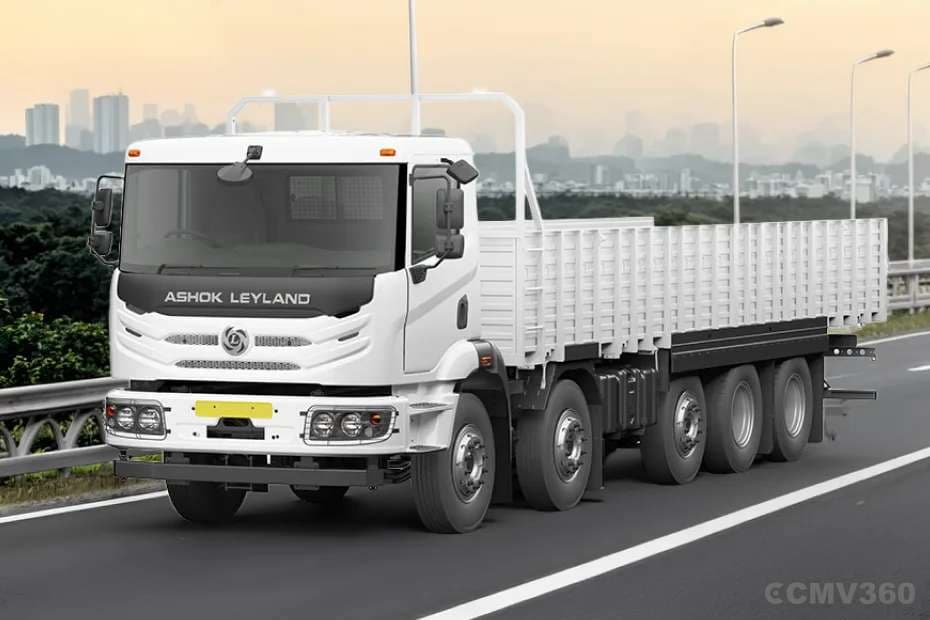
Ashok Leyland AVTR 4525H DTLA
Price Coming Soon
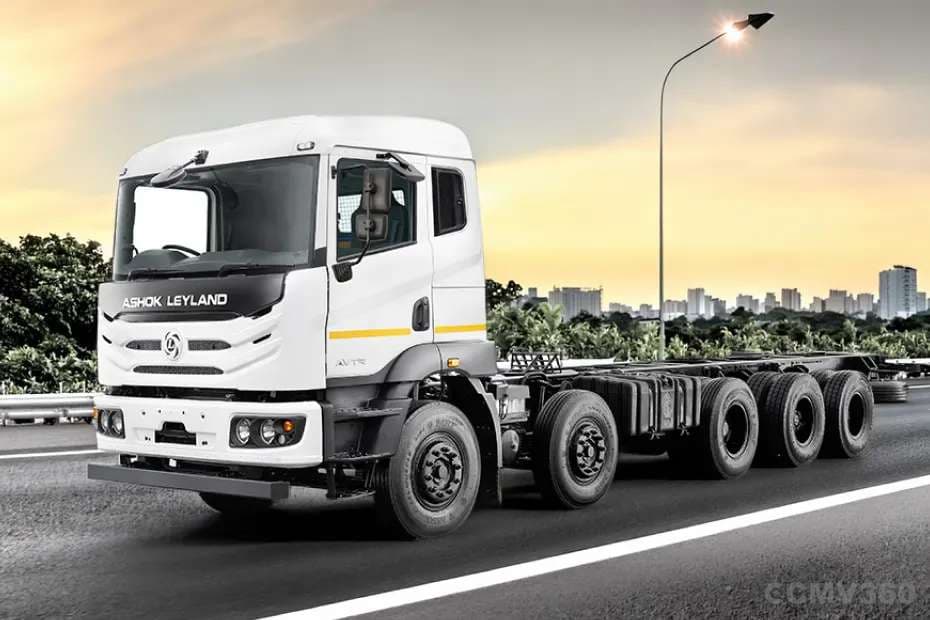
Ashok Leyland AVTR 4925H DTLA
Price Coming Soon