Useful Advice for Soybean Farmers: Right Sowing Time, Best Varieties, and Complete Cultivation Guide
 Add CMV360 on Google
Learn the best time, varieties, treatments, and tips for soybean farming with tractors and modern machines for better yield.

By Robin Kumar Attri

India is an agrarian country where agriculture not only feeds the population but also provides employment to over 50% of the workforce. Among various crops, oilseeds play a vital role in ensuring food security and economic stability. Soybean, being one of the most important kharif oilseed crops, contributes significantly to farmers’ incomes and is widely grown across India, especially in Madhya Pradesh, Maharashtra, and Rajasthan.
Soybean farming is not only profitable but also helps improve soil health by fixing nitrogen. To ensure high productivity, modern agricultural machines like tractors, seed drills, power sprayers, and rotavators are widely used today. These machines reduce manual labour, ensure timely operations, and improve efficiency. In this detailed article, based on expert guidelines from the National Soybean Research Institute, Indore (ICAR), we’ll explore everything a soybean farmer needs to know – from sowing time, seed variety, field preparation, to nutrient and weed management.
Importance of Soybean in Indian Agriculture
Rich source of protein and oil
Enhances soil fertility due to nitrogen-fixing ability
High demand in the food, feed, and oil industries
Supports double-cropping systems
Plays a key role in sustainable agriculture
The Right Time for Sowing Soybeans
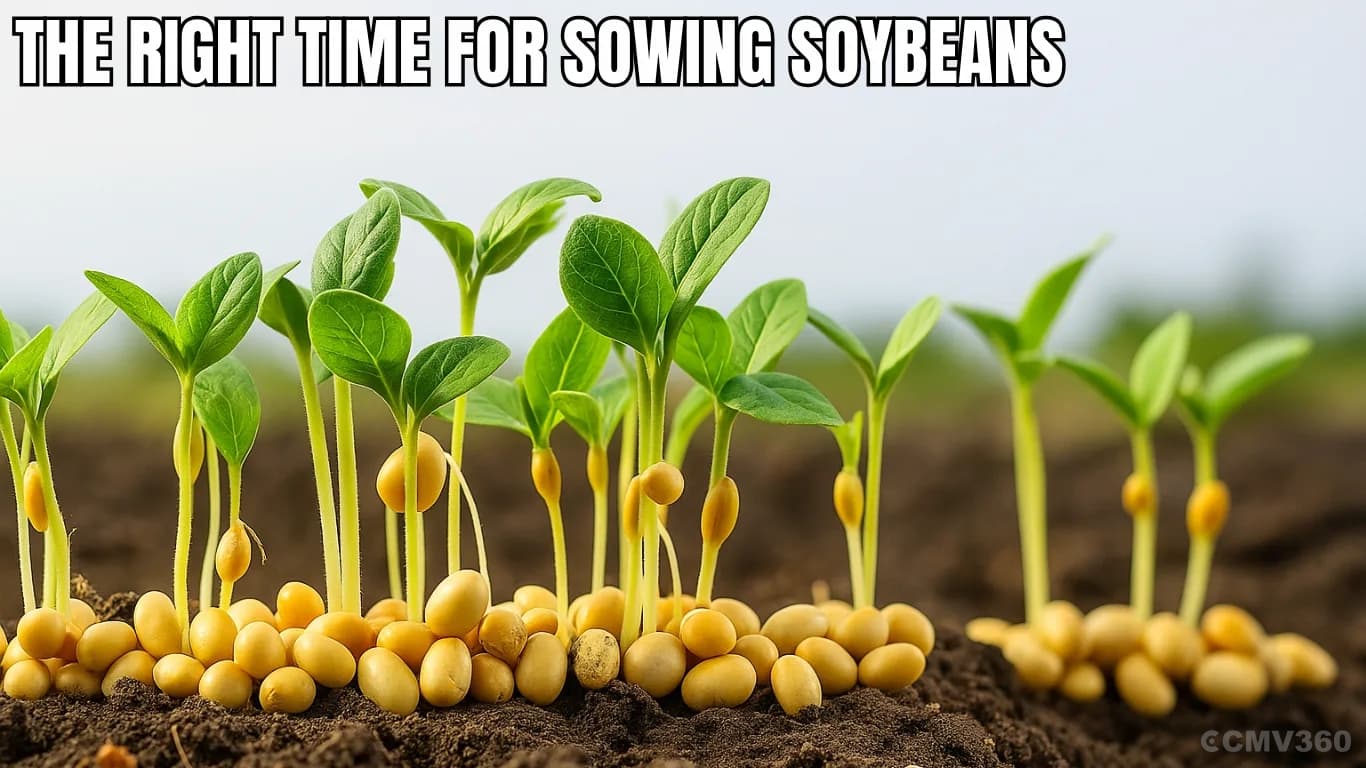
Sowing at the right time is critical for germination and crop health. Experts suggest sowing should begin after the region receives at least 100 mm of rainfall post-monsoon onset. Sowing earlier or later can reduce yield due to poor germination or pest attacks.
Sowing Time for Key Regions:
Region | Ideal Sowing Window |
Central MP (Malwa) | 20 June to 5 July |
North-Eastern Hills (MP) | 15 June to 30 June |
Northern Plains (MP) | 20 June to 5 July |
Eastern Region (MP) | 15 June to 30 June |
Southern MP | 15 June to 30 June |
Tip: Delay in sowing may lead to moisture stress or disease outbreaks.
Field Preparation with Tractors and Implements
Tractor-driven tools like cultivators, rotavators, and levellers help prepare the soil efficiently for sowing.
Key Steps:
Plough the field at the start of the monsoon.
Level the field using a pata (leveller).
Mix organic matter in the soil:
5–10 tonnes/ha of farmyard manure (FYM) or
2.5 tonnes/ha of poultry manure
This improves soil structure, moisture retention, and nutrient content.
Choosing the Right Soybean Varieties

Selecting varieties suited to your cropping cycle and climate is essential. Here's a breakdown:
Variety Selection Based on Crop Duration:
Crop Cycle | Duration | Suitable Varieties |
Short Duration | 90–100 days | JS 20‑29, JS 20‑34 |
Medium Duration | 100–110 days | JS 95‑60 |
Long Duration | 110–120 days | NRC 37 |
Pro Tip: Always sow a mix of 2–3 notified varieties to reduce the risk of crop failure due to disease or weather issues.
Importance of Seed Quality and Treatment
A high germination rate and proper treatment are necessary for healthy seedlings.
Seed Selection:
Choose seeds with a minimum 70% germination rate.
Conduct a germination test before sowing.
Seed Treatment Steps:
Treatment Type | Recommended Chemicals | Dosage |
Fungicide | Azoxystrobin + Thiophanate Methyl + Thymethoxam | 10 ml/kg |
Fungicide Alt. | Carboxin + Thiram | 3 g/kg |
Insecticide | Thymethoxam 30 FS or Imidacloprid | 10 ml/kg |
Organic | Bradyrhizobium + PSB + Trichoderma | 5 g/kg + 10 g/kg |
Treatment Order:
Fungicide → 2. Insecticide → 3. Organic Culture → Then sow immediately.
Scientific Sowing Method and Seed Rate
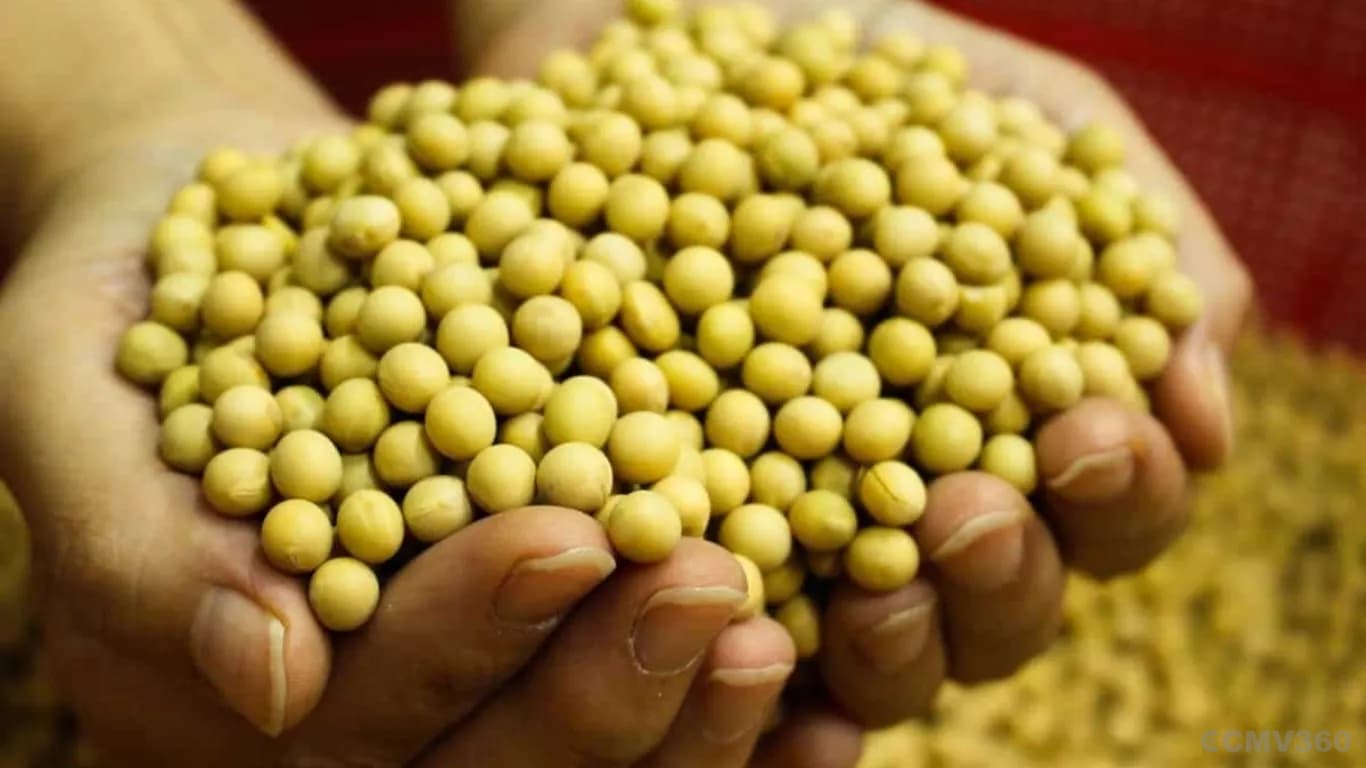
Sowing Methods (Use Tractor-Operated Implements):
Seed Drill
Broad Bed Furrow (BBF)
Ridge-Furrow
Raised Bed Method
Spacing and Seed Rate:
Crop Type | Row Spacing | Plant Spacing | Seed Rate (kg/ha) | Sowing Depth |
Early Varieties | 30 cm | 5–7 cm | 80–90 | 2–3 cm |
Medium/Long Varieties | 30 cm | 5–7 cm | 80–90 | 2–3 cm |
Balanced Nutrient Management (NPKS)
Proper nutrition is vital for plant development and yield. Use fertilizers based on soil test or the recommended rate.
Nutrient Application Table:
Fertilizer | Quantity per hectare |
Urea | 56 kg |
SSP (Single Super Phosphate) | 375–400 kg |
MOP (Muriate of Potash) | 67 kg |
DAP (alt. to above) | 125 kg + MOP |
Bentonite Sulphur | 25 kg |
Mixed Fertilizer (12:32:16) | 200 kg |
Zinc Sulphate (if required) | 25 kg |
Iron Sulphate (if required) | 50 kg |
Weed Control: Protect Yield by 30–50%
Weeds compete for nutrients and can significantly reduce yield. Effective weed management includes pre-sowing and post-sowing herbicide application.
Weed Control Plan:
Application Time | Herbicide | Dosage |
Pre-Plant (PPI) | Diclosulam + Pendimethalin | 2.51 L/ha |
Fluchloralin | 2.22–3.33 L/ha | |
Post-Sowing (PE) | Diclosulam 84% WDG | 26 g/ha |
Sulfentrazone 39.6% SC | 0.75 L/ha | |
Pendimethalin 30% EC | 2.5–3.3 L/ha |
Use 450–500 L of water/ha (knapsack sprayer)
Or 120 L/ha (power sprayer)
Disease and Pest Management
Common Soybean Diseases:
Charcoal Rot
Anthracnose
Collar Rot
Purple Seed Stain
Prevention:
Use Fluxapyroxad (1 ml/kg) for seed treatment.
Conduct regular field scouting.
Rotate crops and remove infected debris.
Managing Adverse Conditions
To protect the soybean crop from excess rains, moisture loss, or natural disasters:
Use the BBF or Ridge-Furrow method for better drainage.
Construct field drains in high rainfall areas.
Ensure you have crop insurance coverage.
Area-Specific Recommendations for Madhya Pradesh
Region | Sowing Time | Seed Rate (kg/ha) | Row Spacing |
Central MP | 20 June – 5 July | 65 | 45 cm |
NE Hills (MP) | 15 June – 30 June | 55 | 45 cm |
Northern Plains | 20 June – 5 July | 65 | 45 cm |
Eastern MP | 15 June – 30 June | 55 | 45 cm |
Southern MP | 15 June – 30 June | 65 | 30 cm |
Also Read: Major Diseases in Mango Crop and Their Effective Solutions: A Complete Guide for Farmers
CMV360 Says
In conclusion, soybean farmers can significantly boost their productivity by adopting the right practices at every stage of cultivation. Sowing the crop at the correct time, selecting suitable high-yielding varieties, using balanced nutrition, and managing weeds and pests effectively can lead to a yield increase of 20–30%. These steps not only help in reducing crop losses but also improve soil health and ensure a better market value for the produce. Additionally, the use of modern agricultural equipment such as tractors, seed drills, and sprayers can make farming operations more efficient, less labor-intensive, and more precise. To stay updated with the latest agricultural practices and recommendations, farmers are encouraged to connect with their nearest Krishi Vigyan Kendra (KVK) or Agriculture Department Office for expert support and guidance.

Robin Kumar Attri is a content and video professional with 2.7 years of experience in the commercial vehicle d .....