Crop Production in India 2026: Stages, Methods, Factors Affecting Yield and Government Schemes
 Add CMV360 on Google
Explore crop production in India, including farming methods, growth stages, yield factors, 2025-26 production estimates and government schemes to help farmers improve productivity, manage costs and increase profitability.

By Robin Kumar Attri

Crop production is the backbone of Indian agriculture, supporting food security, farmers income and the rural economy. However, achieving a good harvest requires more than sowing seeds and applying fertilisers. Farmers must select suitable crop varieties, maintain soil health, manage irrigation, control weeds and pests, and harvest produce at the right time.
Modern farming practices such as precision agriculture, drip irrigation, conservation agriculture and mechanisation can help farmers improve productivity and reduce input wastage. Government schemes also provide financial assistance, crop insurance and soil-testing support to strengthen agricultural production.
India’s foodgrain production reached an estimated 376.563 million tonnes in 2025-26, up approximately 5.3% from 357.732 million tonnes in 2024-25. Understanding crop production stages, suitable farming methods and factors affecting yield can help farmers make better decisions and improve farm profitability.
Also Read: Types of Fertilizers Used in Agriculture in India 2026: Uses, Benefits, Prices and Subsidy Rates
What Is Crop Production?
Crop production is the process of growing crops for food, animal feed, industrial use and commercial purposes. It includes crop planning, land preparation, seed selection, sowing, irrigation, nutrient management, pest control, harvesting, storage and marketing.
Farmers select crops according to soil type, climate, rainfall, water availability, growing season and market demand. Common crops include rice, wheat, maize, pulses, oilseeds, cotton, sugarcane, vegetables and fruits.
Depending on their objectives, farmers may practise subsistence farming for household consumption, commercial farming for sale, intensive farming to improve output from limited land, or mixed farming that combines crop cultivation with livestock.
Different Stages of Crop Production
Every crop passes through several stages, and timely management at each stage is essential for a healthy harvest.
Crop planning: Select a suitable crop and variety according to the season, soil, water availability and market demand.
Land preparation: Plough, level and prepare the field to support root development, moisture retention and drainage.
Seed selection and treatment: Use certified or quality seeds and recommended seed treatments to improve establishment and protect against early diseases.
Sowing or transplanting: Maintain the correct sowing date, seed rate, depth, spacing and plant population.
Nutrient management: Apply fertilisers and organic manure according to soil-test results and crop requirements.
Irrigation: Provide water at critical growth stages while preventing waterlogging and unnecessary water loss.
Weed management: Control weeds, particularly during the first 20-40 days after sowing for many crops.
Pest and disease management: Inspect crops regularly and use integrated pest management practices.
Crop monitoring: Track plant growth, soil moisture, weather conditions and nutrient deficiencies.
Harvesting: Harvest at the appropriate maturity stage to minimise shattering and quality losses.
Post-harvest management: Dry, clean, grade and store produce safely.
Marketing and planning: Sell produce through suitable channels and record costs, yields and returns for the next season.
Major Methods of Crop Production
Farmers can choose from several crop production methods according to their land, water availability, investment capacity and market opportunities.
Conventional and Intensive Farming: Conventional intensive farming uses improved seed varieties, tillage, mineral fertilisers, irrigation and crop protection products. It is widely used for crops such as rice, wheat, maize, cotton, sugarcane and vegetables. Its main advantage is the potential for high and predictable production when inputs are available at the right time. However, excessive tillage, unbalanced fertilisation, over-irrigation and indiscriminate pesticide use can damage soil health, deplete groundwater and increase production costs.
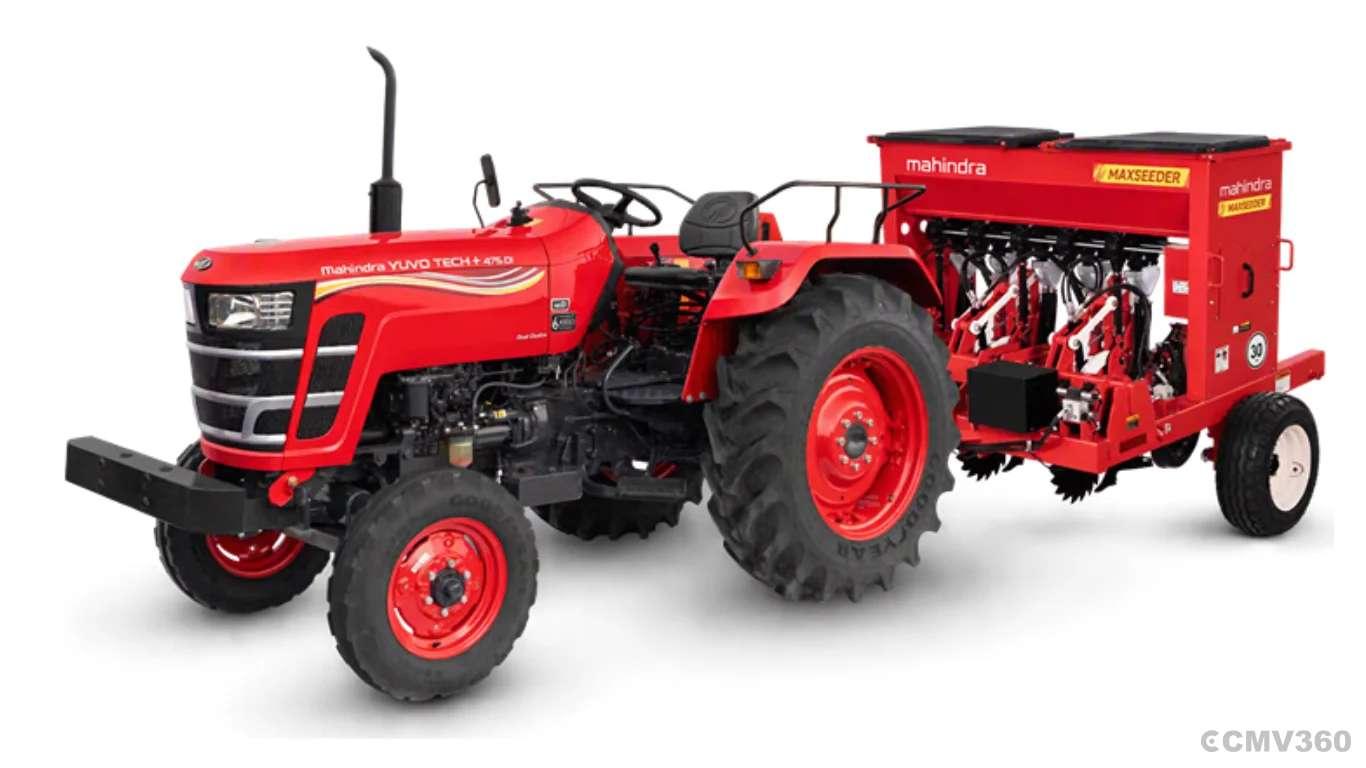
Conservation Agriculture: Conservation agriculture reduces soil disturbance, retains crop residues on the surface and encourages diversified crop rotations. Zero-tillage equipment and suitable seed drills can help farmers establish crops without repeated ploughing. This method can reduce fuel and tillage costs, conserve moisture and improve soil structure. Successful adoption requires suitable machinery, effective weed management and careful handling of crop residues.
Integrated Nutrient Management: Integrated Nutrient Management (INM) combines chemical fertilisers with farmyard manure, compost, vermicompost, green manure, crop residues and biofertilisers. Including legumes in crop rotations can also support soil fertility. The best starting point is a soil test. Farmers should apply nutrients according to crop requirements rather than increasing fertiliser use without identifying the actual deficiency. The PM-PRANAM initiative encourages balanced nutrient use and the adoption of alternative nutrient sources.
Precision Agriculture and Fertigation: Precision agriculture uses soil testing, digital soil maps, crop sensors, weather information and targeted application of agricultural inputs. Drip fertigation delivers water and dissolved fertilisers directly to the crop’s root zone. ICAR has reported that pressurised irrigation increased yields by 30-40% at different locations while saving 40-50% of irrigation water. Actual results depend on the crop, location, equipment and management practices.
Organic and Natural Farming: Organic farming relies on approved organic inputs and excludes synthetic fertilisers and pesticides under applicable organic standards. Natural farming promotes chemical-free production, livestock integration, diversified cropping and locally adapted practices. As of 30 June 2026, the Paramparagat Krishi Vikas Yojana (PKVY) had covered 18.93 lakh hectares and benefited 33.63 lakh farmers. The Mission Organic Value Chain Development for North Eastern Region (MOVCDNER) had covered 2.36 lakh hectares and benefited 2.74 lakh farmers. Farmers should plan the transition carefully because yields can initially decline when nutrients, biomass, livestock integration or suitable markets are insufficient.
Protected Cultivation and Horticulture: Polyhouses, shade nets, mulching, trellising and controlled fertigation help farmers grow vegetables, flowers and nursery plants under managed conditions. These systems can support off-season production and improve quality, but they require investment, reliable water and electricity, skilled labour, disease management and market access.
Crop Rotation and Mixed Cropping: Crop rotation involves growing different crops in sequence, while intercropping involves growing two or more crops together. Sequential cropping, relay cropping and agroforestry offer additional ways to improve land use and diversify farm income. For example, rice-wheat and maize-wheat are sequential cropping systems, while cereal-pulse combinations can help spread production risks. Integrated farming may combine crops with livestock, poultry, fisheries or trees.
Factors Affecting Crop Production and Yield
Soil Health and Fertility
Soil texture, structure, organic carbon, pH, drainage and nutrient availability directly influence crop growth. Sandy soils drain quickly, while clay soils retain more water but may become waterlogged. Loamy soils generally offer a useful balance between drainage and moisture retention.
Farmers can improve soil health through compost, farmyard manure, green manure, crop-residue management and legumes. Soil amendments such as lime or gypsum should be used according to soil-test recommendations.
Seed Quality and Variety Selection
The crop variety determines yield potential, duration, disease resistance and quality. Farmers should choose varieties suited to local weather, sowing dates, water availability and market requirements. ICAR released 339 crop varieties for different agro-climatic regions in 2025-26.
Climate and Weather
Temperature, rainfall, sunlight, humidity and wind affect crop growth. Heat during flowering and grain filling can reduce yields, while delayed monsoons can postpone sowing. Excess rainfall may cause waterlogging, erosion and nutrient loss, whereas drought creates moisture stress.
Water and Irrigation
Both insufficient and excessive irrigation can damage crops. Farmers should water crops at critical growth stages, maintain drainage and adopt suitable drip or sprinkler systems where economically feasible. Mulching, bunding and rainwater harvesting can also improve water conservation.
Nutrient Management
Nitrogen supports vegetative growth, phosphorus promotes root development, and potassium contributes to grain filling and stress tolerance. Sulphur and micronutrients such as zinc, iron and boron are also important.
Farmers should follow soil-test-based fertiliser recommendations, split nitrogen applications according to crop needs and correct confirmed nutrient deficiencies. Excessive fertiliser use can waste money and increase environmental losses.
Weeds, Pests and Diseases
Weeds compete for water, nutrients and sunlight, while pests and diseases damage plants and reduce marketable yield. Regular field inspections, crop rotation, resistant varieties, biological control and need-based pesticide application can help manage these problems.
Mechanisation and Farm Economics
Tractors, cultivators, rotavators, seed drills, laser levellers, weeders and combine harvesters can improve operational efficiency. Timely sowing, irrigation, weeding and harvesting are particularly important.
Credit availability, labour, electricity, transport, storage, market prices and agricultural advice also influence farm productivity and profitability.
India’s Crop Production Estimates for 2025-26
The Third Advance Estimates released by the Ministry of Agriculture and Farmers Welfare provide the following national production figures.
Crop or group | Estimated production in 2025-26 | Change from 2024-25 |
Total foodgrains | 376.563 million tonnes | Up 18.831 million tonnes |
Rice | 154.024 million tonnes | Up 3.840 million tonnes |
Wheat | 120.657 million tonnes | Up 2.712 million tonnes |
Maize | 55.093 million tonnes | Up 11.684 million tonnes |
Shree Anna/millets | 17.584 million tonnes | - |
Total coarse cereals | 74.472 million tonnes | - |
Tur (arhar) | 3.592 million tonnes | Slightly lower |
Gram | 12.514 million tonnes | Up 1.400 million tonnes |
Lentil | 1.762 million tonnes | - |
Total oilseeds | 43.059 million tonnes | - |
Groundnut | 13.074 million tonnes | Up 1.132 million tonnes |
Soybean | 12.596 million tonnes | - |
Rapeseed and mustard | 13.768 million tonnes | Up 1.101 million tonnes |
Sugarcane | 500.063 million tonnes | Up 45.452 million tonnes |
Cotton | 29.024 million bales of 170 kg | - |
Jute | 9.176 million bales of 180 kg | - |
These estimates show the scale of India’s agricultural production and the importance of maintaining productivity across cereals, pulses, oilseeds, commercial crops and other agricultural categories.
Government Schemes Supporting Crop Production in India
Several government schemes help farmers manage cultivation expenses, improve soil and water management, and protect against agricultural risks.
Scheme | Main benefit |
PM-KISAN | ₹6,000 annual income support for eligible farmer families in three instalments |
Pradhan Mantri Fasal Bima Yojana (PMFBY) | Crop insurance against specified natural, pest, disease and post-harvest risks |
Soil Health Card Scheme | Soil testing and fertilizer recommendations |
Per Drop More Crop (PDMC) | Financial assistance for eligible drip and sprinkler irrigation systems |
PM Dhan-Dhaanya Krishi Yojana | Productivity, irrigation, storage and credit support in 100 selected districts |
PM-PRANAM | Encourages balanced fertiliser use and alternative nutrient sources |
National Mission on Natural Farming | Supports natural farming and diversified agricultural practices |
Digital Agriculture Mission | Supports digital farmer services, crop monitoring and data-based advisories |
Namo Drone Didi | Supports drone-based agricultural services through selected women’s self-help groups |
PM-KISAN: Financial Support for Farmers
Eligible farmer families receive ₹6,000 annually under PM-KISAN in three instalments. Farmers can plan the use of this support around timely purchases of seeds, fertilisers, labour or other essential cultivation requirements.
PMFBY Crop Insurance
PMFBY protects eligible farmers against specified crop losses caused by natural calamities, pests, diseases and certain post-harvest events.
The maximum farmer premium is generally 2% of the sum insured for Kharif food and oilseed crops, 1.5% for Rabi food and oilseed crops, and 5% for annual commercial and horticultural crops.
For localised calamities and eligible post-harvest losses, farmers should report damage within 72 hours under applicable guidelines. Reports can be submitted through the Crop Insurance App, insurance company, bank, Common Service Centre or designated agriculture office. The PMFBY grievance helpline is 14447.
Soil Health Card Scheme
The Soil Health Card assesses 12 parameters, including nitrogen, phosphorus, potassium, sulphur, zinc, iron, copper, manganese, boron, pH, electrical conductivity and organic carbon. As of the 2026 government update, 26.09 crore cards had been issued.
Farmers should follow the recommendations to correct nutrient deficiencies and improve soil fertility. Cards are intended to be renewed every two years.
Per Drop More Crop Scheme
PDMC supports eligible micro-irrigation systems, including drip and sprinkler irrigation, covering up to five hectares per beneficiary.
Small and marginal farmers: 55% assistance on eligible installation costs.
Other farmers: 45% assistance on eligible installation costs.
Farmers can contact their Block or District Agriculture Office through the Gram Panchayat or call the Kisan Call Centre at 1800-180-1551 for application guidance.
Also Read: Top Government Schemes for Farmers in India 2026: Benefits, Eligibility and Latest Updates
How Farmers Can Improve Crop Yield in 2026
Farmers can improve crop production by adopting better farming practices, managing resources efficiently and reducing losses during cultivation.
Test Soil: Use a Soil Health Card to understand nutrient levels and apply fertilisers according to recommendations.
Select Quality Seeds: Choose certified seeds suited to local soil, climate, sowing season and market demand.
Sow on Time: Follow recommended sowing dates, seed rates and plant spacing.
Maintain Soil Fertility: Use balanced fertilisers along with compost, farmyard manure and green manure where practical.
Manage Irrigation: Water crops at critical growth stages, avoid waterlogging and consider drip or sprinkler irrigation to save water.
Control Weeds and Pests: Monitor fields regularly and use integrated pest management to minimise crop damage.
Conserve Moisture: Adopt mulching, field bunding and farm ponds where suitable.
Use Farm Machinery: Complete sowing, weeding and harvesting on time with appropriate equipment.
Manage Risks: Choose climate-suitable varieties, maintain proper drainage and consider PMFBY crop insurance for eligible risks.
Reduce Post-Harvest Losses: Harvest at the right maturity, dry produce properly and use safe storage facilities.
Maintain Farm Records: Track cultivation costs, yields and selling prices to improve future decisions.
Diversify Crops: Consider pulses, oilseeds, intercropping or integrated farming according to local conditions and market demand.
Combining these practices can help farmers improve yields, maintain soil health, reduce avoidable costs and increase farm profitability.
Also Read: Top 10 Winter Crops in India 2026-27: Best Rabi Crops for Higher Profit
CMV360 Says
Crop production in India depends on the combined management of seeds, soil, water, nutrients, climate, machinery and farm economics. Improved varieties and modern equipment can increase productivity, but their benefits are limited when sowing is delayed, soil fertility is poor, or irrigation and pest management are inadequate.
By adopting suitable farming methods, testing soil regularly, conserving water, managing nutrients carefully and using government schemes effectively, farmers can improve crop yields and reduce avoidable losses.
The key to better crop production is to identify the main problem affecting a field and address it first. Better seed quality, timely irrigation, balanced fertilization, early weed control and proper harvesting can help Indian farmers improve productivity, manage cultivation costs and build more resilient farming systems.

Robin Kumar Attri is a content and video professional with 2.7 years of experience in the commercial vehicle d .....