Youdha ePod G Electric Three-Wheeler Launched for Cargo: 545 kg Payload, 180 km Range
 Add CMV360 on Google
Youdha launches the ePod G electric cargo three-wheeler with a 545 kg payload, 170-180 km claimed range, 11.8 kWh LFP battery and multiple load-body options.

By Robin Kumar Attri

Key Highlights
Youdha launches the ePod G electric cargo three-wheeler.
Claimed range of 170-180 km under standard test conditions.
Offers a payload capacity of 545 kg and 1,000 kg GVW.
Equipped with an 11.8 kWh LFP battery and 6 kW motor.
Half-deck and closed-box load-body options available.
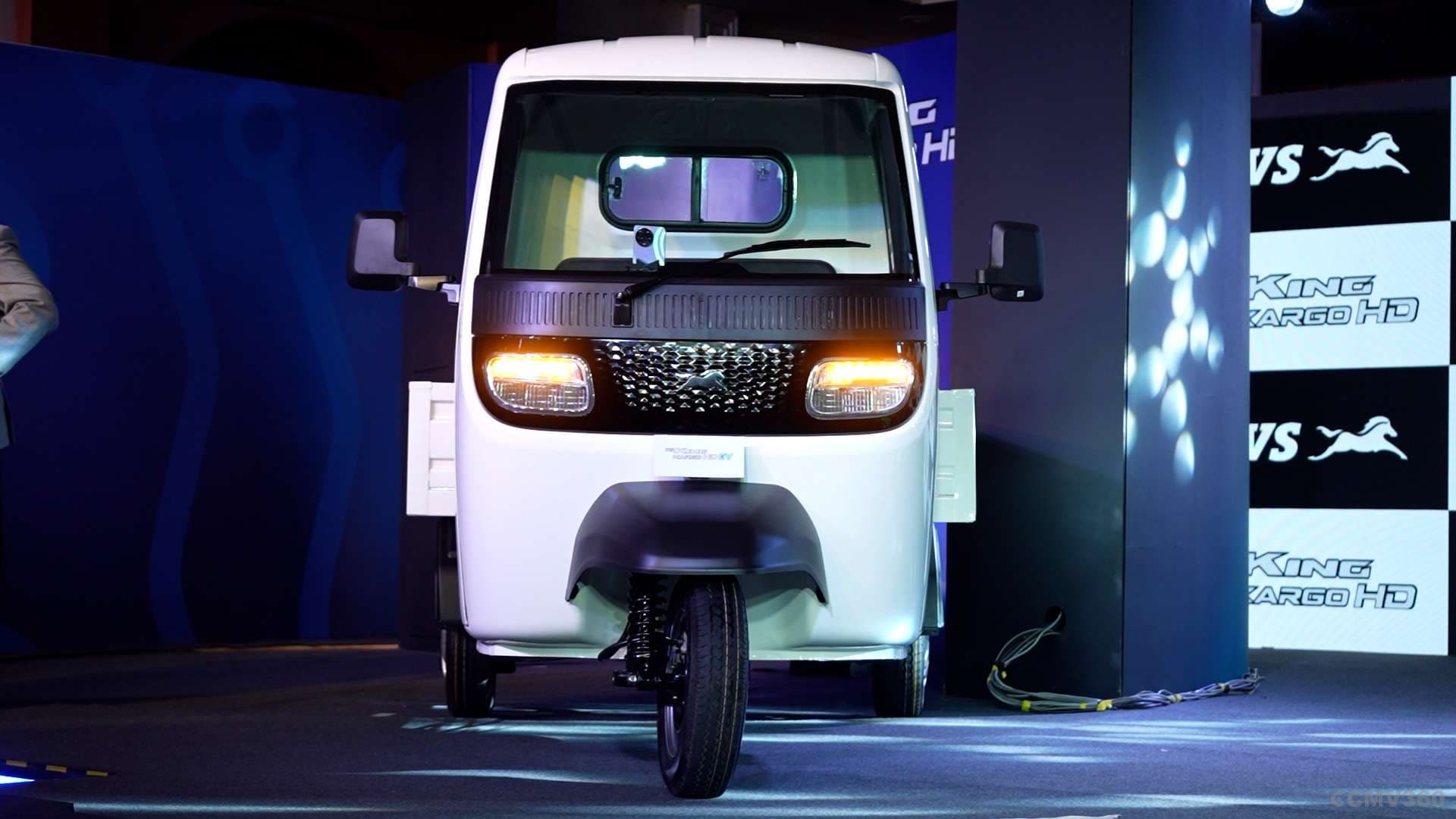
Youdha has expanded its electric three-wheeler portfolio with the launch of the new ePod G electric cargo three-wheeler. Introduced on October 22, 2026, in New Delhi, the new model marks the company's entry into the cargo segment after receiving a positive response to its ePod passenger vehicle.
Designed for last-mile logistics, e-commerce deliveries and retail distribution, the Youdha ePod G aims to meet the transportation needs of small businesses, individual operators and delivery fleets. With a claimed range of 170-180 km under standard test conditions, a payload capacity of 545 kg and multiple load-body configurations, the new electric three-wheeler is designed for everyday goods transportation.
Youdha ePod G Electric Three-Wheeler: Key Specifications
The Youdha ePod G combines an LFP battery, an electric motor and a practical cargo-focused design to support commercial transportation requirements.
Specification | Details |
Vehicle type | Electric cargo three-wheeler |
Battery capacity | 11.8 kWh |
Battery chemistry | Lithium Iron Phosphate (LFP) |
Electric motor | 6 kW, three-phase PMSM |
Claimed driving range | 170-180 km** |
Payload capacity | 545 kg** |
Gross vehicle weight (GVW) | 1,000 kg |
Top speed | Below 50 kmph** |
Gradeability | 22% |
Charging time | 4-5 hours |
The vehicle's 11.8 kWh lithium iron phosphate (LFP) battery powers a 6 kW three-phase permanent magnet synchronous motor (PMSM). According to the company, the ePod G delivers a claimed range of 170-180 km under standard test conditions.
Its 545 kg payload capacity and 1,000 kg gross vehicle weight make it suitable for carrying goods for local deliveries and other commercial applications. The electric three-wheeler also offers 22% gradeability, while its specified top speed remains below 50 kmph under standard test conditions.
The company states a charging time of four to five hours, which can help operators plan charging around their daily delivery schedules.
Note: The range, payload and speed figures marked with ** are subject to the stated standard test conditions.
Multiple Load-Body Options for Different Business Needs
Youdha will offer the ePod G in a half-deck configuration and a closed-box option, allowing customers to choose a setup according to their transportation requirements.
These configurations are intended to support different types of commercial operations, including last-mile logistics, e-commerce deliveries and retail distribution. The availability of different load-body options can help businesses select a vehicle suited to their goods and delivery operations.
The cargo model extends the ePod platform beyond passenger transportation, giving individual owner-operators and commercial fleets another electric option for moving goods over short and medium distances.
Features and Equipment of the Youdha ePod G
The ePod G features a monocoque chassis designed for its commercial application. It comes equipped with hydraulic brakes, heavy-duty steel rims and 120/80-R12, 8PR tyres.
For the driver, the electric three-wheeler gets a seven-inch digital LED instrument cluster with Smart CAN connectivity. This system provides vehicle-related information through the digital display.
The vehicle also features LED headlights to support visibility during delivery operations. Together, these features are intended to meet the practical requirements of businesses that depend on their vehicles for regular goods transportation.
Ayush Lohia on the Expansion of the ePod Range
Commenting on the launch, Ayush Lohia, CEO of Youdha, said the company aims to establish ePod as a trusted name in both passenger and goods transportation.
He explained that the positive response to the passenger vehicle has provided a strong foundation for expanding the range into cargo transportation. With the ePod G, the company intends to address the needs of businesses and individual operators engaged in last-mile deliveries.
Lohia also highlighted that the launch is part of Youdha's broader effort to strengthen its product portfolio and expand its market presence.
What the Youdha ePod G Means for Last-Mile Logistics
Electric three-wheelers play an important role in urban and local commercial transportation, particularly for businesses that need to move goods between warehouses, retail outlets, distribution points and customers.
With its claimed 170-180 km range, 545 kg payload capacity and multiple load-body options, the Youdha ePod G is designed to serve these requirements. Its four-to-five-hour charging time and electric powertrain provide an alternative to conventional goods carriers for suitable delivery operations.
The new model also gives Youdha an opportunity to reach a wider customer base, including small businesses, independent operators and organised delivery fleets. Its actual suitability for different applications will depend on operating conditions, load, route requirements and real-world driving range.
Also Read: Delhi E-Rickshaw Policy: Government Proposes 2.5 Lakh Vehicle Cap
CMV360 Says
Youdha's ePod G expands the company's electric three-wheeler portfolio into goods transportation after the positive response to its passenger model. With an 11.8 kWh LFP battery, a 6 kW motor, a claimed range of 170-180 km and a payload capacity of 545 kg, it targets last-mile logistics, e-commerce and retail deliveries. Multiple load-body options and practical equipment further broaden its commercial applications for individual operators and delivery businesses.

Robin Kumar Attri is a content and video professional with 2.7 years of experience in the commercial vehicle d .....