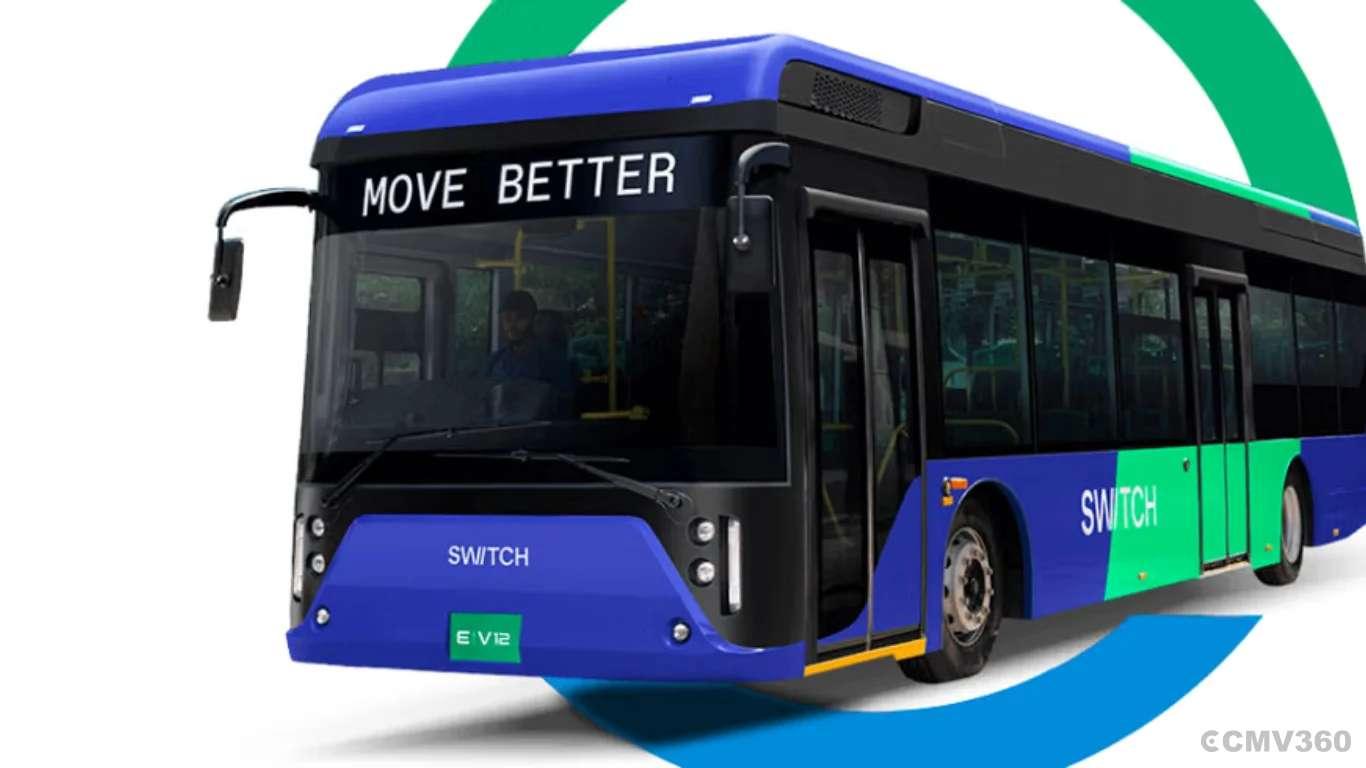
PM E Drive Scheme Cuts Subsidies for Electric Buses: New Rate Set at Rs 10,000 per kWh
 Add CMV360 on Google
The Union Cabinet approved the "PM-eBus Sewa-Payment Security Mechanism (PSM)" plan.

By Priya Singh
Key Highlights:
- The PM E Drive program has cut the electric bus subsidy from Rs 20,000 to Rs 10,000 per kWh.
- More e-buses are supported, but the subsidy per bus is lower.
- The government will promote e-buses in nine major cities.
- The PM-eBus Sewa plan will deploy over 38,000 e-buses at a cost of ₹3,435 crore.
- At least 50% of e-bus parts must be made in India, and measures are in place to ensure timely payments.
The Indian government's updated EV subsidy program, PM E Drive, has reduced the capital subsidies for electric buses. The subsidy has been cut from Rs 20,000 per kWh to Rs 10,000 per kWh.
The FAME-II scheme provided a subsidy of Rs. 20,000 per kWh for e-buses, with an overall cap of 40% of the vehicle's cost and a maximum ex-factory price of Rs 2 crore.
In the latest initiative, the number of buses sponsored has increased, but the subsidy amount each bus has decreased. PM E Drive enables 14,208 electric buses, compared to 5,595 in FAME II.
The government has stated that intercity and interstate e-buses will be encouraged in consultation with states. CESL will aggregate demand for e-buses in nine cities with populations of more than 40 lakh, including Delhi, Mumbai, Kolkata, Chennai, Ahmedabad, Surat, Bangalore, Pune, and Hyderabad.
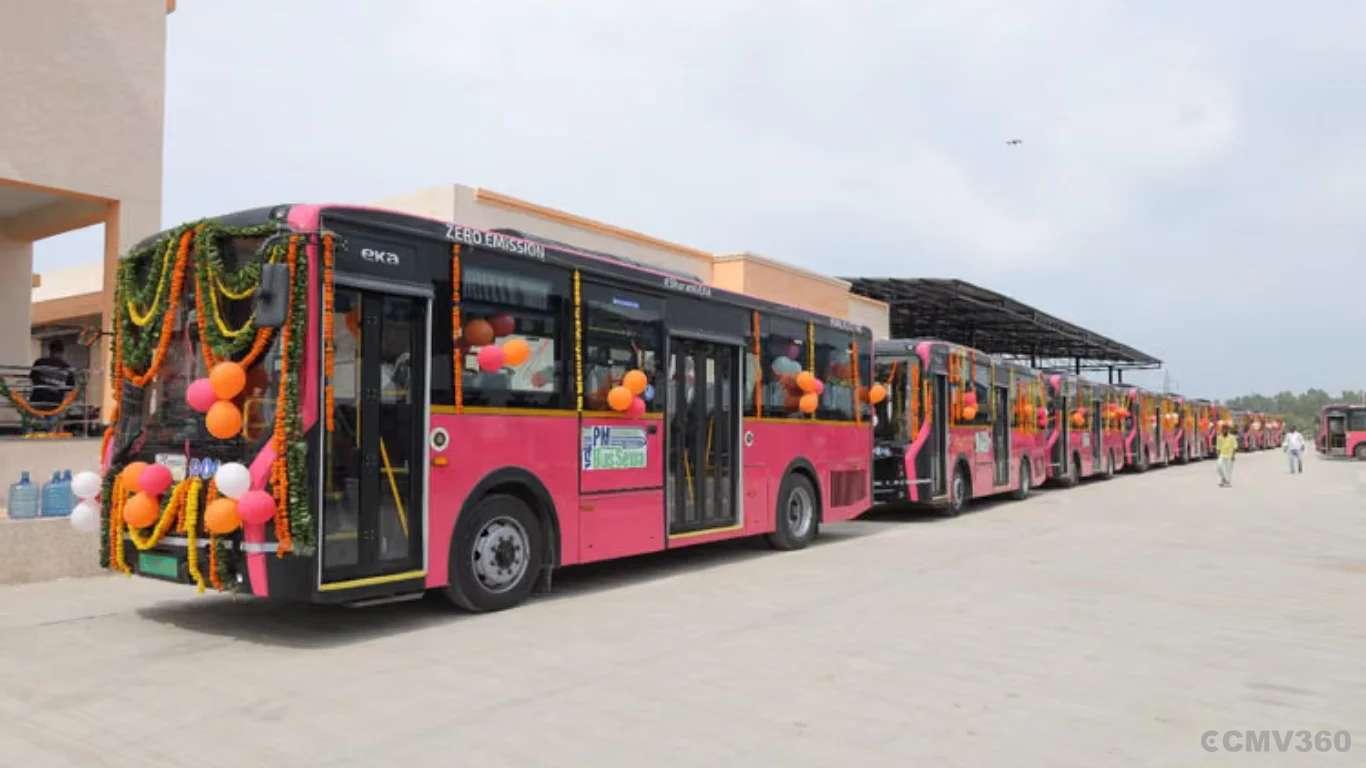
The Union Cabinet approved the "PM-eBus Sewa-Payment Security Mechanism (PSM)" plan. This plan proposes to acquire and run over 38,000 electric buses for Public Transport Authorities (PTAs) across India at a total cost of ₹3,435 crore.
The existing domestic value addition standards will continue to apply under the E Drive scheme, which means that all electric buses must have at least 50% of their components manufactured in India.
Addressing the media following the much-anticipated announcement, India's information technology minister, Ashwini Vaishnav, stated that the "government has learned its lessons from the FAME 1 and FAME 2 schemes and that it aimed to propel the electric vehicle sector to exponential growth."
The scheme is expected to aid the deployment of e-buses from fiscal year 2024-25 to fiscal year 2028-29, with operational support for up to 12 years after deployment.
The plan aims to minimize pollution and fossil fuel usage by supporting the transition from diesel and CNG buses to e-buses, while also cutting PTA operational costs.
Recognizing the high initial cost of e-buses, the concept promotes the adoption of a public-private partnership approach. However, worries about payment defaults by PTAs had historically prevented Original Equipment Manufacturers (OEMs) and operators from participating in this approach.
The PM-eBus Sewa system tackles this issue by ensuring timely payments through a designated fund maintained by CESL, which will intervene in the event of payment default.
This ambitious effort encourages business sector participation in India's transition to greener public transportation while also contributing to the country's overall environmental goals under the Atmanirbhar Bharat mission.
Also Read: PM E-Drive Scheme to Boost Electric Buses and Three-Wheelers in India
CMV360 Says
The updated subsidy scheme is a positive development for boosting electric bus adoption, even with the reduced individual subsidies. Supporting a larger number of buses and ensuring reliable payments are crucial steps towards greener public transportation. This initiative is an important part of India's commitment to cutting pollution and advancing environmental goals.

Hi there! I'm Priya. From trucks to vans and everything in between, I'm here to provide you with up-to-date in .....