Ashok Leyland Increases R&D Spending to Rs 635 Crore to Accelerate EV and Smart Mobility Growth
 Add CMV360 on Google
Ashok Leyland raises FY26 R&D spending to Rs 635 crore, expanding EV technology, AI, connected vehicles, battery manufacturing, hydrogen, LNG, and sustainability initiatives for future commercial vehicle growth.

By Robin Kumar Attri

Key Highlights
R&D spending increased to Rs 635.22 crore in FY26 from Rs 546.22 crore in FY25.
Investment supports EVs, AI, software technologies, and alternative fuel solutions.
New battery pack manufacturing plant being built at Pillaipakkam near Chennai.
Over 1.7 lakh connected vehicles monitored with AI-driven predictive maintenance.
Company targets 25,000 exports in FY27 while maintaining 30.8% MHCV market share.
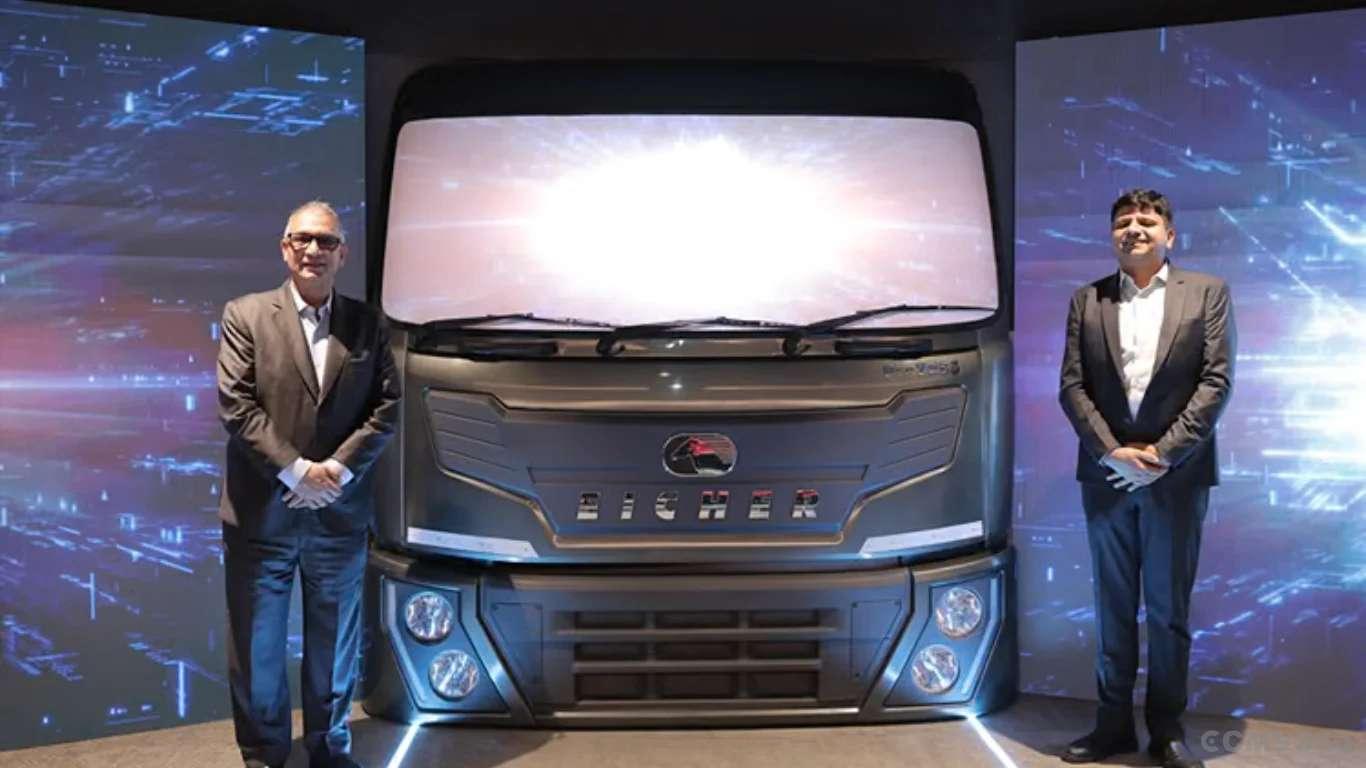
Ashok Leyland has significantly increased its investment in research and development (R&D) to Rs 635.22 crore in FY26, up from Rs 546.22 crore in FY25, as part of its long-term strategy to strengthen its position in the commercial vehicle industry. According to the company's FY26 Annual Report, the R&D investment now accounts for 1.44% of its total turnover.
The higher spending supports the company's "Sprint to Vision" strategy, which focuses on electric vehicles (EVs), software technologies, connected mobility, and alternative fuel solutions. The investment is also aimed at developing new products, improving vehicle technology, and reducing operating costs for customers.
Also Read: Ashok Leyland Expects 5-7% M&HCV Growth in FY27, Launches New AVTR Air Suspension Trucks
Ashok Leyland Strengthens EV Research and Development
To support its growing electric mobility business, Ashok Leyland has established three dedicated Centres of Excellence. These facilities focus on:
Electric motor development
Battery technology
Software for electric and autonomous vehicles
The company has also started building a greenfield battery pack manufacturing plant at Pillaipakkam near Chennai. The new facility will allow Ashok Leyland to manufacture battery packs locally, reducing dependence on imports while improving cost control and strengthening its supply chain for future electric vehicles.
AI and Connected Vehicle Technologies Improve Fleet Performance
Along with electric mobility, Ashok Leyland continues to expand its digital technology capabilities.
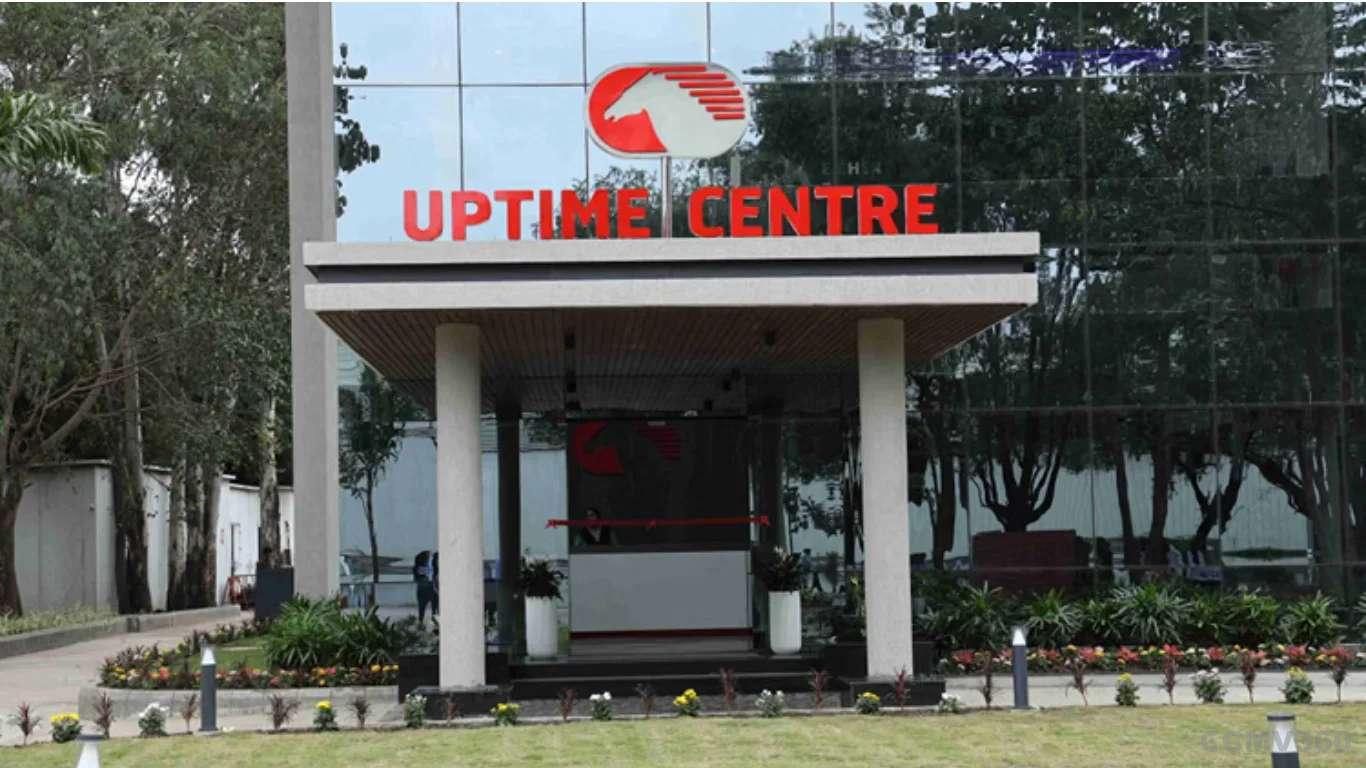
The company's Uptime Solution Centre currently monitors more than 1.7 lakh connected vehicles, processing nearly one terabyte of data every day. This continuous flow of vehicle data creates a "closed loop" between real-world vehicle performance and engineering design, helping improve future products.
Ashok Leyland is also using Artificial Intelligence (AI) for predictive maintenance and advanced safety systems. According to the company, these technologies have delivered double-digit improvements in vehicle uptime while reducing heavy-duty vehicle collisions by 40%. These improvements help fleet operators lower maintenance costs and increase vehicle availability.
Multi-Fuel Strategy Continues Alongside EV Expansion
While electric vehicles remain a major focus, Ashok Leyland is continuing to invest in multiple fuel technologies to meet different transportation needs.
Hydrogen and LNG Vehicles
The company is developing hydrogen-powered and LNG-powered commercial vehicles for long-haul transportation, where battery charging time and battery weight continue to present challenges.
Expanding Electric Truck Portfolio
Ashok Leyland currently offers:
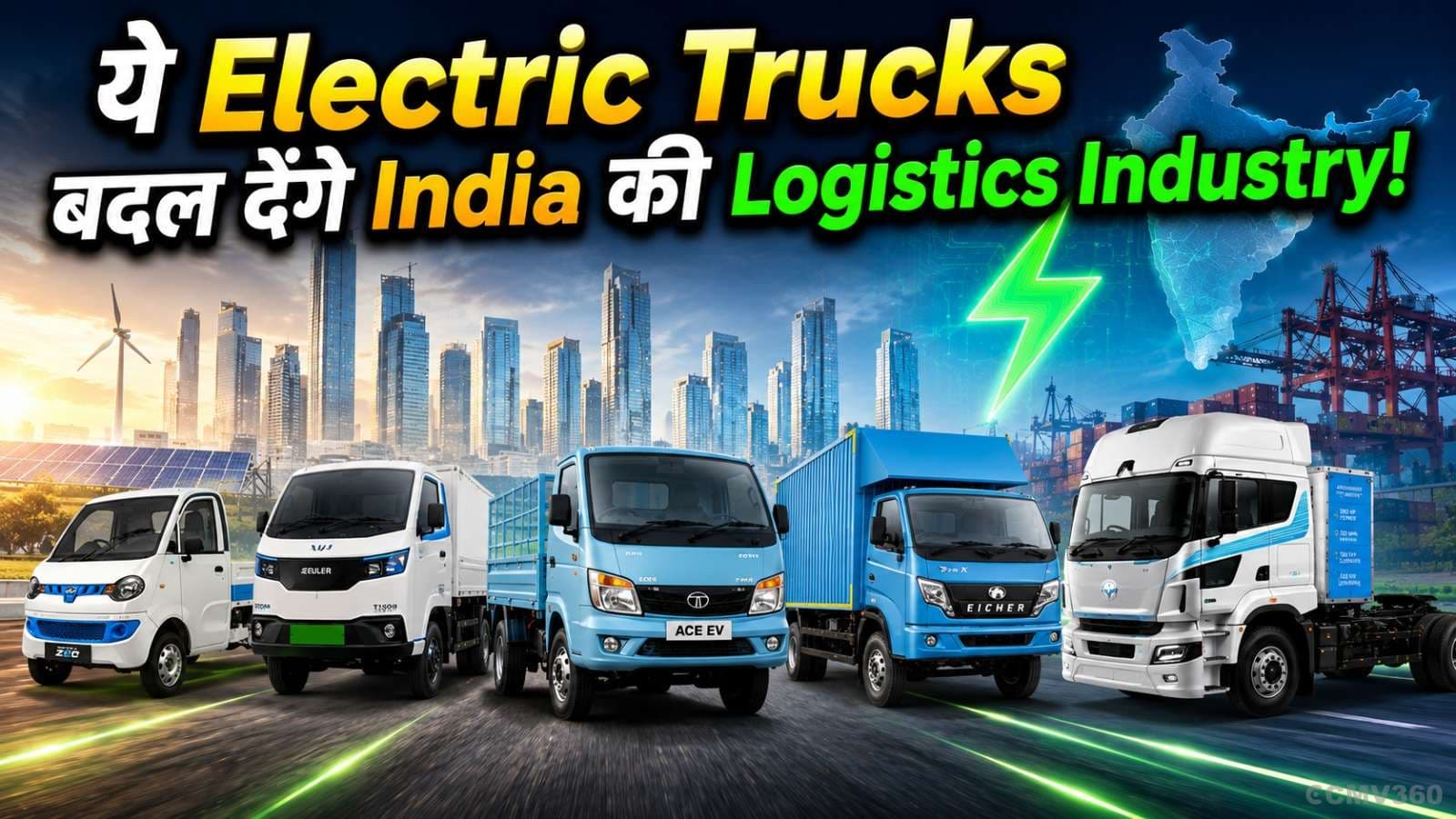
Two light electric truck models
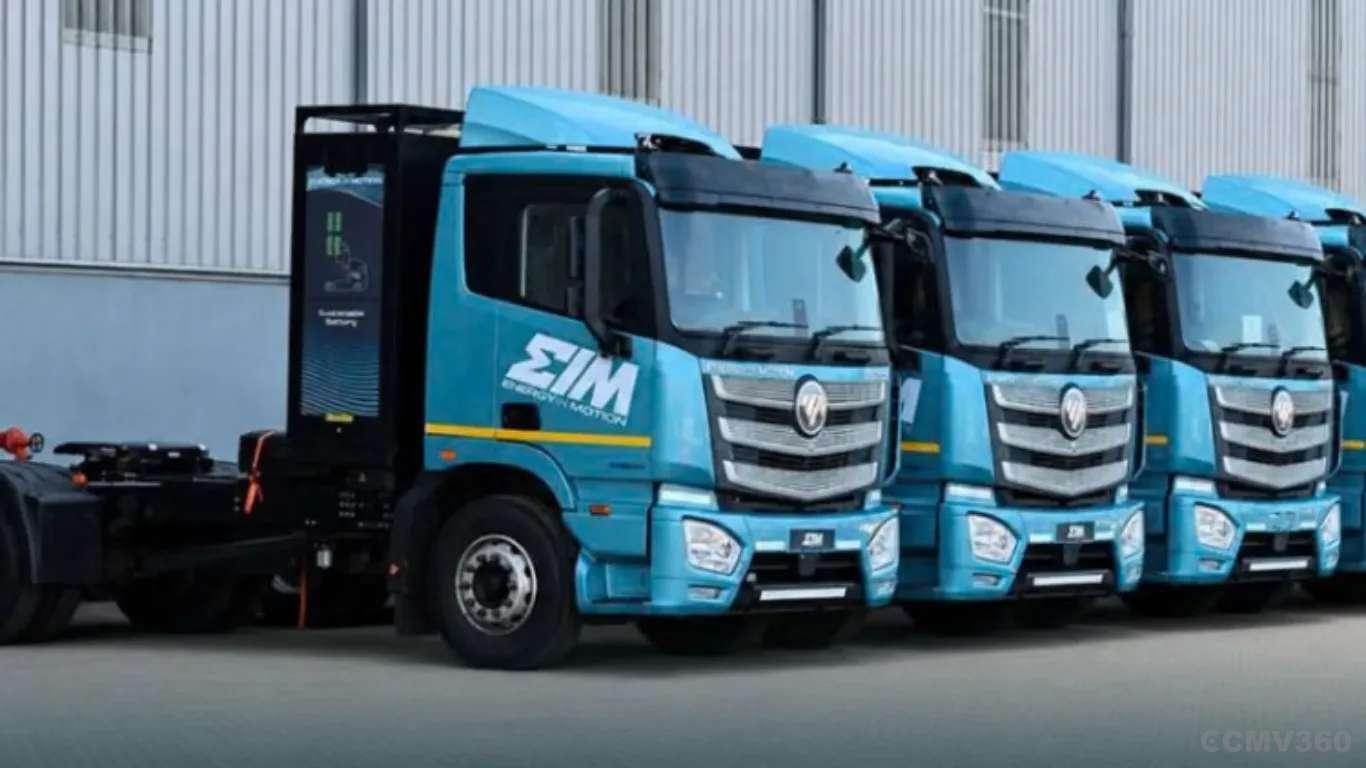
Three medium and heavy electric truck models
The company plans to further expand its electric truck portfolio as demand for zero-emission commercial vehicles grows.
ADAS and In-House Software Development
Ashok Leyland is also investing in Advanced Driver Assistance Systems (ADAS) and developing its own software platforms to improve vehicle safety, enhance driving performance, and meet future regulatory requirements.
Sustainability and Long-Term Growth Plans
The company believes the commercial vehicle industry is entering a period of major transformation, driven by infrastructure development, increasing logistics demand, and the shift toward cleaner transportation.
To support sustainable growth, Ashok Leyland has committed:
25% of its R&D spending to environmental and social technologies.
10% of its capital expenditure toward sustainability-focused initiatives.
The company also remains committed to achieving net-zero emissions by 2048.
Focus on Customer Value and Future Targets
Going forward, Ashok Leyland plans to convert its technology investments into products that improve customers' Total Cost of Ownership (TCO) through better efficiency, lower operating costs, and advanced vehicle technologies.
Alongside its technology roadmap, the company aims to maintain its 30.8% domestic medium and heavy commercial vehicle (MHCV) market share while targeting 25,000 export units in FY27, reinforcing its growth ambitions in both domestic and international markets.
Also Read: Billion Electric Partners with JK Cement to Deploy Over 150 Electric Trucks Across India
CMV360 Says
Ashok Leyland is strengthening its future-ready commercial vehicle strategy through higher R&D investment, expanded electric mobility, AI-driven technologies, and alternative fuel development. With local battery manufacturing, connected vehicle solutions, and a strong sustainability roadmap, the company aims to improve customer value while supporting cleaner transportation. These initiatives are expected to help Ashok Leyland maintain its market leadership, expand exports, and drive long-term growth in the evolving commercial vehicle industry.

Robin Kumar Attri is a content and video professional with 2.7 years of experience in the commercial vehicle d .....