Auto Rickshaw (Three-Wheeler) Rules, Fines & Challans in India 2026
 Add CMV360 on Google
Complete guide to auto rickshaw fines, rules, challans, permits, and top models in India 2026. Compare Delhi, Mumbai, and Bengaluru penalties easily.

By Robin Kumar Attri

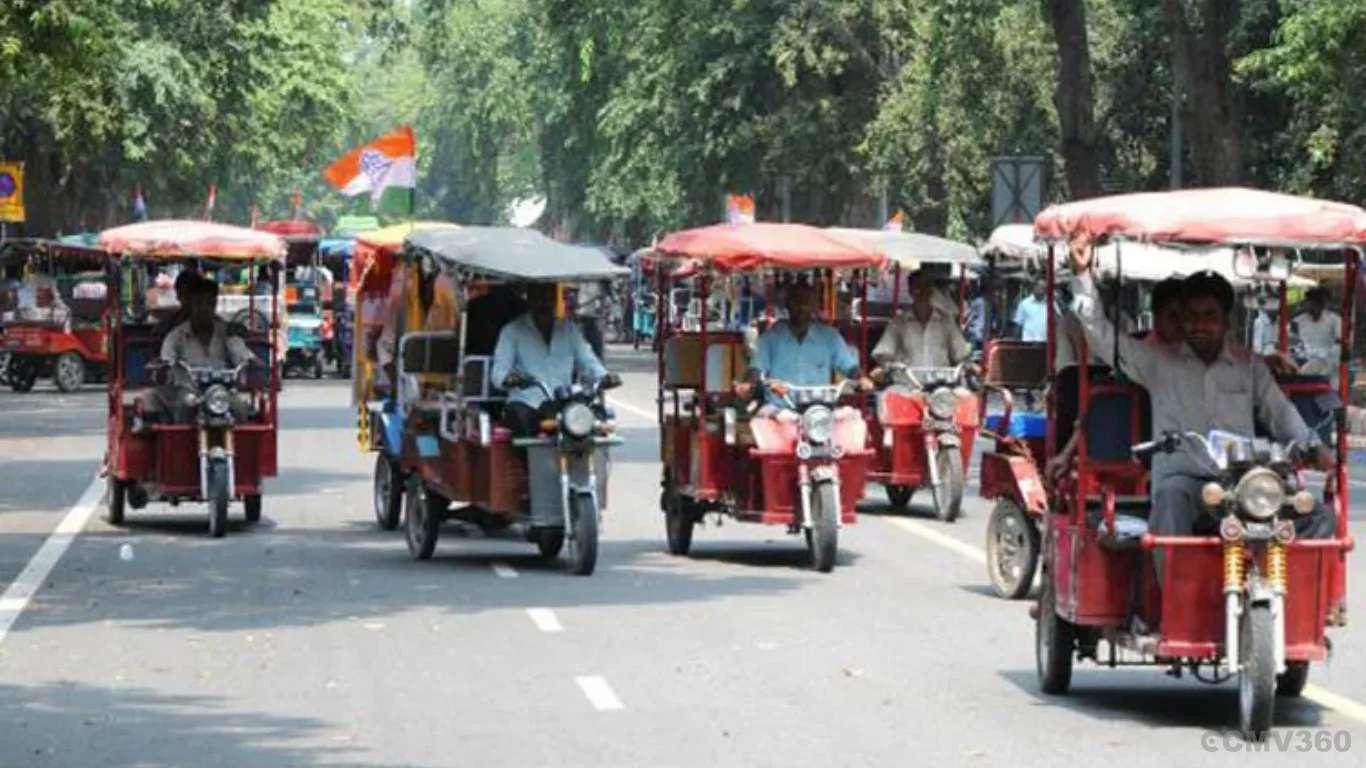
Auto-rickshaws are the backbone of last-mile transport in India. Whether it’s a daily commuter ride in Delhi, a short city trip in Mumbai, or a quick hop in Bengaluru, these three-wheelers play a crucial role in urban mobility. But along with convenience comes responsibility-and in 2026, rules for auto drivers have become stricter, smarter, and more technology-driven.
From AI-based e-challans to stricter pollution norms and permit regulations, auto drivers today must stay fully compliant to avoid heavy penalties. At the same time, buyers looking to invest in a three-wheeler must also understand brands, fuel types, and use cases before entering this segment.
So, what are the real costs of violations across cities? Why do fines differ so much? And which are the best auto-rickshaw models in India today?
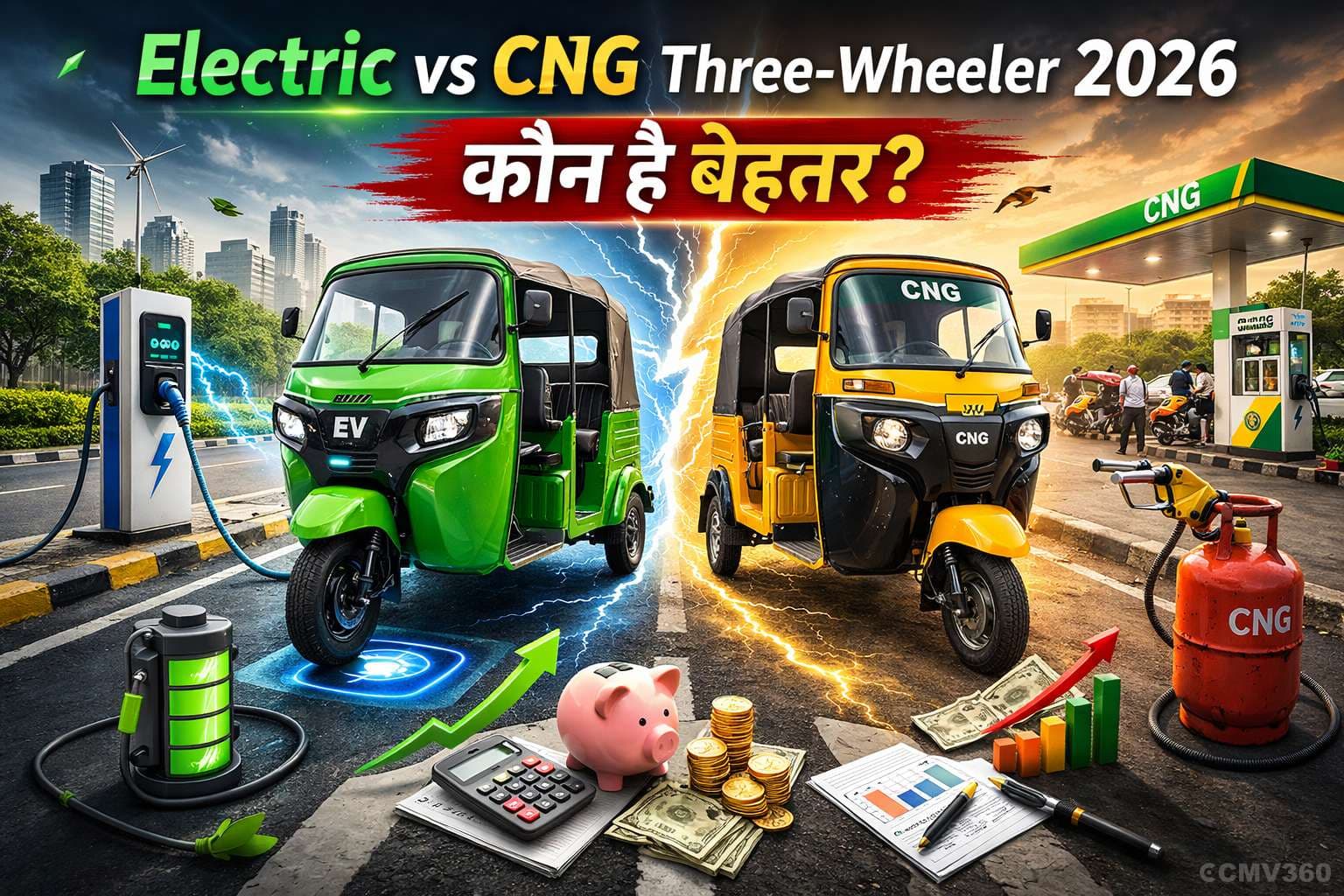
Also Read: Electric vs CNG Three-Wheelers: The Complete 2025 Guide for Urban and Commercial Users
Why Auto-Rickshaw Rules & Models Matter in 2026
The auto-rickshaw segment in India is evolving fast. With growing urban congestion, stricter pollution norms, and digital enforcement systems, the way autos operate has changed significantly.
On one side, authorities are using CCTV cameras, AI tracking, and e-challans to enforce rules. On the other side, manufacturers are offering CNG and electric autos with better mileage, lower running costs, and improved comfort.
Key USPs of Today’s Auto-Rickshaws:
Low running cost (especially CNG & electric)
High demand in urban and semi-urban areas
Easy financing and ownership
Strong resale value
Multiple use cases: passenger + cargo
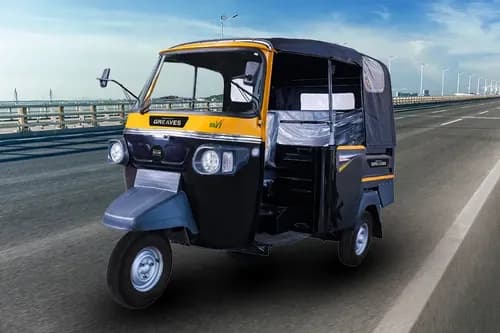
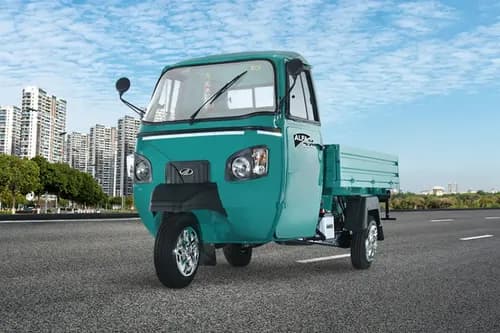
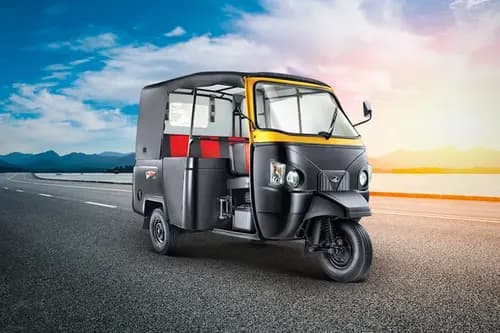
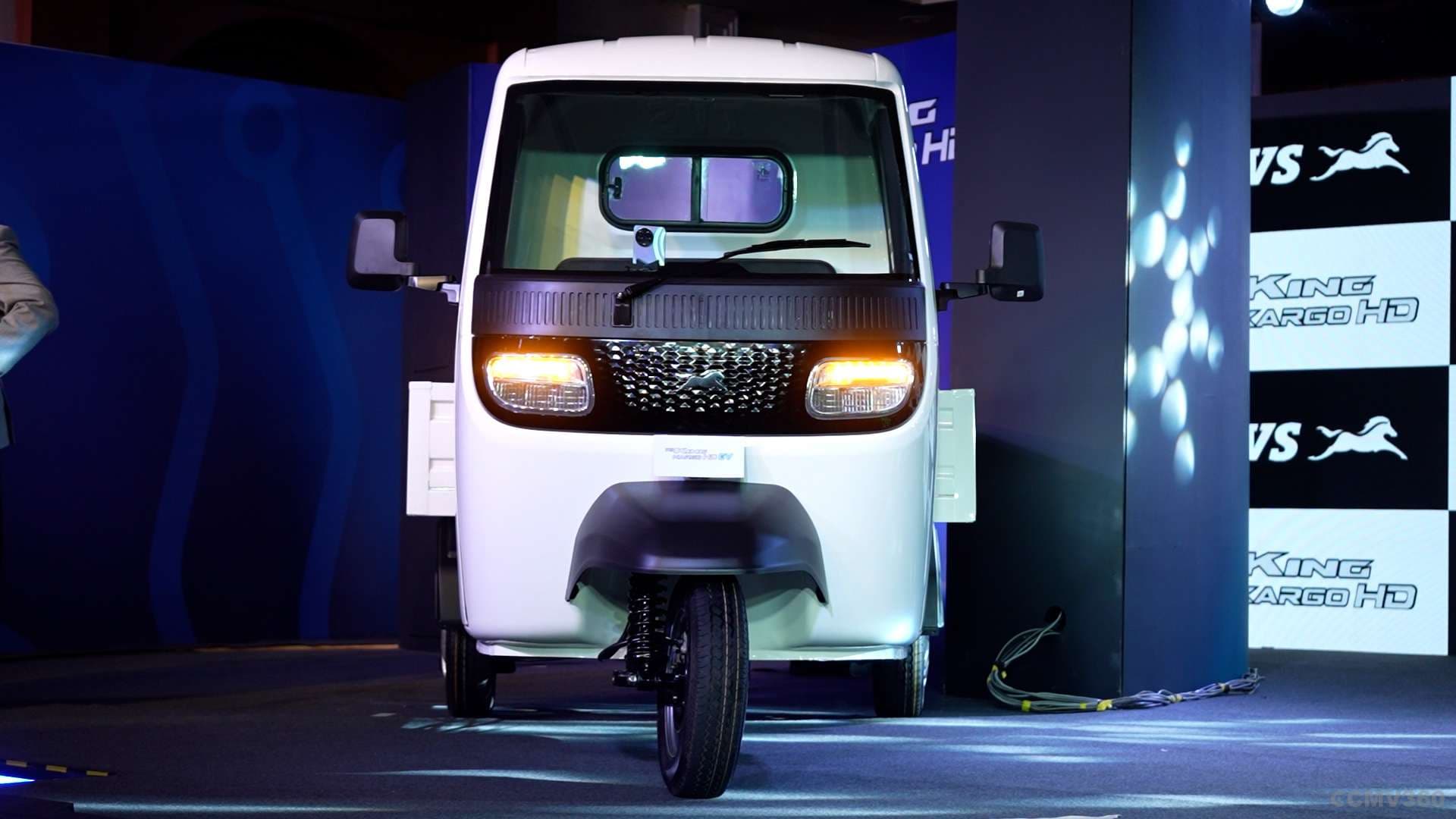
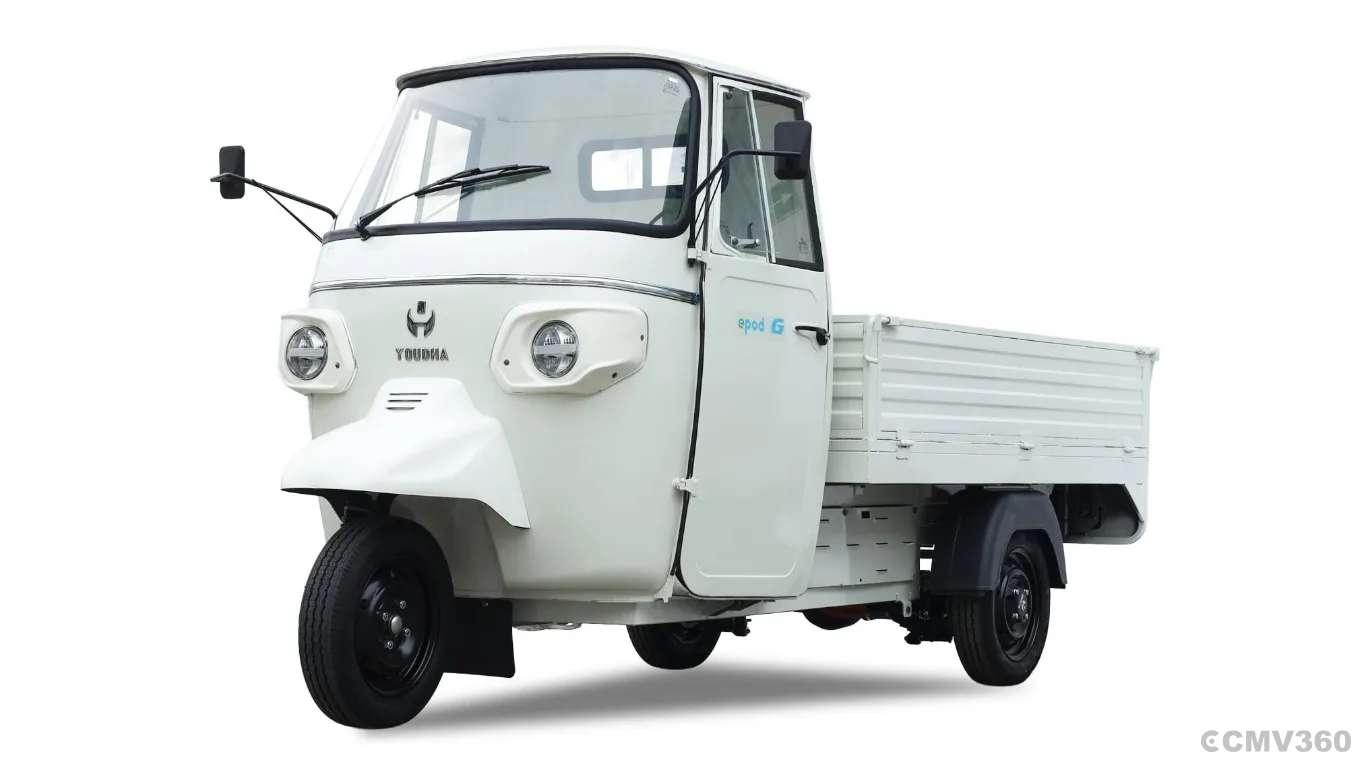
Top Three-Wheeler Brands in India 2026
Popular Three-Wheeler Models in India 2026
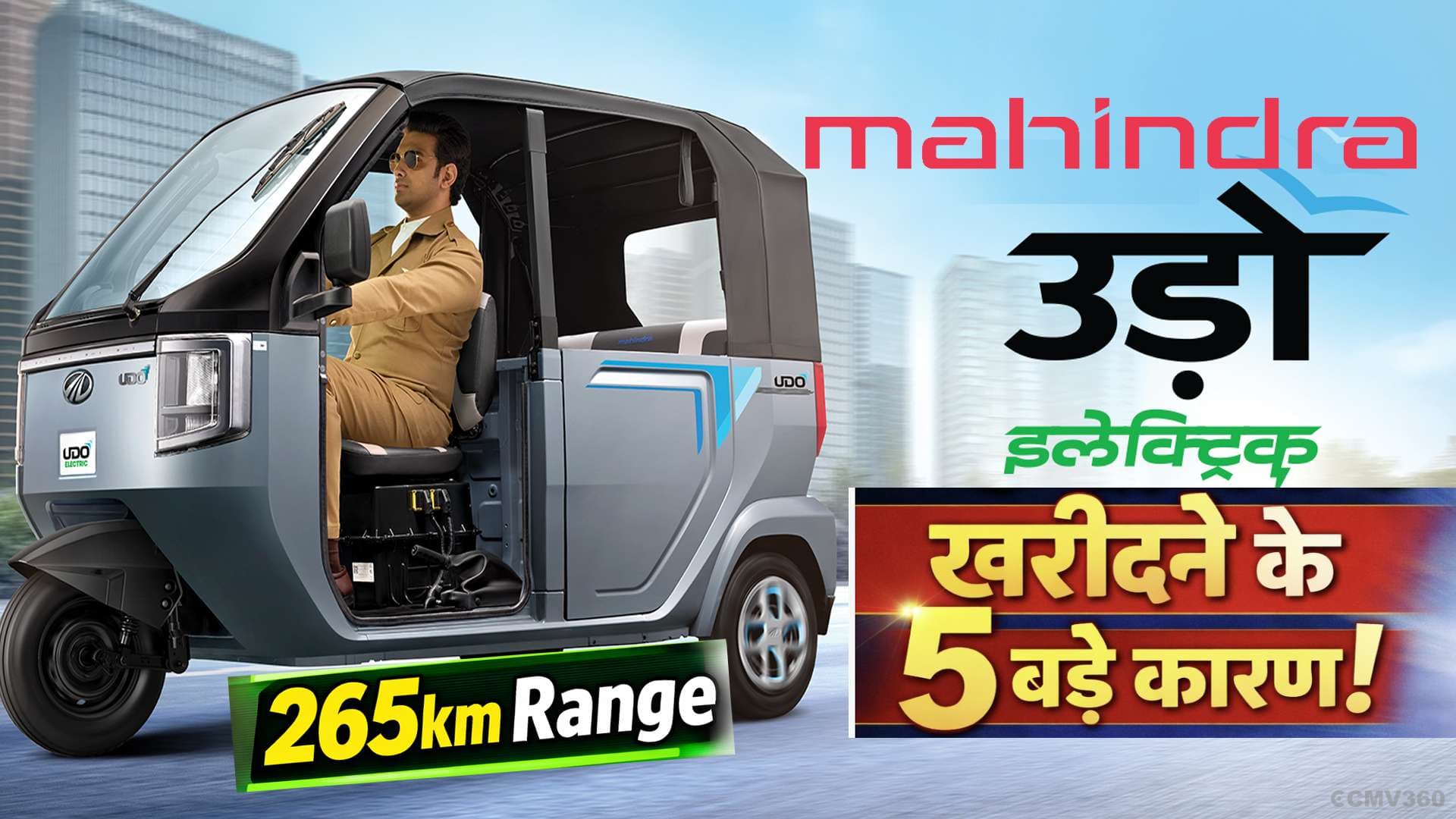
Mahindra Treo (Electric Passenger)
TVS King Deluxe (Petrol / CNG)
But here’s the real question: With rising fines, strict rules, and different city regulations, how do auto drivers and buyers make the right decisions today?
Let’s explore everything in detail.
Types of Auto Rickshaws in India (Fuel + Usage Based)
Three-Wheeler Categories
Type | Use Case | Fuel Options | Popular Models |
Ride-sharing & public transport | CNG, Petrol, Electric | Bajaj RE, Mahindra Treo | |
Goods delivery, logistics | Diesel, CNG, Electric | Piaggio Ape Xtra, Mahindra Alfa | |
Electric Auto | Urban eco transport | Electric | Mahindra Treo, YC Electric |
Fuel-Based Breakdown
1. CNG Autos
Most popular in Delhi & NCR
Low fuel cost
Cleaner emissions
2. Diesel Autos
Used more in the cargo segment
Higher torque for load carrying
3. Electric Autos
Fast-growing segment in 2026
Zero emissions
Government subsidies available
Also Read: Truck Challans and Fines in India 2026
Traffic Rules for Auto Rickshaws in India

Auto drivers must follow strict rules under the Motor Vehicles Act.
Mandatory Requirements:
Valid LMV driving license with auto endorsement
Registration Certificate (RC)
Valid Insurance
PUC Certificate
City-specific permit
Fitness certificate
Meter calibration certificate
Missing any of these can lead to fines from ₹500 to ₹10,000.
Common Traffic Violations & Fines (India 2026)
Major Violations
Violation | Fine |
No permit/license | ₹500 – ₹10,000 |
Overloading | ₹5,000 – ₹10,000 |
No insurance | ₹2,000 – ₹4,000 |
No PUC | ₹10,000 |
Speeding | ₹1,000+ |
Mobile use while driving | ₹5,000 |
Wrong-side driving | ₹500 – ₹1,000 |
Meter tampering | ₹500 – ₹5,000 |
Why Fines Differ: Delhi vs Mumbai vs Bengaluru
Traffic fines vary because each state modifies rules based on:
Traffic density
Pollution levels
Enforcement technology
Local transport policies
City-Wise Fine Comparison
Violation | Delhi | Mumbai | Bengaluru | Post-Appeal Reality |
No Permit | ₹5,000–₹10,000 | ₹2,000–₹10,000 | ₹10,000 | 40–60% less |
Overloading | ₹10,000 | ₹5,000 | ₹15,000 | ₹3,000–₹7,000 |
No Meter | ₹2,000 | ₹5,000 | ₹2,000 | Often waived |
Speeding | ₹1,000 | ₹1,200 | ₹1,000 | 20–50% reduction |
Key Differences Explained
Delhi
Strict pollution rules
Heavy fines for PUC & permits
Strong CCTV enforcement
Mumbai
Focus on fare/meter violations
Lower document fines
High congestion penalties
Bengaluru
Strict on overloading
Higher appeal success rate
Tech-driven enforcement
What Drivers Actually Pay After Appeals

In reality, drivers rarely pay full fines.
Post-Appeal Insights:
70% cases settle at 50% lower fine
25% challans get cancelled due to errors
Average payment: ₹500 – ₹2,000
Lok Adalat 2026 Dates (Important)
Month | Dates |
April | 18–19 |
July | 25–26 |
October | 17–18 |
December | 12–13 |
These help drivers clear challans at discounted rates.
How to Check & Pay E-Challan Online
Step-by-Step Process:
Visit the Parivahan e-challan portal
Enter vehicle number or DL number
View challan details (with photo proof)
Pay via UPI/net banking
Raise a dispute if needed
Important Rules:
Pay within 60 days
Delay can double fine
3 unpaid challans → RC suspension
Documents Required for Auto Drivers
Must Carry Always:
Driving License (LMV)
RC
Insurance
PUC
Permit
Fitness Certificate
Missing documents = heavy fines or vehicle seizure.
Delhi-Specific Auto Rickshaw Rules & Fines
Key Penalties in Delhi
Violation | Fine |
No permit | ₹5,000 + impound |
Overloading | ₹10,000 |
Overcharging | ₹2,000 |
No PUC | ₹10,000 |
Mobile use | ₹5,000 |
Auto Permit & Fare Rules in India
Permit Rules:
Issued by the state transport authority
Limited quotas in cities
Cost: ₹2,500 – ₹25,000
Vehicle age limit: <15 years
Fare Structure (2026)
City | Base Fare | Per KM |
Delhi | ₹35 | ₹10/km |
Mumbai | ₹23 | ₹18/km |
Night charges and surge pricing apply.
Why Drivers Win Challan Appeals
Common Reasons:
Faulty CCTV footage
Wrong vehicle number
Duplicate challans
Proof of compliance
First-time offense
Success rate: 40%–60%

Common Reasons for Auto Seizure in Delhi
No permit
Overloading
No insurance
Repeat violations
Fake documents
Changes After the Motor Vehicles Act (Post-2020)
Key Updates:
Fines increased 5–10x
Digital challan system introduced
AI enforcement added
Repeat offences are penalised heavily
Before vs After Fine Comparison
Violation | Pre-2020 | 2026 |
No Permit | ₹500 | ₹5,000–₹10,000 |
Overloading | ₹300 | ₹5,000+ |
No PUC | ₹500 | ₹10,000 |
Mobile Use | ₹500 | ₹5,000 |
Also Read: How Global Cabin Safety Standards Are Reshaping Indian Trucking
CMV360 Says
Auto-rickshaws remain one of the most practical and profitable vehicle segments in India. But in 2026, operating one is no longer just about driving-it’s about compliance, awareness, and smart decision-making.
From high fines in Delhi to fare-focused rules in Mumbai and tech-driven enforcement in Bengaluru, drivers must stay updated to avoid losses. At the same time, buyers should choose the right model based on fuel type, usage, and city regulations.
The real success today lies in balancing low operating costs with full legal compliance.
Because in this new era of digital enforcement, one mistake can cost more than a day’s earnings, but smart drivers can still maximise profits with the right approach.

Robin Kumar Attri is a content and video professional with 2.7 years of experience in the commercial vehicle d .....