How Global Cabin Safety Standards Are Reshaping Indian Trucking
 Add CMV360 on Google
India’s trucking industry shifts focus to driver safety as global crash standards like ECE R29.03 influence cabin design, reflecting changing priorities in modern freight transport and vehicle engineering.

By Robin Kumar Attri

India’s trucking industry is entering a new phase of transformation. For decades, truck buyers and fleet owners judged vehicles mainly on payload capacity, fuel efficiency, durability, and operating costs. The logic was simple: the more cargo a truck could carry and the more economically it could run, the more valuable it was for business.
But the industry is changing rapidly.
With modern expressways, expanding freight corridors, and higher logistics demand, trucks today operate faster and travel longer distances than before. This has increased the importance of driver safety, especially in the event of a crash. Recognizing this shift, Tata Motors Commercial Vehicles has upgraded the cabin structures across several truck platforms to comply with the globally recognized ECE R29.03 crash safety standard developed under the United Nations Economic Commission for Europe (UNECE).
This move signals more than a technical upgrade. It reflects a broader shift toward globally benchmarked safety engineering in India’s commercial vehicle industry.
Why Cabin Safety Is Becoming a Priority
India’s logistics ecosystem has grown dramatically in the past decade. New highways, expressways, and industrial corridors have increased both the speed and volume of freight movement.
Today, long-haul trucks often travel hundreds of kilometres in a single day, carrying heavy loads across varying terrain and traffic conditions. When accidents occur under such conditions, the forces involved can be severe.
While technologies such as improved braking systems and electronic stability controls help reduce accident risks, the structural strength of the truck cabin plays a crucial role in protecting the driver during a crash.
This has shifted the industry’s focus from simply asking “How strong is the truck?” to a more critical question: “How well does the truck protect the person driving it?”
What the ECE R29.03 Safety Standard Means
The ECE R29.03 regulation is considered one of the most stringent safety benchmarks for commercial vehicle cabins globally. Instead of evaluating just one impact scenario, it tests the overall structural integrity of a truck cabin under multiple severe crash conditions.
Key tests in the regulation include:
Frontal Impact Test: Simulates direct collision scenarios.
Roof Strength Test: Evaluates cabin resistance during rollovers or roof crush situations.
Rear Wall Strength Test: Ensures cargo or structural deformation does not intrude into the driver’s space.
The main objective of the regulation is to ensure driver survival space. Even during severe crashes, the cabin must maintain a protective structure around the driver without excessive deformation.
Meeting this standard requires extensive structural engineering, advanced simulations, and rigorous physical crash testing.
A Portfolio-Wide Safety Upgrade
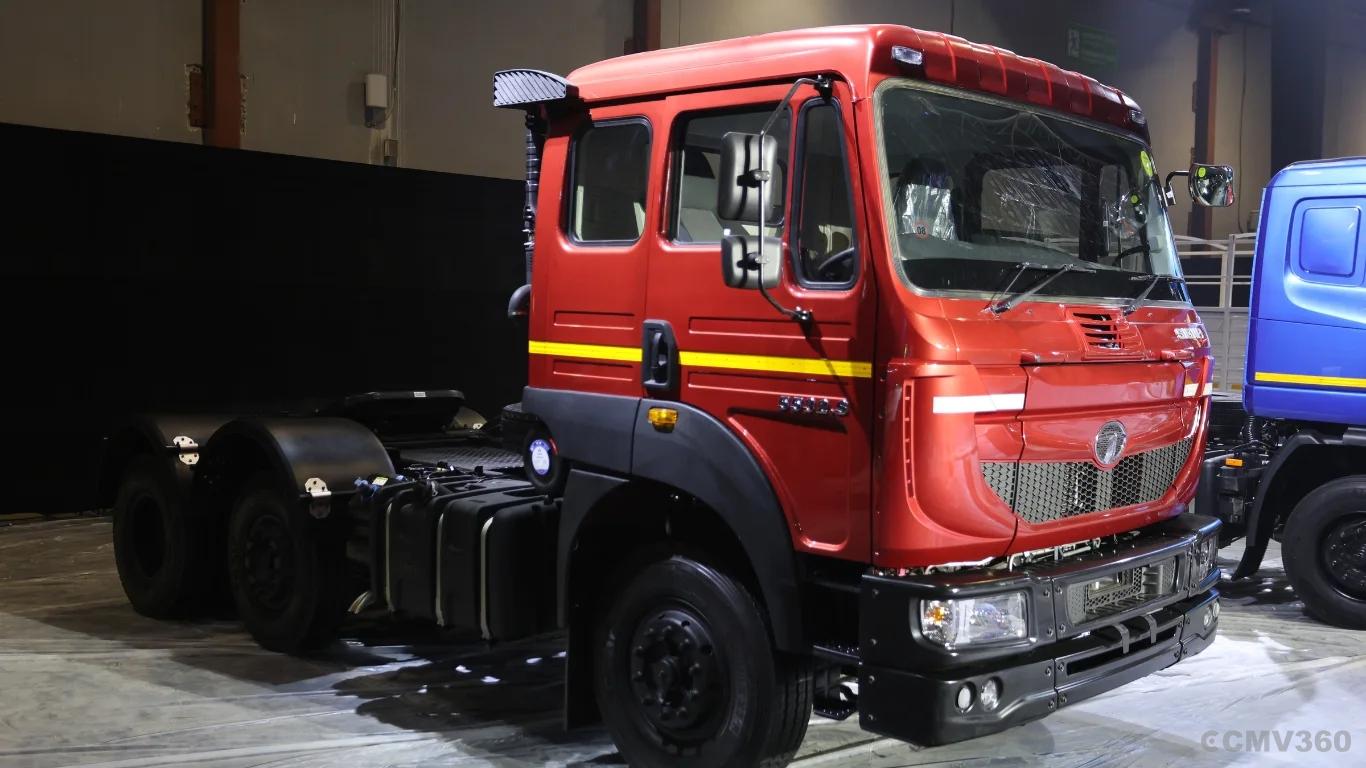
One of the most significant aspects of this development is its scale. Instead of applying the safety upgrade to just a flagship model, Tata Motors has implemented the structural improvements across several key truck platforms:
Tata Ultra
Tata Signa
Tata Prima
Tata Azura
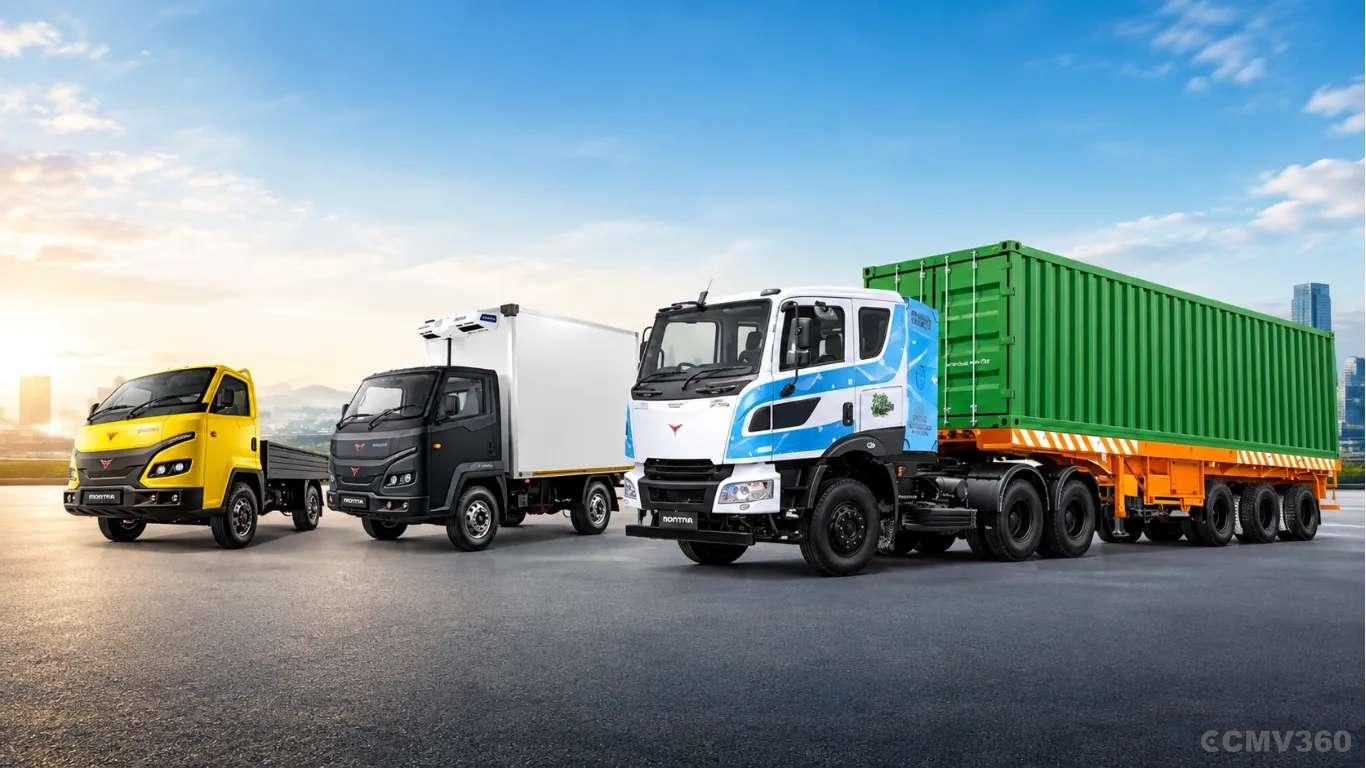
These platforms cover multiple segments of the commercial vehicle market, from urban cargo distribution to heavy long-haul freight operations.
By introducing global crash safety standards across a broad portfolio, the company is effectively raising the safety benchmark across different truck categories in India.
Engineering the “Structural Safety Reset”
The company describes this transition as a “Structural Safety Reset.” Instead of making minor modifications to existing cabins, engineers redesigned the cabin architecture with safety as a core design objective.
Several key engineering improvements support this transformation.
Stronger Cabin Structures: - The cabins are built using stronger materials and reinforced structural components. Critical load-bearing sections are designed to withstand higher impact forces.
Optimised Load Distribution: - During a crash, impact forces must travel through the vehicle in a controlled manner. Engineers redesigned structural load paths so that energy is distributed across the truck frame rather than concentrated in the driver’s area.
Higher Structural Rigidity: - Improved rigidity helps the cabin maintain its shape during collisions or rollovers, acting as a protective shell around the driver.
Preserved Survival Space: - Perhaps the most critical improvement is maintaining adequate survival space inside the cabin even after a severe impact.
Together, these upgrades significantly enhance driver protection in real-world crash scenarios.
Designing for Indian Crash Conditions
Achieving ECE R29.03 certification was only one part of the development process. Engineering teams also studied accident patterns on Indian highways to better understand how crashes typically occur.
This included analyzing:
Collision angles
Impact severity patterns
Common structural deformation zones in trucks
Based on this data, engineers developed additional validation scenarios that simulate real-world Indian crash situations.
These extra tests go beyond regulatory requirements and help ensure that the cabin structures perform reliably under diverse operating conditions across India’s road network.
Safer Trucks for Drivers and Businesses
Improving structural safety in truck cabins benefits both drivers and fleet operators.
For drivers, stronger cabins significantly reduce the risk of serious injury during accidents. Maintaining survival space and improving cabin rigidity can make a critical difference in high-impact situations.
Fleet owners also gain operational advantages. Safer vehicles can reduce accident-related damage, lower downtime, and improve overall fleet reliability.
In addition, safety-focused trucks can help address one of the industry’s biggest challenges: driver retention. When drivers feel safer and more comfortable in their vehicles, companies are more likely to retain skilled operators.
A Turning Point for Indian Truck Safety
India’s commercial vehicle sector is evolving quickly as the country expands its logistics infrastructure. With faster highways and increasing freight movement, safety expectations are also rising.
By aligning truck cabins with globally recognized crash standards and integrating real-world accident research into design, Tata Motors is signalling a broader shift in development philosophy.
Safety is no longer a secondary feature-it is becoming a core engineering parameter that influences vehicle design, operational reliability, and long-term business sustainability.
As the trucking industry adapts to modern transport demands, stronger and safer cabins are likely to become a defining feature of the next generation of commercial vehicles on Indian roads.

Robin Kumar Attri is a content and video professional with 2.7 years of experience in the commercial vehicle d .....