Tractors
Trucks
- Find by Budget
- Find by Type

English
 New Delhi
Diesel vs Electric Trucks in India 2026 compares costs, TCO, subsidies, charging infrastructure, range, and fleet profitability. Discover which option suits urban, mid-haul, or long-distance operations for smarter logistics decisions.

By Robin Kumar Attri

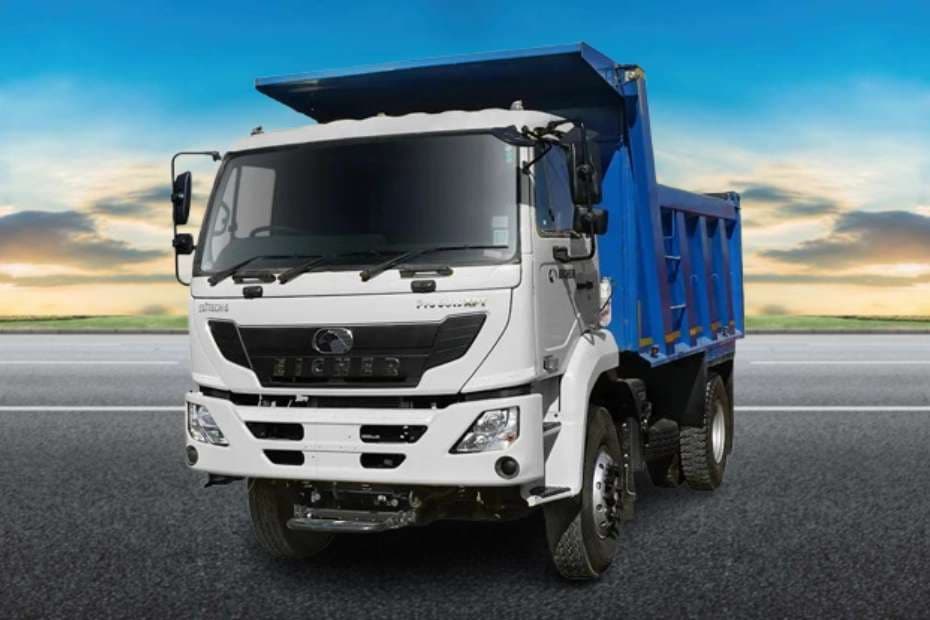
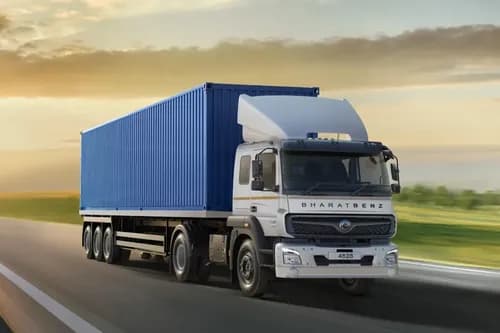
India’s trucking industry is at a major turning point in 2026. For decades, diesel trucks have ruled highways, cities, and rural roads. They are trusted, powerful, and supported by a strong fuel network across the country. Brands like Tata Motors, Ashok Leyland, and Eicher Motors have built strong diesel portfolios across every segment.
But now, electric trucks are entering the scene in a big way.
With rising diesel prices, strict BS-VI emission norms, government subsidies under PM E-DRIVE, and city-level bans like in Delhi-NCR, fleet owners are seriously asking:
Should you continue with diesel trucks, or is it time to switch to electric trucks?
Let’s explore this in a simple, detailed, and practical way.
Also Read: Best Tata Electric Trucks in India 2026
Diesel trucks dominate more than 85% of India’s commercial vehicle market in 2026. They are:
Reliable for long-haul transport (700+ km range)
Easy to refuel anywhere
Powerful for heavy loads
Suitable for rural and highway operations
Their biggest USP is unlimited range flexibility and strong resale value.
However, they face:
High fuel cost (₹3–4/km)
Rising BS-VI maintenance costs
DEF (Diesel Exhaust Fluid) expenses
Emission restrictions in urban zones
Electric trucks are gaining momentum due to:
₹1–2/km energy cost
Zero tailpipe emissions
Lower maintenance
Government subsidies
Urban policy mandates
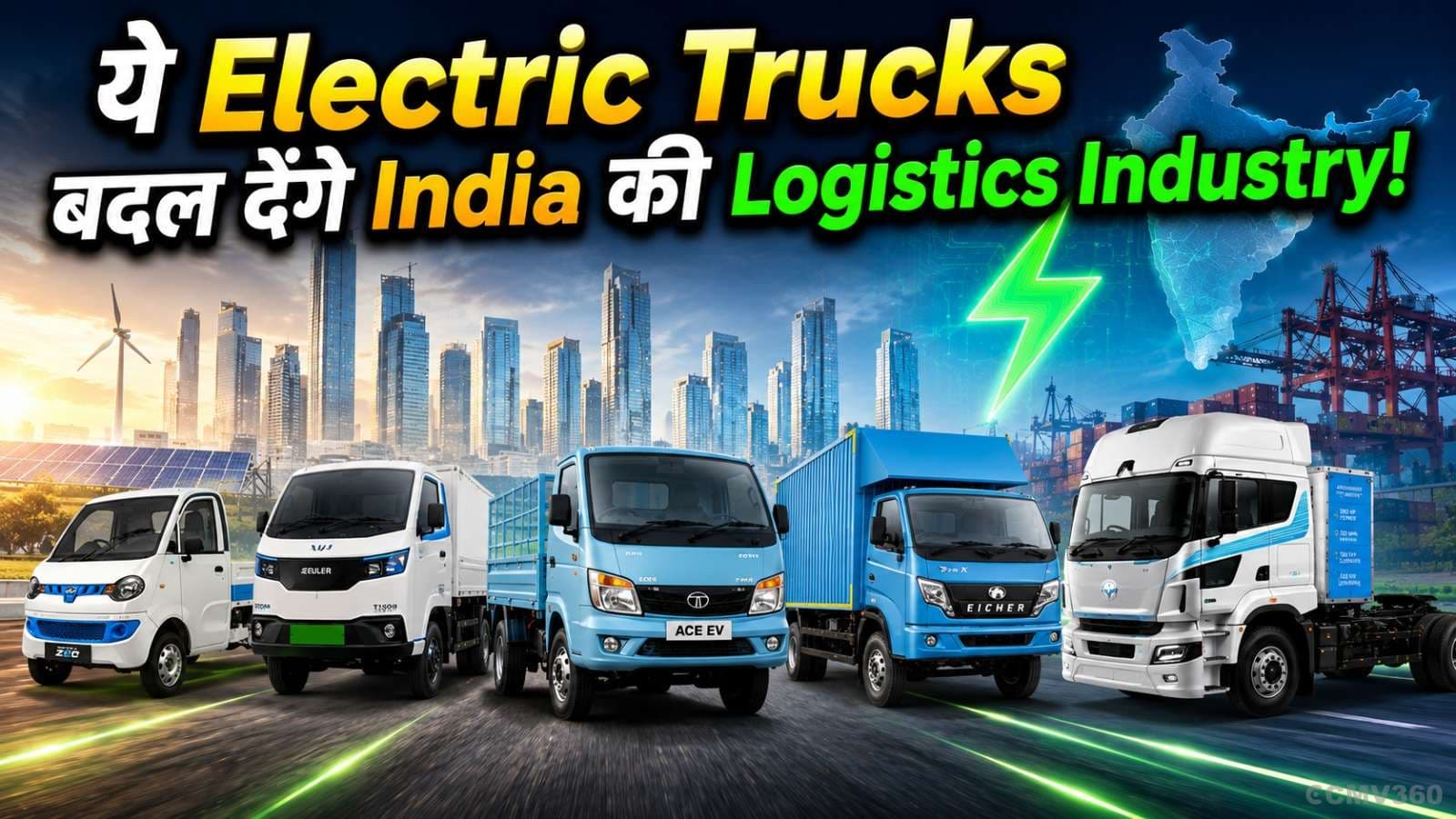
Models like:
Tata Ace EV
Mahindra ZEO
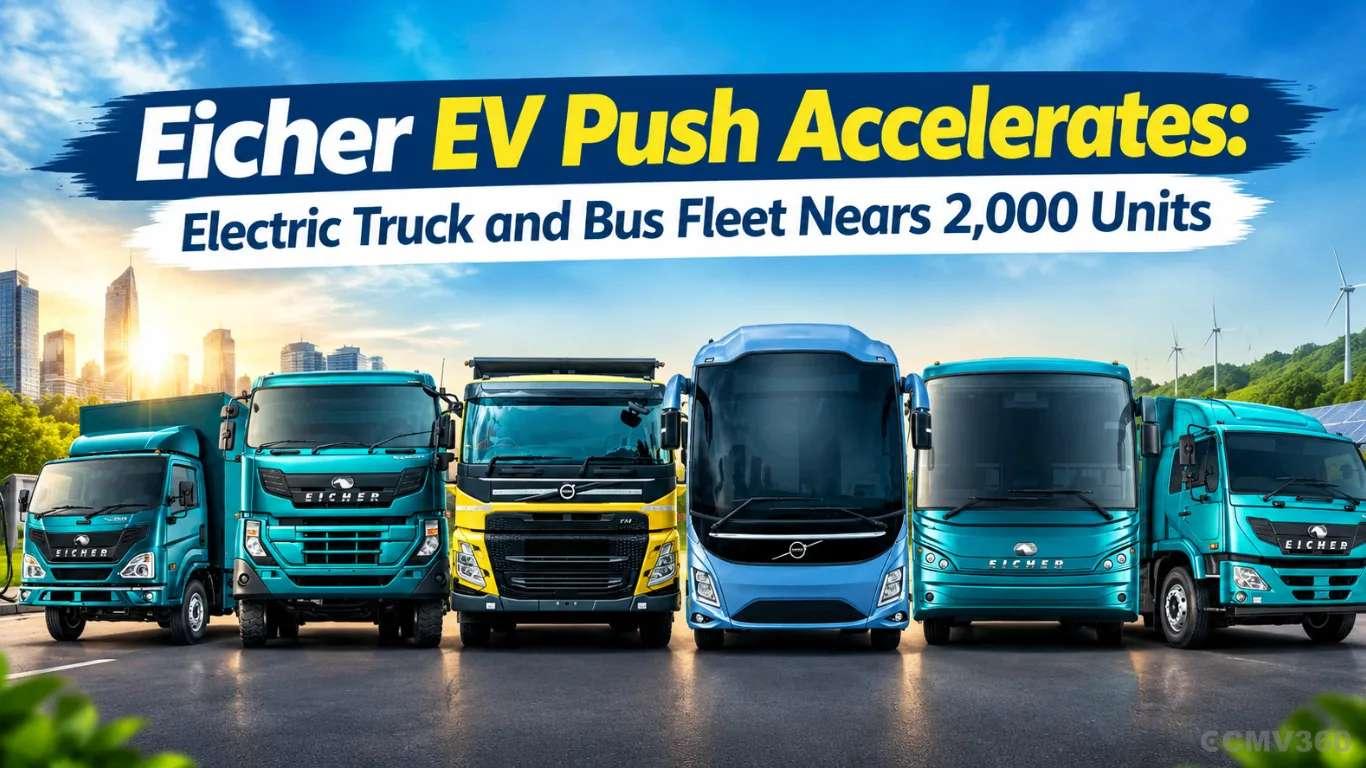
Eicher Pro X EV
are now being adopted by e-commerce, FMCG, and port operators.
65% better energy efficiency
20–40% lower maintenance cost
Subsidies up to ₹9.6 lakh per truck
High upfront cost
Charging infrastructure gaps
Limited range for long-haul
So, which one truly makes financial and operational sense?
India’s truck market mainly revolves around:
Mini Trucks (<3.5T)
Light/Medium Trucks (7–16T)
Heavy Trucks (28–55T)
These segments account for nearly 70% of total logistics movement.
Segment | Diesel | Electric |
Example Model | Tata Ace Gold | Tata Ace EV |
Upfront Cost | ₹6–12 lakh | ₹6.5–11.4 lakh |
Running Cost | ₹3–4/km | ₹1–1.5/km |
Range | Unlimited | 150–180 km |
TCO (5-year) | Higher | 20–30% Lower |
Verdict
For urban logistics under 150 km/day:
Electric trucks clearly win.
Fleet owners save ₹50,000–₹1 lakh per year per vehicle.
Segment | Diesel | Electric |
Example | Diesel Pro Series | Eicher Pro X EV |
Upfront | ₹8–20 lakh | ₹12–18 lakh |
Range | Long-haul friendly | 130–250 km |
Gradeability | Strong | 20–26% |
Parity | Immediate | By 2027 |
Electric trucks in this segment are ideal for:
City-to-city logistics (200 km)
FMCG
Parcel delivery
Depot-based operations
Parity expected by 2027.
Segment | Diesel | Electric |
Upfront | ₹30–80 lakh | ₹1.15 crore+ |
Range | 700+ km | 189 km + swapping |
Parity | Present | 2028–2030 |
Savings | Moderate | 7–12% by 2030 |
Heavy electric trucks are still in the pilot stage.
Best suited for:
Ports
Steel plants
Fixed corridor operations
Electric trucks are 65% more energy-efficient.
Per KM Cost
Diesel: ₹2.5–4/km
Electric: ₹1.5–2.5/km
Category | Diesel (₹) | Electric (₹) |
Engine/Motor | 2.5–3.5L | 0.3–0.5L |
Brakes | 1–2L | 0.2–0.5L |
Emission Repairs | 1–2L | 0 |
Battery/Tires | 0.5L | 0.5–1L |
Total | ₹2–5L | ₹1–3L |
Why is Electric Cheaper to Maintain
No oil changes
No injectors
No turbo
No gearbox
Regenerative braking reduces brake wear
Diesel BS-VI trucks now face 20-30% higher emission repair costs.
Electric trucks reduce GHG emissions by 9-35% per km, even on India’s grid.
They have:
Zero NOx
Zero particulate matter
No tailpipe emissions
In cities like Delhi-NCR, from January 2026:
New diesel fleet vehicles are banned.
Electric trucks align with India’s Net Zero 2070 target.
PM E-DRIVE Scheme
Total Allocation: ₹500 crore
Target: 5,643 trucks
Period: April 2025 – March 2026
Category | Max Incentive |
N2 (3.5–7.5T) | ₹2.7 lakh |
N2 (7.5–12T) | ₹3.6 lakh |
N3 (12–18.5T) | ₹7.8 lakh |
N3 (18.5–35T) | ₹9.6 lakh |
N3 (35–55T) | ₹9.3 lakh |
Conditions:
5-year / 2.5 lakh km warranty
Local battery & motor manufacturing
BMS localization by March 2026
Range & gradeability compliance
States like:
Maharashtra
Gujarat
Uttar Pradesh
Rajasthan
Madhya Pradesh
offer additional tax waivers & interest subsidies.
India currently has:
26,000+ charging stations
1 charger per 235 EVs
25 high-priority freight corridors
9GW highway charging target by 2030
Challenges:
350kW high-power charger demand
₹20-45 lakh setup cost
Rural grid limitations
Peak load stress
However, en route fast charging improves TCO by reducing battery size.
Assumption: 400 km/day
Factor | Diesel | Electric |
Upfront | Lower | 25–37% higher |
Energy Cost | 40–50% total cost | 20–30% |
5-Year TCO | Higher | 7–12% lower |
With Subsidy | – | Parity by 2026 |
Electric trucks become profitable faster when:
Charging infrastructure improves
GVW relaxation (2T extra) applied
Low tariffs (₹4–9/kWh) used
Top 5 Leading States:
Maharashtra – 2,000+ HD chargers
Gujarat – 1,500+ fast chargers
Uttar Pradesh – 1,200+ corridor chargers
Rajasthan – 1,000+ growing network
Madhya Pradesh – 800+ depot charging
These states cover the Golden Quadrilateral and port routes.
Switch immediately to:
Claim subsidies and enjoy 20–30% TCO savings.
Consider:
Use telematics + depot charging.
Pilot Montra Rhino
Use a hybrid diesel-electric
Wait for corridor charging expansion
Fleet owners should:
Match battery to daily route
Avoid oversizing
Use en-route charging
Plan depot charging at night
Use predictive maintenance telematics
Right battery sizing shifts TCO parity 2–4 years earlier.
Choose Diesel If:
You operate 500–800 km daily
Rural charging unavailable
Short-term capital constraints exist
Choose Electric If:
You run under 250 km daily
Operate in urban zones
Want 20–40% maintenance savings
Need policy compliance
Aim for green logistics contracts
Also Read: Top 10 Buses in India 2026
Diesel trucks still dominate highways in 2026, but electric trucks are clearly winning in urban and mid-haul logistics. With strong government subsidies, rising diesel costs, BS-VI maintenance burdens, and city bans, electric trucks are no longer experimental-they are financially viable for the right routes.
The real question is no longer “Diesel or Electric?”
It is if your route is ready for electric profitability?
For fleet operators who plan smartly, size batteries correctly, use subsidies, and operate within 200–300 km daily routes, electric trucks are not just cleaner, they are cheaper, smarter, and future-proof.

About the author
Robin Kumar Attri is a content and video professional with 2.7 years of experience in the commercial vehicle domain. At CMV360, he creates news articles and videos covering trucks, tractors, buses, three-wheelers, and infrastructure machines.


 Add CMV360 on Google