Tata Motors Eyes India Launch of Iveco Mining Tippers and Daily Minibuses Under Global Synergy Plan
 Add CMV360 on Google
Tata Motors plans India launch of Iveco mining tippers and minibuses, focusing on global synergies, cost savings, technology sharing, and expanded market reach post acquisition.

By Ved Yadav

Key Highlights
Tata Motors may launch Iveco mining tippers and Daily minibuses in India.
Move targets entry into premium commercial vehicle segment with low cannibalisation.
Plans for cross-badging and expansion in Latin America and other global markets.
Supply chain optimisation by shifting sourcing from Western to Eastern Europe for cost savings.
Strong global synergy with shared tech platforms, distribution, and financing networks.
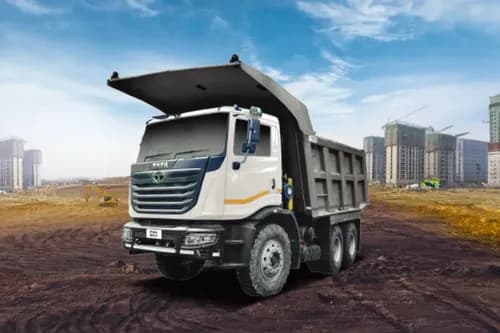
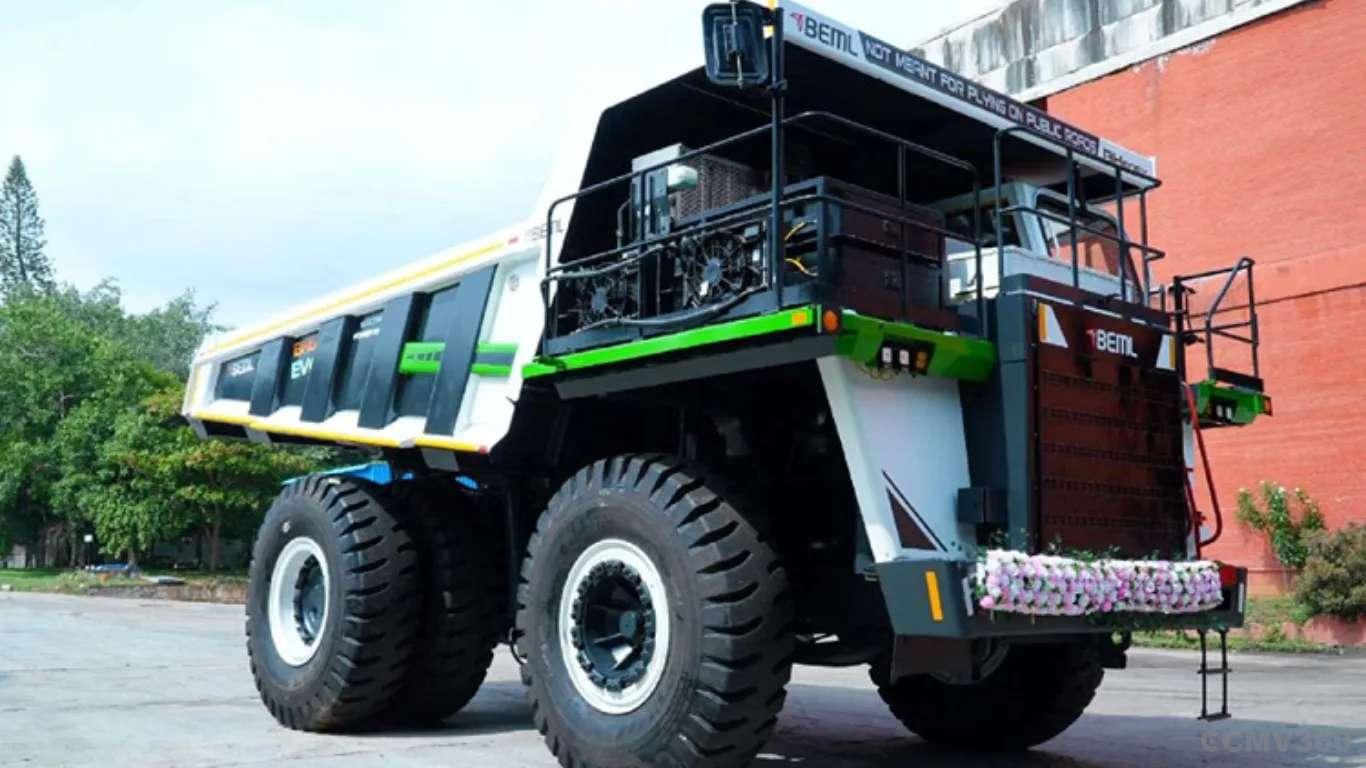
Tata Motors Limited is planning to bring select high-end commercial vehicles from Iveco into the Indian market, including deep mining tippers and the Iveco Daily minibus. The move is part of a broader strategy following the proposed acquisition, aimed at strengthening product offerings, improving global efficiency, and unlocking cross-market growth opportunities.
Focus on Premium Commercial Segments in India
According to Girish Wagh, MD & CEO of Tata Motors commercial vehicle business, the company is evaluating the introduction of Iveco’s mining tippers and Daily minibuses in India.
These products sit in a higher price range compared to Tata Motors existing portfolio, which means there is minimal risk of internal competition or cannibalisation. Instead, they will help Tata Motors expand into premium and specialized commercial vehicle segments in India.
Two-Way Market Expansion Strategy
Tata Motors also plans to export its own commercial vehicle portfolio to Iveco’s strong global markets, especially in Latin America.
To maximise reach and flexibility, the company is open to cross-badging and multi-brand strategies depending on regional market needs. This approach is expected to help both companies strengthen presence in different geographies without major structural duplication.
Supply Chain Shift for Cost Efficiency
A key part of the integration plan is improving operational efficiency. Tata Motors is exploring supply chain restructuring within Iveco, especially by reducing sourcing from Western Europe and shifting it to Eastern Europe.
This change is expected to significantly reduce costs, following similar strategies used by other European OEMs. The goal is to generate major operating expense savings without disrupting production flow.
Manufacturing to Stay Regional, Not India-Centric
While Tata Motors is expanding its global footprint, there are no immediate plans to shift Iveco manufacturing to India.
Instead, production will continue to use Iveco’s established manufacturing hubs in Brazil and Argentina for localised supply in their respective regions.
Shared Technology Platforms for Future Growth
The integration will focus heavily on common technology development across four major areas:
Autonomous driving systems
Connected vehicle technologies
Electrification platforms
Software-defined vehicle architectures
The companies also plan to apply Tata Motors’ “design-to-value” methods in the European operations to reduce costs and improve efficiency.
Strong Synergy with Tata Daewoo and Engine Integration
The integration will also include Tata Daewoo as part of a triaxial global strategy.
This is particularly important for powertrain alignment, as Tata Daewoo currently relies heavily on engines from FPT Industrial, which is owned by Iveco.
By aligning development across Tata Motors, Iveco, and Tata Daewoo, the group aims to achieve greater scale in global supply chains and improve product efficiency.
Strengthening Distribution and Financing Networks
One of the biggest advantages of the deal is access to strong distribution systems.
Iveco brings an established sales and distribution network in Europe and Latin America, which Tata Motors sees as a key asset. The company also plans to tap into Iveco’s retail financing channels, which play a crucial role in commercial vehicle sales.
In return, Iveco will gain access to Tata Motors’ strong presence in India, Africa, and the SAARC region, creating a balanced exchange of market reach.
Deal Timeline and Regulatory Approvals
The acquisition is expected to be completed by Q2 FY27. However, Tata Motors has already completed significant preparatory work for integration.
Final approval is still pending from regulatory authorities in France and Spain. Once cleared, the company expects to move quickly with implementation.
Girish Wagh noted that the groundwork is already well advanced, stating that the company is in a strong position to execute the transition smoothly.
CMV360 Says
The Tata Motors-Iveco partnership marks a major step toward building a more globally integrated commercial vehicle ecosystem. With shared technology platforms, optimized supply chains, and expanded market access, the deal aims to create long-term value across India, Europe, Latin America, and other key regions while strengthening Tata Motors’ position in the premium commercial vehicle segment.

Hi! I'm Ved. At CMV360, I bring you the latest updates on tractors, agriculture, infra, and commercial vehicle .....