Ashok Leyland to Invest ₹1,000 Crore in FY27 to Expand EV, Battery and Alternate-Fuel Business
 Add CMV360 on Google
Ashok Leyland will invest up to ₹1,000 crore in FY27 to expand battery manufacturing, EVs, hydrogen, LNG, CNG technologies and strengthen commercial vehicle growth.

By Robin Kumar Attri

Key Highlights
₹800-1,000 crore investment planned for FY27
Battery-pack manufacturing facility to expand in Tamil Nadu
EV trucks have covered 1.8 lakh km on Chennai-Bengaluru route
Switch Mobility posted ₹1,807 crore revenue and ₹104 crore PAT
Record FY26 revenue of ₹44,007 crore and 2,20,437 CV sales
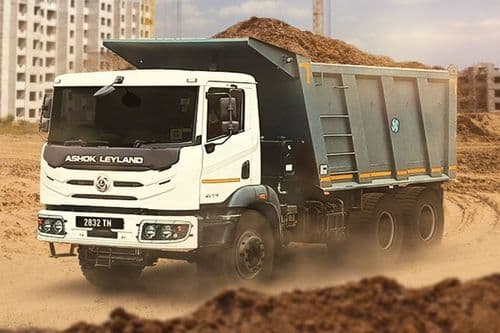
Ashok Leyland is set to invest ₹800-1,000 crore during FY27 to strengthen its electric vehicle (EV), battery manufacturing and alternate-fuel technology business. The investment will be broadly in line with the company's ₹1,050 crore capital expenditure in FY26, but the focus will now shift from building infrastructure to scaling commercial deployment and improving profitability.
The commercial vehicle manufacturer aims to strengthen its presence across the complete EV ecosystem while making electric mobility more practical and cost-effective for fleet operators.
Also Read: Ashok Leyland July 2026 Sales: Commercial Vehicle Sales Jump 40% YoY to 17,129 Units
Focus on Battery Manufacturing and EV Ecosystem
A major part of the investment will go towards Ashok Leyland's battery-pack manufacturing facility in Tamil Nadu. The company expects this plant to reduce dependence on imported battery systems, improve supply-chain resilience and lower the cost of electric commercial vehicles as production volumes increase.
Company officials said Ashok Leyland is expanding its footprint across the EV ecosystem to better serve the rapidly growing electric mobility market.
Battery Costs Remain a Challenge
Although battery prices are expected to decline over the long term, recent price fluctuations have created challenges for manufacturers. Ashok Leyland said truck and bus makers have largely absorbed these changing costs instead of passing them on to customers, helping keep EV prices competitive.
New Business Models to Speed Up EV Adoption
Ashok Leyland is also working on innovative operating models to encourage faster EV adoption.
Through its wholly owned subsidiary Ohm Mobility, the company is already offering Mobility-as-a-Service (MaaS) solutions. It is also evaluating:
Battery-as-a-Service (BaaS), where customers pay for battery usage instead of purchasing the battery upfront.
Battery swapping for trucks operating in ports and mining locations, where vehicles follow fixed routes and quick battery replacement is practical.
Megawatt-scale fast charging, which can significantly reduce charging time for heavy commercial vehicles.
These models aim to reduce the initial ownership cost and improve the economics of electric fleets.
Strong Financial Position Supports Future Investments
Ashok Leyland's investment plans are backed by a healthy financial position.
During FY26, the company achieved:
Record revenue of ₹44,007 crore, up 13.6% year-on-year
Highest-ever commercial vehicle sales of 2,20,437 units
Net cash balance of ₹5,899 crore
This strong balance sheet gives the company the flexibility to invest in future technologies and expand its business.
Electric Trucks Moving Beyond Pilot Projects
Ashok Leyland believes electric trucks are now becoming commercially viable for selected transport applications.
According to the company, electric tractor-trailers have already achieved total cost of ownership (TCO) parity in certain cement, steel and mineral transportation operations. However, wider adoption will depend on better charging infrastructure, easier financing and improved fleet economics.
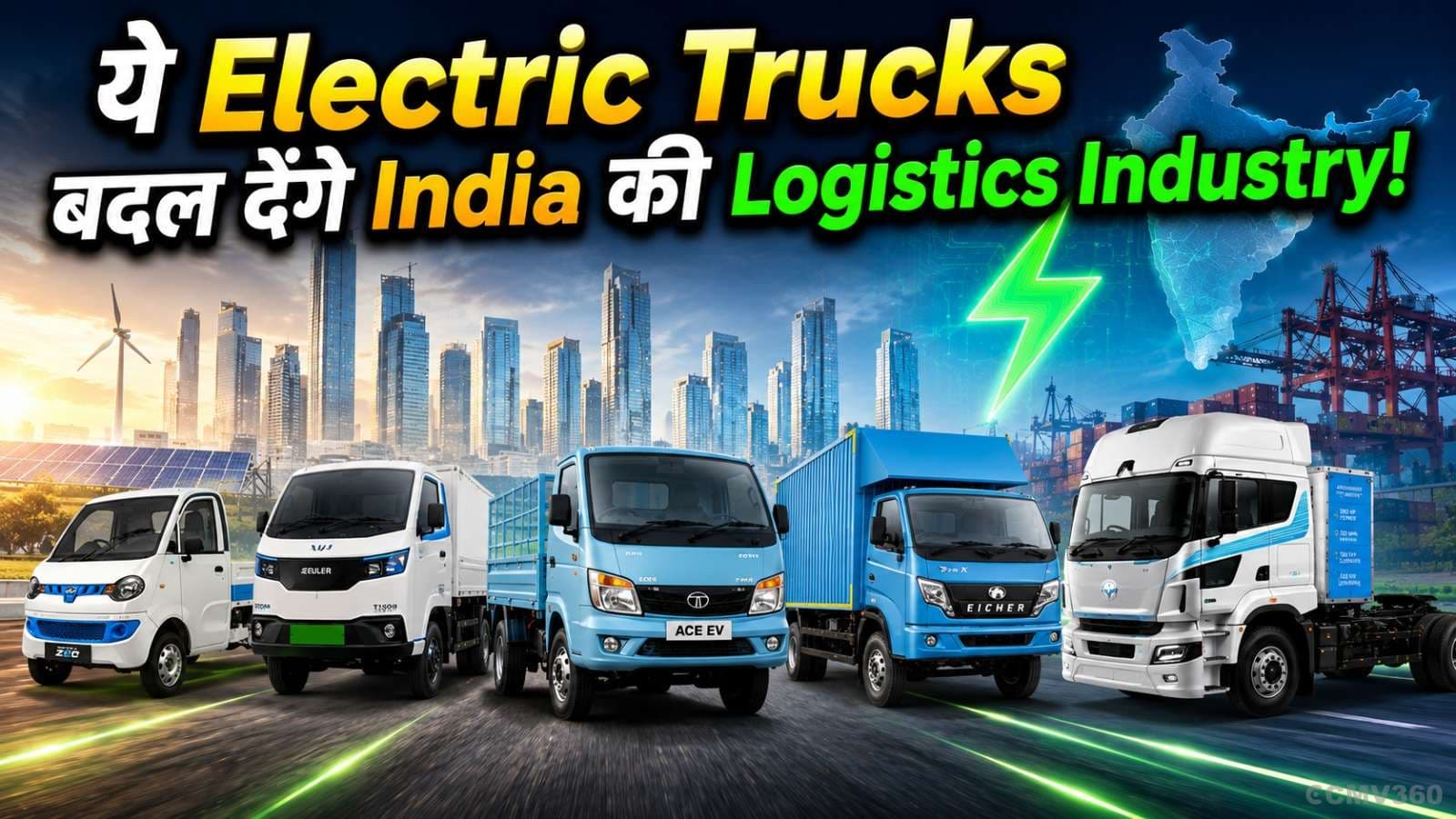
The company has already deployed more than 20 electric trucks on the Chennai-Bengaluru corridor. These trucks have collectively covered 1.8 lakh kilometres, serving industries such as:
E-commerce
Pharmaceuticals
Automotive
Retail logistics
Ashok Leyland said the deployment was designed to collect performance and reliability data, refine vehicle specifications and understand ecosystem requirements before large-scale rollout.
Switch Mobility Continues Strong Growth
Ashok Leyland's EV subsidiary Switch Mobility India delivered strong financial and operational performance during FY26.
Key highlights include:
Revenue: ₹1,807 crore
Profit After Tax (PAT): ₹104 crore
Electric bus volumes increased 238%
Electric light commercial vehicle sales grew 56%
The company noted that Switch Mobility has become profitable at a time when many EV companies are still focused mainly on increasing sales volumes.
Multi-Fuel Strategy Remains a Priority
Ashok Leyland is not relying on a single clean-energy technology. Instead, it is pursuing a multi-fuel strategy to meet different customer requirements.
Along with battery-electric vehicles, the company is expanding its:
LNG truck portfolio
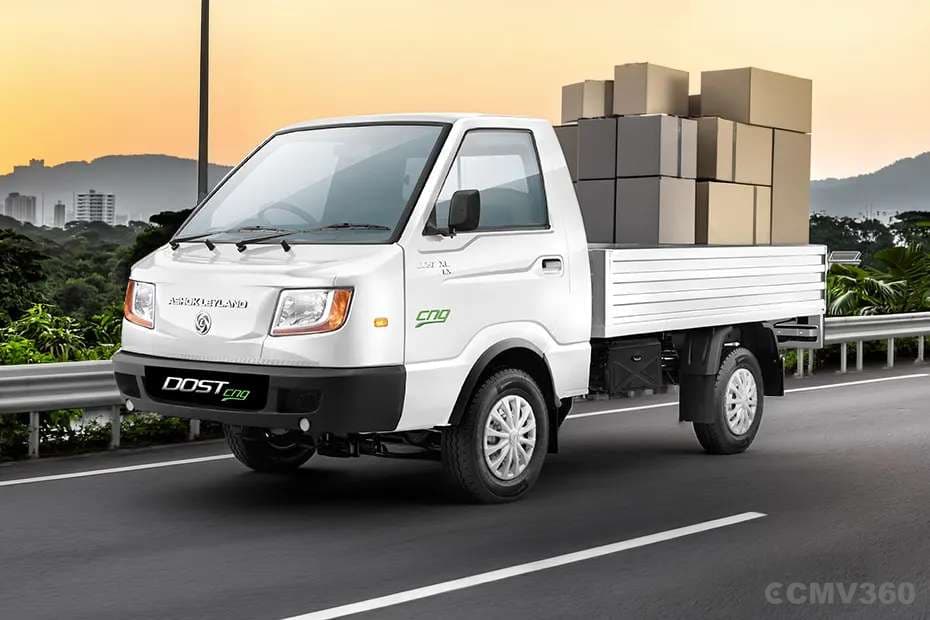
CNG vehicle range
Long-haul applications using lightweight composite cylinders
Hydrogen also remains a long-term priority. The company currently has:
Hydrogen buses operating in Leh-Ladakh
More than 20 hydrogen internal combustion engine (H2-ICE) vehicles deployed with Reliance
This diversified approach allows Ashok Leyland to cater to various transport segments based on operational needs and fuel availability.
Overseas Business Also Expanding
The FY27 investment programme will also support Ashok Leyland's international growth plans.
In FY26:
Overseas vehicle shipments rose 18.5%
Export volumes reached a record 18,082 units
The company plans to further expand its presence in ASEAN and Gulf markets through local assembly operations and distribution partnerships.
FY27 Focus: Building a Profitable EV Business
Ashok Leyland's FY27 strategy goes beyond simply launching cleaner vehicles. The company now aims to prove that battery manufacturing, electric mobility and alternate-fuel technologies can become commercially sustainable at fleet scale.
By investing in battery production, charging solutions, new ownership models and multiple fuel technologies, Ashok Leyland is positioning itself to support the future transition of India's commercial vehicle industry while ensuring long-term profitability for fleet operators.
Also Read: Keto Motors Urbanova KE9 Electric Bus Launched in India, ₹300 Crore Telangana Expansion Announced
CMV360 Says
Ashok Leyland's planned investment of up to ₹1,000 crore in FY27 highlights its long-term commitment to electric and alternate-fuel commercial vehicles. Backed by strong financial performance, the company is focusing on battery manufacturing, innovative ownership models, hydrogen, LNG and CNG technologies while expanding exports. The next phase will be about proving that these cleaner transport solutions can deliver reliable performance and profitable operations for fleet customers at a large scale.