Tractors
Trucks
- Find by Budget
- Find by Type

English
 New Delhi
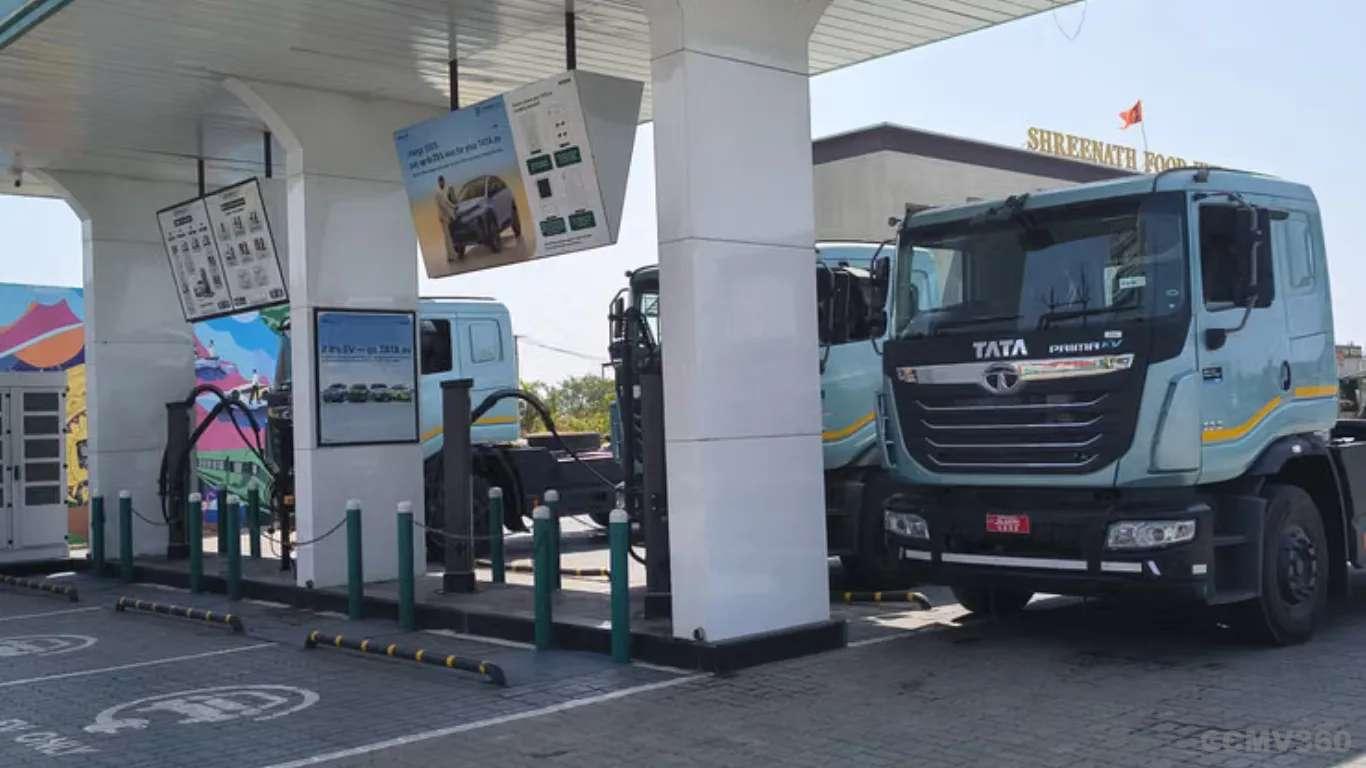
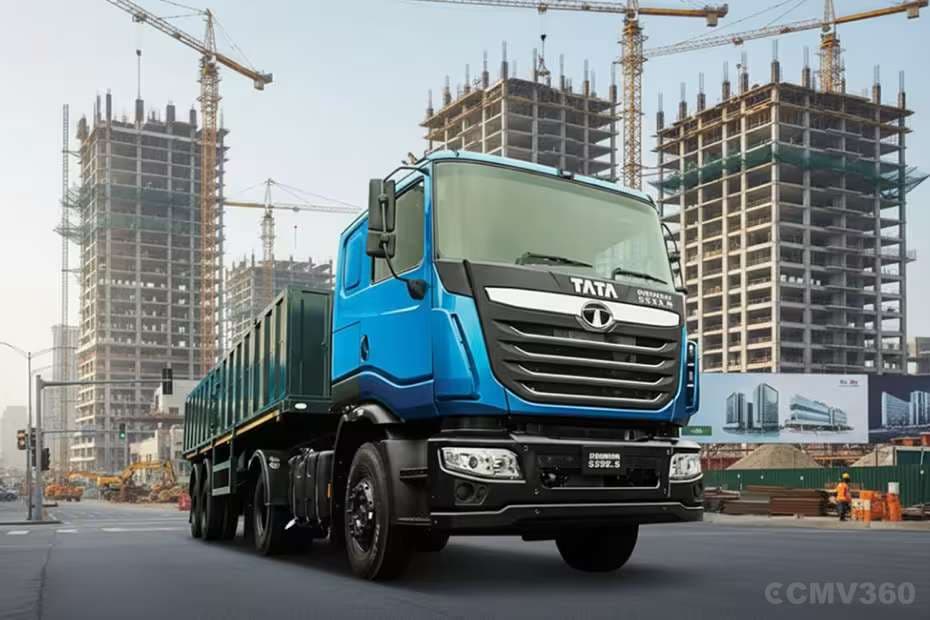
Tata Motors believes that hydrogen powertrains have enormous potential for medium-to heavy-duty vehicles.

By Priya Singh
Key Highlights:
To achieve net zero hydrogen-based technologies, Tata Motors Ltd., the largest manufacturer of commercial vehicles in India, is developing three hydrogen-powered alternatives.
The manufacturer believes that hydrogen powertrains have enormous potential for medium-to heavy-duty vehicles used in long-distance and intercity transportation.
In India, hydrogen-powered vehicles are still in the early stages, with companies now doing technology testing.
According to a presentation presented for Investor Day 2024, the three options are hydrogen combustion through ICE, blended fuel engines with hydrogen and CNG, and hydrogen fuel cell technology.
The investor presentation states that there is great potential for the use of hydrogen powertrains in trucks and buses intended for long haulage and intercity applications with high route predictability and high vehicle utilisation.
Because hydrogen has the potential to offer a lower total cost of ownership than diesel engines, commercial vehicle manufacturers are looking at hydrogen-powered trucks, initially hydrogen internal combustion engines (ICE), for the long-haul and heavy-duty markets.
At their new plant in Jamshedpur, Tata Motors and Cummins Inc.'s joint venture has begun producing hydrogen-powered IC engines for medium- and heavy-duty commercial vehicles.
Indian Oil Corp Ltd. received the first buses fueled by hydrogen fuel cells from Tata Motors last year. In the Delhi-NCR area, the oil marketing company runs fifteen fuel cell buses.
Government support and goal
Under the National Green Hydrogen Mission, the Indian government is funding the development of technologies based on fuel cell or internal combustion engine (ICE) technology that will enable the use of green hydrogen as a fuel in buses, trucks, and four-wheelers. The project has a budget of Rs 496 crore.
With an objective of having 60–100 GW of electrolyzer installations and a green hydrogen production capacity of at least 5 million metric tons annually by 2030, the National Green Hydrogen Mission seeks to increase the production, use, and export of green hydrogen.
Cost Reduction Anticipation:
With the price of electrolyzers and renewable energy declining over the next few years, the government anticipates that vehicles based on green hydrogen will be affordable.
Tata Motors is developing a range of alternative fuel technologies, including hydrogen, as well as CNG, LNG, battery electric, ethanol blend, and biodiesel, in response to the nation's shifting fuel requirements.
Also Read: Tata Motors Approves Demerger of Commercial Vehicles Business
CMV360 Says
This move by Tata Motors towards hydrogen-based technologies signals a significant step towards sustainability in the automotive sector. With the government's support and ambitious targets, the transition to green hydrogen holds promise for a cleaner, greener future in transportation.
As hydrogen technology matures and becomes more cost-effective, it could revolutionize the commercial vehicle industry.

About the author
Hi there! I'm Priya. From trucks to vans and everything in between, I'm here to provide you with up-to-date information, expert analysis, and actionable insights. Let's navigate the world of commercial vehicles together!


 Add CMV360 on Google