Tata Motors Demerger Officially Takes Effect: Passenger and Commercial Vehicle Businesses Now Separate Listed Companies
 Add CMV360 on Google
Tata Motors completes demerger; PV and CV units become separate listed companies with a 1:1 share swap, unlocking value and boosting strategic focus.

By Robin Kumar Attri

Key Highlights:
Demerger effective from October 1, 2025.
PV and CV units become separate listed firms.
1:1 share swap ratio for investors.
New CV entity to list by November 2025.
The move aims to unlock value and boost growth.
Tata Motors has officially completed its long-awaited demerger, marking a historic transformation in the company’s structure. The move separates its Commercial Vehicle (CV) and Passenger Vehicle (PV) divisions into two distinct, publicly listed entities.
The demerger became legally effective on October 1, 2025, after receiving approval from the National Company Law Tribunal (NCLT), Mumbai Bench, under Sections 230–232 of the Companies Act, 2013. Tata Motors confirmed the development in its regulatory filing to BSE and NSE dated October 30, 2025.
Also Read: Big Move by Tata Motors: Major Restructuring and Name Change Announced!
Two Separate Entities, Two Clear Identities
Under the new structure:
The existing Tata Motors Limited (TML) has been renamed Tata Motors Passenger Vehicles Limited (TMPVL).
This company will handle Tata’s passenger vehicle, electric vehicle (EV), and Jaguar Land Rover (JLR) businesses.The newly demerged TML Commercial Vehicles Limited has been renamed Tata Motors Limited, according to the Certificate of Incorporation issued by the Registrar of Companies (ROC) on October 29, 2025.
Record Date and Listing Timeline
The company set October 14, 2025, as the record date to determine shareholders eligible for shares in the new commercial vehicle entity.
After completing regulatory procedures, the new Tata Motors Limited (CV business) is expected to be listed by early November 2025.
1:1 Share Swap Ratio – No Action Required by Investors
According to the approved demerger plan, the split follows a 1:1 share swap ratio.
This means that for every one share of Tata Motors held, investors will automatically receive one share in the new commercial vehicle company.
No action is needed from shareholders; shares will be credited directly to demat accounts once the listing is completed.
Impact on Shareholders
After the demerger, investors’ portfolios will show two separate stocks:
Tata Motors Passenger Vehicles Ltd (TMPVL) – includes PV, EV, and JLR businesses.
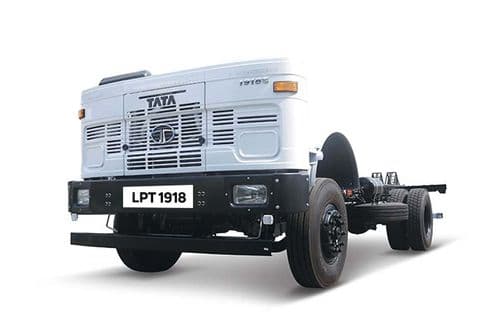
Tata Motors Ltd (TML) – includes standalone commercial vehicle operations.
For example, an investor holding 50 shares of Tata Motors before the split will now have 50 shares of TMPVL and 50 shares of the new TML.
Also Read: Tata Motors Demerger Begins October 1: Shareholder Benefits, New Leadership, and Listing Plans
Strategic Goals and Business Benefits
Tata Motors stated that the restructuring aims to:
Unlock shareholder value
Enhance strategic focus
Improve capital efficiency across business units
By separating management and finances, each company can pursue independent growth strategies:
TMPVL will focus on technology, electrification, and global expansion through JLR and its EV lineup.
TML (CV business) will drive growth through innovation, scale, and domestic market leadership in commercial vehicles.
What Analysts Expect
With the demerger completed, analysts believe the two companies will now enjoy clearer valuations, stronger investor interest, and better transparency.
TMPVL is expected to strengthen its role in India’s growing electric mobility market, while the new Tata Motors Limited (CV) will continue to lead India’s commercial vehicle segment and expand its export operations.
A New Chapter for Tata Motors
In its October 30 filing, Tata Motors Passenger Vehicles Ltd confirmed the name change of its subsidiary and included the ROC’s Certificate of Incorporation, digitally signed on October 29, 2025.
The dual-listing marks a new era for Tata Motors, one of India’s most iconic automotive brands. With both companies now independent, the demerger is expected to bring greater focus, flexibility, and transparency, setting the stage for future growth across India’s dynamic automobile market.
CMV360 Says
Tata Motors demerger marks a major milestone in its corporate journey. By creating two independent listed entities, one for passenger vehicles and the other for commercial vehicles, the company aims to boost performance, attract investors, and strengthen its leadership across both markets. This structural shift positions Tata Motors for long-term growth in India’s evolving automotive ecosystem.

Robin Kumar Attri is a content and video professional with 2.7 years of experience in the commercial vehicle d .....