Tractors
Trucks
- Find by Budget
- Find by Type

English
 New Delhi
With an allocation of ₹4,391 crore, the electric bus subsidy makes up nearly 40% of the total scheme budget, making it the largest share.

By Priya Singh
Key Highlights:
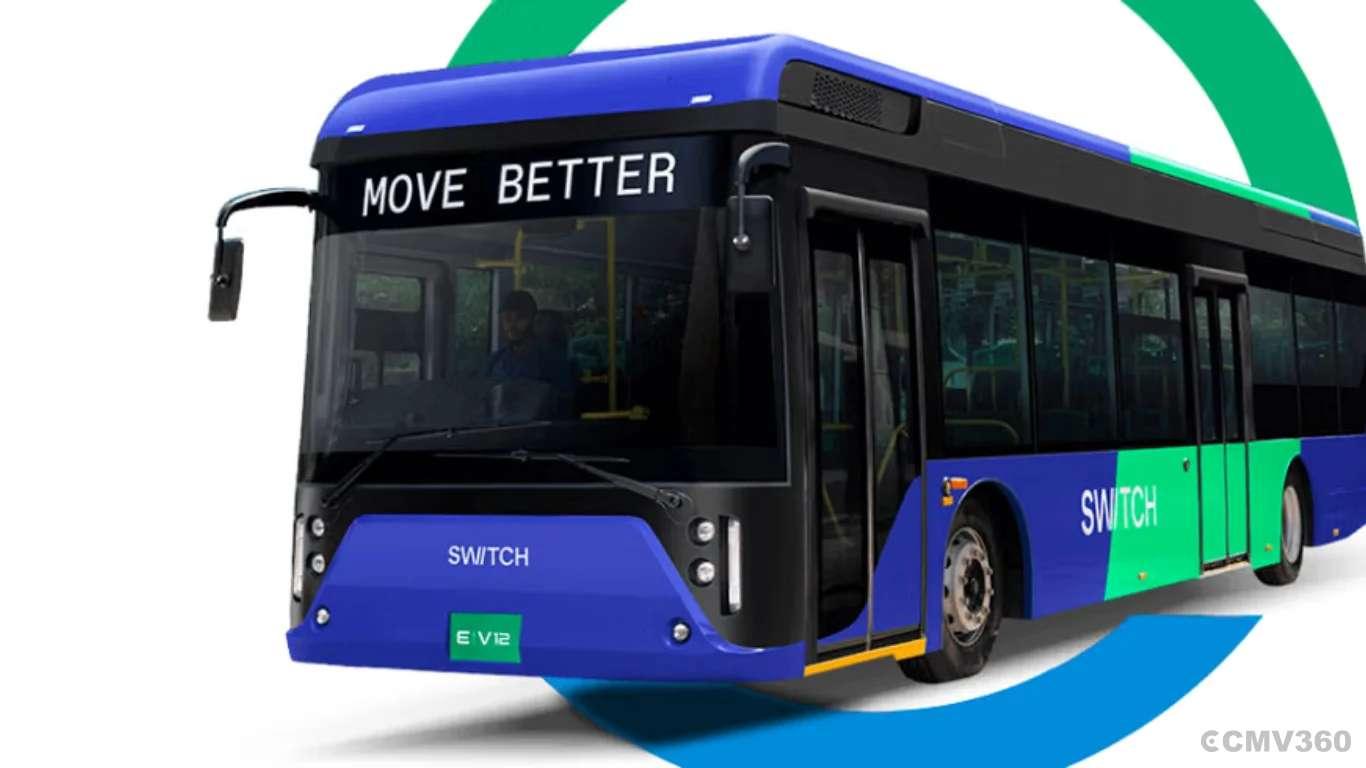
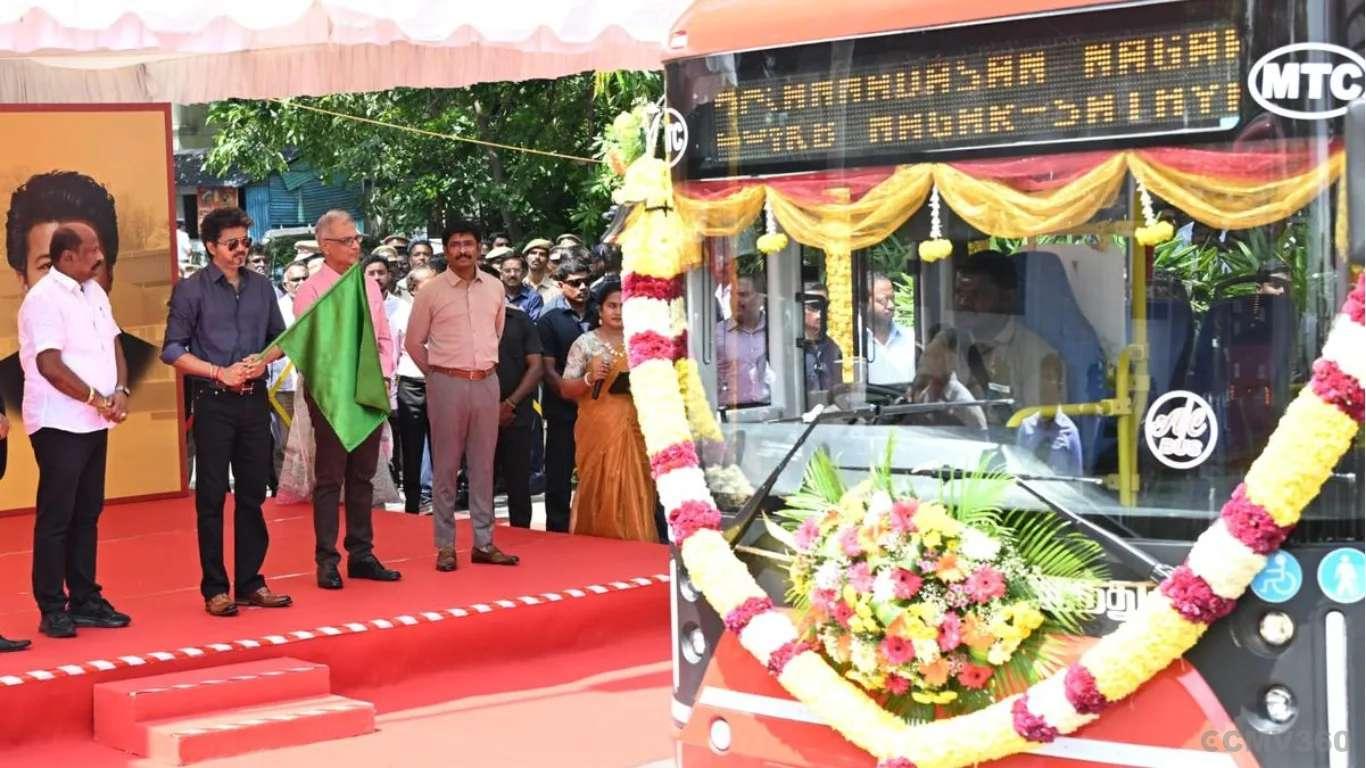
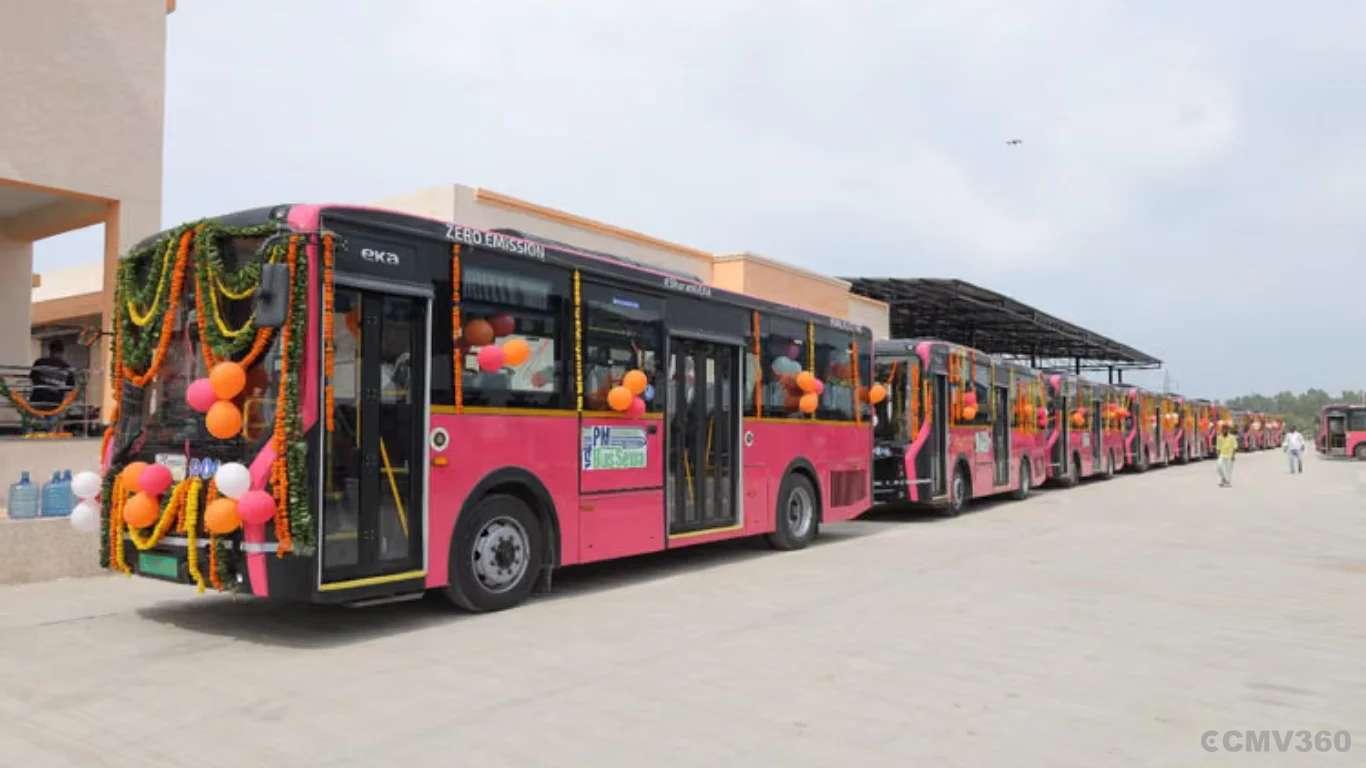
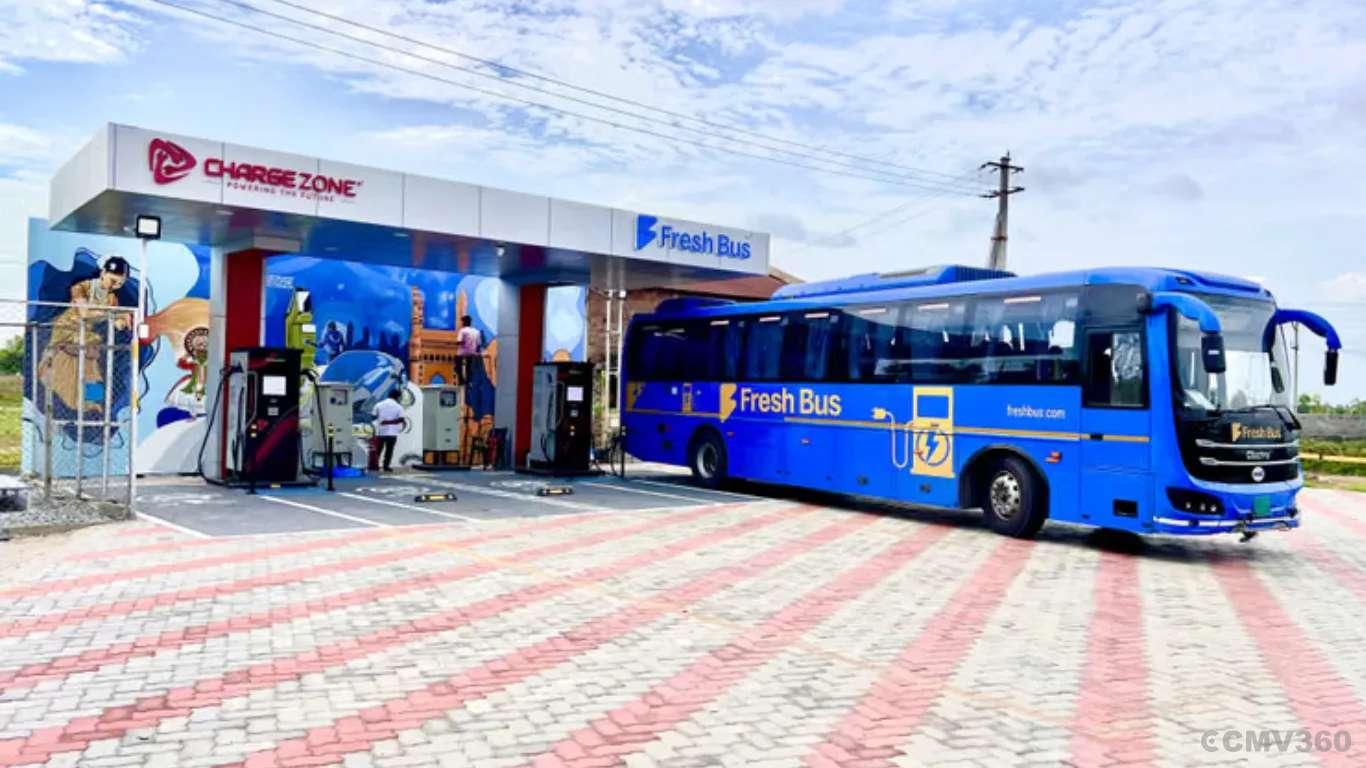
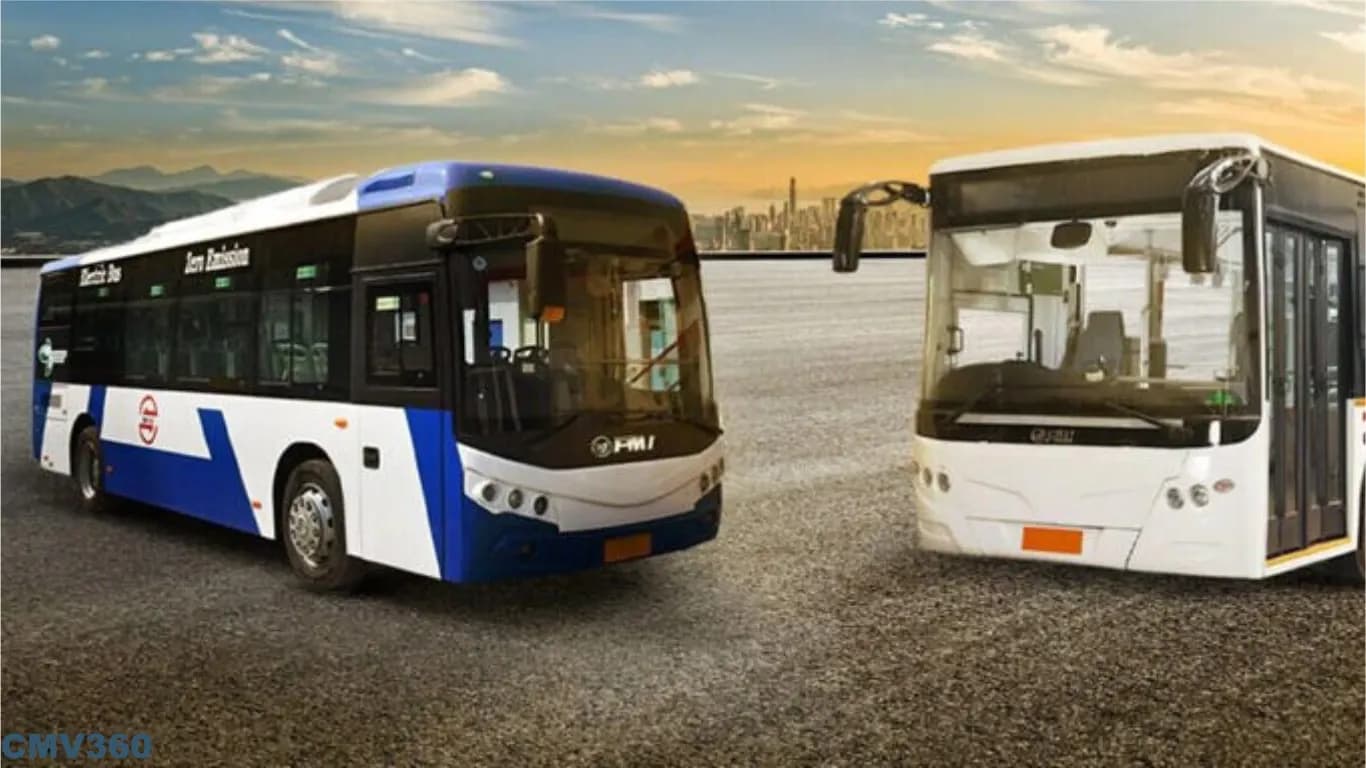
The Ministry of Heavy Industries (MHI) has approved subsidies for 9,800 electric buses under the PM E-Drive scheme for Bengaluru and Hyderabad. According to sources, Bengaluru will receive 7,000 e-buses, and Hyderabad's demand for 2,800 buses has also been approved.
This approval covers about 70% of the government's target to subsidize 14,028 e-buses in nine metro cities by FY26 under the ₹10,900-crore PM E-Drive scheme. With an allocation of ₹4,391 crore, the electric bus subsidy makes up nearly 40% of the total scheme budget, making it the largest share.
The Ministry of Heavy Industries is still waiting for demand certificates from other cities, according to one of the sources. "To get approval from MHI, states need to send demand certificates along with an acceptance of the DDM requirement, which is still awaited," said the source.
DDM stands for Direct Debit Mandate and it is a part of the PM e-bus Sewa Payment Security Mechanism (e-PSM) scheme. This mechanism safeguards the interests of e-bus manufacturers by requiring public transport authorities to deposit guarantees with the Reserve Bank of India (RBI). If dues remain unpaid for over 90 days, the Ministry of Heavy Industries can invoke the guarantee through the DDM.
The PM E-Drive and ePSM schemes have worked together to ensure the smooth rollout of e-buses and their subsidies. Both schemes are approved by the cabinet in September 2024
Initially, Delhi, Mumbai, Pune, Ahmedabad, Surat, Kolkata, and Chennai were also included under the PM E-Drive scheme for e-bus subsidies.
As per the PM E-Drive scheme, the maximum subsidy available for an e-bus ranges from ₹20 lakh to ₹35 lakh.
While the approval for e-buses in Bengaluru and Hyderabad is a positive step towards electrifying public transport, experts warn that supply chain issues for e-bus batteries and shortages of operational staff could pose challenges soon.
Challenges
T. Surya Kiran, Executive Director of the Association of State Road Transport Undertakings (ASRTU), highlighted that while entire bus fleets in cities are being electrified, e-bus manufacturers still depend on China for battery supplies. These batteries are also larger than those used in two- and three-wheelers.
Additionally, when these new electric buses hit the roads, operational challenges will need to be addressed. Under the Gross Cost Contract (GCC) model, when buses are tendered, the state's public transport authority provides the conductor, while the bus manufacturer supplies the driver. T. Surya Kiran pointed out that drivers for the new electric buses will need specialized training to handle the new technology that comes with electric vehicles.
China's role in supplying electric vehicle components
China's dominant role in supplying electric vehicle components and batteries is a growing concern, as highlighted in the FY25 economic survey. The demand for lithium-ion batteries, which are used in most of the electric vehicles globally, is expected to grow at a compound annual growth rate (CAGR) of 23% by 2030.
Chief Economic Advisor (CEA) V. Anantha Nageswaran noted in the survey that the lack of viable alternative battery technologies further strengthens China's lead in the lithium-ion battery market. He also pointed out that China's rise in the global auto market has disrupted long-established players in countries like Germany and Japan. Additionally, China's control over the global distribution of critical minerals and other resources could create long-term dependencies.
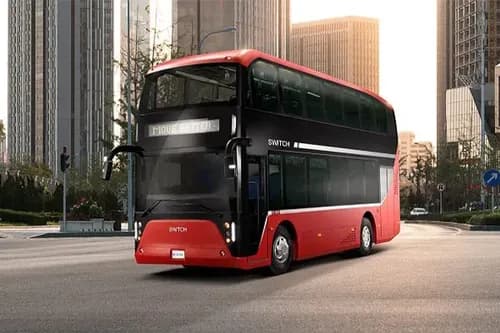
Also Read: Electric Buses Sales Report January 2025: Switch Mobility Emerges as Top Choice for E-Buses
CMV360 Says
It’s good for the environment that Bengaluru and Hyderabad are getting so many electric buses. But there are some issues, like getting enough batteries and trained drivers. If these problems are solved, electric buses can really help our cities to tackle pollution.

About the author
Hi there! I'm Priya. From trucks to vans and everything in between, I'm here to provide you with up-to-date information, expert analysis, and actionable insights. Let's navigate the world of commercial vehicles together!


 Add CMV360 on Google