ChargeZone and Fresh Bus Expand Partnership to Support 500 Electric Buses
 Add CMV360 on Google
ChargeZone and Fresh Bus expand their partnership to support 500 electric buses, adding 30 MW charging capacity, connecting 20 cities and reducing emissions across southern India.

By Akansha Trivedi

Key Highlights
Fresh Bus fleet to grow from 100 to 500 electric buses.
ChargeZone to add 30 MW of new charging capacity.
Total dedicated charging capacity to reach 40 MW.
Network to connect 20 cities and 17 additional towns.
Expansion could cut 9,000–10,000 tonnes of CO₂ annually.
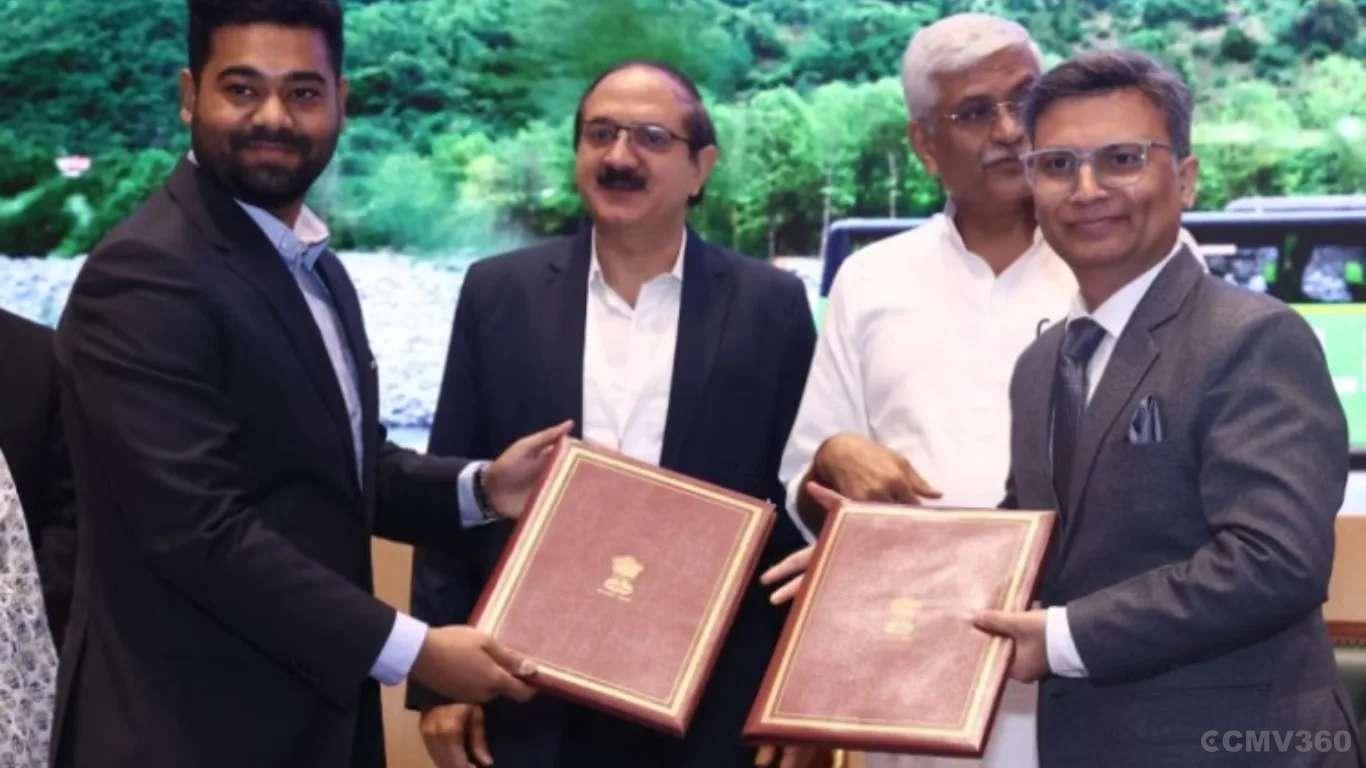
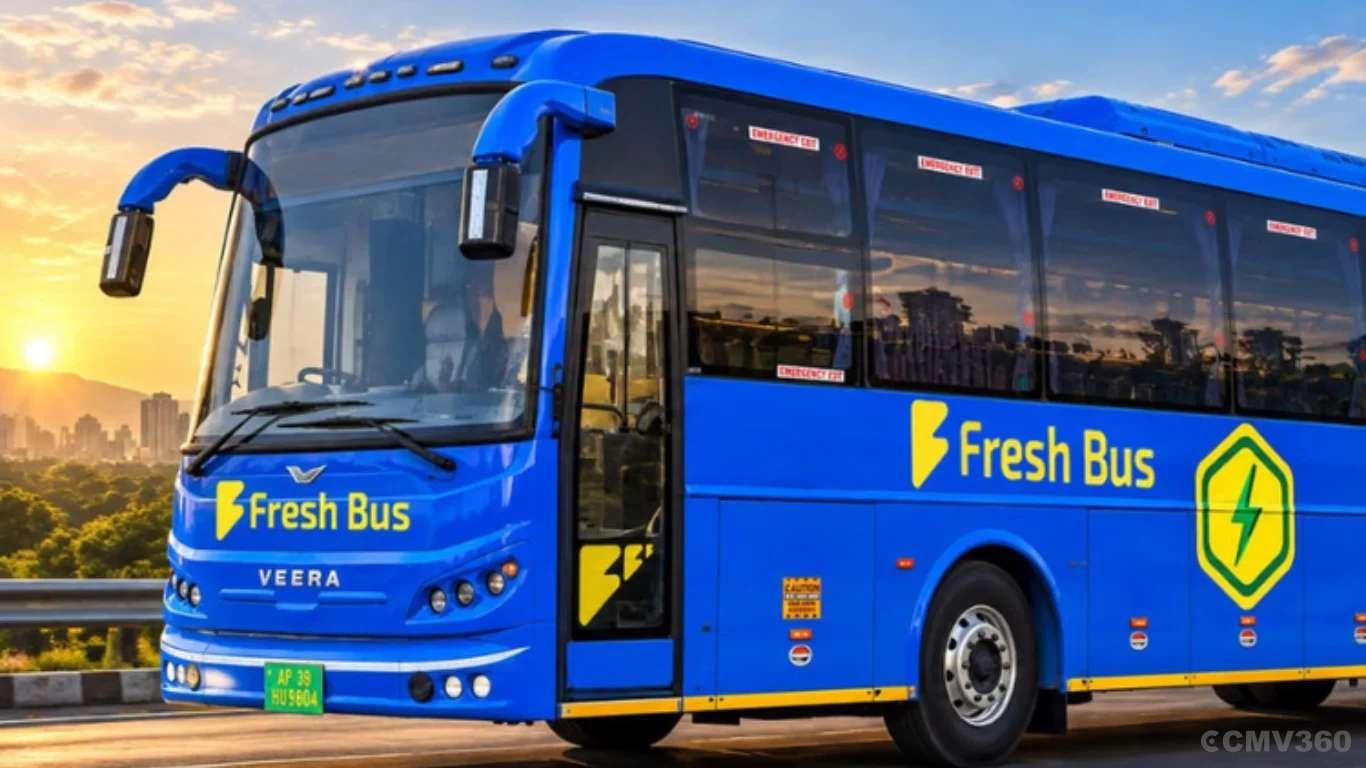
ChargeZone and Fresh Bus have expanded their existing partnership to significantly scale up electric intercity bus operations in India. Under the expanded agreement, Fresh Bus will deploy an additional 400 all-electric buses supported by ChargeZone's charging network, taking the total Fresh Bus fleet backed by ChargeZone infrastructure from 100 to 500 electric buses.
The expansion will also involve the deployment of 30 MW of new dedicated charging capacity, strengthening the charging infrastructure needed to support the larger electric bus fleet.
400 More Electric Buses to Join the Network
Fresh Bus currently operates 100 electric buses supported by ChargeZone infrastructure. With the addition of 400 more buses, the partnership will grow to support a total fleet of 500 electric buses.
The expanded operations are planned to be rolled out over the next 15 months. Once implemented, the network will connect 20 cities and cover 17 additional towns across Tamil Nadu, Karnataka, Andhra Pradesh and Telangana.
The expansion is expected to further strengthen electric intercity transportation across these key southern Indian markets.
ChargeZone to Add 30 MW of New Charging Capacity
To support the larger fleet, ChargeZone will deploy an additional 30 MW of dedicated charging capacity. The company has already deployed 10 MW of dedicated charging infrastructure for the Fresh Bus network.
With the new addition, the total dedicated charging capacity supporting Fresh Bus operations will reach 40 MW.
The additional infrastructure will also contribute to ChargeZone's wider plan to add 200 MW of charging capacity across its national network.
Reliable and large-scale charging infrastructure is particularly important for electric buses operating on multiple intercity routes, where vehicles need dependable charging support across different travel corridors.
Partnership Could Deliver 100 Million Units of Energy Annually
At full scale, the expanded ChargeZone and Fresh Bus partnership is estimated to deliver 100 million units of energy annually.
The companies also expect the larger electric bus network to support more than 20,000 passenger journeys every day. By replacing conventional fuel-powered travel with electric mobility on a larger scale, the expanded operations could reduce carbon dioxide emissions by around 9,000 to 10,000 tonnes annually.
Focus on Scaling Electric Intercity Mobility
ChargeZone founder and CEO Kartikey Hariyani said the expansion highlights the important role commercial mobility can play in accelerating electric vehicle adoption.
“Commercial mobility, particularly intercity public transport, can play a critical role in taking electrification to scale,” Hariyani said.
Fresh Bus founder Sudhakar Reddy said the expanded fleet will help increase the scale of the company's electric intercity operations. He also highlighted charging infrastructure as a key requirement for operating electric buses efficiently across multiple routes and corridors.
ChargeZone's Growing Charging Network
ChargeZone said it currently operates more than 15,000 charging points across over 1,200 locations in India and the UAE.
Fresh Bus operates an all-electric intercity bus service in India, and the expanded partnership is aimed at supporting its next phase of growth through dedicated high-capacity charging infrastructure.
With 500 electric buses planned to be supported by ChargeZone, 40 MW of dedicated charging capacity, and operations expanding across four southern states, the partnership marks a major step towards scaling electric intercity bus transportation in India.
Also Read: Omega Seiki Mobility Partners With Electra AI for Advanced Battery Intelligence Across EV Fleet
CMV360 Says
ChargeZone and Fresh Bus are set to significantly expand electric intercity travel in India with a 500-bus network supported by 40 MW of dedicated charging capacity. The partnership will connect 20 cities and 17 additional towns across four southern states over the next 15 months. At full scale, it could support 20,000 daily passenger journeys, deliver 100 million units of energy annually and reduce carbon emissions substantially.

Hello! I'm Akansha. I write news and articles on buses, three-wheelers, trucks, and everything in between at C .....