Force Motors Electric Traveller Vans to Launch in Q1 2027, Company Invests ₹3,000 Crore in EVs
 Add CMV360 on Google
Force Motors will launch electric Traveller vans in Q1 2027, including an electric ambulance, backed by ₹3,000 crore investment and expanded production capacity of 85,000 vehicles.

By Robin Kumar Attri

Key Highlights
Force Motors will launch electric Traveller vans between January and March 2027.
The electric Traveller has completed development and is undergoing final ARAI homologation.
An electric ambulance is expected among the first models.
The company has committed ₹3,000 crore towards engineering, EVs, hybrid technology and digitisation.
Force Motors is expanding production capacity to 85,000 vehicles, with the Urbania EV also in development.
Force Motors is preparing to enter the electric commercial van segment with the launch of its electric Traveller vans in January-March 2027. The company's Managing Director, Prasan Firodia, has confirmed that the electric Traveller is in its final testing and homologation stages, bringing the long-awaited electric version closer to commercial launch.
Alongside its electric vehicle plans, Force Motors is investing ₹3,000 crore in engineering, electrification, hybrid driveline technology and digitisation. The company is also expanding its manufacturing capacity to 85,000 vehicles to support future demand for its commercial vehicles, including the upcoming electric Traveller and Urbania.
Force Motors Electric Traveller Launch Timeline and Testing
The development of the electric Traveller has been completed, and the vehicle is currently undergoing final testing and homologation with the Automotive Research Association of India (ARAI).
Confirming the launch timeline, Prasan Firodia said that Force Motors is scheduled to introduce electric vehicles based on the Traveller platform in the first quarter of the next calendar year, which means between January and March 2027.
Although the company has not disclosed further technical details or commercial launch information, the completion of development and ongoing homologation indicate that the electric van is moving towards market introduction.
Electric Traveller Ambulance to Be Among the First Models
An electric ambulance designed for intracity operations is expected to be among the first vehicles launched on the electric Traveller platform.
Force Motors plans to introduce multiple electric van variants to serve different commercial applications. These vehicles will target sectors where predictable routes and regular daily operations make electric mobility more practical.
The company intends to establish its electric Traveller range before gradually extending electrification to its other vehicle platforms.
Force Motors Urbania Electric Version Also in Development
Apart from the Traveller EV, Force Motors is also developing an electric version of its Urbania people carrier.
However, the Urbania EV requires a few more months of development before it reaches the homologation stage. The company expects to launch it within a few months of the electric Traveller.
The Urbania has already become an important vehicle platform for Force Motors, contributing significantly to both the company's sales volumes and revenue. Its electric version will further expand the company's presence in the passenger mobility segment.
₹3,000 Crore Investment and Production Capacity Expansion
Force Motors has committed ₹3,000 crore towards strengthening its engineering capabilities, electrification plans, hybrid driveline technology and digitisation.
The investment is part of the company's broader strategy to prepare its manufacturing and technology operations for changing commercial vehicle requirements.
Alongside technology development, Force Motors is increasing its production capacity to 85,000 vehicles. This expansion will help the company accommodate future demand across its vehicle portfolio, particularly as new electric models such as the Traveller EV and Urbania EV enter the market.
Electric Vehicle Adoption in Commercial Vans to Be Gradual
According to Prasan Firodia, the transition towards electric power in larger passenger vehicles will be slower than the shift already witnessed in passenger cars, two-wheelers and three-wheelers.
He explained that customers in this segment need electric vehicles that offer practical running costs and meet their daily operational requirements. Driving range and charging infrastructure availability will also play an important role in determining adoption.
Firodia said that the electric transition in Force Motors' segment would happen gradually rather than at the rapid pace seen in smaller vehicle categories.
This is mainly because larger passenger vehicles operate across different routes and distances, making charging requirements and operating economics more complicated.
School Transport and Employee Mobility to Support Electric Van Adoption
Force Motors believes certain commercial applications are better suited to electric vans than others.
School transportation could become one of the early adoption areas because school buses and vans generally operate on fixed routes and cover predictable distances every day. This makes it easier for fleet operators to plan charging schedules and manage vehicle operations.
Employee transportation and intracity ambulance services are also considered suitable applications for electric vans.
However, tourism and intercity passenger transportation may take longer to shift towards electric mobility. These operations involve changing routes, varying travel distances and less predictable charging requirements, making the transition more challenging.
Force Motors e-Traveller Smart Citibus EV: Specifications and Features
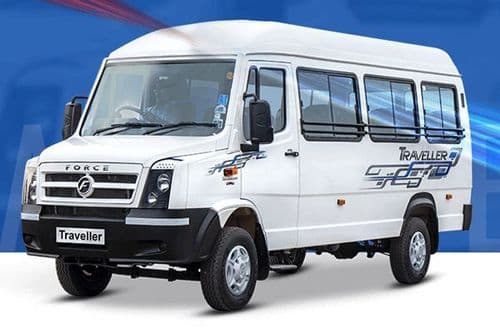
Force Motors has already showcased its e-Traveller Smart Citibus EV, developed using the 5.4-metre Traveller body platform.
The electric van is designed for passenger transportation and comes with a 70 kWh lithium-ion battery. It can accommodate 14 passengers along with the driver.
Here are the key specifications of the Force Motors e-Traveller Smart Citibus EV:
Specifications | Details |
Battery capacity | 70 kWh |
Battery type | Lithium-ion |
Seating capacity | 14 passengers + driver |
Seat type | High-back, moulded plastic |
Body construction | Monocoque |
Wheelbase | 3,350 mm |
Overall length | 5,415 mm |
Gradeability | 18% |
Turning radius | 6 metres |
Air conditioning | Standard |
In terms of passenger comfort and operational features, the e-Traveller Smart Citibus EV comes with an electrically operated jack-knife door and a standing height of 1.8 metres.
The vehicle also gets internal and external cameras along with GPS functionality. These features are designed to support passenger convenience, vehicle monitoring and fleet operations.
Force Motors Electric Traveller: Journey from Concept to Upcoming Launch
Force Motors' electric commercial vehicle development has been underway for several years.
The company first showcased its T1N monocoque electric platform in 2020, highlighting its early plans for electric mobility. It subsequently displayed an electric version of the Traveller at the 2024 Auto Expo.
However, commercial sales of the electric Traveller have not started yet.
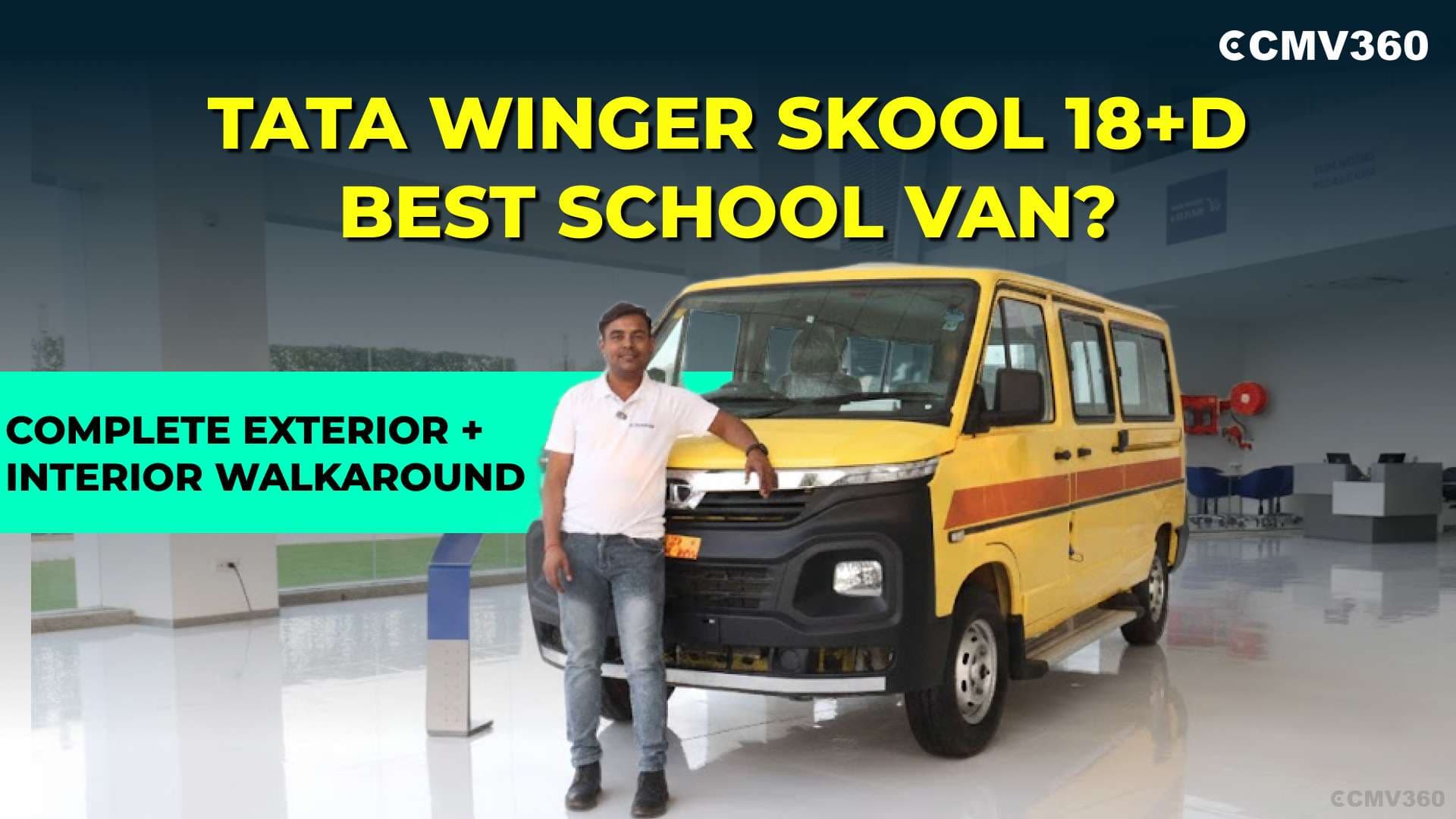
The Traveller platform already serves several important commercial applications, including healthcare, education, employee transportation and tourism. Its existing vehicle range includes ambulances, school buses, police vans and delivery vehicles.
With the upcoming electric versions, Force Motors aims to extend these applications into electric mobility and offer more sustainable transportation solutions.
Also Read: Fresh Bus Launches Best Captain Award Program, Offers Rewards of Up to ₹1 Lakh for Drivers
CMV360 Says
Force Motors is preparing to enter the electric commercial van market with its Traveller EV launch planned for January-March 2027. The upcoming electric ambulance and other Traveller variants could support adoption in school, employee and city transportation. With a ₹3,000 crore investment and production capacity expansion to 85,000 vehicles, the company is strengthening its future plans. The Urbania EV will further expand its electric passenger vehicle portfolio.

Robin Kumar Attri is a content and video professional with 2.7 years of experience in the commercial vehicle d .....