Ashok Leyland Plans 50-60% EV Battery Pack Localisation by 2027
 Add CMV360 on Google
Ashok Leyland plans 50-60% EV battery pack localisation, a Chennai facility, BMS development and automotive battery production by the end of 2027.

By Robin Kumar Attri

Key Highlights
Targets 50-60% EV battery pack localisation in India.
Battery pack facility is being set up near Chennai.
Automotive battery production planned by end-2027.
Battery packs may also be supplied to other automakers.
Company is exploring BESS to increase production volumes.
Ashok Leyland is targeting 50-60% localisation of electric vehicle (EV) battery packs in India, excluding battery cells, as the company works to reduce its dependence on imported EV components.
The company is setting up a battery pack manufacturing facility near Chennai and plans to develop its own battery pack and Battery Management System (BMS) technology. According to Managing Director and CEO Shenu Agarwal, production of battery packs for automotive applications is expected to begin by the end of 2027.
Ashok Leyland Plans to Develop Battery Pack Technology
Speaking to Autocar Professional, Agarwal said Ashok Leyland aims to localise more than half of its battery pack components in India.
The company is targeting around 50-60% localisation of the battery pack, while battery cells will continue to remain outside the initial localisation plan.
Ashok Leyland is also seriously exploring battery cell manufacturing. However, the company has not announced a fixed timeline for starting cell production.
Developing highly efficient battery cells and advanced battery technologies in India will take time, whether the technology is developed locally or brought through technology transfer and partnerships.
Battery Packs May Be Sold to Other Automakers
The battery packs produced at the upcoming facility will not be limited to Ashok Leyland's own electric trucks and buses.
The company plans to offer its battery packs to other automotive manufacturers as well, which could help increase production volumes and improve the business case for large-scale battery investments.
BESS Could Help Increase Battery Production Volumes
Ashok Leyland is also exploring opportunities in Battery Energy Storage Systems (BESS).
According to Agarwal, demand from the automotive sector alone may not initially provide sufficient volumes to support major investments in battery manufacturing. Therefore, adjacent applications such as energy storage systems could play an important role in increasing production volumes and achieving better economies of scale.
EV Localisation Still Behind Diesel Vehicles
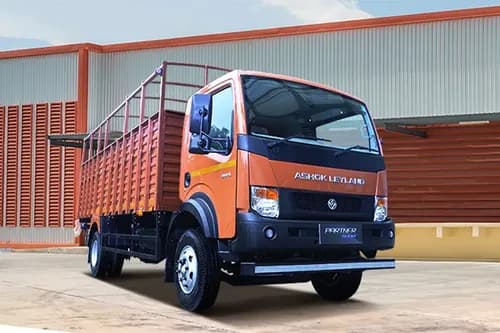
Ashok Leyland's conventional commercial vehicle business already has a strong localisation base. The company has achieved around 99% localisation of components used in its diesel trucks after decades of manufacturing vehicles in India.
However, electric trucks still depend significantly on imported components, particularly advanced battery and EV technologies.
To address this challenge, Ashok Leyland is developing a clear technology roadmap for its EV business.
Partnership-Based Approach for EV Technologies
The company is also evaluating how it will handle power electronics and other EV technologies.
Agarwal said it would not be practical for a company to develop every technology internally. Ashok Leyland has therefore created a roadmap identifying technologies that it will develop in-house, areas where it will work with technology partners, and components that will continue to be sourced from suppliers.
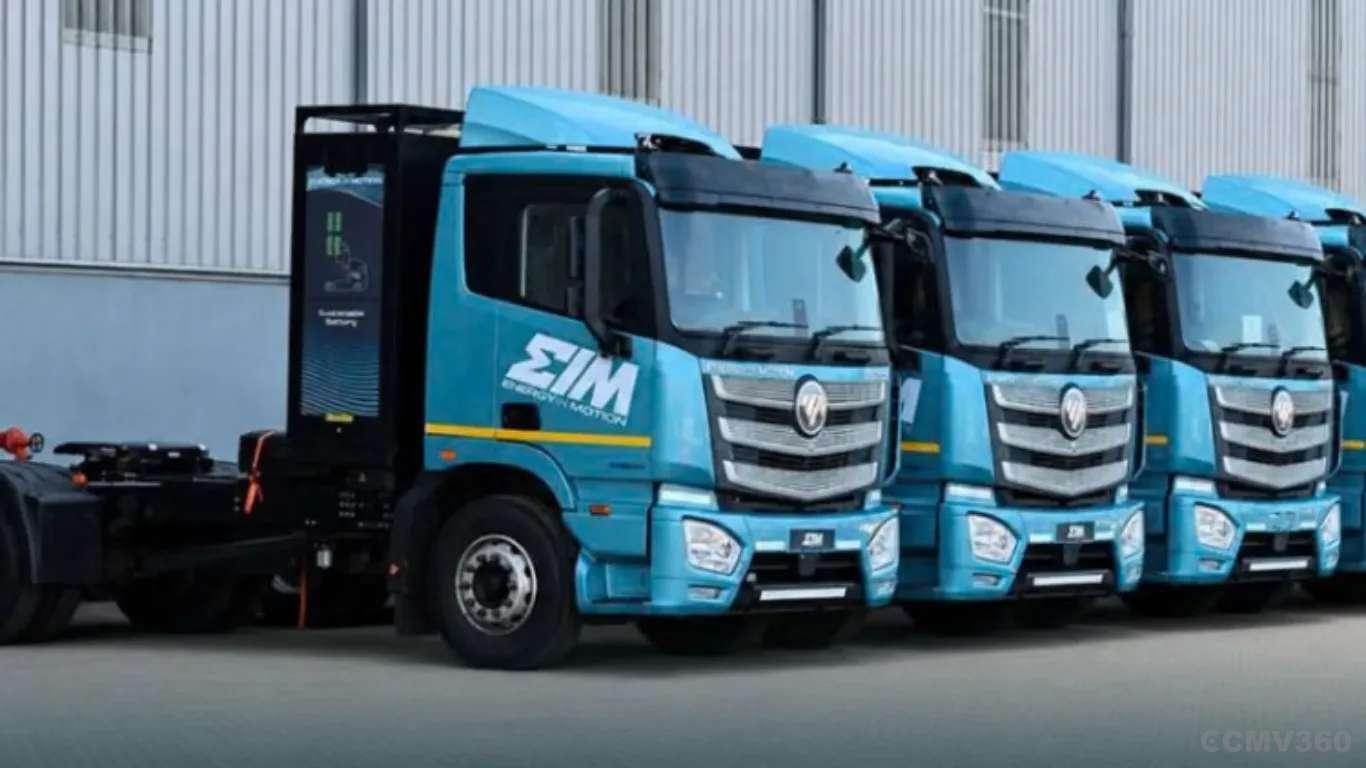
Also Read: EIM Opens Second Heavy-Duty Battery Swapping Station at JNPA as EV Truck Fleet Expands
CMV360 Says
Ashok Leyland's plan to localise 50-60% of EV battery packs marks an important step in strengthening India's electric commercial vehicle ecosystem. With battery pack production targeted by the end of 2027, the company is building capabilities in BMS technology, power electronics and energy storage. Its strategy of combining in-house development, partnerships and supplier sourcing could help reduce import dependence while supporting future EV growth.

Robin Kumar Attri is a content and video professional with 2.7 years of experience in the commercial vehicle d .....