Tractors
Trucks
- Find by Budget
- Find by Type

English
 New Delhi
Learn tractor hydraulics basics, functions, types, and maintenance tips. Improve performance, reduce downtime, and make better tractor decisions with this simple, farmer-friendly guide.

By Robin Kumar Attri

When you see a tractor effortlessly lifting a heavy rotavator, precisely controlling a plough, or smoothly steering across uneven fields, you are not just witnessing engine power-you are seeing the intelligence of hydraulics at work. In today’s farming world, where efficiency, productivity, and precision matter more than ever, tractor hydraulics have become the backbone of agricultural operations.
From small 30 HP machines used in orchards to high-horsepower tractors handling large-scale farming, the hydraulic system plays a critical role in transforming a basic pulling machine into a multi-functional powerhouse. Whether it is lifting, tilting, controlling depth, or operating advanced implements, hydraulics make everything faster, smoother, and less tiring for the operator.
Different tractor brands and models today focus heavily on hydraulic efficiency. Some offer simple and cost-effective systems for small farmers, while others come with advanced load-sensing hydraulics designed for precision farming. But this raises an important question:
What exactly is tractor hydraulics, how does it work, and why should you truly care about it when choosing or maintaining a tractor?
Let’s break it down in the simplest and most practical way.
Also Read: Best Tractor Brand Comparison in India 2026: Which HP Range is Right for You?
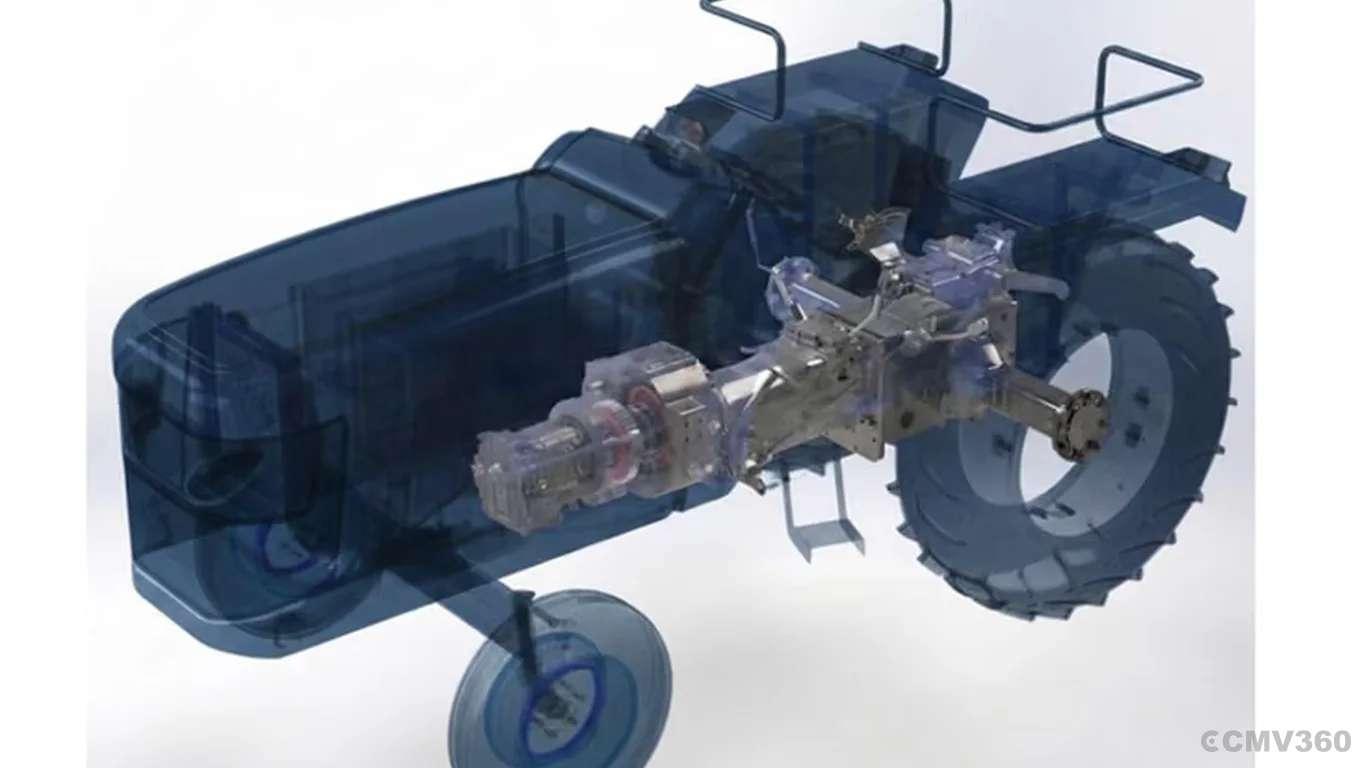
Tractor hydraulics is a fluid-power system that uses pressurized oil to perform heavy work like lifting, lowering, tilting, and controlling implements such as ploughs, loaders, seed drills, and sprayers.
In simple words, it converts the tractor engine’s mechanical power into controlled hydraulic force, making operations easier and more precise.
You can think of it as the tractor’s circulatory system, where hydraulic fluid acts like blood, carrying power to different parts of the machine.
A tractor hydraulic system is a closed-circuit arrangement designed to transfer power efficiently using oil pressure. It includes multiple components working together seamlessly.
Component | Function |
Hydraulic Pump | Generates pressure by moving fluid |
Hydraulic Fluid | Transfers power within the system |
Reservoir (Tank) | Stores hydraulic oil |
Control Valves | Direct and regulate oil flow |
Hydraulic Cylinders | Convert pressure into motion |
Hoses & Couplers | Carry fluid between components |
Filters | Remove dirt and metal particles |
Pressure Relief Valve | Prevents overload damage |
The working principle is straightforward but powerful:
The engine drives the hydraulic pump
The pump pressurizes oil from the reservoir
Control valves direct this oil to cylinders or motors
The cylinders convert pressure into movement (lifting, lowering, tilting)
Relief valves protect the system from excess pressure
Whenever you move a lever in your tractor, you are simply directing pressurized oil to perform a specific task.
The hydraulic system is what makes a tractor versatile and efficient in real-world farming conditions.
1. Lifting and Lowering Implements: Hydraulics allow tractors to easily lift heavy implements like rotavators, cultivators, and seed drills using the three-point linkage system.
2. Depth Control: The system automatically adjusts the working depth of implements based on soil resistance. This ensures:
Uniform field leveling
Better soil penetration
Reduced engine load
3. Operating External Implements: Using remote valves, hydraulics power external equipment such as:
Hydraulic trailers
Sprayers
Loaders
Specialised farm machinery
4. Power Steering: Modern tractors use hydraulic-assisted steering, making handling smooth and effortless-even in tight spaces or heavy loads.
5. Loader and Backhoe Operations: Hydraulics are essential for:
Lifting heavy materials
Digging operations
Loading and unloading
Hydraulics is not just a feature-it is a necessity in modern farming.
Reduces manual effort and operator fatigue
Improves precision in farming operations
Increases productivity and efficiency
Allows use of multiple implements with one tractor
Enhances safety compared to mechanical systems
Without hydraulics, many modern farming tasks would be slow, difficult, and labor-intensive.
Different tractors use different hydraulic systems based on their size, power, and application.
Hydraulic System Types Comparison
Type | How It Works | Best For | Key Advantage |
Open Center System | Fluid flows continuously when idle | Small & older tractors | Simple and affordable |
Closed Center System | Pump works only when needed | High HP tractors | Energy efficient |
Load-Sensing System | Adjusts flow based on demand | Modern smart tractors | High precision & efficiency |
This system is commonly found in smaller or older tractors. The pump runs continuously, and unused fluid returns to the reservoir.
Best for: Basic farming tasks
Advantage: Low cost and easy maintenance
Used in modern, high-performance tractors, this system only works when required, saving energy.
Best for: Heavy-duty applications
Advantage: Better efficiency and performance
This is the most advanced system used in modern tractors. It automatically adjusts pressure and flow based on the task.
Best for: Precision farming and smart equipment
Advantage: Maximum efficiency and fuel savings
Hydraulics is used in almost every major tractor function:
3-point linkage operations
Loader and backhoe work
Implement control (ploughs, sprayers, seed drills)
Power steering systems
Trailer lifting and tipping
A well-maintained hydraulic system ensures long life, better performance, and zero downtime during critical farming seasons.
Use only recommended hydraulic oil (ISO 46 or 68)
Check oil levels regularly
Change oil and filters every 500–700 hours
Replace oil if it appears dark or milky
Check for cracks, leaks, or bulges
Replace damaged hoses immediately
Tighten fittings carefully (avoid over-tightening)
Before connecting implements:
Always wipe connectors
Prevent dirt entry into the system
This simple step can save expensive repairs.
Low oil levels can cause air bubbles, leading to serious damage.
Always maintain proper fluid levels
Bleed air by cycling hydraulic controls after service
Watch for signs like:
Slow or jerky movements
Reduced lifting capacity
Unusual noise
These indicate possible internal issues.
Do not exceed lifting capacity
Overloading can damage pumps and valves
If hydraulic oil feels too hot:
Stop operations
Inspect filters and oil levels
Check for blocked components
Always release pressure before servicing
Use gloves and safety gear
Lower implements before inspection
Keep track of:
Oil changes
Filter replacements
Repairs
This helps in long-term maintenance planning.
Interval | Maintenance Task |
Every 100 Hours | Check oil level, inspect hoses |
Every 500 Hours | Change oil & filters |
Annually | Inspect full system & steering hydraulics |
Understanding common issues helps in quick troubleshooting:
Oil leakage from hoses
Slow lifting of implements
Noisy hydraulic pump
Overheating oil
Air bubbles in the system
Early detection can prevent costly repairs.
Also Read: GPS Tractor Tracking Systems in India 2026: Save Fuel, Prevent Theft & Boost Farm Productivity
Tractor hydraulics is truly the silent force behind every efficient farming operation. It transforms a simple tractor into a versatile machine capable of handling multiple tasks with ease and precision.
From lifting heavy implements to ensuring smooth steering and precise control, hydraulics plays a role in almost every field activity. And while it often goes unnoticed, its importance becomes clear the moment it fails.
By understanding how it works and following basic maintenance practices, farmers can ensure their tractors remain reliable, efficient, and ready for every season.
In today’s fast-evolving agricultural landscape, one thing is clear:
A tractor is only as powerful as its hydraulic system.

About the author
Robin Kumar Attri is a content and video professional with 2.7 years of experience in the commercial vehicle domain. At CMV360, he creates news articles and videos covering trucks, tractors, buses, three-wheelers, and infrastructure machines.


 Add CMV360 on Google