India Awaits US Funds for Electric Bus Push Under Joint Scheme
 Add CMV360 on Google
The PSM plan aims to address this issue by providing timely payments to OEMs or operators via a dedicated fund.

By Priya Singh

Key Highlights:
- India and the US agreed to create a $390 million fund to boost electric bus adoption in India.
- The US pledged $150 million, while India will contribute $240 million.
- The US has not yet provided its pledged funds due to procedural delays and the lack of an FCRA license for CESL.
- The Indian government has approved an allocation of Rs 3,435 crore under the PM-eBus Sewa-PMS scheme.
- CESL now has an FCRA license, and US funds are expected to be received this financial year.
Last year, on the sidelines of COP28, India and the United States agreed to establish a cooperative payment security mechanism (PSM) to increase electric bus adoption in India with a $390 million fund (about Rs 3,315 crore).
The US had contributed $150 million, with the Indian government contributing the remaining $240 million. According to a senior government official, the administration has yet to receive the $150 million in US backing for the finance security system.
A government spokesperson mentioned, "The delay in receiving funds from the US is primarily due to procedural issues, and CESL did not possess an FCRA (Foreign Contribution Regulation Act) license required to accept foreign funds."
Indian Government Approves PM-eBus Sewa Scheme
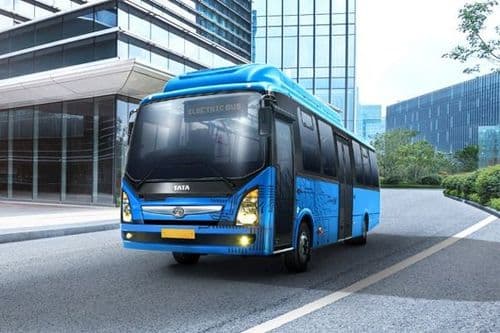
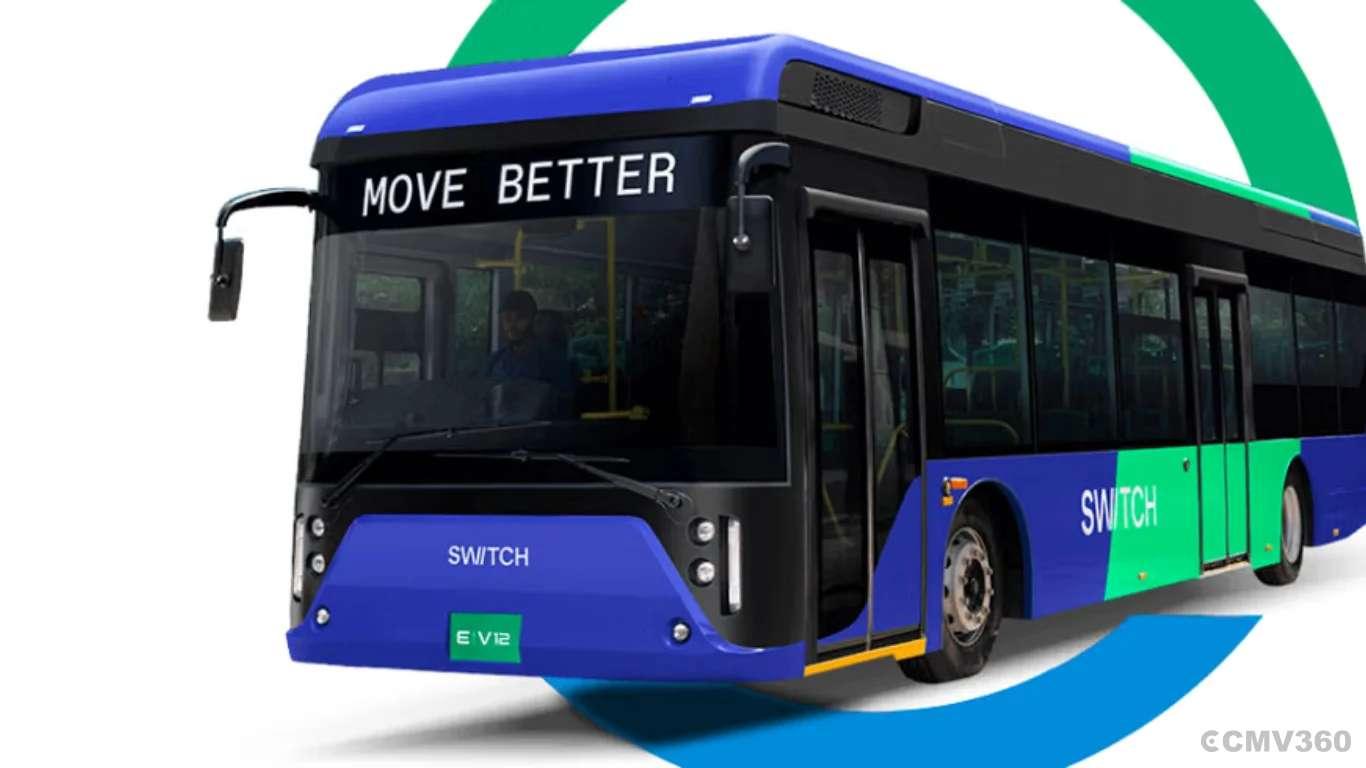
On Wednesday, the government sanctioned Rs 3,435 crore for the new PM-eBus Sewa-PMS initiative, aimed at supporting the deployment of over 38,000 electric buses through 2028-29.
The PMS scheme is crucial for the deployment of electric buses in public transportation since it answers OEMs' or electric bus operators' concerns in the event of payment default by state transport units (STUs).
Public transportation bodies, such as STUs, purchase electric buses using two methods: gross cost contract (GCC) and outright purchase. Under the GCC model, OEMs or operators control the buses' operation and maintenance, with STUs paying a per-kilometer fee. This concept does not need STUs to pay for the bus up front.
The PSM plan aims to address this issue by providing timely payments to OEMs or operators via a dedicated fund. In the event of a payment default, the state-owned tendering and procurement agency CESL will make the appropriate payments from scheme funds, which will then be recouped from the STUs.
FCRA License Granted, US Funds Expected Soon
The government has now sanctioned the full Rs 3,435 crore for the PSM scheme. Once the US funds are received, the Indian government’s share will reduce. CESL has also been granted the FCRA license, and the US contribution is expected within this financial year.
Also Read: PM E-Drive Scheme to Boost Electric Buses and Three-Wheelers in India
CMV360 Says
The government's commitment to funding the electric bus program is a strong move toward sustainable public transport. The Payment Security Mechanism will protect manufacturers and operators, making electric bus deployment more reliable and efficient.

Hi there! I'm Priya. From trucks to vans and everything in between, I'm here to provide you with up-to-date in .....