Hindustan Zinc and IIT Madras Develop Zinc-Air Battery for Electric Three-Wheelers
 Add CMV360 on Google
Hindustan Zinc and IIT Madras unveil a 1 kWh zinc-air battery-powered electric three-wheeler, advancing indigenous battery technology and exploring new energy storage solutions for mobility.

By Robin Kumar Attri

Key Highlights
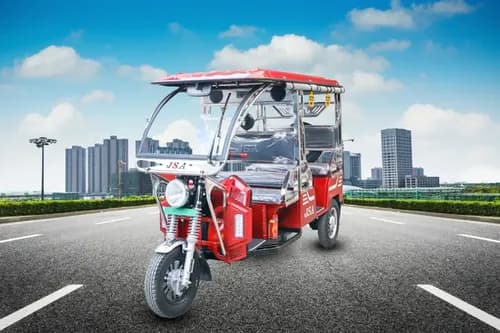
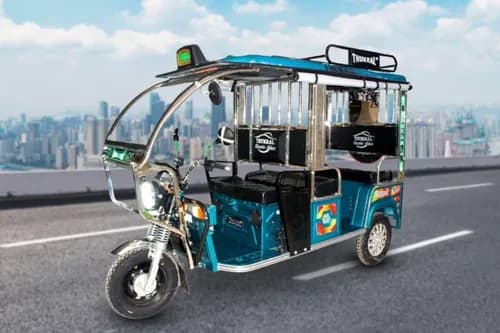
Hindustan Zinc and IIT Madras unveil an electric three-wheeler with a 1 kWh zinc-air battery.
The zinc-air battery contributes nearly 10% of the vehicle's total energy requirements.
Lithium-ion handles acceleration, while zinc-air provides a steady energy supply.
The collaboration, started in 2024, has progressed from laboratory research to vehicle-level testing.
The project aims to promote indigenous battery technology using India's abundant zinc resources.
Hindustan Zinc Limited and the Indian Institute of Technology Madras (IIT Madras) have taken an important step towards developing indigenous battery technology for electric mobility in India. The two institutions have unveiled an electric three-wheeler prototype equipped with an approximately 1 kWh zinc-air battery, designed to work as a range extender alongside the vehicle's existing lithium-ion battery.
Unveiled at the recently held IIT Madras Energy Summit 2026, the development marks a major milestone in the research collaboration between Hindustan Zinc and IIT Madras. The project has progressed from laboratory-level research to a vehicle-level demonstration, highlighting the potential of zinc-based batteries as an alternative and complementary energy storage solution for electric vehicles.
The initiative also aims to explore new applications for zinc, a metal available in abundance in India, while supporting the country's efforts to strengthen domestic battery manufacturing capabilities and achieve greater energy self-reliance.
Hindustan Zinc and IIT Madras Unveil Zinc-Air Battery-Powered Three-Wheeler
The electric three-wheeler prototype was unveiled in the presence of Shri Praveen Chakravarthy, Member of Parliament (Rajya Sabha) and Guest of Honour; Mr Amarendu Prakash, CEO and Whole-time Director of Hindustan Zinc Limited; Prof. Manu Santhanam, Dean (ICSR), IIT Madras; and Dr Aravind Kumar Chandiran from the Department of Chemical Engineering, IIT Madras, who led the project, along with other stakeholders.
The prototype features a dual-battery configuration in which the zinc-air battery works alongside the existing lithium-ion battery. The approximately 1 kWh zinc-air battery contributes nearly 10% of the vehicle's total energy requirements.
Under this arrangement, the lithium-ion battery continues to handle acceleration and peak power requirements, while the zinc-air battery provides a steady supply of energy during vehicle operation. This setup demonstrates how zinc-based battery technology can support existing battery systems rather than necessarily replacing them.
The development could open new possibilities for using zinc-air batteries in electric three-wheelers and other electric mobility applications.
How Does Zinc-Air Battery Technology Work?
Zinc-air batteries generate electricity through a chemical reaction involving zinc and oxygen drawn from the surrounding air. Unlike conventional battery technologies that depend entirely on stored materials within the battery, zinc-air systems use oxygen from the atmosphere as part of the energy-generation process.
The technology uses a non-flammable, water-based electrolyte and zinc, which is an abundantly available and recyclable metal. These characteristics offer potential advantages in terms of battery safety, affordability and environmental sustainability.
As demand for electric vehicles and clean energy storage continues to increase globally, technologies such as zinc-air batteries could help diversify the available energy storage options.
Zinc's availability and recyclability also make it an interesting material for developing domestic battery technologies. For India, this creates an opportunity to make better use of its natural resources while reducing dependence on conventional battery supply chains.
Hindustan Zinc Focuses on Indigenous Energy Storage Solutions
Speaking about the development, Mr Amarendu Prakash, CEO and Whole-time Director of Hindustan Zinc Limited, said the company is continuously exploring new applications for zinc to unlock greater value from the metal.
He highlighted that India's abundant zinc resources create an opportunity to develop indigenous energy storage solutions that can contribute to the vision of Viksit Bharat. He also emphasised that the partnership with IIT Madras reflects Hindustan Zinc's commitment to converting scientific research into practical applications, creating new demand for zinc and strengthening its contribution to the global clean energy transition.
The collaboration is particularly important as India looks to expand its electric mobility ecosystem and develop affordable, sustainable and locally developed energy storage technologies.
IIT Madras Highlights the Importance of Energy Research
Congratulating the research team, Prof. V. Kamakoti, Director of IIT Madras, highlighted the growing importance of energy across several sectors, including artificial intelligence, agriculture and advanced manufacturing.
He said that the generation, storage and distribution of energy from different sources, particularly renewable energy, are among the most important areas for research, development and commercialisation. He also described the collaboration with Hindustan Zinc as another significant effort towards achieving these objectives.
The project reflects the growing role of industry-academia partnerships in taking research beyond laboratories and developing technologies that can be tested in real-world applications.
Hindustan Zinc Expands Focus on Battery Technology and Clean Energy
Hindustan Zinc, a Vedanta Group company and the world's largest integrated zinc producer, is exploring new applications for zinc across emerging industries. Its research efforts extend beyond traditional zinc applications, with a growing focus on renewable energy storage and electric mobility.
The collaboration with IIT Madras, which began in 2024, is part of the company's broader strategy to develop value-added applications for zinc and create new opportunities in the energy storage sector.
Under its HZL 2.0 growth and diversification strategy, Hindustan Zinc is focusing on application-led innovation, expanding its value-added product portfolio and strengthening zinc's role in the global energy transition.
The successful demonstration of the zinc-air battery in an electric three-wheeler represents progress towards these objectives. It also highlights the possibility of using India's domestic zinc resources to support the development of next-generation energy storage technologies.
CMV360 Says
Hindustan Zinc and IIT Madras zinc-air battery project marks an important step towards diversifying India's electric mobility energy storage options. The 1 kWh battery's successful integration into a three-wheeler demonstrates its potential to complement lithium-ion technology. While further development will determine its commercial viability, the collaboration highlights the value of domestic resources, scientific research and industry partnerships in building affordable, safer and sustainable battery solutions for India's clean energy future.

Robin Kumar Attri is a content and video professional with 2.7 years of experience in the commercial vehicle d .....