Five Key Steps for Effective Electric Bus Implementation in India
 Add CMV360 on Google
India's electric bus initiative faces challenges in implementation, including air quality concerns and manufacturing needs. SIAT Expo 2024 highlighted five transformation steps to improve electric bus adoption and passenger safety.

By Robin Kumar Attri

Key Highlights
- SIAT Expo 2024 outlined five key steps for electric bus implementation
- Urban Sphere's Ivoryline is 70 percent developed and manufactured in India
- Study in Ahmedabad found higher particulate matter in electric buses than diesel buses
- Limited air exchange in electric buses affects passenger air quality
- Collaboration with MSMEs supports local electric bus production
Current State of Electric Bus Adoption
BEST operates public bus services in Mumbai and nearby regions, and also supplies power to the city's island area. The adoption of electric buses is central to India's strategy for reducing urban pollution and improving air quality.
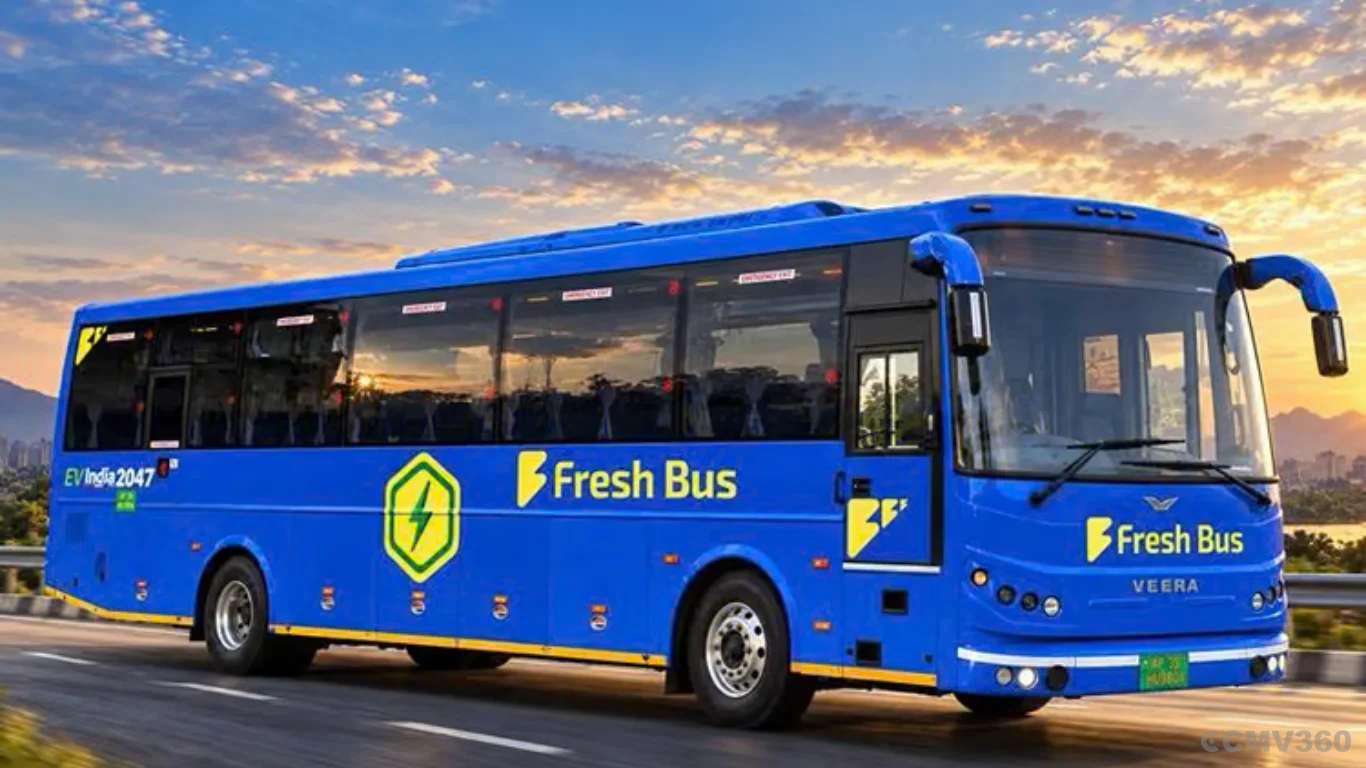
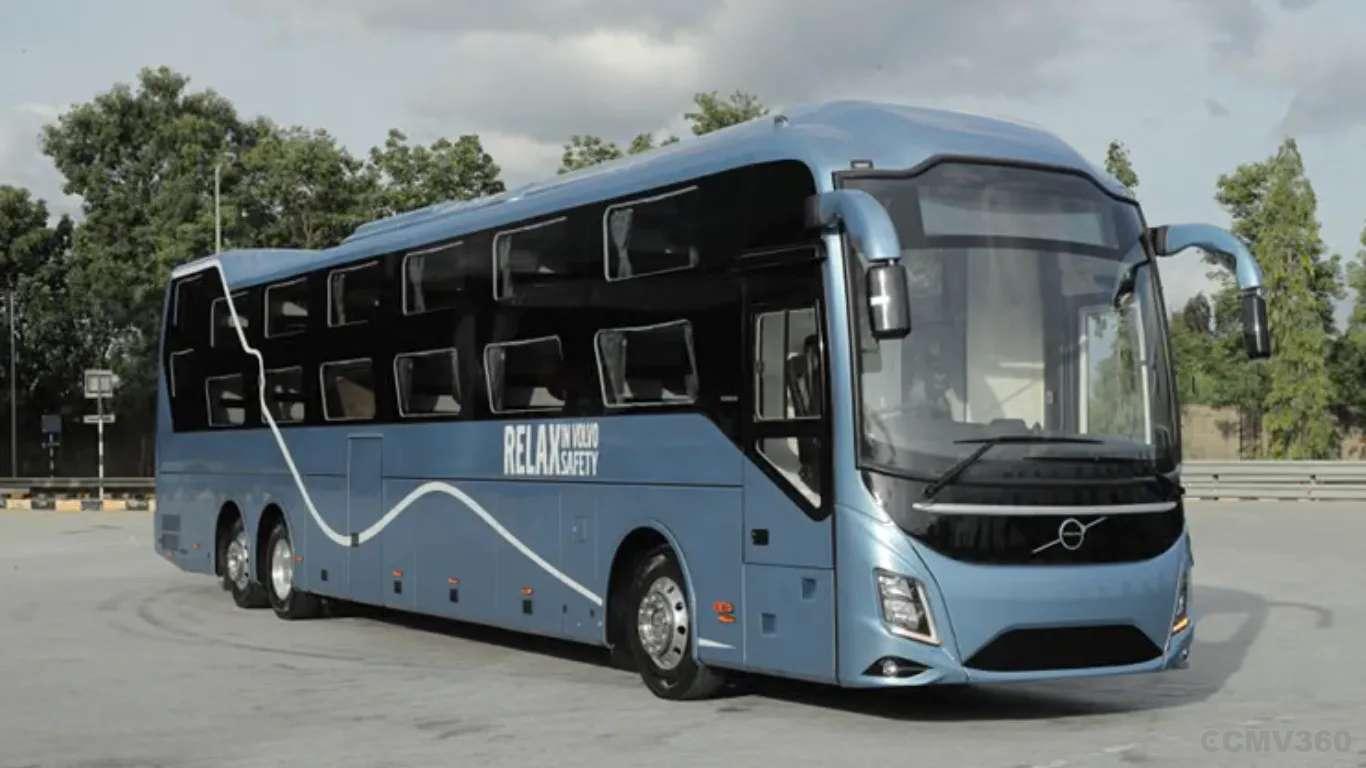
Urban Sphere, a key player in the sector, announced that 70% of its Ivoryline electric bus is developed and manufactured in India. The company's R&D facility in Vassanthanarsapura Industrial Area, Tumkur District, Karnataka, contributed significantly to this achievement. Collaboration with Micro, Small, and Medium Enterprises (MSMEs) has also played a crucial role in localizing production.
Challenges in Electric Bus Operations
A recent study in Ahmedabad has raised concerns about air quality inside public buses. The research found that electric buses had higher concentrations of particulate matter compared to diesel buses, especially during evening rush hours. The study attributed this to limited air exchange and ventilation in electric buses.
Researchers measured particulate matter levels on various routes and observed that diesel buses offered better ventilation. This finding highlights the need for improved design and ventilation systems in electric buses to ensure passenger safety and comfort.
Key Transformation Steps Needed
Experts at the SIAT Expo 2024 outlined five essential steps for effective electric bus implementation. These include enhancing local manufacturing, improving bus design for better ventilation, strengthening collaboration with MSMEs, conducting regular air quality assessments, and ensuring robust maintenance protocols. Addressing these areas will help maximize the benefits of electric buses and support India's clean mobility goals.

Robin Kumar Attri is a content and video professional with 2.7 years of experience in the commercial vehicle d .....