Electric Bus Penetration in India to Double Next Fiscal - CRISIL Ratings
 Add CMV360 on Google
According to CRISIL, e-bus sales are growing in only the public sector because of the efforts of the Indian government and adoption in the private sector is at the lowest.

By Jasvir
Electric bus sales in India are expected to double as per CRISIL Ratings, mainly because of many government initiatives such as FAME and NEBP.
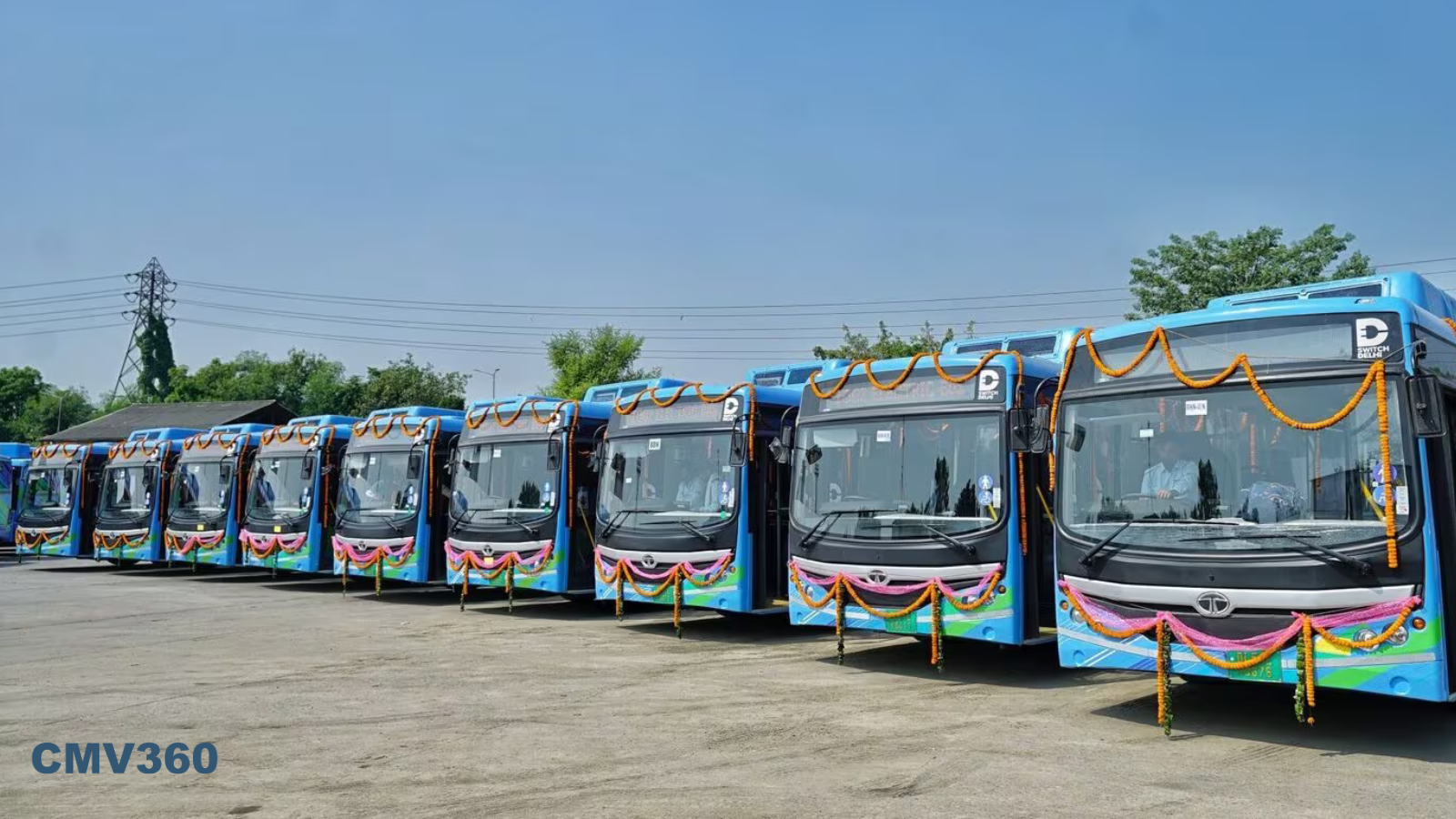
New electric bus sales in India are expected to double to 8% in the upcoming financial year 2024-25 from the previous 4% last fiscal year as per CRISIL Ratings. In India, as many as 5,760 units of electric buses have been deployed and an additional 10,000 units will be deployed in this and the next fiscal, the report stated.
Reason for Rapid Growth in Electric Bus Sales
India’s electric bus fleet has grown rapidly mainly because of schemes such as the Fast Adoption and Manufacturing of (Hybrid &) Electric Vehicles (FAME) and the National Electric Bus Programme (NEBP) which were launched in 2015 and 2022 respectively.
The State Transportation Units are procured mainly through two models: Gross Cost Contract (GCC) and outright purchase.
According to CRISIL, e-bus sales are growing in only the public sector because of the efforts of the Indian government and adoption in the private sector is at the lowest. The private sector makes up about 90% of total buses in India and their contribution is also critical to speed up e-bus growth in the country.
Also Read- Electric Buses in Ladakh Covers 1 Lakh km in a Year
Future of Electric Buses and its Challenges
The Director of CRISIL Ratings - Sushant Sarode said, “Growth in e-bus is also supported by favourable ownership economics. TCO for e-buses is estimated to be 15-20% lower than ICE and CNG buses, over an estimated lifespan of 15 years with breakeven in 6-7 years.”
The initial acquisition cost of an e-bus is twice compared to an ICE or CNG bus, but it is expected to reduce because of factors such as increasing demand, localisation and reducing battery costs, the report stated.
In addition, India is also facing challenges in the charging infrastructure sector which is a critical component for inter city applications.
The recently announced PM e-bus sewa, which aims to introduce 10,000 new e-buses in 169 different cities across India under a Public Private Partnership (PPP) model, will also help increase the adoption of electric buses, sai Pallavi Singh, Team Leader, CRISIL Ratings.
According to the Vahan data, a total of 2,006 units of electric buses have been sold in the eleven months of 2023. India is already moving at an astounding rate when it comes to electric bus adoption which is only going to be faster in the future.