Delhi Approves ₹15,000 Crore EV Policy: Only Electric Three-Wheelers and N1 Trucks Can Be Registered from January 1, 2027
 Add CMV360 on Google
Delhi approves a ₹15,000 crore EV Policy with subsidies, scrappage incentives, EV charging expansion, and mandatory electric registrations for three-wheelers and N1 trucks from 2027.

By Robin Kumar Attri

Key Highlights
₹15,000 crore EV Policy approved by Delhi.
Only electric 3-wheelers and N1 trucks from 2027.
Up to ₹50,000 subsidy for electric 3-wheelers.
₹1 lakh incentive for N1 electric trucks.
32,000 EV charging points planned across Delhi.
The Delhi Government has approved a new Electric Vehicle (EV) Policy with a budget of ₹15,000 crore to accelerate the adoption of electric commercial vehicles across the national capital. The policy, announced by Chief Minister Rekha Gupta, came into effect on July 1, 2026, and will remain valid until March 31, 2030.
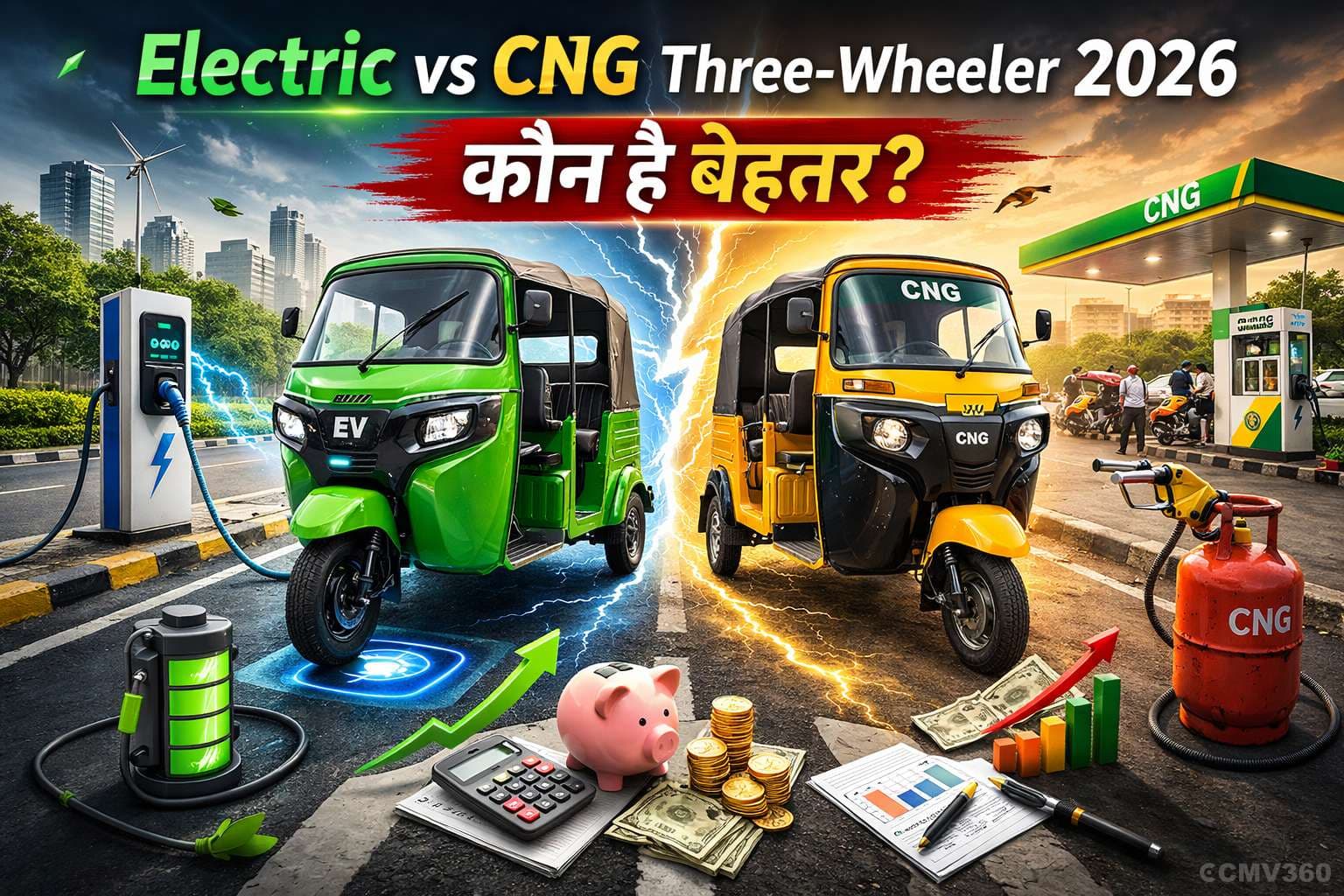
The new policy introduces several measures, including purchase subsidies, scrappage incentives, and a major expansion of EV charging infrastructure. One of its biggest decisions is that only electric three-wheelers and N1 category light commercial trucks will be eligible for new registration in Delhi from January 1, 2027.
Also Read: Delhi Approves EV Policy 2.0 with Rs 15,000 Crore Investment for Electric Three-Wheelers
Delhi's Push Towards Cleaner Commercial Transport
The Delhi Government has placed a strong focus on commercial vehicles as part of its clean mobility plan. According to Transport Commissioner Niharika, commercial goods vehicles contribute nearly 33% of Delhi's air pollution.
To tackle this issue, the government aims to encourage fleet operators, logistics companies, transport businesses, and commercial vehicle owners to switch from diesel-powered vehicles to electric alternatives. The move is expected to reduce emissions while improving air quality across the city.
Only Electric Three-Wheelers and N1 Trucks Can Be Registered from 2027
A major feature of the new EV policy is the restriction on new registrations of certain commercial vehicles.
Starting January 1, 2027, Delhi will allow the registration of only:
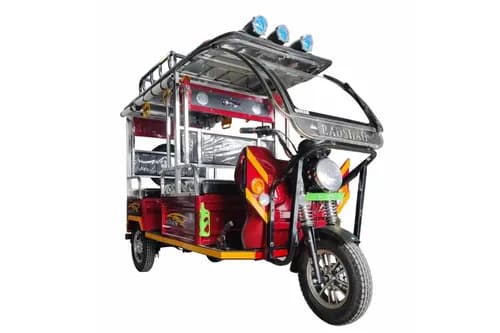
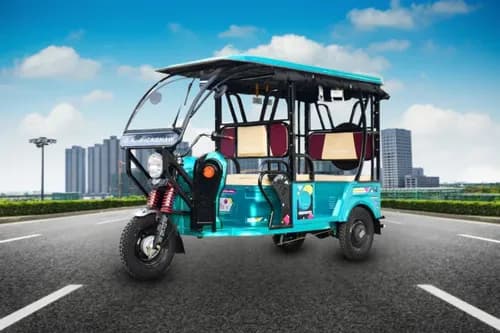
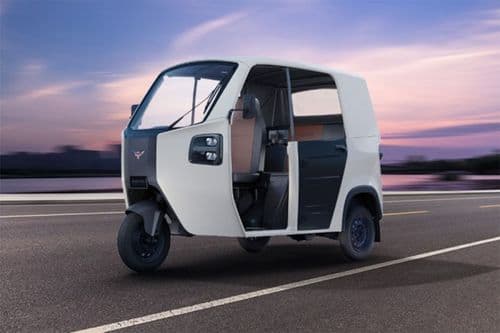
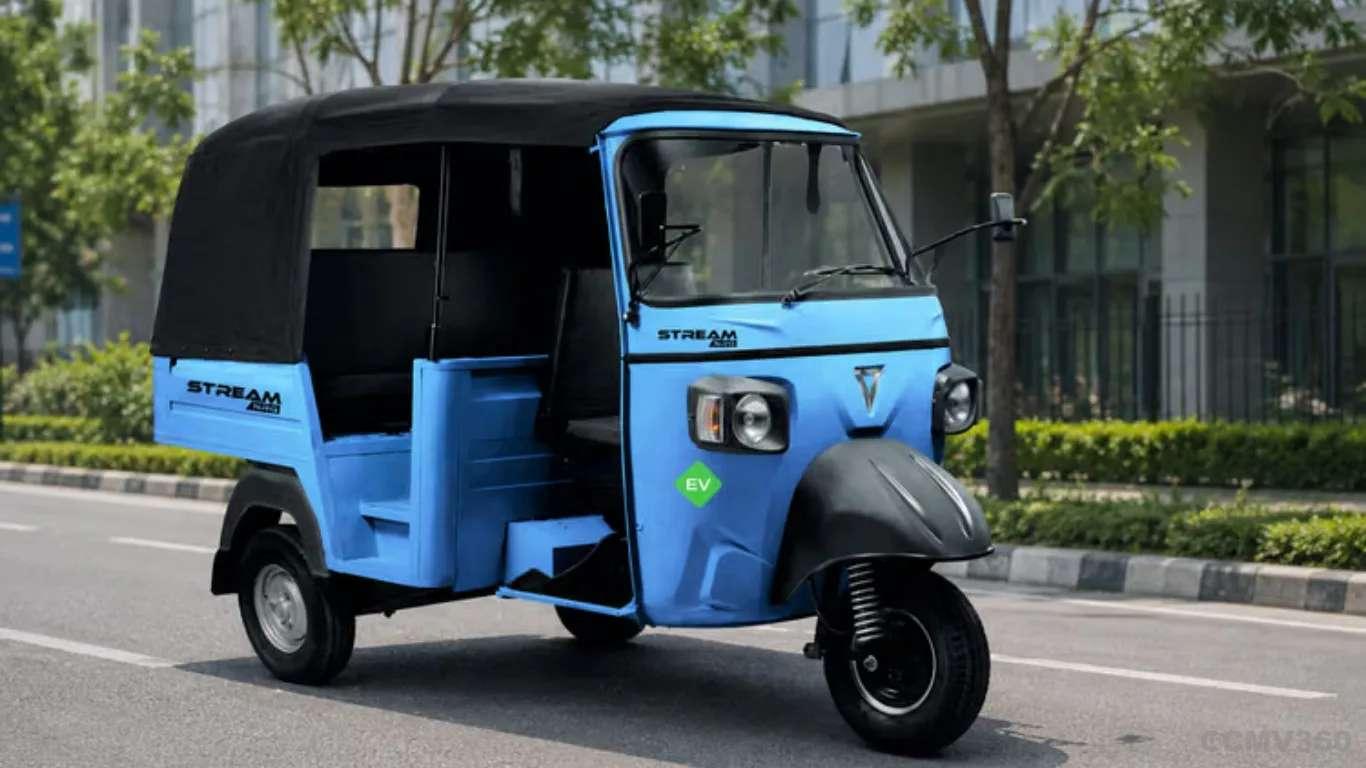
Electric three-wheelers
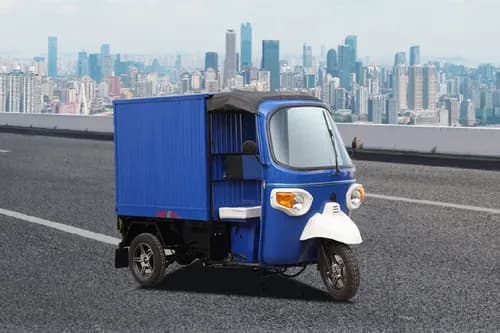
Electric N1 category light commercial trucks
This rule is expected to significantly increase the adoption of electric commercial vehicles in the city.
Purchase Incentives for Electric Commercial Vehicles
To make electric vehicles more affordable, the Delhi Government has announced financial incentives for buyers during the initial years of the policy.
Incentives for Electric Three-Wheelers
Eligible buyers of electric three-wheelers will receive purchase subsidies for the first three years:
Policy Year | Purchase Incentive |
First Year | ₹50,000 |
Second Year | ₹40,000 |
Third Year | ₹30,000 |
These incentives are aimed at reducing the upfront cost of electric three-wheelers and encouraging more operators to make the switch.
₹1 Lakh Subsidy for N1 Electric Trucks
Buyers of N1 category electric light commercial trucks will receive a ₹1 lakh purchase subsidy during the first year of the policy.
The government expects this incentive to encourage logistics companies and businesses to replace conventional diesel trucks with electric models.
Scrappage Incentives for Replacing Older Commercial Vehicles
The policy also offers financial support to owners who scrap older commercial vehicles and replace them with electric vehicles.
The scrappage incentives include:
Vehicle Category | Scrappage Incentive |
BS-IV Three-Wheeler | ₹25,000 |
BS-IV N1 Truck | ₹50,000 |
Gramin Seva Vehicle | ₹15,000 |
Eligible BS-IV or Older Four-Wheel Commercial Vehicle | ₹1 lakh |
These incentives are designed to speed up fleet modernisation while reducing pollution from ageing commercial vehicles.
Delhi to Install 32,000 EV Charging Points
To support the growing number of electric vehicles, the Delhi Government plans to install 32,000 EV charging points across the city over the next four years.
The charging infrastructure will be developed with funding from both the PM e-Drive Scheme and the Delhi Government. The expanded charging network is expected to make EV ownership more convenient for commercial vehicle operators.
Key Highlights of Delhi's New EV Policy
Delhi has approved a ₹15,000 crore EV Policy.
The policy is effective from July 1, 2026, to March 31, 2030.
Only electric three-wheelers and N1 light commercial trucks can be newly registered from January 1, 2027.
Electric three-wheelers will receive purchase incentives of up to ₹50,000.
N1 electric trucks will get a ₹1 lakh purchase subsidy in the first year.
Scrappage incentives are available for BS-IV three-wheelers, N1 trucks, Gramin Seva vehicles, and eligible four-wheel commercial vehicles.
The government plans to install 32,000 EV charging points across Delhi within four years.
What This Means for Commercial Vehicle Owners
The new EV policy provides a clear roadmap for the future of commercial transportation in Delhi. Businesses involved in logistics, goods transport, and passenger services will need to prepare for the shift towards electric mobility as only electric three-wheelers and N1 trucks will be eligible for new registration from 2027.
With attractive purchase subsidies, scrappage incentives, and a large-scale charging infrastructure rollout, the policy aims to lower ownership costs and encourage faster adoption of electric commercial vehicles. Overall, the initiative is expected to play an important role in reducing vehicle emissions and supporting Delhi's long-term goal of cleaner and more sustainable urban transport.
Also Read: Mahindra Retains India's No.1 Electric CV Position, Sells 35,133 EVs in Q1 FY27 with 83.5% Growth
CMV360 Says
Delhi's new ₹15,000 crore EV Policy marks a major step towards cleaner commercial transportation. By encouraging electric three-wheelers and N1 trucks through purchase subsidies, scrappage incentives, and expanded charging infrastructure, the government aims to reduce pollution and modernise commercial fleets. With only electric registrations allowed for these vehicle categories from 2027, businesses will need to prepare for the transition to electric mobility while benefiting from financial support.

Robin Kumar Attri is a content and video professional with 2.7 years of experience in the commercial vehicle d .....