Delhi Approves EV Policy 2.0 with Rs 15,000 Crore Investment for Electric Three-Wheelers
 Add CMV360 on Google
Delhi's EV Policy 2.0 allocates Rs 15,000 crore over four years to promote electric vehicles, mandates only electric three-wheelers for new registration from 2027, and offers incentives to replace old CNG auto-rickshaws.

By Akansha Trivedi

Key Highlights
- Delhi Cabinet approves Rs 15,000 crore investment for EV Policy 2.0 over four years
- Only electric three-wheelers allowed for new registration in Delhi from January 1 2027
- Demand incentives of Rs 50,000 for replacing old CNG auto-rickshaws in the first year
- Policy aims to reduce air pollution by prioritizing electrification of high-usage vehicle categories
- OEMs required to ensure charging infrastructure and timely supply of electric vehicles
Key Policy Measures and Incentives
The Delhi government aims to reduce air pollution by promoting clean transportation. The new policy focuses on targeted incentives, infrastructure expansion, and strict regulations. The Delhi Electric Vehicle Policy 2026-2030 seeks to boost EV uptake, improve air quality, and create a supportive environment for EV mobility.
According to the Commission for Air Quality Management’s (CAQM) recent report to the Supreme Court, vehicle emissions contribute 23% of Delhi's air pollution during winter. Three-wheelers, commercial vehicles, and N1 category goods vehicles have a significant impact due to their high usage and mileage. The policy prioritizes electrification of these categories to achieve long-term air quality improvements.
All purchase incentives under EV Policy 2.0 will be disbursed via direct benefit transfer. Eligible Delhi residents, proprietary firms, agencies, or companies with Delhi-registered vehicles can apply for subsidies. The application process will be managed by the Transport Department of the Government of the National Capital Territory of Delhi (GNCTD).
Electric Three-Wheeler Mandate and Industry Impact
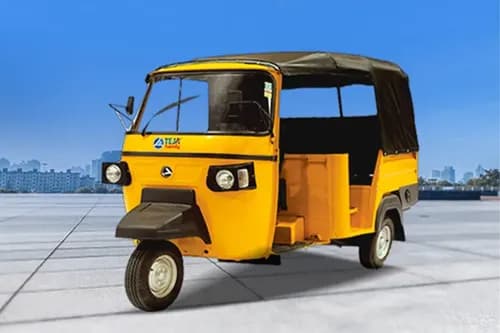
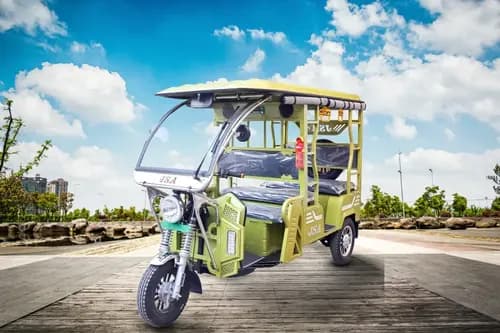
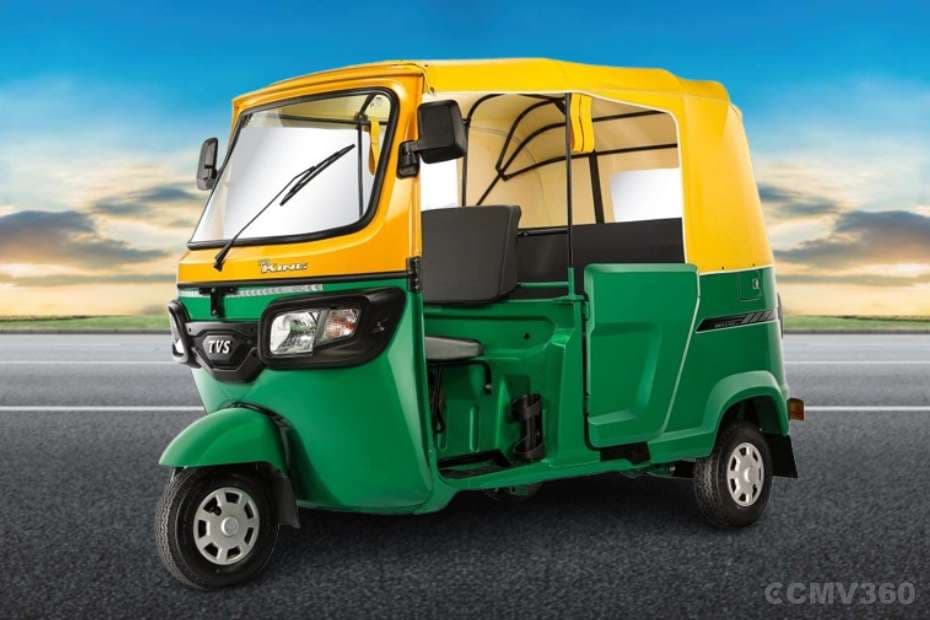
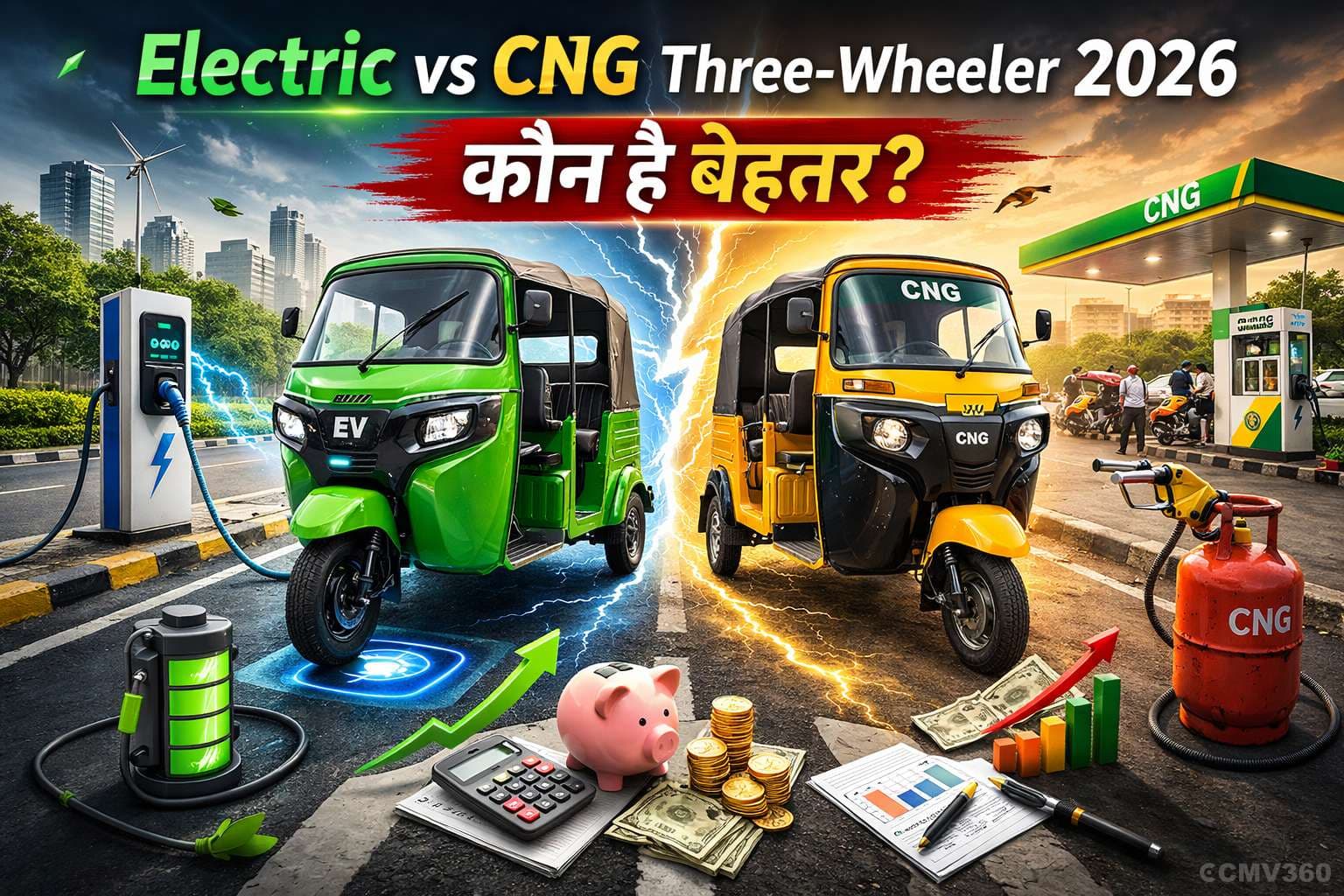
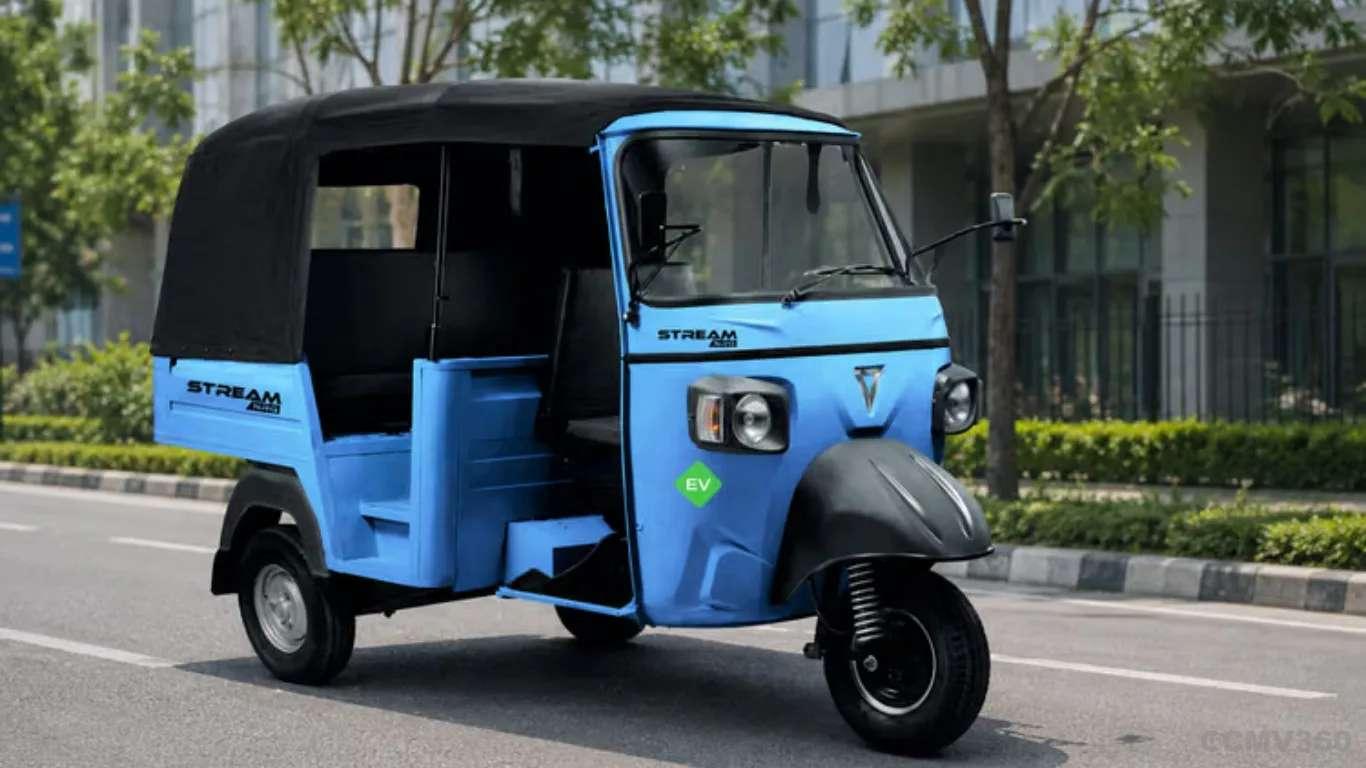
The policy mandates that only electric three-wheelers (L5) can be registered in Delhi from January 1, 2027. The CAQM has recommended banning new CNG three-wheeler registrations in line with this mandate. CNG three-wheelers serve as crucial last-mile mobility for middle- and lower-class citizens, supporting around one lakh permit holders and thousands of employees, financiers, and fleet operators.
The industry has raised concerns about the mandate for electric auto-rickshaws in the L5M category. Restrictions on new registrations may disrupt fleet renewal and affect the existing ecosystem.
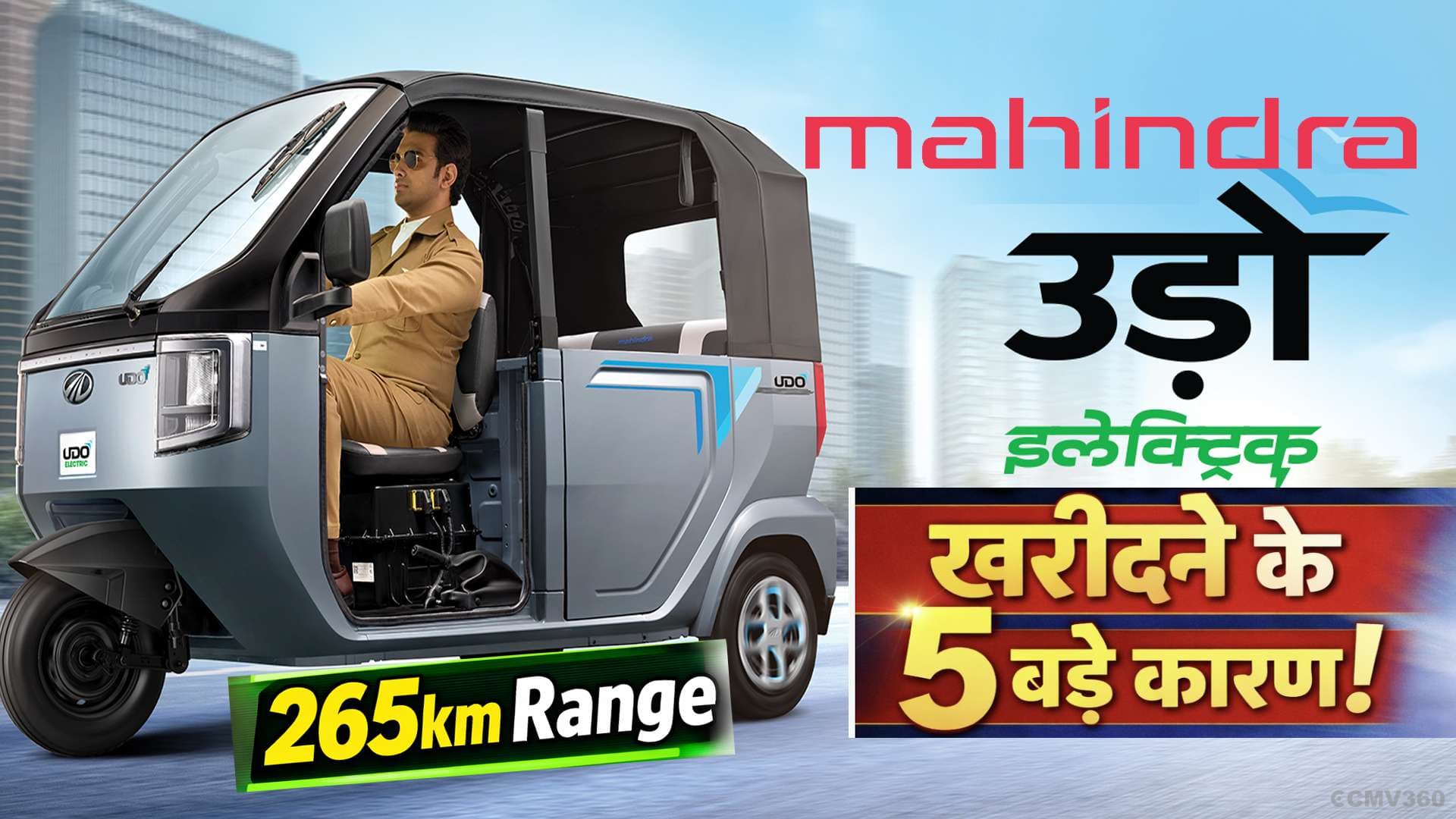
For L5M electric three-wheeler auto-rickshaws, the demand incentive structure is as follows: In the first year from notification, buyers receive Rs 50,000. When purchasing a new electric three-wheeler, a scrapping incentive of Rs 25,000 is available if the purchase occurs within six months of obtaining a Certificate of Deposit from an authorized scrapping facility. This applies to dismantling L5M three-wheelers registered in Delhi that are BS-IV or lower.
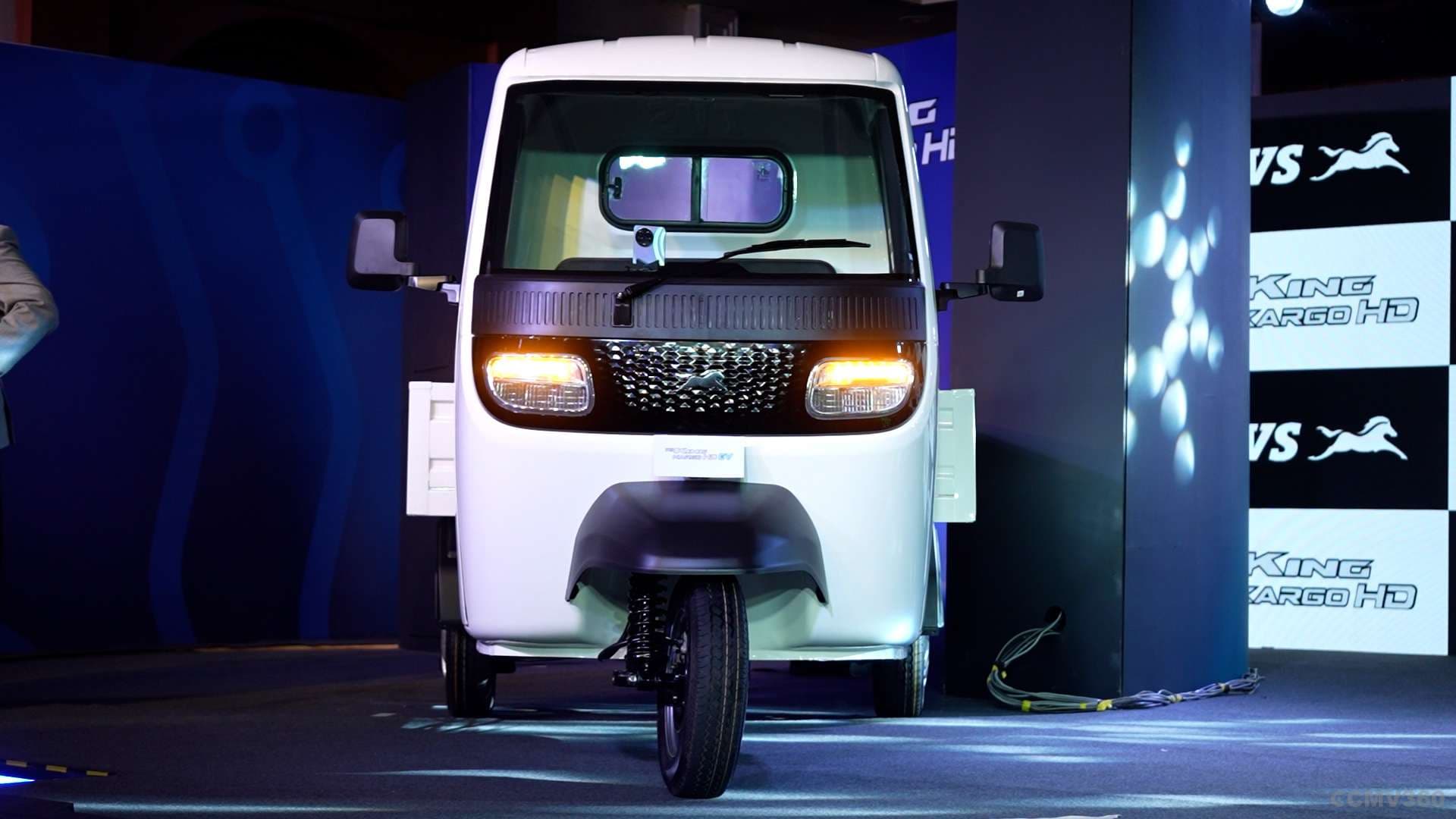
Original Equipment Manufacturers (OEMs) must ensure timely supply of eligible electric vehicles during the policy term. Each OEM operating in Delhi is required to equip every dealer with at least one public EV charging station, with a minimum of three charging stations for two- and three-wheelers.
Infrastructure and Supply Chain Development
The policy encourages the development of a robust EV supply chain, including component recovery, battery recycling, and maintenance. It aims to reduce reliance on internal combustion engine vehicles and ensure transparent, cost-effective implementation. The government seeks to expand both public and private charging infrastructure across Delhi to support the transition.

Hello! I'm Akansha. I write news and articles on buses, three-wheelers, trucks, and everything in between at C .....