Bhopal to Roll Out 100 Electric Buses in Green Transport Push
 Add CMV360 on Google
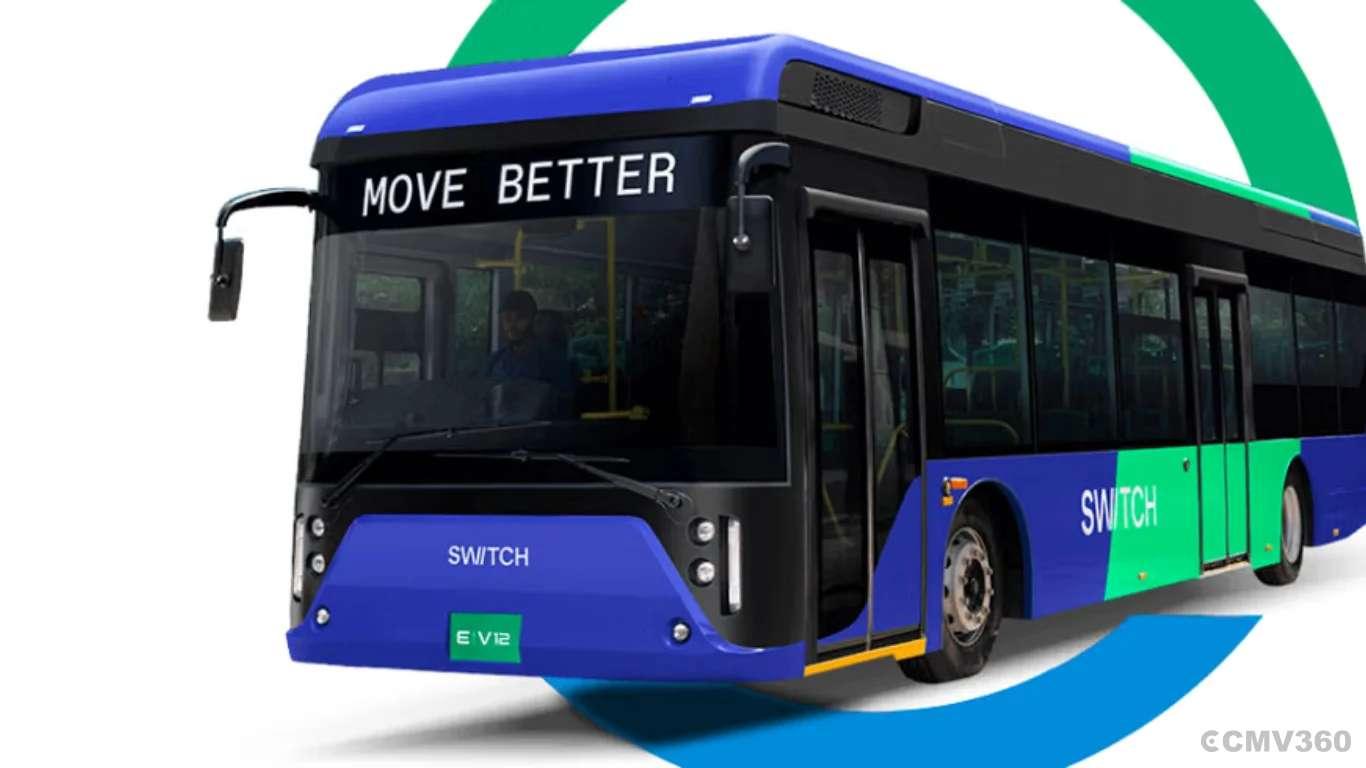
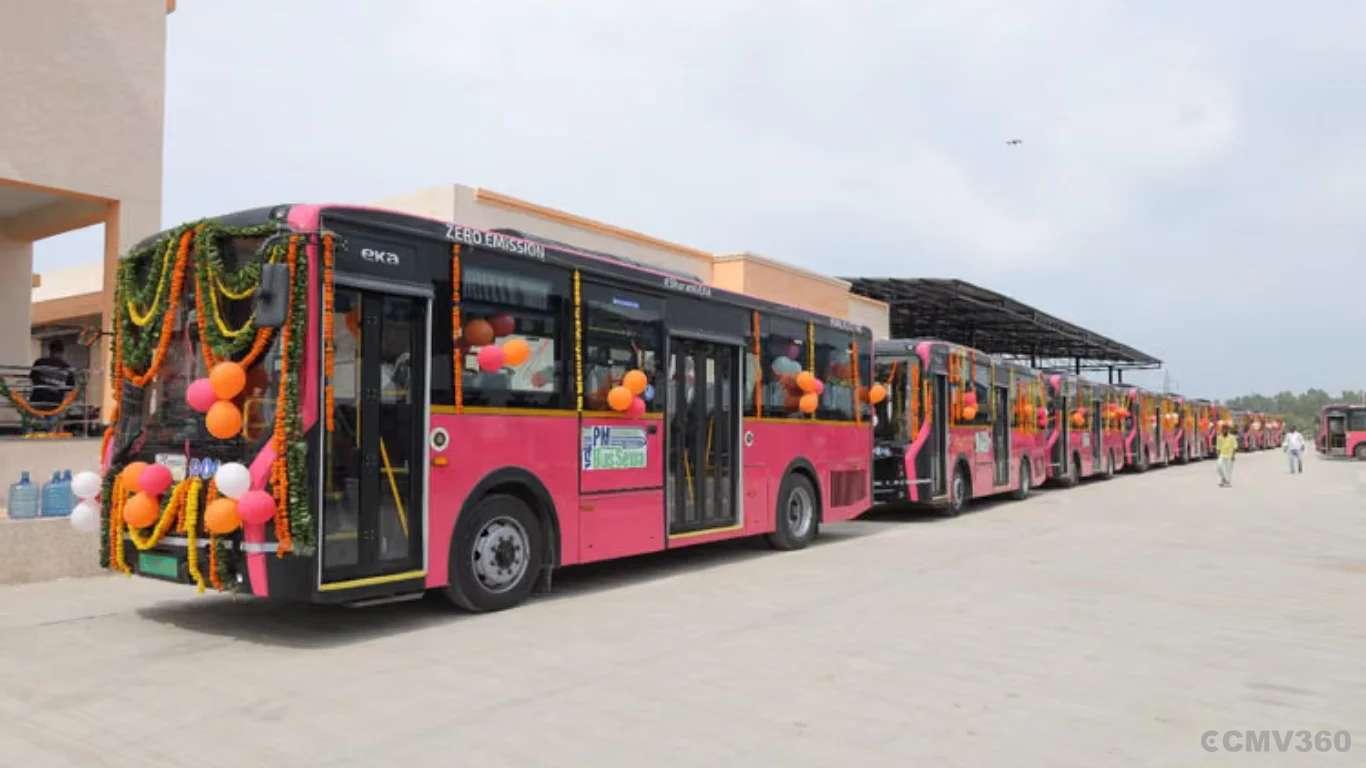
Around 100 electric buses are set to transform public transport in Bhopal within a year as part of the PM e-Bus Sewa scheme.

By Priya Singh
Key Highlights:
- Bhopal will see 100 electric buses on its roads within a year, part of the PM e-Bus Sewa scheme.
- Indore, Jabalpur, Sagar, Gwalior, and Ujjain will also introduce e-buses, totalling 432 across the state.
- Contractors will manage electric buses, tasked with infrastructure development.
- Each electric bus receives a Rs 22/km grant.
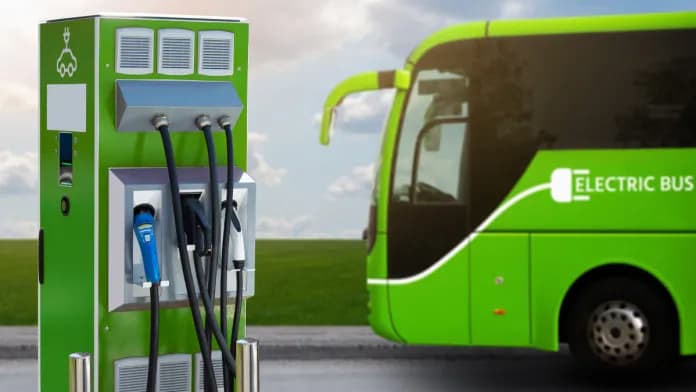
To improve public transportation, Bhopal is gearing up to introduce around 100 electric buses on its roads within the next year. This initiative is part of the PM e-Bus Sewa scheme, aimed at promoting eco-friendly commuting options across the nation.
Apart from the state capital, other major cities in Madhya Pradesh will also witness a surge in electric buses. Indore will see 150 e-buses, Jabalpur 100, Sagar 32, and Gwalior and Ujjain will each have 30. Additionally, Ujjain and Gwalior are expected to receive 70 and 40 7-meter electric buses respectively.
This move will reduce the dependency on fossil fuels, particularly in Bhopal, where CNG in public transport was not introduced. However, recent efforts, such as the introduction of CNG vehicles in the Bhopal Municipal Corporation for garbage collection, have demonstrated a shift towards cleaner energy alternatives.
Operated by contractors, these electric buses promise low emissions and will contribute to reducing the city's carbon footprint. Unlike the existing Bhopal City Link Limited (BCLL) model, contractors will also be responsible for developing allied electric and civil infrastructure, further enhancing the city's eco-friendly transport ecosystem.
The procurement of e-buses is managed centrally by the public sector undertaking, Convergence Energy Services Limited (CESL). Assured kilometres per month for the electric buses are set at 4800km for 7-meter buses and 5400km for 9-meter buses.
Also Read: JBM Launches Eco-Friendly Electric Buses in Odisha
To incentivize the adoption of electric buses, grant support of Rs 22 per km will be provided. This support is expected to facilitate financial sustainability for public transport operators like BCLL, which currently require doubling their earnings to achieve a no-profit, no-loss operation.
Experts estimate that the revenue collection for BCLL stands at approximately Rs 20 to Rs 25 per kilometer, while the operational cost of diesel buses amounts to about Rs 40 per kilometer. Presently, the state government doesn't provide any viability gap funding. However, neighboring states extend a conditional grant of Rs 5 per kilometer, as per expert analysis.
CMV360 Says
The introduction of electric buses not only signifies a commitment towards environmental conservation but also marks a significant step towards modernizing public transportation infrastructure in Bhopal and other major cities in Madhya Pradesh. With these efforts, the state aims to set a precedent for sustainable urban mobility and inspire similar initiatives across the country.

Hi there! I'm Priya. From trucks to vans and everything in between, I'm here to provide you with up-to-date in .....