Ashok Leyland Q3 Results: Record Profit After GST 2.0 Boost
 Add CMV360 on Google
Ashok Leyland posts record Q3 profit with 45% growth. Strong GST impact, rising MHCV and LCV volumes, and over 30% market share drive performance.

By Robin Kumar Attri

Key Highlights
Revenue up 22% to ₹11,534 crore.
Net profit jumped 45% to ₹1,105 crore.
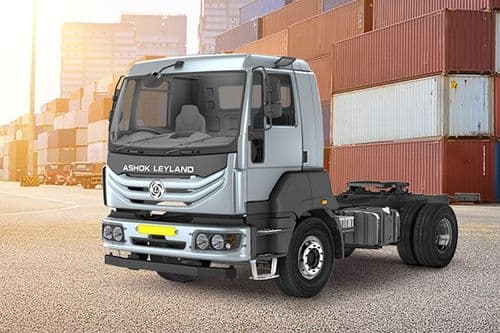
MHCV volumes grew 23% to 32,929 units.
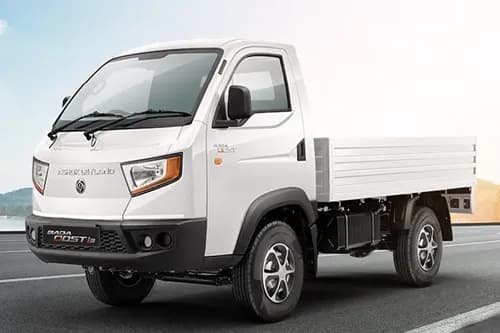
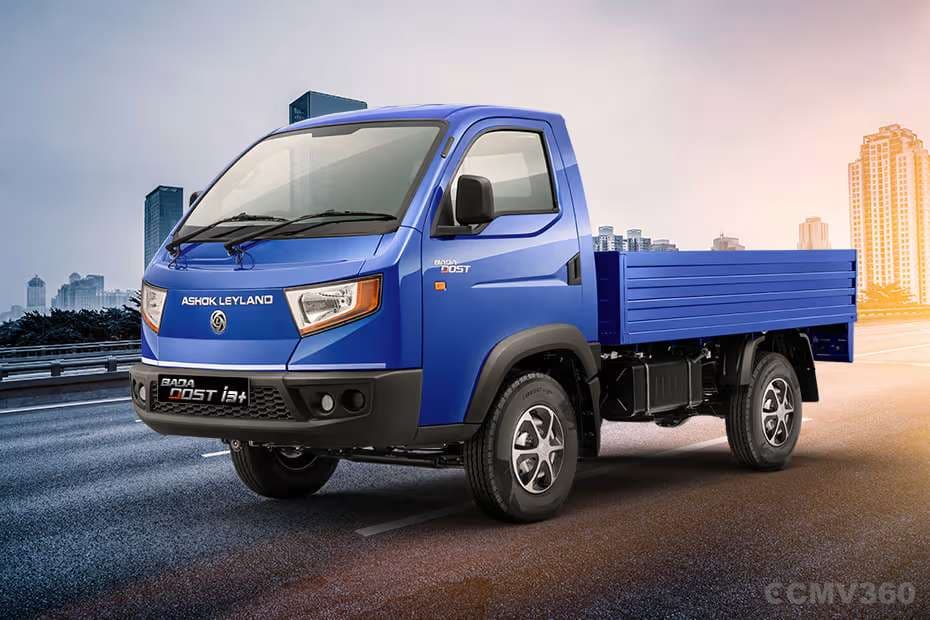
LCV volumes surged 30% to 20,518 units.
MHCV market share held above 30%, buses at 40%.
Ashok Leyland Ltd has delivered its best-ever third-quarter performance, supported by GST 2.0 rationalisation and strong demand in the commercial vehicle (CV) sector. The Chennai-based company reported sharp growth in revenue, profit, and volumes, clearly outperforming the industry in key segments.
According to company leadership, the recent GST reforms have reshaped the commercial vehicle industry and triggered a fresh replacement cycle across India’s aging fleet.
Record Q3 Financial Performance
Ashok Leyland posted strong numbers in Q3:
Revenue: ₹11,534 crore, up 22% year-on-year
Standalone Net Profit: ₹1,105 crore, up 45% (excluding one-time labour code charge)
The company stated that GST rationalisation at the beginning of the quarter acted as a major growth trigger. The policy not only reduced vehicle acquisition costs but also stimulated overall freight demand across the country.
CEO & MD Shenu Agarwal said that GST rationalisation has lowered prices and given a fillip to freight demand. He highlighted that the policy shift has sparked a fresh replacement cycle, especially as the average age of India’s commercial vehicle fleet is currently at an all-time high.
Volume Growth Beats Industry
Ashok Leyland’s domestic volume growth in Q3 outpaced overall industry growth across segments.
MHCV Segment (Medium and Heavy Commercial Vehicles)
Ashok Leyland Growth: 23% (32,929 units)
Industry Growth: 21%
Market Share: Above 30%
Bus Segment Share: 40%, leading the segment
LCV Segment (Light Commercial Vehicles)
Ashok Leyland Growth: 30% (20,518 units)
Industry Growth: 23%
The company’s performance reflects strong demand in both cargo and passenger vehicle segments.
Executive Chairman Dheeraj Hinduja stated that market conditions remain favourable across MHCV, LCV, and Defence businesses. He added that the company is optimistic about sustaining this strength in the medium term across all business segments.
How GST 2.0 Changed the Industry
Management believes that the latest GST rationalisation has fundamentally changed the economic landscape of the commercial vehicle industry.
The reform has:
Reduced the initial cost of vehicle acquisition
Boosted freight movement and logistics demand
Encouraged fleet owners to replace older vehicles
Supported overall industrial and consumption growth
With lower acquisition barriers and improving freight demand, the commercial vehicle sector has emerged as a direct beneficiary of policy-driven growth.
Strong Outlook Ahead
Company leadership believes the current cycle shows how tax policy can directly influence industrial volume growth. As India moves towards becoming a $5 trillion economy, the link between fiscal reforms and freight demand is becoming stronger.
With favourable market conditions across MHCV, LCV, and Defence segments, Ashok Leyland expects sustained growth momentum in the coming quarters. The company is well-positioned to benefit from continued economic expansion and logistics modernisation in India.
Also Read: JBM Electric Buses Cross 3,000 Fleet Mark After New Deployments in Delhi and Gandhinagar
CMV360 Says
Ashok Leyland’s record Q3 performance highlights the strong impact of GST 2.0 on India’s commercial vehicle sector. With higher revenues, rising profits, and industry-leading volume growth, the company has strengthened its market position across MHCV and LCV segments. Supportive market conditions and a fresh vehicle replacement cycle are driving demand. As freight movement improves, Ashok Leyland appears well-positioned to sustain growth momentum in the coming quarters.

Robin Kumar Attri is a content and video professional with 2.7 years of experience in the commercial vehicle d .....