ICV vs HCV Trucks: Which Is More Profitable in 2026?
 Add CMV360 on Google
ICV vs HCV trucks in 2026 explained with costs, mileage, ROI, maintenance, and profitability. A simple guide for Indian fleet owners to choose the most profitable truck type.

By Robin Kumar Attri

In 2026, India’s commercial vehicle industry stands at an important turning point. Rising logistics demand, steady infrastructure spending, BS-VI Phase 2 emission norms, and pressure on operating margins have made truck profitability a top priority for fleet owners and transporters.
One of the most common and critical questions today is: Should you invest in ICV trucks or HCV trucks to earn better profits in 2026?
Intermediate Commercial Vehicles (ICVs) and Heavy Commercial Vehicles (HCVs) serve very different transport needs. While ICVs are popular for regional and intra-city logistics, HCVs dominate long-haul and bulk freight movement. Profitability depends not only on payload but also on fuel efficiency, purchase cost, maintenance, downtime, resale value, and route type.
This detailed guide compares ICV vs HCV trucks in 2026 using real-world data, cost analysis, technical specifications, ROI metrics, and market trends, to help you make the right decision.
Also Read: Diesel vs CNG vs Electric Trucks in India 2026: Choosing the Right Truck for Your Business Needs
What Are ICV and HCV Trucks?
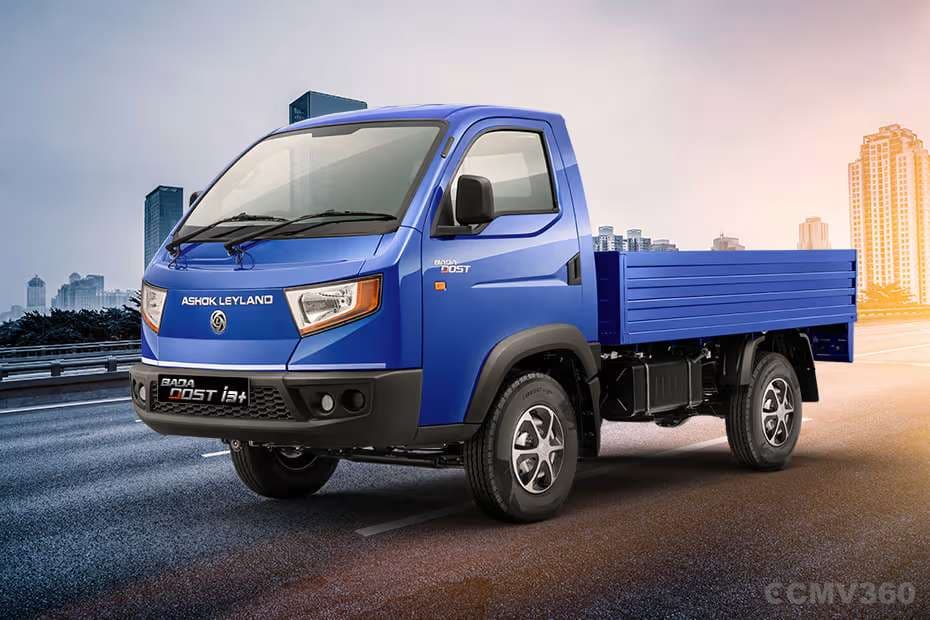
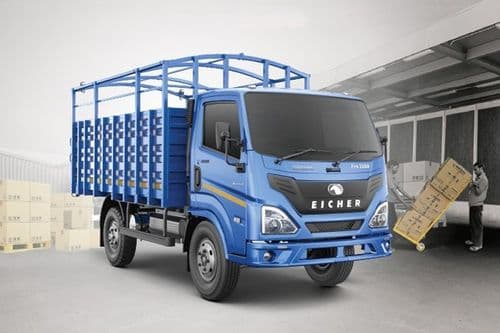
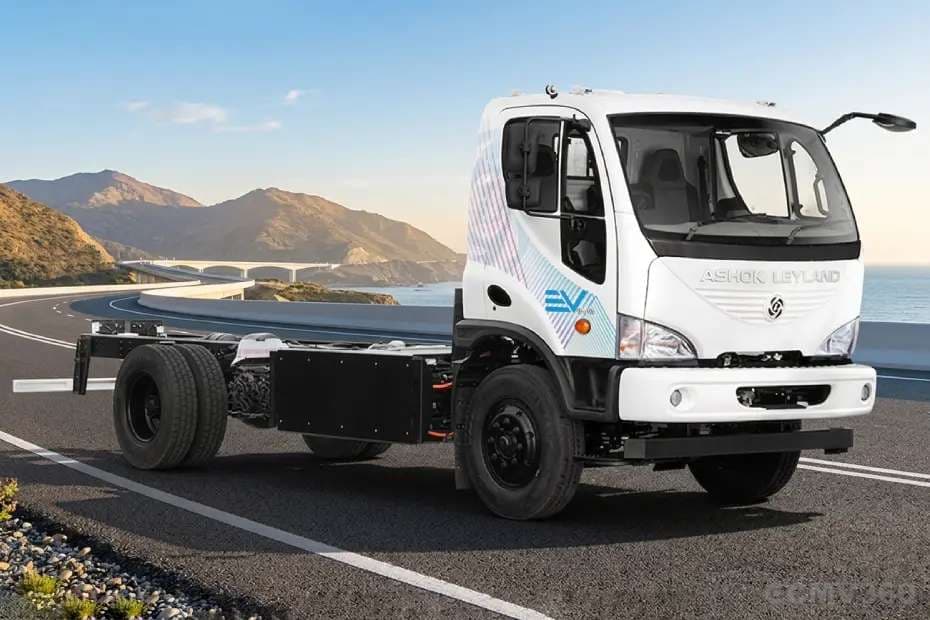
Intermediate Commercial Vehicles (ICVs)
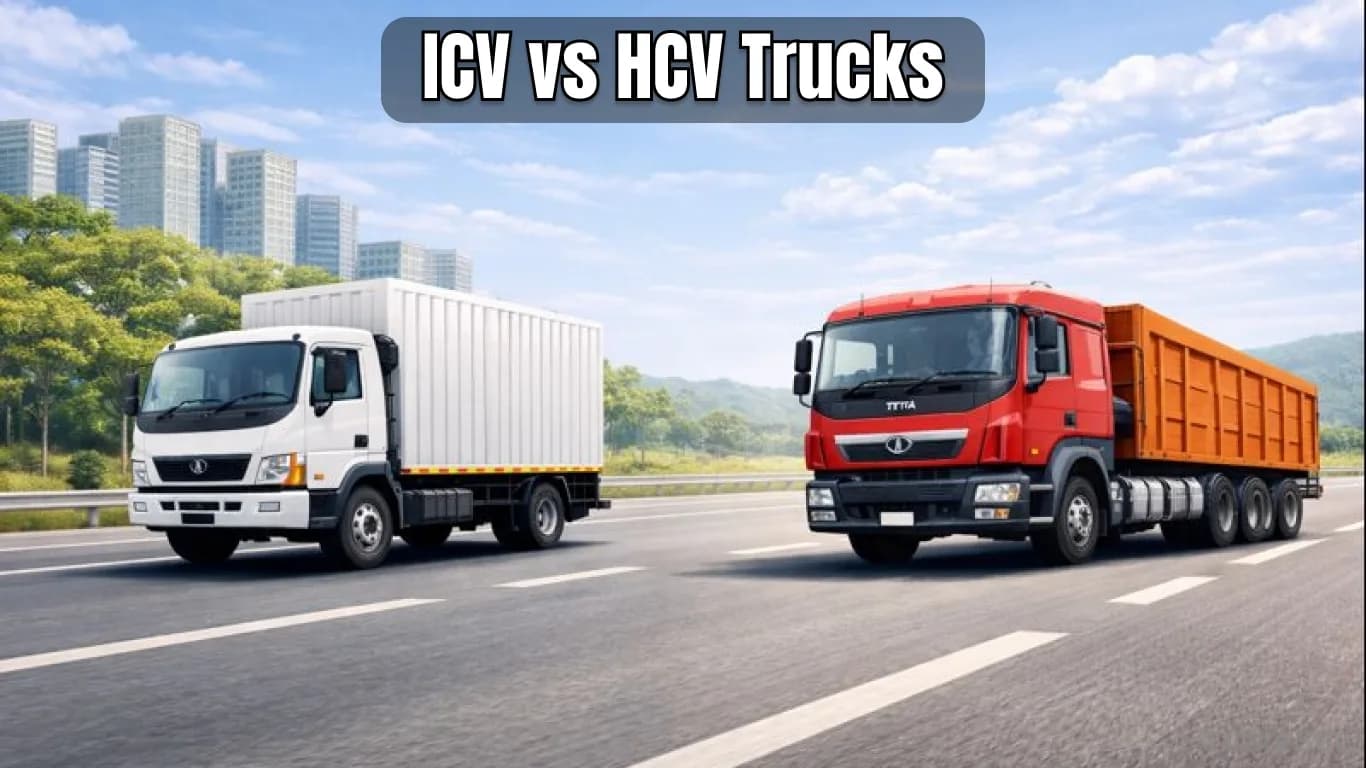
ICVs are mid-size trucks designed for regional, short-haul, and intra-city transport.
GVW Range: 7.5 to 16.2 tons (some up to 18–19 tons)
Ideal Use: City distribution, regional routes, construction materials, e-commerce deliveries
Typical Routes: Under 500 km, frequent loading/unloading
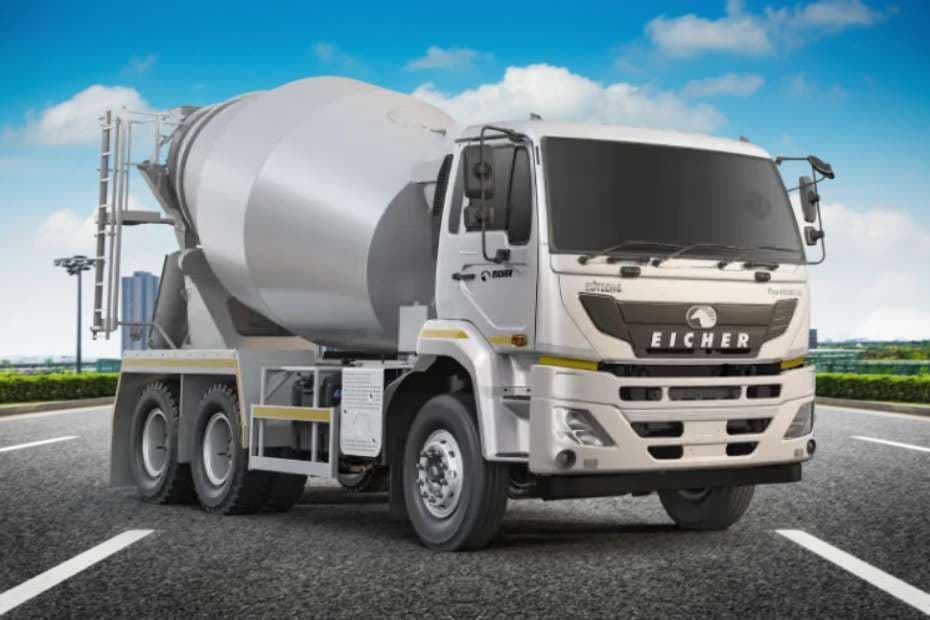
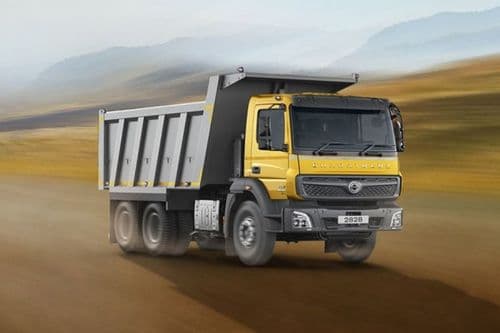
Heavy Commercial Vehicles (HCVs)
HCVs are heavy-duty trucks built for long-haul and high-volume freight movement.
GVW Range: Above 16–18 tons, up to 49 tons (multi-axle)
Ideal Use: Inter-state highways, bulk cargo, infrastructure projects
Typical Routes: 1,000 km+ long hauls
Why Comparing ICV vs HCV Is Important in 2026
Fleet operators must match the right truck type to their business model. In 2026, profitability is impacted by:
Fuel prices and mileage
Maintenance and downtime
BS-VI Phase 2 efficiency upgrades
Urban logistics growth
Infrastructure and highway expansion
A wrong choice can lock capital for years, while the right one can deliver 22–26% annual ROI.
Purchase Cost Comparison: ICV vs HCV
ICV Purchase Cost
ICVs are more affordable, making them ideal for small fleet owners and SMEs.
Price Range: ₹14 lakh to ₹25 lakh
Examples:
Mahindra Furio 12 – ₹21.94 - 22.89 Lakh
Tata 1012 LPT – ₹19.57 - 21.01 Lakh
HCV Purchase Cost
HCVs require a much higher upfront investment.
Price Range: ₹25 lakh to ₹50 lakh+
Examples:
Tata Prima series
Ashok Leyland 3718 IL
Key Insight: ICVs are usually 5 - 10% cheaper than comparable HCVs and allow faster entry into operations.
Payload Capacity: Revenue per Trip
Truck Type | Payload Capacity |
ICV | 5 - 12 tons |
HCV | 15 - 30+ tons |
HCVs clearly earn more per trip due to higher payload.
ICVs compensate with lower operating costs and faster trip cycles.
Fuel Efficiency Comparison in 2026
Fuel is the biggest operating cost for any truck.
Mileage Performance
Truck Type | Average Mileage |
ICV | 4 - 6 kmpl |
HCV | 3 - 5 kmpl |
ICVs are 20–30% more fuel-efficient per km
Optimized BS-VI engines suit stop-and-go regional routes
HCVs face higher drag and engine load on highways
Fuel Cost per km (2026)
Truck Type | Cost per km |
ICV | ₹2 - 3/km |
HCV | ₹3 - 4/km |
Annual Running and Usage Pattern
Factor | ICV | HCV |
Average Annual Distance | ~80,000 km | 1,00,000+ km |
Route Type | Regional/Urban | Long-haul highways |
Trip Frequency | High | Lower but longer trips |
Maintenance Cost Comparison
Annual Maintenance Costs
Aspect | ICV | HCV |
Annual Maintenance | ₹50,000 - ₹80,000 | ₹1.5 - 2.3 lakh |
Service Interval | 40,000 km | 30,000 km |
Downtime | Low | Higher |
Why ICVs Cost Less to Maintain
Simpler 4-cylinder engines
Smaller tyres and brakes
Cheaper spare parts (20–30% less)
Faster service turnaround
5-Year Ownership Cost Advantage
ICVs reduce total ownership cost by 7–15% compared to HCVs.
Technical Specifications Comparison
ICV Technical Specifications
Specification | Typical Range |
GVW | 7.5 - 16.2 tons |
Engine | 4-cyl, 3.7 - 5.6L |
Power | 140 - 200 HP |
Torque | 450 - 850 Nm |
Gearbox | 6-speed manual |
Fuel Tank | 250 - 636 L |
Mileage | 4 - 6 kmpl |
Payload | 5 - 12 tons |
Turning Radius | 17 - 21.6 m |
Gradeability | 20 - 30% |
HCV Technical Specifications
Specification | Typical Range |
GVW | 18 - 49 tons |
Engine | 6 - 8 cyl, 5–7L |
Power | 200 - 400+ HP |
Torque | 700 - 1700 Nm |
Gearbox | 9 - 16 speed |
Fuel Tank | 300 - 500 L |
Mileage | 3 - 5 kmpl |
Payload | 15 - 30+ tons |
Turning Radius | 20 - 24 m |
Gradeability | 30 - 40%+ |
Resale Value After 5 Years
Truck Type | Resale Value |
ICV | 45 - 50% |
HCV | 40 - 50% (higher if well-maintained) |
HCVs retain value well if used for high-mileage highway runs
ICV resale is strong due to high demand in urban logistics
ROI Comparison: ICV vs HCV
Factor | ICV | HCV |
Average ROI | 22 - 25% | 20 - 26% |
Payback Period | <2 years | 3 - 4 years |
Operating Cost | Low | High |
Risk Level | Lower | Higher |
Brand Advantage: Tata ICVs deliver 23–26% ROI over 5 years, outperforming many competitors due to better fuel efficiency and service reach.
2026 Market Trends Impacting Profitability
CV industry growth: 3 - 5% in FY2026
Operating margins: Stable at 11 - 12%
Urban logistics boom: Favours ICV demand
Infrastructure projects: Support HCV sales
Fuel efficiency norms: Benefit lighter ICVs
EV transition: Gradually increasing pressure on HCV diesel economics
Advantages of ICV Trucks in 2026
Lower purchase cost
Better fuel efficiency
Faster ROI
Lower maintenance and downtime
Ideal for SMEs and regional operators
Easier urban maneuverability
Advantages of HCV Trucks in 2026
Higher payload and revenue per trip
Ideal for highways and bulk transport
Strong demand from the infrastructure sector
Good resale value for high-usage fleets
Also Read: Top 10 Electric Trucks in India 2026: Price, Range, & Payload
CMV360 Says
In 2026, ICV trucks emerge as the more profitable choice for most Indian fleet operators, especially those involved in regional, intra-city, and medium-distance transport. Their lower upfront cost, superior fuel efficiency, reduced maintenance, and quicker ROI make them a safer and more stable investment.
HCVs remain profitable only when the payload consistently exceeds 20 tons and routes are long-haul highways. Otherwise, higher fuel costs and downtime risks can impact margins.
Simple Rule to Decide
Choose ICVs → If your operations are regional, urban, or SME-focused
Choose HCVs → If your business depends on bulk, long-distance freight
In 2026, efficiency, not size, is the key to sustained trucking profits.

Robin Kumar Attri is a content and video professional with 2.7 years of experience in the commercial vehicle d .....