Types of Road Rollers in India: Best Models, Specifications, Uses and Prices in 2026
 Add CMV360 on Google
Explore different types of road rollers in India, including JCB, Caterpillar and HAMM models. Compare specifications, uses and estimated prices in 2026.

By Robin Kumar Attri

India's growing highway, expressway and infrastructure network has increased the demand for reliable road construction equipment. However, building a strong and durable road involves more than using quality construction materials. Proper soil preparation, compaction and asphalt finishing are equally important. Even a small mistake during compaction can affect road strength, surface quality and long-term durability.
Recent concerns over road infrastructure quality have also highlighted the importance of selecting the right construction machinery. Road rollers, commonly known as soil compactors, play a crucial role in removing air gaps, increasing soil density and creating a stable foundation for roads and highways. However, with several types of road rollers available in India, choosing the right machine can be challenging for contractors and construction businesses.
From single-drum soil compactors and double-drum vibratory rollers to pneumatic tyre rollers, each machine is designed for a different construction requirement. Manufacturers such as JCB, CASE, Caterpillar, HAMM, Volvo, LiuGong and SANY offer different models for small-scale road repairs, rural roads and large highway projects.
So, what are the different types of road rollers available in India, which models should contractors consider, and how much do these machines cost in 2026? Let's explore their applications, specifications, popular models and prices.
Also Read: Top 10 Most Popular JCB Attachments in India in 2026: Uses, Features and Buying Guide
Types of Road Rollers in India and Their Uses
Road rollers are available in different configurations depending on the material being compacted, project size and required surface finish. The most common types used in India include single-drum soil compactors, tandem vibratory rollers, mini tandem rollers and pneumatic tyre rollers.
Road roller type | Main application | Key feature |
Single-drum soil compactor | Soil, subgrade and road base | One steel drum with rear rubber tyres |
Double-drum tandem roller | Asphalt and bituminous roads | Two steel drums for uniform compaction |
Mini tandem roller | Footpaths, trenches and small roads | Compact size and easy manoeuvrability |
Pneumatic tyre roller | Asphalt sealing and finishing | Multiple rubber tyres for kneading action |
Static roller | Small repairs and light construction | Compacts through machine weight |
Backhoe vibratory attachment | Trenches and localised repairs | Compaction attachment for backhoe loaders |
1. Single-Drum Soil Compactor
A single-drum soil compactor is primarily used for compacting soil, gravel, crushed stone, embankments and road foundation layers. It features a large steel drum at the front and rubber tyres at the rear. Its weight and vibratory force help achieve deeper compaction, making it suitable for highways, expressways and infrastructure projects.
There are two major types of single-drum compactors: smooth drum and sheepsfoot compactors.
Smooth Drum Compactor
Smooth drum compactors feature a plain steel drum without projections or lugs. They use static weight and vibration to compact granular materials such as sand, gravel and crushed stone. These machines are particularly useful for subgrade, sub-base and base-course preparation.
Popular smooth drum compactor models in India:
Model | Drum width | Engine power | Operating weight |
CASE 1107 NX | 2,150 mm | 101 hp | 11,550 kg |
2,130 mm | 110 hp | 11,000 kg | |
2,140 mm | 121 hp | 11,300 kg |
Sheepsfoot (Spike Foot) Compactor
Unlike smooth drum rollers, sheepsfoot compactors feature small, hard projections called lugs on their drums. These projections penetrate the soil and compact the lower layers before gradually working towards the surface, a process known as walking out.
The kneading action helps remove trapped air and moisture, making these machines suitable for sticky and cohesive soils, including heavy clay and Black Cotton Soil commonly found in India.
Popular sheepsfoot compactor models:
Model | Drum width | Engine power | Operating weight |
2,140 mm | 121 hp | 15,100 kg | |
2,140 mm | 99 hp | 13,230 kg | |
2,134 mm | 99 hp | 11,200 kg |
2. Double-Drum or Tandem Vibratory Roller
Double-drum rollers, also known as tandem vibratory rollers, feature two smooth steel drums, one at the front and another at the rear. These machines are mainly used for compacting asphalt and bituminous road surfaces.
Both drums provide uniform contact with the road surface, helping achieve the required density and a smooth finish.
There are two common configurations:
Vibratory tandem roller: Both drums generate vibrations to improve asphalt density. These machines are widely used for highway construction, city roads and parking areas.
Oscillatory tandem roller: Uses horizontal shear forces instead of conventional vertical vibrations. This makes it useful for existing pavements and delicate structures where excessive vibration may cause damage.
Popular double-drum roller models:
Model | Drum width | Engine power | Operating weight |
JCB VMT300 | 1,200 mm | - | 2,740 kg |
Mahindra Compax | 720 mm | 25 hp | - |
CASE 450NX | 1,000 mm | 25 hp | 2,900 kg |
3. Pneumatic Tyre Roller
A pneumatic tyre roller, also called a rubber-tyred roller, uses multiple rubber tyres instead of steel drums. It generally features two rows of tyres, with the rear tyres covering the gaps left by the front tyres to ensure uniform compaction.
These machines are mainly used for intermediate and final compaction of asphalt roads. Their rubber tyres create a kneading action that seals small gaps and improves surface finish.
A typical asphalt compaction process involves three stages:
A tandem vibratory roller performs the initial asphalt compaction.
A pneumatic tyre roller seals the surface and closes smaller gaps.
The tandem roller makes another pass to achieve the required finish.
Popular pneumatic tyre roller models:
Model | Width | Engine power | Operating weight |
2,042 mm | 101 hp | 24,000 kg | |
1,980 mm | 99 hp | 10,500 kg | |
SANY SPR260C-10 PRO | - | 131.42 hp | 26,000 kg |
Best Road Roller Models in India in 2026
Apart from the commonly available roller categories, several models stand out for their applications in road construction, infrastructure development and asphalt finishing.
JCB VM117
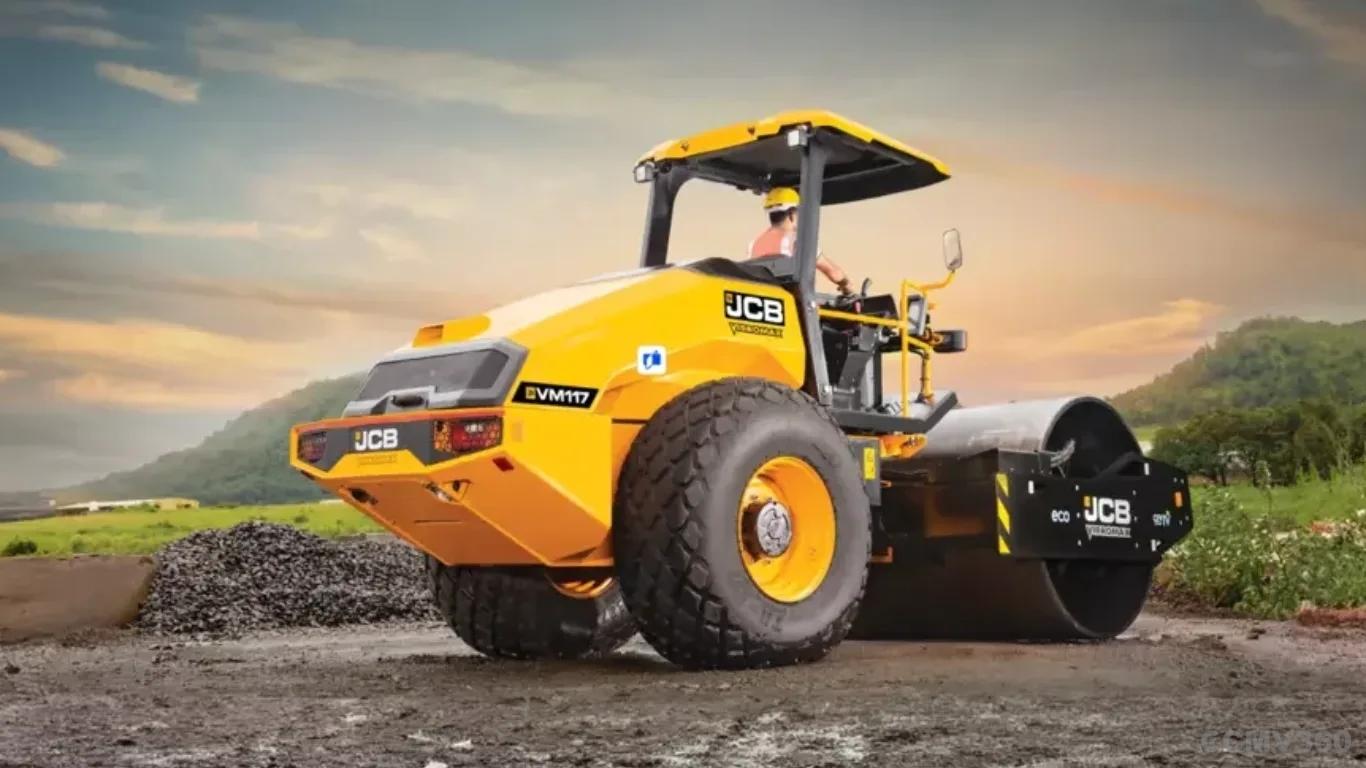
The JCB VM117 is designed for demanding soil compaction requirements, including highway construction, embankments and large infrastructure projects. It features a 74 hp JCB EcoMax CRDI engine and a 2,100 mm drum.
Specification | JCB VM117 |
Operating weight | 11,525 kg |
Drum width | 2,100 mm |
Engine power | 74 hp |
Static compaction | 30.24 kg/cm² |
Variants | Drum-drive and non-drum-drive |
Technology | IntelliCompaction and JCB LiveLink 4.0 |
Emission standard | Stage 5 |
Its IntelliCompaction technology, GPS tracking and service reminders help contractors monitor machine performance and manage operations. JCB also states that the machine does not require DEF/AdBlue.
Best suited for: Highway embankments, subgrade, granular sub-base and base-course compaction.
JCB VMT330
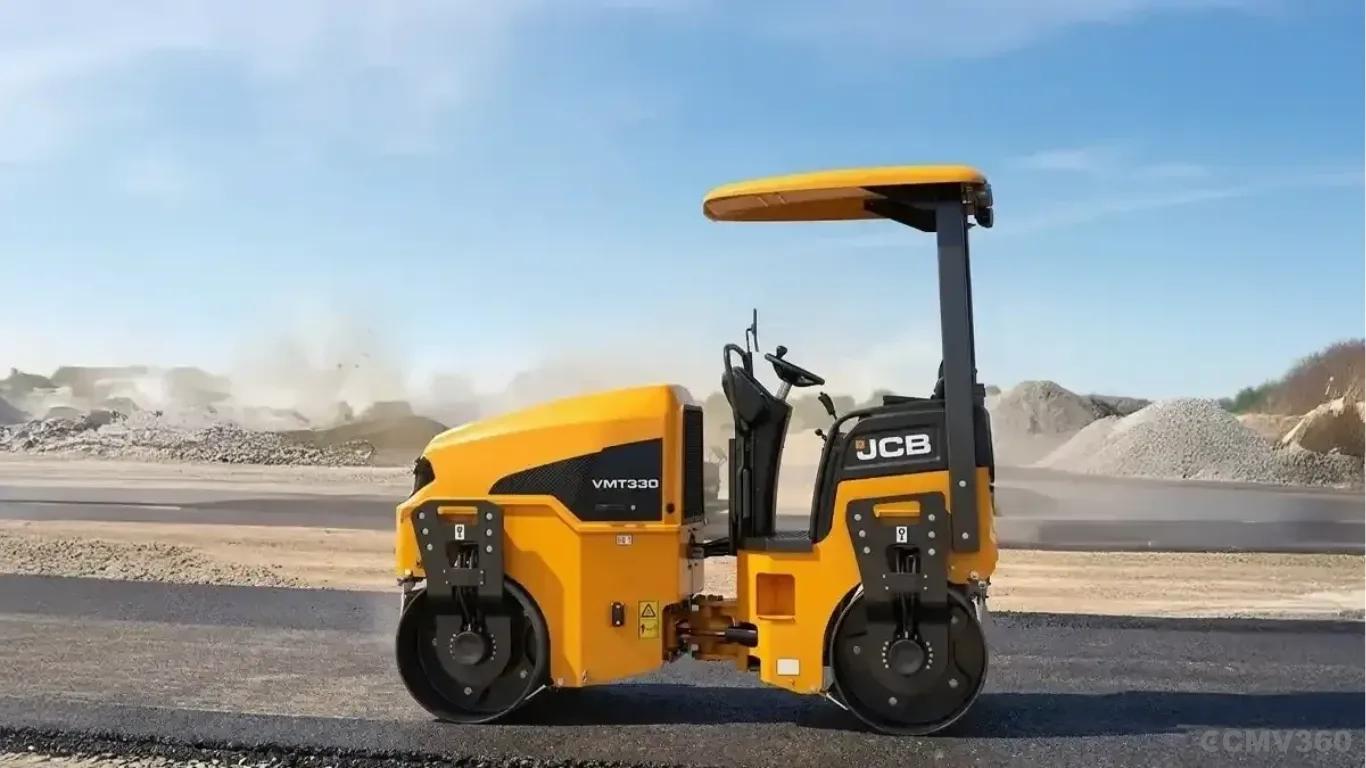
The JCB VMT330 is a compact tandem roller designed for both earth and asphalt compaction. Its manoeuvrability makes it useful for rural roads, highway shoulders, footpaths, trenches and smaller construction sites.
Specification | JCB VMT330 |
Operating weight | 3,300 kg |
Drum width | 1,250 mm |
Centrifugal force | 4,588 kg |
Drum thickness | 13.5 mm |
Kerb clearance | 593 mm |
Engine | 3-cylinder water-cooled Simpson |
Best suited for: Rural roads, service roads, footpaths, shoulders and small asphalt repairs.
Caterpillar CS56B
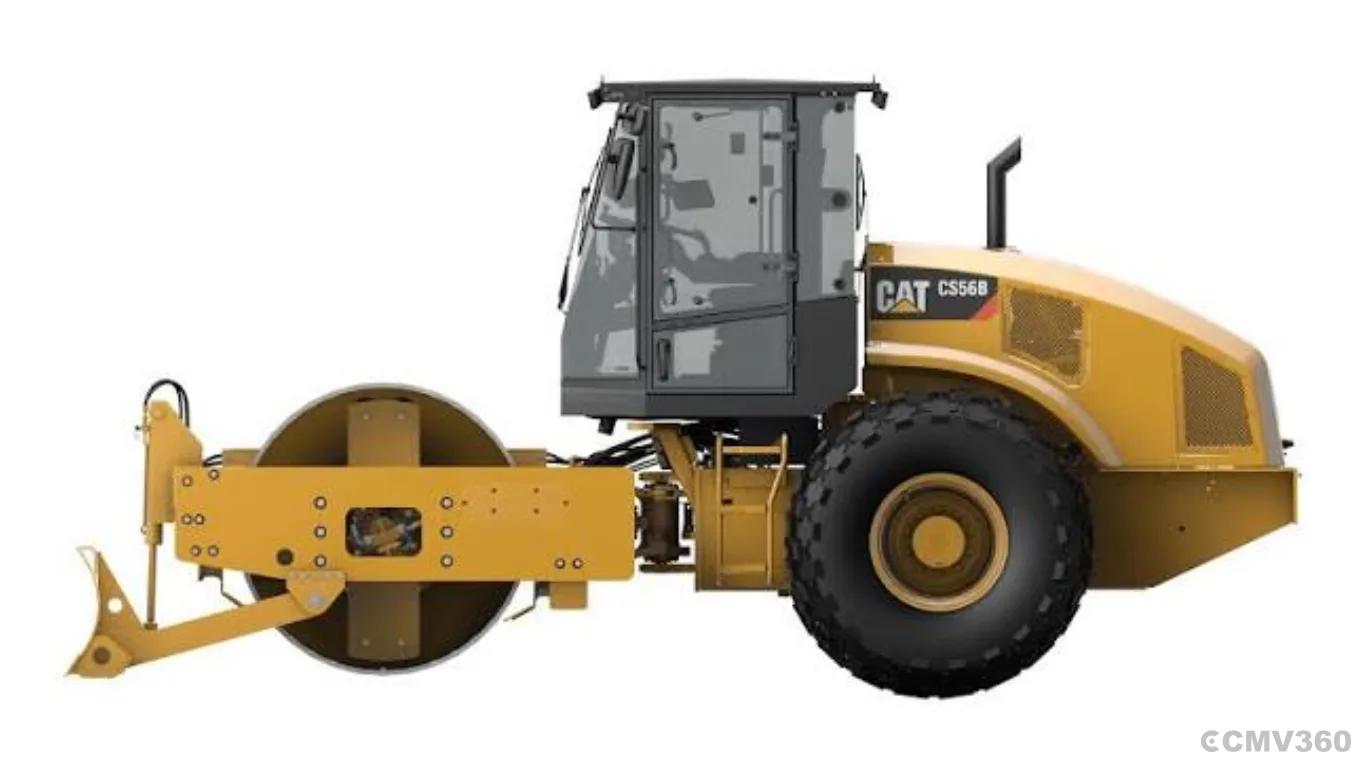
The Caterpillar CS56B is a heavy-duty single-drum vibratory soil compactor designed for large construction and infrastructure projects. Its powerful engine and high centrifugal force make it suitable for demanding compaction operations.
Specification | Caterpillar CS56B |
Operating weight with cab | 11,500 kg |
Compaction width | 2,134 mm |
Gross power | 157 hp / 117 kW |
Centrifugal force | 141-301 kN |
Frequency | 30.5 Hz |
Drum diameter | 1,534 mm |
Best suited for: Large earthwork projects, granular soil, embankments and road base preparation.
Caterpillar CB34B
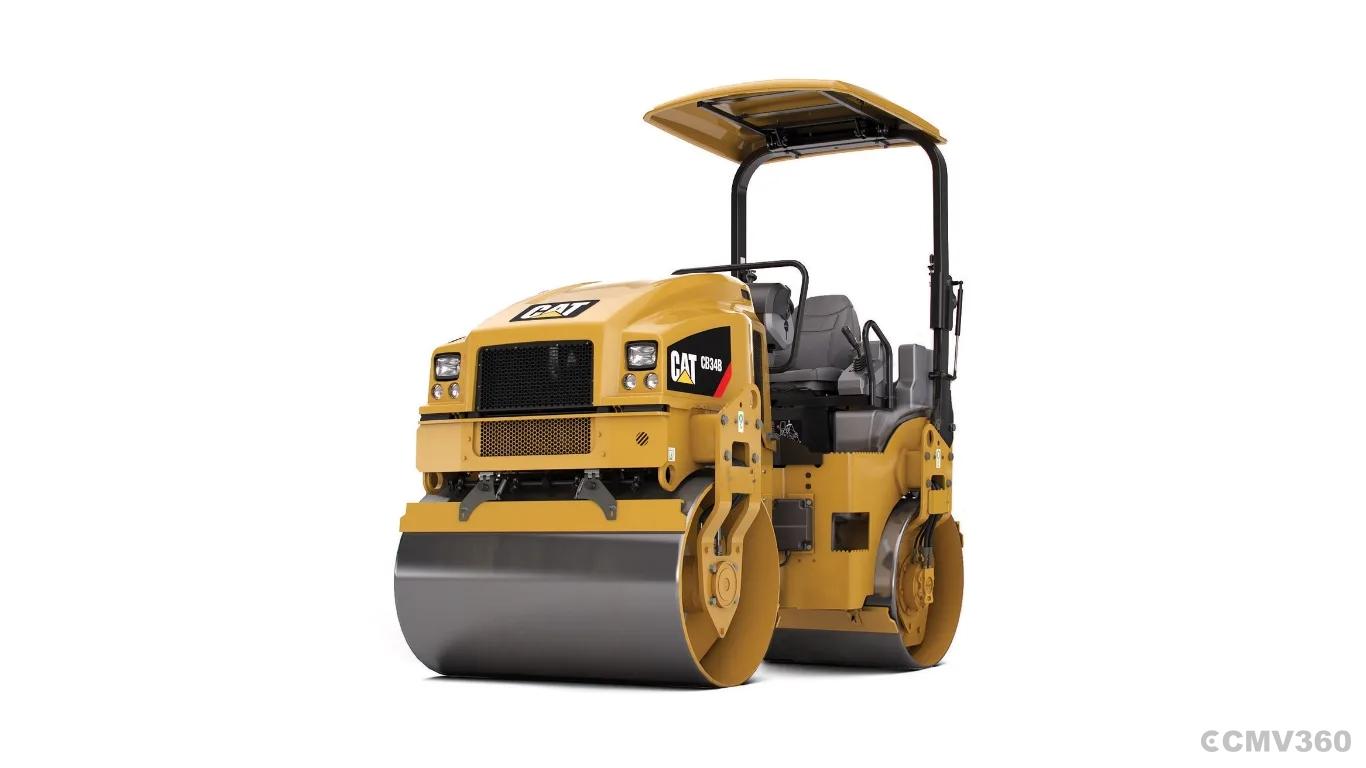
The Caterpillar CB34B is designed for smaller asphalt construction projects and can also support larger rollers during road surfacing operations.
Specification | Caterpillar CB34B |
Operating weight | 3,700 kg |
Drum width | 1,300 mm |
Drum diameter | 800 mm |
Engine power | 48.8 hp |
Centrifugal force per drum | 24.1-31.6 kN |
Frequency | 48/55 Hz |
Best suited for: Small roads, parking areas, pathways and urban asphalt repairs.
HAMM HD 90 P VV
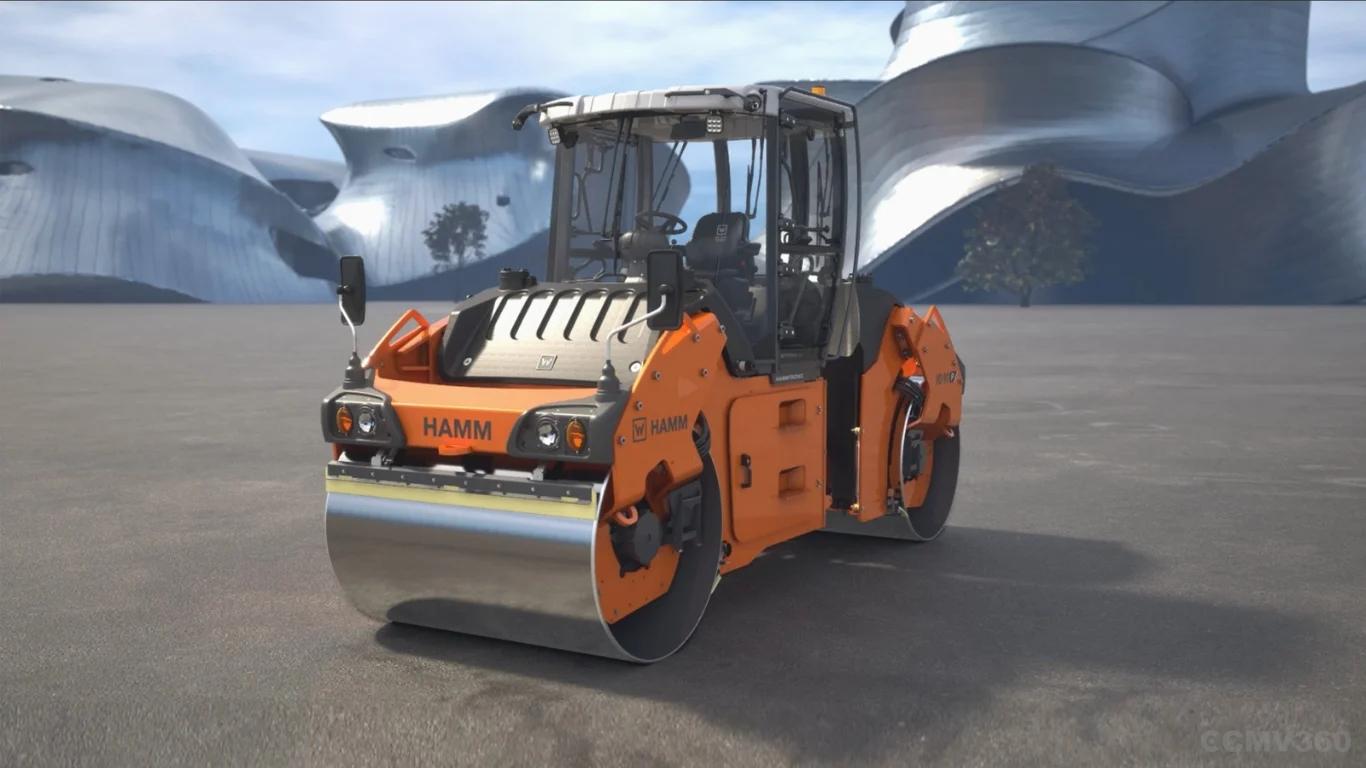
The HAMM HD 90 P VV is a heavy tandem roller designed for high-quality asphalt compaction. Its two vibrating drums and wide working width make it suitable for highway and urban road construction.
Specification | HAMM HD 90 P VV |
Operating weight with ROPS | 9,295 kg |
Operating weight with cab | 9,515 kg |
Maximum operating weight | 11,840 kg |
Front drum width | 1,680 mm |
Rear drum width | 1,680 mm |
Drum diameter | 1,200 mm |
Kerb clearance | 790 mm per side |
Best suited for: Bituminous base, binder and wearing-course compaction.
Road Roller Prices in India in 2026
Road roller prices in India depend on operating weight, engine power, drum configuration, vibration technology and manufacturer. Compact tandem rollers generally cost less than heavy-duty soil compactors and premium asphalt rollers.
The following are indicative 2026 market price ranges.
Road roller category | Estimated price |
Mini tandem roller | ₹12-20 lakh |
Mid-size tandem vibratory roller | ₹20-44 lakh |
Heavy single-drum soil compactor | ₹25-40 lakh |
Pneumatic tyre roller | ₹25-40 lakh |
Static/smooth-wheel roller | ₹8-20 lakh |
The overall road roller market covers an approximate price range of ₹8-44 lakh, although specialised and imported machines may cost considerably more.
Popular Road Roller Models and Their Estimated Prices
Model | Category | Estimated price |
JCB VMT330 | Mini tandem roller | ₹15-20 lakh |
JCB VM117 | Single-drum soil compactor | ₹36-38 lakh |
Generic tandem roller | Tandem vibratory roller | Around ₹35 lakh |
A JCB VMT330 listing has indicated a price of approximately ₹15 lakh per unit, while the VM117's estimated market price is around ₹36-38 lakh. These are indicative figures rather than fixed manufacturer prices.
Some heavy single-drum rollers also appear in listings priced between ₹60 lakh and ₹80 lakh. Such figures may represent imported or premium configurations and should not be treated as standard market prices.
Single-Drum vs Tandem Road Roller: Which One Should Contractors Choose?
Although both machines are used in road construction, single-drum and tandem rollers perform different jobs.
Comparison | Single-drum roller | Tandem roller |
Drum configuration | One steel drum | Two steel drums |
Primary application | Soil compaction | Asphalt compaction |
Best material | Soil, gravel and aggregate | Bituminous asphalt |
Main advantage | Deep compaction | Smooth surface finishing |
Typical examples | JCB VM117, Cat CS56B | JCB VMT300, VMT330, HAMM HD 90 P VV |
For highway embankments, subgrade and granular base preparation, a single-drum soil compactor is generally the better choice. For asphalt roads, overlays, parking areas and surface finishing, tandem rollers are more suitable.
Contractors should also consider mini tandem rollers for narrow roads, footpaths and trenches, while pneumatic tyre rollers are useful for the final sealing of asphalt layers.
How to Choose the Right Road Roller for Your Project?
Selecting a road roller requires more than comparing engine power or purchase prices. Contractors should consider the following factors before making a decision:
Construction material: Choose smooth drum compactors for granular soil, sheepsfoot rollers for cohesive clayey soil and tandem rollers for asphalt.
Operating weight: Heavier machines generally provide greater compaction capability for demanding earthwork applications.
Centrifugal force: This determines the vibration energy available for compaction and should match the material and layer thickness.
Project size: Large highways require high-production machines, while rural roads and smaller repairs may benefit from compact rollers.
Service and spare parts: Check the manufacturer's dealer network, maintenance support and spare parts availability in the operating region.
Technology and emissions: Verify the exact India-market emission configuration, telematics features and available machine variants.
Live demonstration: Test the machine on the actual construction material. Soil moisture, asphalt temperature and layer thickness can influence the number of passes required.
For JCB machines, the company states that its wheeled construction equipment follows Stage 5 standards from January 1, 2025. Contractors should confirm the exact emissions configuration and technical specifications with authorised dealers before purchasing.
It is also important to obtain written quotations. GST, transportation, warranty, financing, attachments, telematics, cab or ROPS configuration and dealer discounts can affect the final purchase price.
Which Road Roller Is Best for Different Construction Projects?
The right machine ultimately depends on the scale and type of construction work.
Project requirement | Recommended machine |
National highway embankments | JCB VM117 or Caterpillar CS56B |
Rural roads and service roads | JCB VMT330 |
Asphalt city roads and parking areas | JCB VMT300 or Caterpillar CB34B |
Highway asphalt surfacing | HAMM HD 90 P VV |
Footpaths, shoulders and trenches | JCB VMT330 or backhoe vibratory attachment |
Final asphalt sealing | Pneumatic tyre roller |
Also Read: Construction Machine Road Tax in India: State-Wise Rates, Road Tax, Rules and Registration Explained
CMV360 Says
Choosing the right road roller is essential for achieving strong foundations, better asphalt finishing and long-lasting roads. Single-drum compactors such as the JCB VM117 and Caterpillar CS56B are suitable for demanding soil compaction, while tandem rollers such as the JCB VMT300, VMT330 and HAMM HD 90 P VV are designed for asphalt applications. With indicative prices ranging from ₹8 lakh to ₹44 lakh across common categories, contractors should compare specifications, project requirements, dealer support and operating costs before purchasing a road roller in India.

Robin Kumar Attri is a content and video professional with 2.7 years of experience in the commercial vehicle d .....