Piyush Goyal Flags Off First JCB Export to New Zealand as India-New Zealand FTA Opens New Markets
 Add CMV360 on Google
Piyush Goyal flags off India's first JCB machine export to New Zealand as the new FTA offers zero-duty access and supports manufacturing growth.

By Robin Kumar Attri

Key Highlights
Piyush Goyal flags off the first JCB export shipment to New Zealand.
The consignment features a JCB-18Z mini excavator made in Pune, Maharashtra.
JCB India targets 18,000 machine exports in 2026, up 20% from 2025.
The FTA provides zero-duty access for Indian exports entering New Zealand.
Both countries aim to double bilateral trade by 2030.
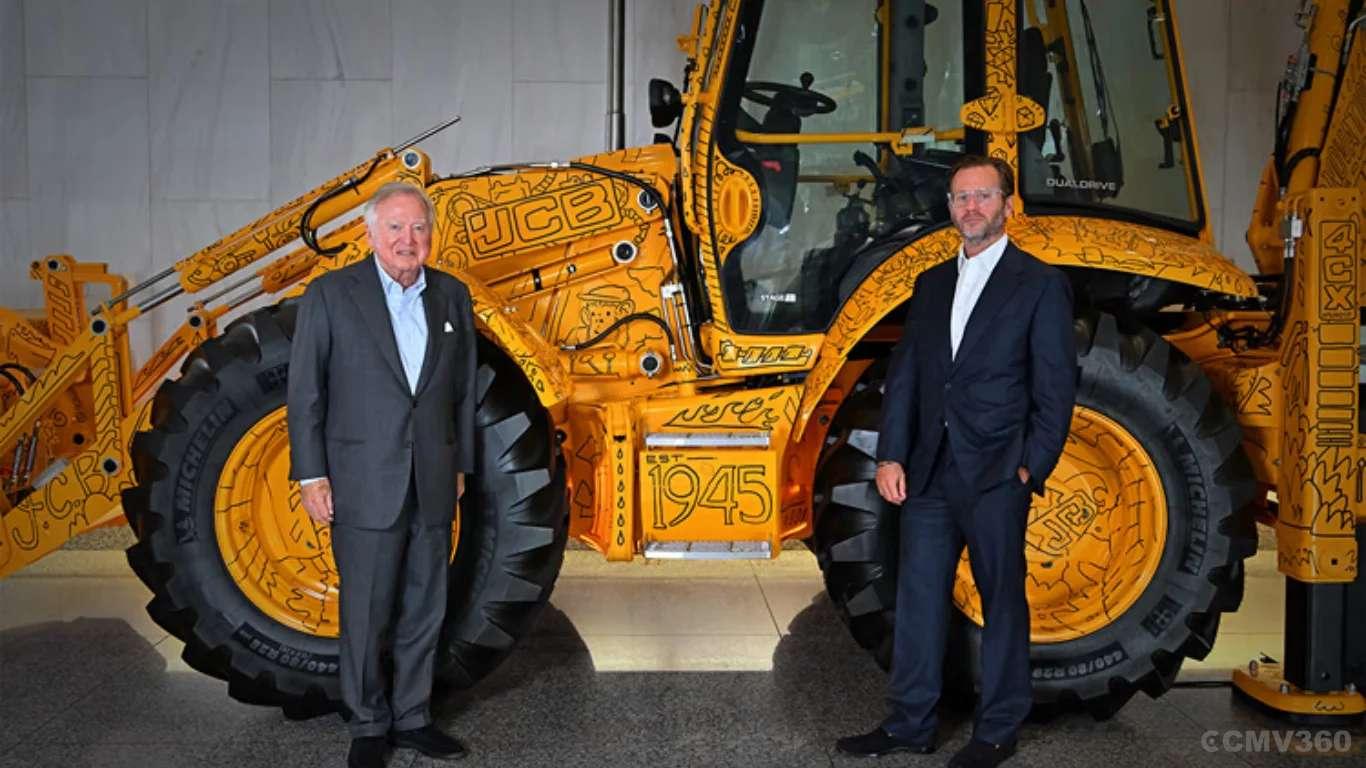
Union Commerce and Industry Minister Piyush Goyal has flagged off the first JCB machine shipment from India to New Zealand, marking an important milestone for Indian manufacturing and exports. The machine, manufactured in Pune, Maharashtra, was dispatched on Monday, October 19, ahead of the India-New Zealand Free Trade Agreement (FTA) coming into effect on October 20, 2026.
The shipment highlights the opportunities the trade agreement could create for Indian manufacturers, particularly in the engineering goods sector. JCB India is also preparing to expand its international business, with the company expecting to export around 18,000 machines in 2026.
JCB India Targets 18,000 Machine Exports in 2026
JCB India expects its machine exports to increase by around 20% in 2026 compared with the previous year. The company exported approximately 15,000 machines in 2025 and is targeting nearly 18,000 units this year.
JCB India Chief Executive Officer and Managing Director Deepak Shetty said the company manufactures machinery for both domestic and international customers, with a continued focus on serving global markets from its Indian manufacturing facilities.
According to Shetty, JCB India currently exports machines to 140 countries. International shipments account for approximately 25% of the company's India-made machine production, highlighting the importance of overseas markets to its business.
The latest shipment to New Zealand adds another milestone to these export efforts and comes as India seeks to strengthen its manufacturing capabilities and international trade relationships.
JCB-18Z Mini Excavator Marks First Shipment to New Zealand
The first consignment comprises a JCB-18Z mini excavator manufactured in Maharashtra, according to a JCB executive present at the flag-off event.
Announcing the development on social media platform X, Piyush Goyal expressed pride in the export milestone and highlighted the international reach of Indian-made machinery.
He said the first JCB machine manufactured in Pune would help New Zealand build with a Made-in-India product. The minister also linked the shipment to the new trade agreement, noting that the India-New Zealand FTA would open additional opportunities for Indian manufacturing businesses.
New Zealand presents a promising market for JCB because of its developed economy and relatively high purchasing power. Shetty noted that the country's per capita income is approximately $48,000, creating demand for machinery across several industries.
JCB equipment is used in New Zealand not only for construction activities but also in agriculture and material handling. This broader range of applications could provide opportunities for Indian-made machines as trade barriers are reduced.
India-New Zealand FTA Offers Zero-Duty Access to Indian Exports
The India-New Zealand Free Trade Agreement officially takes effect on October 20, 2026. Under the agreement, New Zealand will provide zero-duty market access to all Indian exports, including engineering goods such as construction and earthmoving machinery.
The removal of import duties is expected to improve the competitiveness of Indian products in the New Zealand market by reducing tariff-related costs. This could create new opportunities for manufacturers looking to expand their overseas sales.
Beyond engineering goods, New Zealand has agreed to provide immediate zero-duty access to several Indian export categories, including pharmaceuticals, marine products, textiles, chemicals, leather and footwear, gems and jewellery, and electronic goods. The agreement also provides for the elimination of tariffs on plastic articles and agricultural products.
India, in return, has offered tariff concessions on 70% of its tariff lines, covering approximately 95% of New Zealand's export value to India. However, sensitive domestic industries have been kept outside the tariff liberalisation framework to protect their interests.
The agreement is expected to help both countries diversify their trade and strengthen commercial cooperation across multiple sectors.
Piyush Goyal Says FTA Will Create Opportunities Across Sectors
Speaking at the flag-off event, Piyush Goyal said the agreement would open doors for different sections of society in both countries, including innovators, educationists, students and farmers.
The minister described the shipment as the beginning of new business opportunities for Indian companies in New Zealand and highlighted the potential for stronger economic engagement between the two countries.
New Zealand Minister of Trade and Investment Todd McClay also joined the event virtually. He emphasised that implementing the agreement was only the beginning and that its long-term success would depend on how effectively businesses used the opportunities it created.
McClay said both governments would need to continue working together to ensure that companies understood the agreement and could take advantage of its provisions.
His remarks underline the importance of practical implementation, awareness among exporters and continued cooperation between the two governments in translating tariff benefits into actual trade growth.
India and New Zealand Aim to Double Bilateral Trade by 2030
India's annual trade with New Zealand has remained relatively modest at approximately $1.2 billion. The new FTA is expected to expand the range of goods and services traded between the countries, with both sides aiming to double bilateral trade by 2030.
The agreement also includes provisions designed to strengthen services trade and improve mobility for Indian professionals and students.
Under the arrangement, New Zealand will provide 5,000 professional visas for skilled Indians. It also includes work opportunities for Indian students and extended post-study work rights, which could support greater educational and professional exchange between the two countries.
In addition, the agreement provides market access commitments across 118 services sectors and sub-sectors. These include information technology, healthcare and engineering, creating potential opportunities beyond merchandise exports.
New Zealand has also committed to an investment of $20 billion in India over 15 years, adding another dimension to the countries' economic partnership.
A Fast-Tracked Trade Agreement With Long-Term Potential
India and New Zealand began negotiations for the FTA in March 2025 and concluded them in December 2025, making it one of India's more quickly negotiated trade agreements. The two countries signed the pact in April 2026 before its implementation in October.
The agreement is expected to strengthen bilateral economic relations by reducing trade barriers, supporting investment and creating opportunities for businesses, professionals and students.
For Indian manufacturers such as JCB India, the agreement offers a chance to improve market access and build stronger export networks. The first JCB-18Z mini excavator shipment represents an early example of how Indian-made machinery could benefit from the new trade framework.
Also Read: Equipment India Awards 2026: SANY, Schwing Stetter, Bobcat and Other Brands Recognised
CMV360 Says
The first JCB machine export to New Zealand marks an important step for India's manufacturing and export ambitions. With JCB India targeting 18,000 machine exports in 2026, the new FTA could improve market access and create fresh business opportunities. Zero-duty access, services-sector commitments and planned investments are expected to strengthen India-New Zealand trade, with both countries aiming to double bilateral trade by 2030.

Robin Kumar Attri is a content and video professional with 2.7 years of experience in the commercial vehicle d .....