Loaded Electric Three-Wheelers on Steep Roads: Can They Really Climb Hills or Is It Just a Myth?
 Add CMV360 on Google
Discover if loaded electric three-wheelers can climb steep roads. Learn real performance facts, gradeability, myths vs reality, and top EV models for hills and heavy-duty use in India.

By Robin Kumar Attri

Electric three-wheelers have become a backbone of India’s last-mile mobility system. From dense city deliveries to semi-urban passenger routes, they are now handling work that once depended heavily on diesel and petrol autos. But one concern still stays constant among buyers and fleet operators: will a loaded electric three-wheeler manage steep roads, flyovers, and slopes without losing its performance?
The answer is not a simple yes or no. It depends on engineering, load conditions, and real-world usage. Modern Electric three-wheelers are far more capable than early assumptions suggest, but performance varies significantly across models.
This article breaks down the real science, testing methods, and practical buying logic in a simple, clear way so you can make a confident decision.
Why Hill Climbing Ability Matters in Real Operations
Not all driving routes are flat. In India, commercial three-wheelers frequently face:
Flyovers in metro cities
Parking ramps in commercial hubs
Uneven rural roads
Industrial zone gradients
Short but steep urban inclines
For operators, even a small lack of power on slopes can mean delays, overload stress, or battery strain.
This is why manufacturers focus heavily on gradeability and torque delivery, which directly define hill performance.
What “Gradeability” Actually Means
Gradeability is the most important performance indicator for hill climbing.
Simple Definition:
It tells you how steep a slope the vehicle can climb while carrying a load.
Easy Understanding Table:
Gradeability % | What It Means in Real Life |
10-12% | Small ramps, mild slopes |
15-18% | Flyovers, normal city inclines |
20-25% | Steeper roads, mixed terrain |
25%+ | Strong hill-climbing capability |
So, a higher percentage always means better climbing strength, especially when fully loaded.
How Electric Three-Wheelers Are Actually Tested
To understand real capability, manufacturers and engineers evaluate multiple parameters, not just one number.
Key Testing Criteria Used in Industry:
1. Gradeability Under Load: Vehicle tested with rated payload on a defined slope.
2. Sustained Climb Performance: Whether the vehicle can maintain speed without dropping power or overheating.
3. Motor Torque Output: Torque (Nm) is the real force that pushes the vehicle uphill.
4. Continuous Power Delivery: Peak power helps short bursts, but continuous power defines real hill performance.
5. Battery & Controller Output: Voltage stability and current flow decide if power stays consistent under stress.
6. Drivetrain Efficiency: Reduction gears or optimized ratios increase wheel torque for better slope handling.
7. Traction & Road Grip: Tyres and surface conditions decide how effectively torque is used.
What Buyers Often Misunderstand
Myth 1: EV three-wheelers cannot climb hills with load
Reality:
Modern electric motors deliver instant torque, making them highly effective at low-speed climbs. In fact, many EV three-wheelers perform better than ICE autos in initial pickup and short inclines.
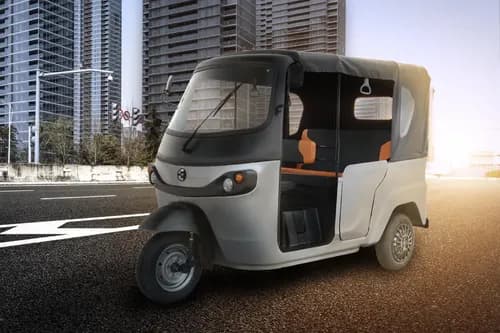
A strong example is TVS King EV MAX, which is widely reported to offer up to 31% gradeability, making it suitable for steep urban routes even with passengers.
Myth 2: Battery drains too fast on slopes
Reality:
Yes, energy consumption increases-but modern systems control it efficiently using:
Battery Management Systems (BMS)
Regenerative braking
Smart torque mapping
Performance remains stable, though range may reduce depending on slope severity.
Myth 3: Cargo EVs are weak on steep roads
Reality:
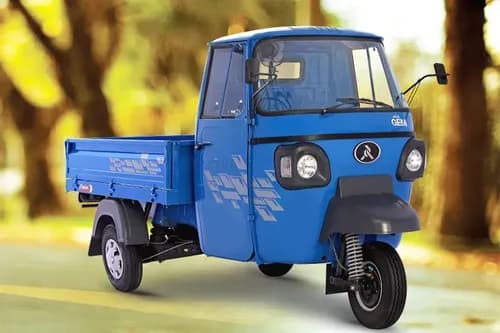
Cargo EVs are actually designed for heavier duty cycles. Models such as:
are built specifically for payload-heavy logistics and urban gradients.
Key Factors That Decide Real Hill-Climbing Performance
Even a high-spec vehicle can underperform if not used correctly. Here’s what truly matters in real conditions:
1. Payload Weight: Overloading reduces torque efficiency and increases heat generation.
2. Battery Charge Level: A fully charged battery delivers better torque output and stability.
3. Road Surface Condition: Wet or loose surfaces reduce traction and climbing ability.
4. Tyre Condition: Grip quality directly affects slope performance.
5. Driving Style: Smooth acceleration improves climb stability and reduces stress on the system.
Real-World Electric Three-Wheelers in India (Performance Overview)
Here are some commonly discussed models in the Indian EV three-wheeler space:
Model | Use Case | Strength |
TVS King EV MAX | Passenger transport | High gradeability (~31%) |
Mixed urban routes | Strong incline capability (~28%) | |
New-generation EV mobility | ~25% gradeability | |
Urban cargo logistics | Reliable city performance | |
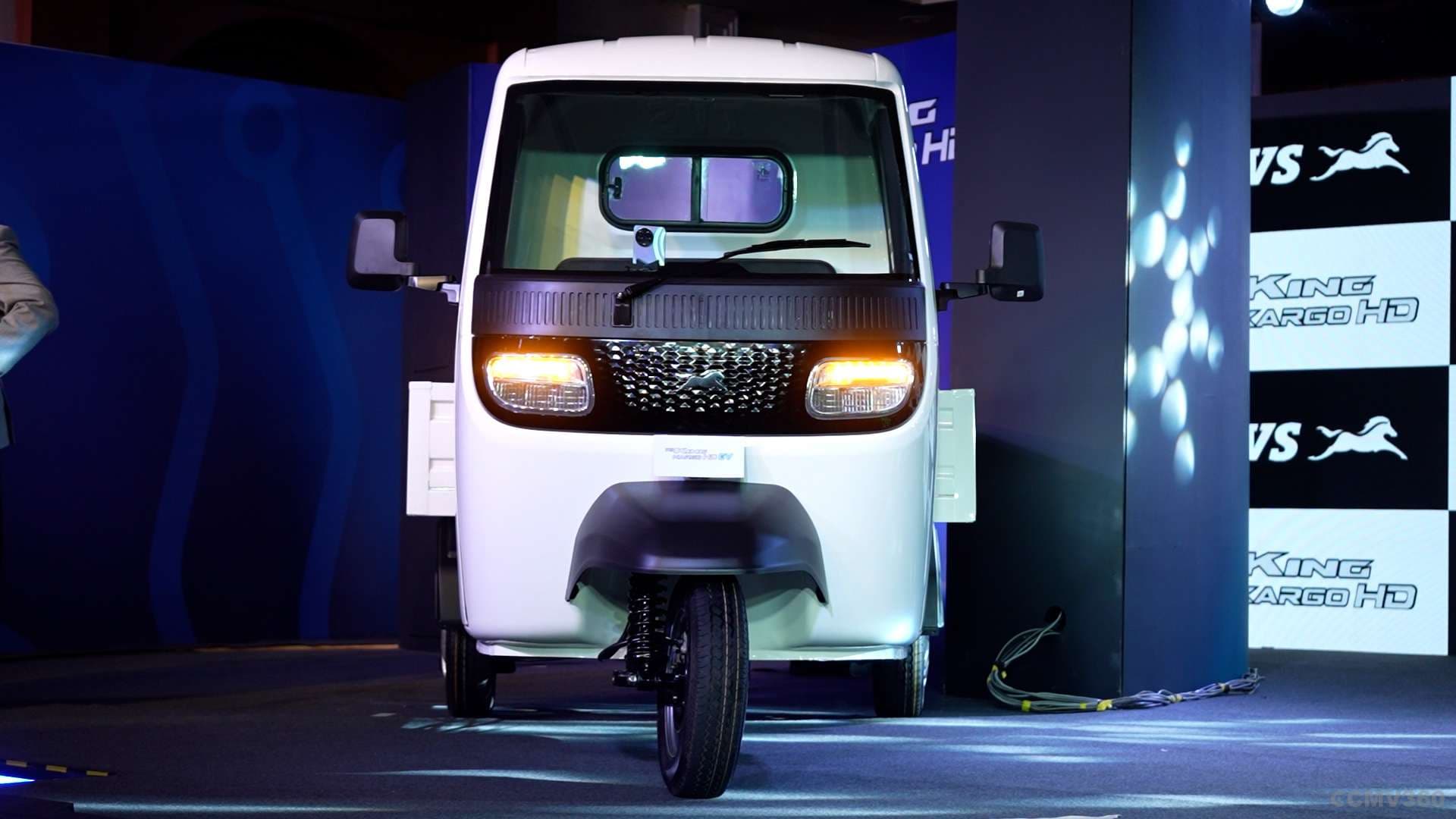
Euler HiLoad EV | Heavy cargo delivery | High torque endurance |
These models reflect a clear trend: modern EV three-wheelers are now engineered for mixed terrain-not just flat city roads.
Practical Buying Guide for Steep Roads
If your usage involves slopes, flyovers, or uneven terrain, here’s what matters most before buying:
Minimum Technical Requirements
At least 18-20% gradeability for regular slope usage
High continuous torque output, not just peak power
Strong drivetrain with reduction gearing
Engineering Must-Haves
Reinforced chassis for loaded stress
Adequate ground clearance
Heat management system for long climbs
Battery & Range Considerations
Higher capacity lithium-ion battery
Stable discharge performance under load
Real-world tested range on mixed terrain
Operational Validation
Always request a loaded test drive on actual route
Check performance on both uphill and downhill sections
Verify payload-specific performance claims
CMV360 Says
So, can a loaded electric three-wheeler really climb steep roads? The answer is yes. Modern electric three-wheelers are built with high-torque motors, better gear reduction systems, improved battery stability, and advanced thermal management, making them capable of handling steep roads, flyovers, and even hilly routes when used within their rated load limits.
The old belief that EV three-wheelers struggle on slopes mostly comes from early-generation models or cases where vehicles were overloaded. Today, the real question is not whether an electric three-wheeler can climb hills, it is which model is best suited for your route, payload, and daily operating needs. By choosing the right EV with suitable gradeability, torque, and battery configuration, operators can enjoy a reliable, efficient, and cost-effective solution even on challenging terrains.

Robin Kumar Attri is a content and video professional with 2.7 years of experience in the commercial vehicle d .....