Tractors
Trucks
- Find by Budget
- Find by Type

English
 New Delhi
Growing Grapes Made Simple: A Guide to Grape Farming” is a beginner’s guide that covers almost all aspects of grape cultivation, from varieties and sowing to harvesting and yield. It also includes information on grape uses, health benefits, varieties, and

By Ayushi Gupta
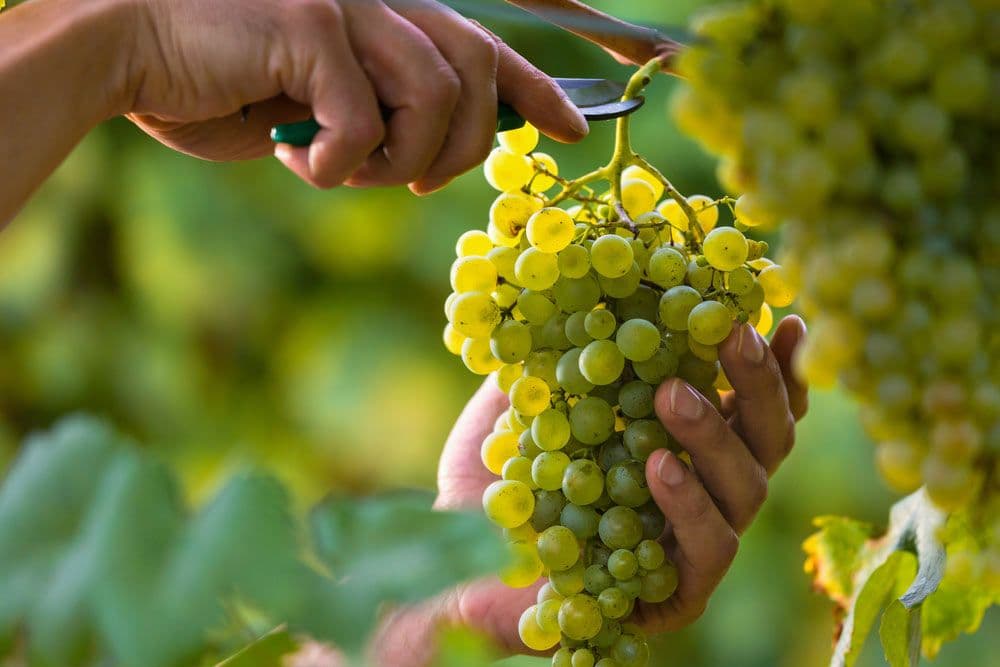
Grape farming is a fascinating venture that doesn't require a green thumb or an extensive agricultural background. Whether you're a seasoned farmer or a hobbyist looking to try your hand at growing grapes, the process can be both rewarding and straightforward.
In this guide, we'll explore some simple methods of grape farming that can be easily implemented.
Choosing the Right Variety:
The first step in grape farming is selecting the right variety. Grapes come in various types, including table grapes for eating and wine grapes for winemaking. Some popular varieties for table grapes include Thompson Seedless and Red Globe, while Cabernet Sauvignon and Chardonnay are well-known wine grape varieties. Consider your soil conditions when choosing the type that suits your location.
Planting:
Grapes thrive in well-drained soil with good sunlight exposure. Once you've chosen the grape variety, it's time to plant. Grapes are typically planted in the spring. Dig a hole, place the grapevine in it, and cover the roots with soil. Ensure proper spacing to allow for adequate sunlight and airflow.
Support and Training Systems:
Grapes need support as they grow, and various training systems are employed to guide their growth. Common methods include the Vertical Shoot Positioning (VSP) system, where the shoots are trained upward on a trellis, and the High Wire Cordon system, where the main branches are trained horizontally along wires. These systems help manage the grapevines for optimal sunlight exposure and easy harvesting.
Pruning:
Pruning is a crucial aspect of grape farming to maintain vine health and encourage fruit production. It involves removing unwanted shoots and leaves to allow better airflow and sunlight penetration. Pruning is typically done when the grapevines are not actively growing, i.e. in dormant winter months.
Watering and Fertilizing:
Grapes need regular watering, especially during dry spells. However, it's crucial not to overwater, as grapes prefer well-drained soil. Fertilize the plants in the spring to provide essential nutrients for healthy growth. A balanced fertilizer (nitrogen, phosphorus, and potassium) is generally recommended.
Pest and Disease Management:
Keeping an eye on pests and diseases is essential in grape farming. Common pests include aphids and birds, while diseases like powdery mildew & downy mildew can affect grapevines. Implementing preventive measures such as using insecticides, bird netting, and practising good vineyard hygiene can help manage these challenges.
Harvesting:
The exciting part of grape farming is the harvest. Grapes are typically ready for harvesting in late summer to early fall. Harvesting involves carefully picking the grapes by hand or using mechanical harvesters for larger vineyards.
Mulching:
Once your grapevines are established, consider applying mulch around the base. Mulching helps retain soil moisture, suppress weeds, and regulate soil temperature. Use organic materials, ensuring the mulch is spread evenly around the plants without touching the stems. This step contributes to overall vine health and reduces the need for excessive watering.
Thinning:
As the grape clusters begin to form, it's essential to thin them out. Thinning involves removing excess grape clusters to ensure that the remaining ones receive enough sunlight and airflow. Overcrowded clusters can lead to poor grape quality and increased susceptibility to diseases. Thinning helps concentrate the plant's energy on the remaining grapes, resulting in better flavour and larger, healthier fruits.
Netting:
Protecting your grape crop from birds is crucial, especially as the fruits ripen. Bird netting prevents birds from feasting on your grapes. Place the netting over the vines, ensuring it covers the entire crop. This step not only safeguards your harvest but also allows you to enjoy the fruits of your labor without sharing them with our feathered friends.
Monitoring Sugar Levels:
For those growing grapes for winemaking, monitoring sugar levels is a critical step as harvest approaches. Measure the sugar content, known as brix, in the grape juice to determine the optimal time for harvesting. Brix levels indicate the sweetness of the grapes, and harvesting at the right moment ensures a balanced and flavorful wine. Invest in a refractometer to accurately measure brix levels.
Post-Harvest Care:
After the harvest, it's time to provide post-harvest care to your grapevines. Prune the vines once again, removing any dead or diseased wood. This step prepares the grapevines for the next growing season. Additionally, to replenish nutrients in the soil, consider applying a layer of well-rotted manure around the base of the plants. Post-harvest care sets the stage for a healthy and productive grapevine in the upcoming year.
Conclusion:
In conclusion, grape farming is an accessible and enjoyable endeavour that can be undertaken by anyone with a bit of patience and the right knowledge. By choosing the appropriate grape variety, providing proper support, implementing effective training systems, and managing pests and diseases, you can cultivate a successful grape vineyard. Whether you're dreaming of fresh table grapes or envisioning your homemade wine, grape farming offers a fruitful journey for those willing to try their hand at it.

About the author
With over 5 years of experience, I craft engaging content on commercial vehicles, blending expertise and creativity to inform and inspire readers about industry trends and technological advancements.


 Add CMV360 on Google