CNG vs LNG Trucks in India 2026: Which Natural Gas Truck Is the Smartest Choice for Your Fleet?
 Add CMV360 on Google
Compare CNG and LNG trucks in India 2026. Explore prices, running costs, range, fuel efficiency, top models, infrastructure, and find the best option for your business.

By Robin Kumar Attri

India's commercial vehicle industry is undergoing one of its biggest transformations in decades. Rising diesel prices, stricter BS6 emission norms, sustainability targets, and increasing pressure on fleet profitability are forcing transporters to rethink their fuel strategy. While electric trucks continue to attract attention, natural gas-powered trucks have emerged as the most practical and commercially viable alternative for fleet operators today.
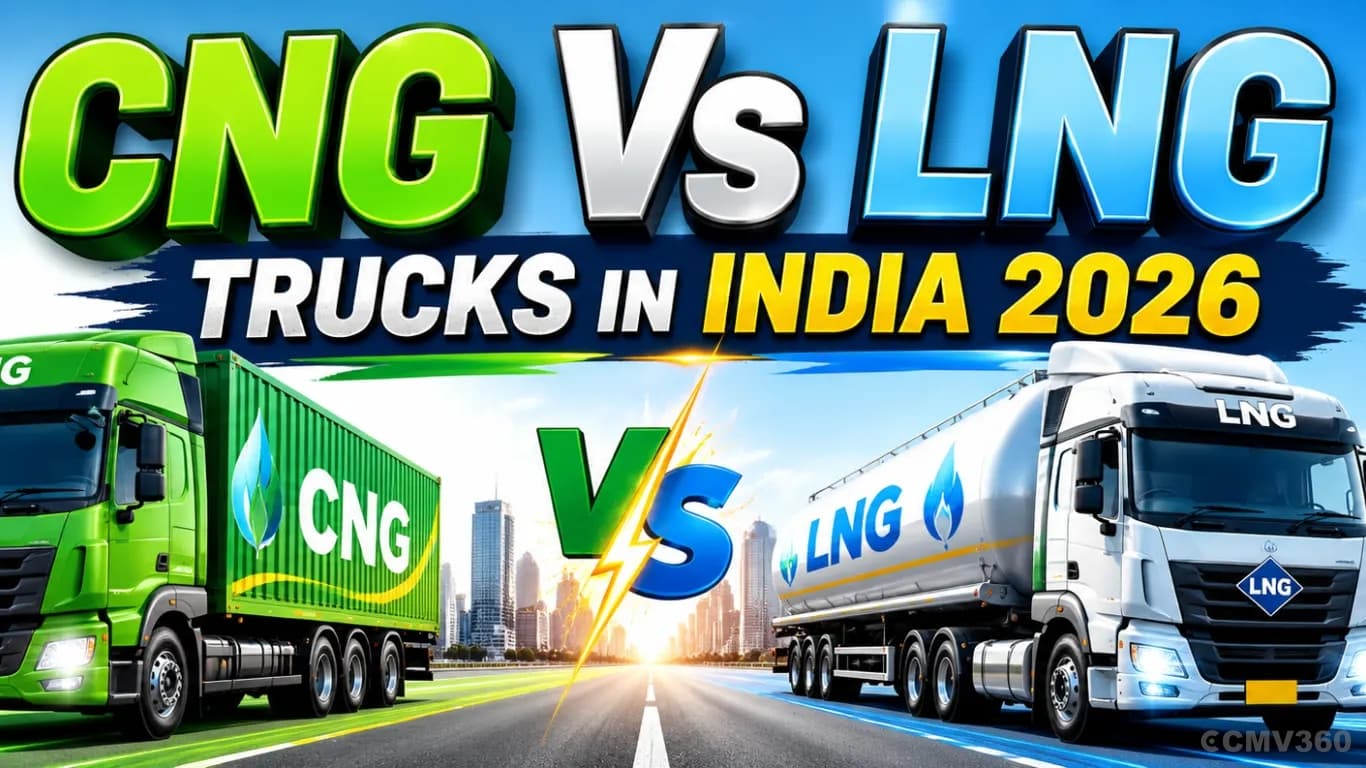
At the center of this shift are two technologies-Compressed Natural Gas (CNG) and Liquefied Natural Gas (LNG). Both fuels promise lower emissions, reduced operating costs, and government-backed support. However, they are designed for completely different business requirements.
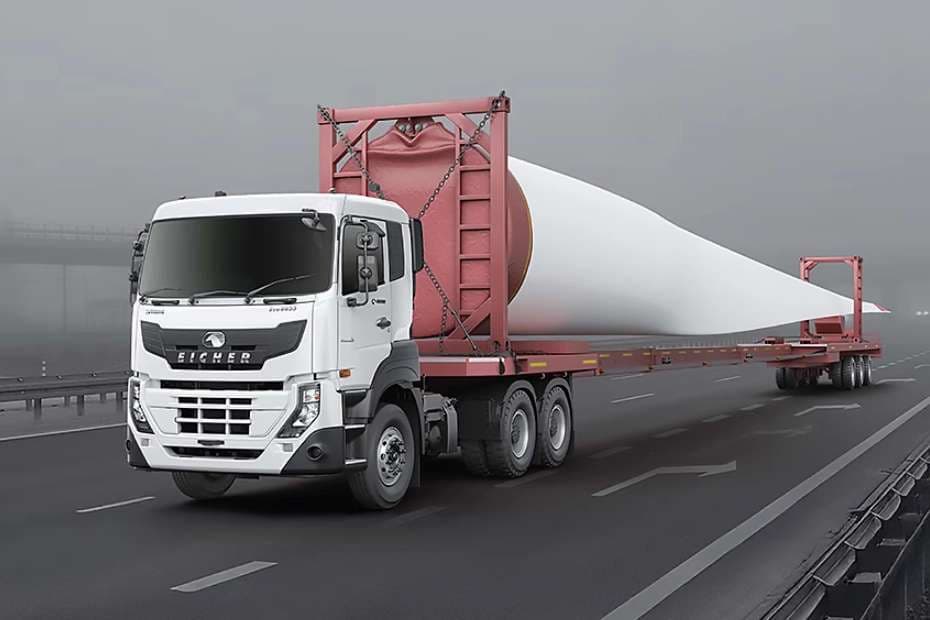
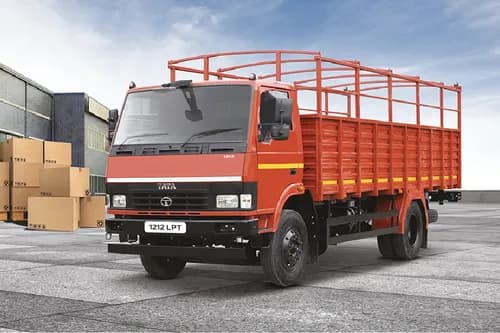
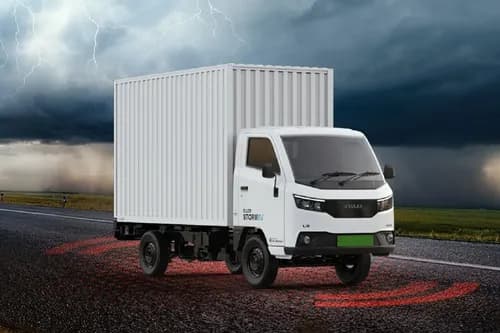
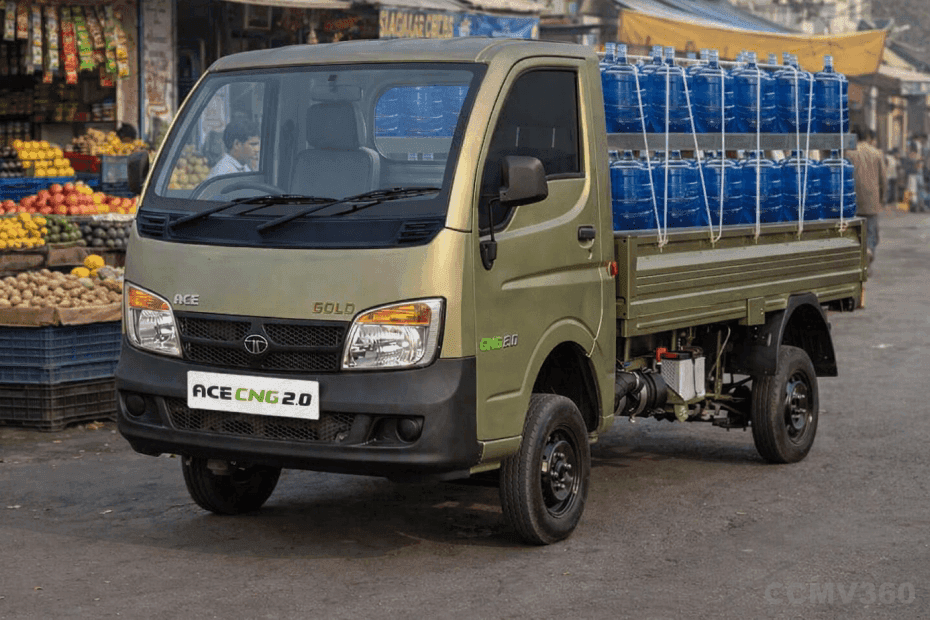
On one side, CNG trucks have become the preferred choice for urban logistics, last-mile delivery, FMCG transportation, and regional distribution. Leading manufacturers such as Tata Motors, Ashok Leyland, Eicher, Mahindra, Maruti Suzuki, and SML Isuzu now offer an extensive range of CNG-powered commercial vehicles across multiple payload categories.
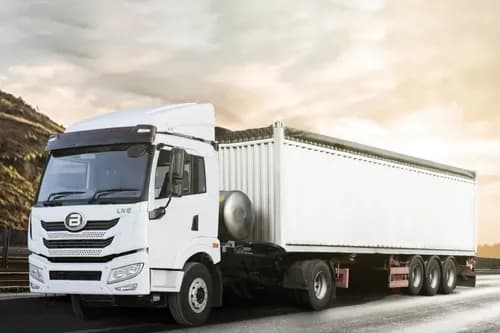
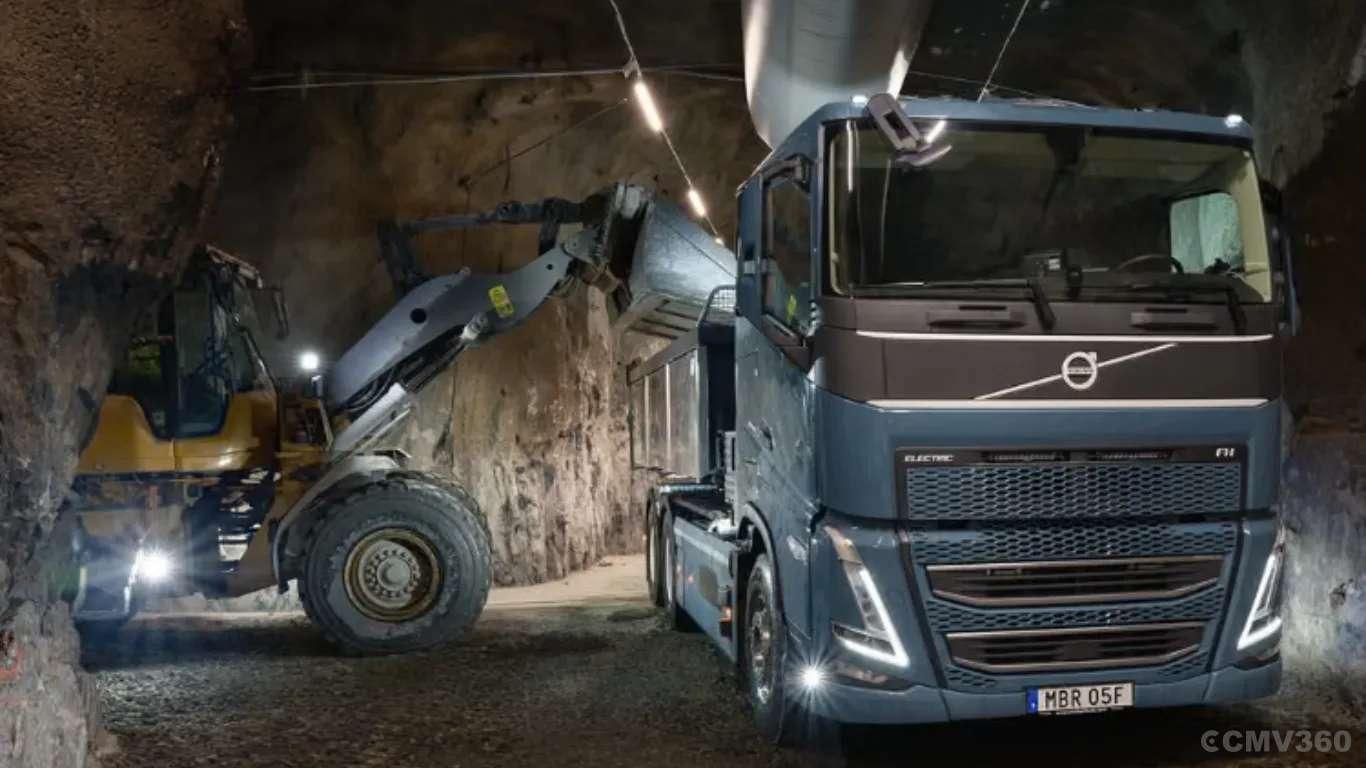
On the other hand, LNG trucks are creating a new opportunity in India's long-haul freight sector. Brands like Tata Motors, Ashok Leyland, Volvo, and emerging player Blue Energy are introducing LNG-powered heavy trucks capable of covering hundreds of kilometres between refuelling stops while reducing fuel expenses compared to conventional diesel vehicles.
Both technologies offer compelling advantages. Both help businesses reduce emissions. Both can lower operational expenses. Yet the real question remains: Which natural gas truck technology delivers the best value for your specific business operation?
The answer depends on factors such as route length, payload requirements, fuel availability, investment budget, and long-term fleet strategy. This comprehensive guide explores every important aspect of CNG and LNG trucks in India for 2026, helping fleet owners make a confident and informed decision.
Understanding CNG Trucks: India's Growing Alternative to Diesel
Compressed Natural Gas, commonly known as CNG, consists primarily of methane gas compressed to approximately 3,600 psi. This high-pressure compression allows the fuel to be stored in specially designed cylinders mounted either behind the cabin, beneath the chassis, or above the vehicle.
Unlike diesel engines that rely on compression ignition, most CNG engines use spark ignition technology similar to petrol engines. This results in cleaner combustion, lower emissions, quieter operation, and reduced particulate matter generation.
Over the past decade, India's CNG ecosystem has expanded significantly. What was once a fuel largely associated with auto-rickshaws and city buses has now evolved into a complete commercial vehicle solution.
Today's CNG truck market includes:
Mini trucks for last-mile delivery
Light commercial vehicles (LCVs)
Intermediate commercial vehicles (ICVs)
Medium-duty cargo trucks
Heavy cargo carriers
The widespread expansion of City Gas Distribution (CGD) networks has further accelerated adoption, making CNG refuelling increasingly convenient across metropolitan cities and many Tier-2 and Tier-3 markets.
Understanding LNG Trucks: Built for Long-Distance Freight
Liquefied Natural Gas, or LNG, is fundamentally the same natural gas used in CNG systems. The difference lies in how it is stored.
Instead of compressing the gas, LNG is cooled to approximately -162°C, transforming it into a liquid state. This process reduces the fuel's volume by nearly 600 times, allowing significantly more energy to be stored in the same space.
This higher energy density is the key reason LNG is becoming attractive for heavy-duty commercial transportation.
To maintain these ultra-low temperatures, LNG trucks use advanced cryogenic storage tanks that are heavily insulated and technologically sophisticated. While these tanks increase vehicle costs, they also enable one major advantage-exceptional driving range.
Many LNG trucks can travel between 600 and 1,400 kilometres on a single fill, making them ideal for highway logistics, industrial freight movement, mining applications, and long-distance transportation.
Another lesser-known benefit is security. Due to its cryogenic storage requirements, LNG is extremely difficult to siphon or steal, reducing one of the common concerns faced by fleet operators.
CNG vs LNG Trucks: Key Differences Explained
Parameter | CNG Trucks | LNG Trucks |
Fuel Form | Compressed Gas | Cryogenic Liquid |
Storage Method | High-pressure cylinders | Insulated cryogenic tanks |
Typical Range | 250-400 km | 600-1,400 km |
Best Application | Urban and regional transport | Long-haul freight |
Fuel Density | Lower | Significantly higher |
Infrastructure Availability | Widely available | Limited but expanding |
Purchase Cost | Lower | Higher |
Noise Levels | Low | Low |
BS6 Compliance | Yes | Yes |
CO₂ Reduction | 25-30% | Around 20% |
Fuel Theft Risk | Moderate | Very low |
These differences may appear technical, but they directly influence profitability, route planning, fleet utilization, and overall operating efficiency.
Best CNG Trucks Available in India in 2026
India's CNG truck market is currently larger and more mature than its LNG counterpart. More than 24 CNG truck models are available across various commercial vehicle segments, offering businesses solutions for nearly every transportation requirement.
Leading CNG Truck Models
Model | Brand | Price Range |
Mahindra | ₹5.55 Lakh onwards | |
Maruti Suzuki | Varies by region | |
Tata Motors | Competitive LCV pricing | |
Ashok Leyland | ₹8.20 Lakh onwards | |
Ashok Leyland | ₹8.20 Lakh onwards | |
Eicher | ₹10.26 - ₹11.25 Lakh | |
Tata Motors | ₹27.80 - ₹31.20 Lakh | |
Eicher | ₹25+ Lakh | |
Eicher | ₹25-30 Lakh | |
Signa 2818.T CNG | Tata Motors | ₹31.85 - ₹32.55 Lakh |
SML Isuzu | Competitive pricing |
Tata 1612g LPT CNG: A Segment Benchmark
Among medium-duty CNG trucks, the Tata 1612g LPT CNG has emerged as one of the strongest contenders. Powered by Tata Motors advanced 3.8-litre SGI turbocharged CNG engine featuring Skip Fire technology, it delivers impressive torque while maintaining fuel efficiency.
With payload capability exceeding 10 tonnes, the truck is increasingly being used in FMCG logistics, industrial transportation, and regional distribution networks.
Tata Signa 2818.T CNG: Premium Heavy CNG Solution
For operators seeking higher payload capacities, the Tata Signa 2818.T CNG stands at the top of Tata's CNG portfolio. Positioned in the premium CNG segment, it combines BS6 compliance, enhanced cargo capability, and lower operating costs compared to equivalent diesel alternatives.
Eicher's Strong Mid-Market Presence
Eicher has strategically positioned its Pro series to cater to both first-time buyers and established fleet operators.
The Pro 2049 CNG offers an affordable entry into the commercial CNG segment, while the Pro 2110 CNG and Pro 2114XP CNG target regional logistics companies requiring a balance between payload capability and operational economy.
Ashok Leyland's Twin Fuel Advantage
One of the most innovative approaches in the segment comes from Ashok Leyland's Dost Twin Fuel and Dost+ XL Twin Fuel models.
The ability to switch between diesel and CNG provides operational flexibility, especially in regions where gas infrastructure remains inconsistent. For many businesses, this dual-fuel capability reduces operational risk while still delivering fuel savings.
Tata Ace Pro Bi-Fuel: Last-Mile Logistics Specialist
The Tata Ace Pro Bi-Fuel addresses one of the biggest concerns in urban logistics-range anxiety.
Equipped with a 1.5-litre turbocharged three-cylinder engine and a 148-litre CNG tank, the vehicle offers a combined range of approximately 500 kilometres while supporting payloads up to 1,410 kg.
This makes it particularly suitable for:
E-commerce deliveries
Courier services
Vegetable distribution
Retail supply chains
Urban cargo movement
LNG Trucks in India 2026: The Future of Long-Haul Freight?
While LNG truck adoption remains at an early stage, industry interest is growing rapidly.
The current market includes approximately nine LNG truck models from manufacturers focusing primarily on heavy-duty transportation applications.
Leading LNG Trucks in India
Model | Brand | Starting Price | Application |
Blue Energy | ₹27.30 Lakh | Long-haul logistics | |
Ashok Leyland | ₹28.30 Lakh | Regional haulage | |
Ultra T.14 LNG | Tata Motors | ₹30 Lakh approx. | Medium haulage |
Ashok Leyland | ₹35 Lakh approx. | Heavy freight | |
Prima 3528.K LNG | Tata Motors | ₹41.50 Lakh | Mining and construction |
Volvo | ₹70.35 Lakh | Premium long haul |
Ashok Leyland AVTR 1922 HU LNG
As one of India's most accessible LNG trucks, the AVTR 1922 HU LNG provides a practical entry point for operators evaluating natural gas solutions for regional transportation.
Built on Ashok Leyland's modular AVTR architecture and powered by i-Gen6 technology, it offers flexibility and scalability for different transportation needs.
Tata Prima 3528.K LNG
The Prima LNG platform represents Tata Motors' commitment to alternative fuels in heavy commercial vehicles.
The 3528.K LNG tipper has been specifically designed for demanding environments such as mining sites, infrastructure projects, and construction operations where long range and heavy payload capability are equally important.
Blue Energy 5528 Plus 4x2
Blue Energy has quickly become one of the most interesting players in India's alternative fuel trucking ecosystem.
Its 5528 Plus 4x2 LNG truck offers one of the lowest entry prices in the LNG segment while targeting fleet operators focused on high annual mileage and lower fuel costs.
Volvo FM 420 4x2 LNG
At the premium end of the market sits Volvo's FM 420 4x2 LNG.
With capabilities suitable for up to 60-tonne operations, it is designed for large logistics operators running dedicated freight corridors where maximizing uptime and fuel efficiency are critical business priorities.
Running Costs: The Biggest Factor for Fleet Owners
The purchase price of a truck matters only once. Running costs impact profitability every day.
This is where natural gas technologies gain significant attention.
CNG Trucks Running Cost Benefits
Compared to diesel trucks operating on similar routes, CNG vehicles can reduce fuel expenses by approximately 30-40%.
For fleets covering 150-200 kilometres daily, monthly savings can range from ₹8,000 to ₹15,000 per vehicle depending on route conditions, payload, and fuel prices.
Additional advantages include:
Cleaner engine operation
Lower engine wear
Longer oil life
Reduced maintenance expenses
Lower downtime
LNG Trucks Running Cost Benefits
LNG becomes particularly attractive when fleet utilization is high.
For trucks travelling 400-600 kilometres or more daily, LNG can deliver lower per-kilometre operating costs than diesel.
The longer driving range also means:
Fewer fuel stops
Improved turnaround times
Higher vehicle utilization
Better operational efficiency
However, fleet operators should carefully evaluate LNG price fluctuations, as global natural gas markets can impact long-term cost advantages.
Fuel Infrastructure: The Biggest Deciding Factor
No alternative fuel technology can succeed without adequate refuelling infrastructure.
CNG Infrastructure Advantage
India's CNG ecosystem continues to expand rapidly through City Gas Distribution networks.
Major providers have significantly increased station availability across metropolitan, semi-urban, and emerging industrial markets.
For urban logistics operators, access to CNG is no longer a major concern in many regions.
LNG Infrastructure Still Developing
LNG infrastructure remains limited compared to CNG.
Most LNG dispensing stations are currently concentrated along major freight corridors.
However, expansion plans are underway, including government initiatives aimed at establishing approximately 1,000 LNG stations across national highway networks.
As infrastructure improves, LNG adoption is expected to accelerate among long-haul fleet operators.
Environmental Impact: Which Fuel Is Cleaner?
Both CNG and LNG represent a significant improvement over conventional diesel technology.
Benefits of CNG Trucks
Near-zero particulate emissions
Lower NOx emissions
Reduced carbon monoxide output
Better urban air quality
Benefits of LNG Trucks
Up to 20% lower CO₂ emissions compared to diesel
Lower particulate matter emissions
Reduced nitrogen oxide emissions
Improved sustainability for long-haul transport
Both technologies align with India's broader clean mobility objectives and contribute toward reducing the environmental impact of road freight transportation.
CNG Trucks or LNG Trucks: Which One Should You Choose?
Choose CNG If:
✔ Your trucks operate within cities or regional routes
✔ Daily distance is generally below 400 km
✔ Initial investment budget is limited
✔ CNG stations are readily available on your routes
✔ You operate LCVs, ICVs, FMCG fleets, courier services, or last-mile delivery businesses
✔ Low maintenance and proven reliability are priorities
Choose LNG If:
✔ Your trucks regularly travel 400-600 km or more per day
✔ Long-haul logistics is your primary business
✔ You operate heavy-duty trucks above 35 tonnes GVW
✔ Route efficiency and fuel-stop reduction matter significantly
✔ LNG refuelling infrastructure exists on your operating corridor
✔ High annual mileage justifies the higher initial investment
CMV360 Says
The debate between CNG and LNG trucks is not about identifying a single winner. Instead, it is about selecting the right solution for the right operation.
CNG has become India's most practical natural gas fuel for urban and regional freight transportation. It offers lower acquisition costs, extensive fuel availability, proven reliability, and a broad range of vehicle choices from manufacturers such as Tata Motors, Ashok Leyland, Eicher, Mahindra, Maruti Suzuki, and SML Isuzu.
LNG, meanwhile, is positioning itself as the future of long-distance freight movement. Its superior range, lower fuel-stop frequency, and growing lineup from Tata Motors, Ashok Leyland, Blue Energy, and Volvo make it increasingly attractive for high-mileage logistics operations.
As India's commercial vehicle industry moves toward cleaner transportation, both technologies will play crucial roles in reducing diesel dependence. The real decision comes down to understanding your routes, payloads, operating costs, and growth plans.
For city deliveries and regional logistics, CNG remains the strongest business case in 2026. For highway freight corridors and heavy-duty transportation, LNG is steadily emerging as the natural gas solution of choice.
Ultimately, the smartest fuel is not the one with the most technology-it is the one that delivers the best profitability for your fleet.

Robin Kumar Attri is a content and video professional with 2.7 years of experience in the commercial vehicle d .....