


 New Delhi
Ad
Ad
Understanding Kharif, Rabi, and Zaid Crop Seasons in India


 Views
Views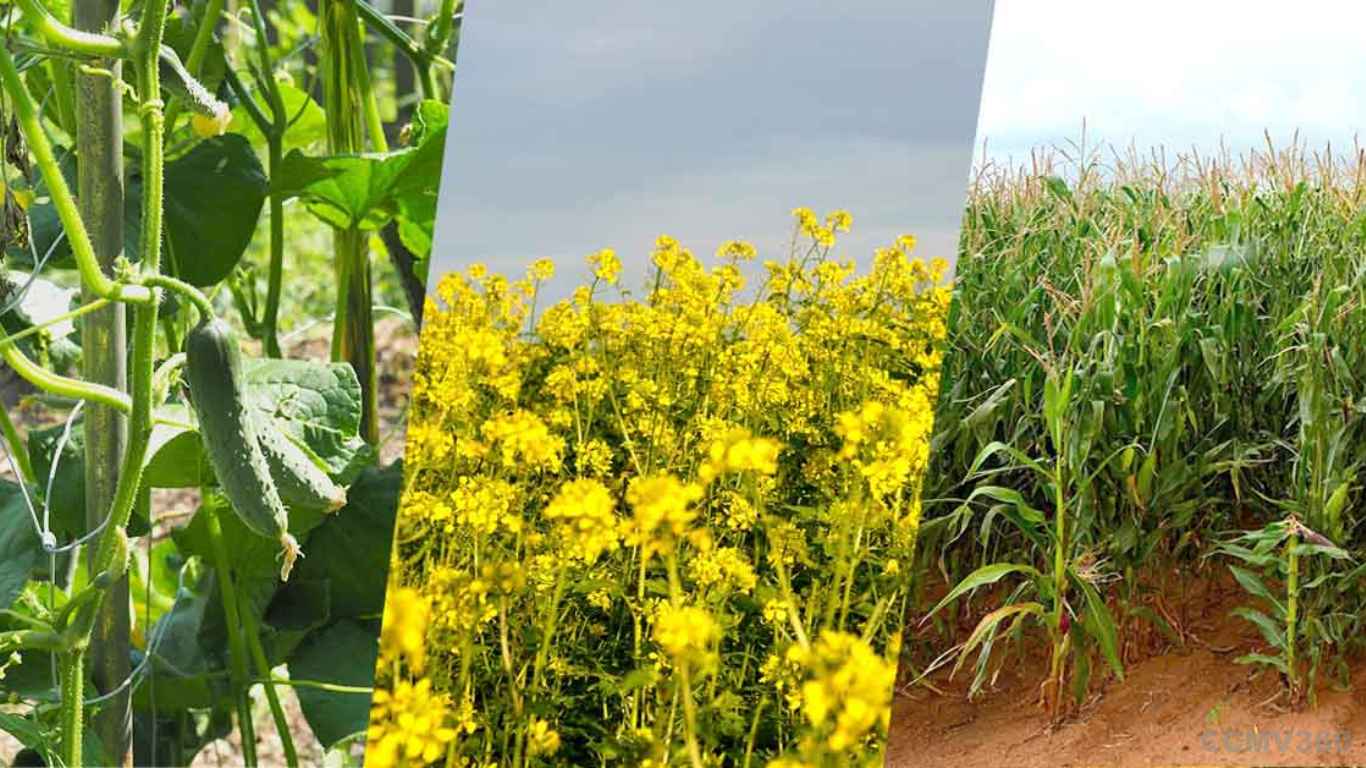
Key Highlights
- India’s crops are classified as Kharif, Rabi, and Zaid based on seasonal climate and sowing periods
- Kharif crops depend on monsoon rains and are sown from June to July and harvested by October
- Rabi crops are sown after the monsoon in October and harvested in March and April with irrigation support
- Zaid crops are grown between Rabi and Kharif seasons from March to June using irrigation
- Crop rotation and season planning improve soil fertility and support food security in India
Kharif Crop Season Overview
Kharif crops, also called monsoon crops, depend on the southwest monsoon. Sowing starts with the monsoon in June and continues until July. Harvesting takes place between September and October. These crops need warm temperatures, high humidity, and significant rainfall.
Regions with good monsoon rainfall, such as Maharashtra, Uttar Pradesh, West Bengal, and Andhra Pradesh, are ideal for Kharif crops. Common Kharif crops include rice, maize, cotton, soybean, groundnut, bajra, and pulses like arhar. Rice requires heavy rainfall, while bajra and maize grow with less water.
Kharif farming faces challenges due to unpredictable monsoon rains. Excess rain can cause flooding and crop loss. Insufficient rain can lead to drought. Proper irrigation and weather forecasting are essential for managing these risks.
Rabi and Zaid Crop Seasons
Rabi Crop Details
Rabi crops are grown in winter. Sowing begins in October after the monsoon, with harvesting between March and April. These crops need cool weather during growth and warmer weather for harvesting. Rabi crops rely less on rainfall and often require irrigation.
Major Rabi crops include wheat, barley, mustard, peas, gram, and linseed. Wheat is widely cultivated in Punjab, Haryana, and Uttar Pradesh. The success of Rabi crops depends on soil moisture from the monsoon, irrigation, and suitable temperatures. Farmers use canals and tube wells for irrigation. Favorable weather usually leads to higher yields, but unexpected rain or frost can harm crops.
Zaid Crop Details
Zaid crops grow in the short period between Rabi and Kharif seasons, mainly from March to June. These crops are less common but important for increasing farmers’ income. Zaid crops require warm weather and depend on irrigation, as rainfall is low during this period.
Common Zaid crops include watermelon, muskmelon, cucumber, bitter gourd, pumpkin, and other fruits and vegetables. Fodder crops are also grown to support livestock. Zaid crops grow quickly and have a short duration, helping farmers maximize land use and earn better prices in the off-season.
Key Differences and Importance
The main differences between these crop seasons are sowing time, harvesting time, and climate needs. Kharif crops need heavy rainfall and are sown with the monsoon. Rabi crops are sown after the monsoon and need cooler temperatures with less rainfall. Zaid crops are grown in summer and depend on irrigation.
Crop rotation among Kharif, Rabi, and Zaid seasons improves soil fertility and reduces pests. Planning crop seasons ensures efficient use of land and water. It also supports food security in India. Government schemes and policies are often based on these crop cycles. Modern farming methods, such as advanced irrigation and weather forecasting, have improved productivity in all three seasons.
Kharif, Rabi, and Zaid crops form the backbone of Indian agriculture. Each season brings unique challenges and opportunities. Understanding these crop cycles helps farmers optimize resources and maintain sustainable farming.
News

New Holland Launches 3230 TX Paddy Special Tractor in Hyderabad for Small and Medium Farmers
New Holland launches 3230 TX tractor in Hyderabad with 42 HP power, fuel efficiency, and strong hydraulics for paddy and multi-crop farming needs....
21-Apr-26 06:33 PM
Read Full News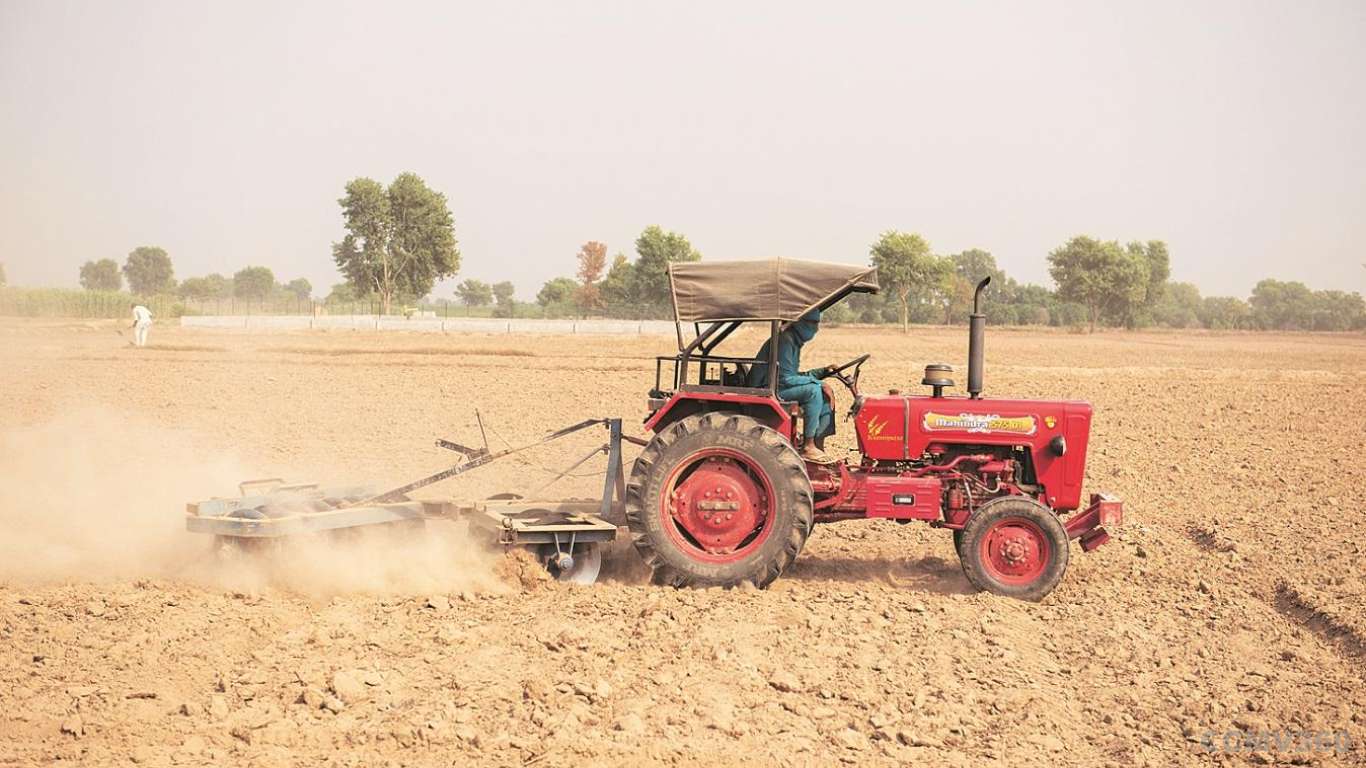
Indian Tractor Market to Double by 2035 Driven by Mechanization and Government Support
The Indian tractor market is set to double in value by 2035, driven by rising mechanization, government subsidies, and rural credit schemes. The dominant 30–50 HP segment...
21-Apr-26 02:00 PM
Read Full News
Massey Ferguson 5118 2WD Mini Tractor: Features, Specifications, and Pricing
The Massey Ferguson 5118 2WD is a compact tractor with a sub-20 HP diesel engine, sliding mesh transmission, and live PTO. It is designed for small-scale and orchard farm...
19-Apr-26 04:00 PM
Read Full News
Eicher 368 Tractor: Specifications, Features, and Performance Overview
The Eicher 368 Tractor delivers 38 HP with a 3-cylinder air-cooled engine, 8 forward and 2 reverse gears, 1650 kg hydraulic lifting capacity, and a 46-litre fuel tank, ma...
17-Apr-26 02:00 PM
Read Full News
Caterpillar Acquires Monarch Tractor, Signaling Shift to Electric Autonomous Farming
Caterpillar has acquired Monarch Tractor, gaining advanced electric and autonomous tractor technology. This move is expected to make electric tractors more accessible to ...
15-Apr-26 01:00 PM
Read Full News
Rajeev Goyal Appointed CEO of Mahindra Agri and New Energy Businesses
Rajeev Goyal has been appointed CEO of Mahindra Group's Agri and New Energy Businesses after 20 years with the company. He brings extensive experience in finance and lead...
14-Apr-26 03:00 AM
Read Full NewsAd
Ad





Latest Articles
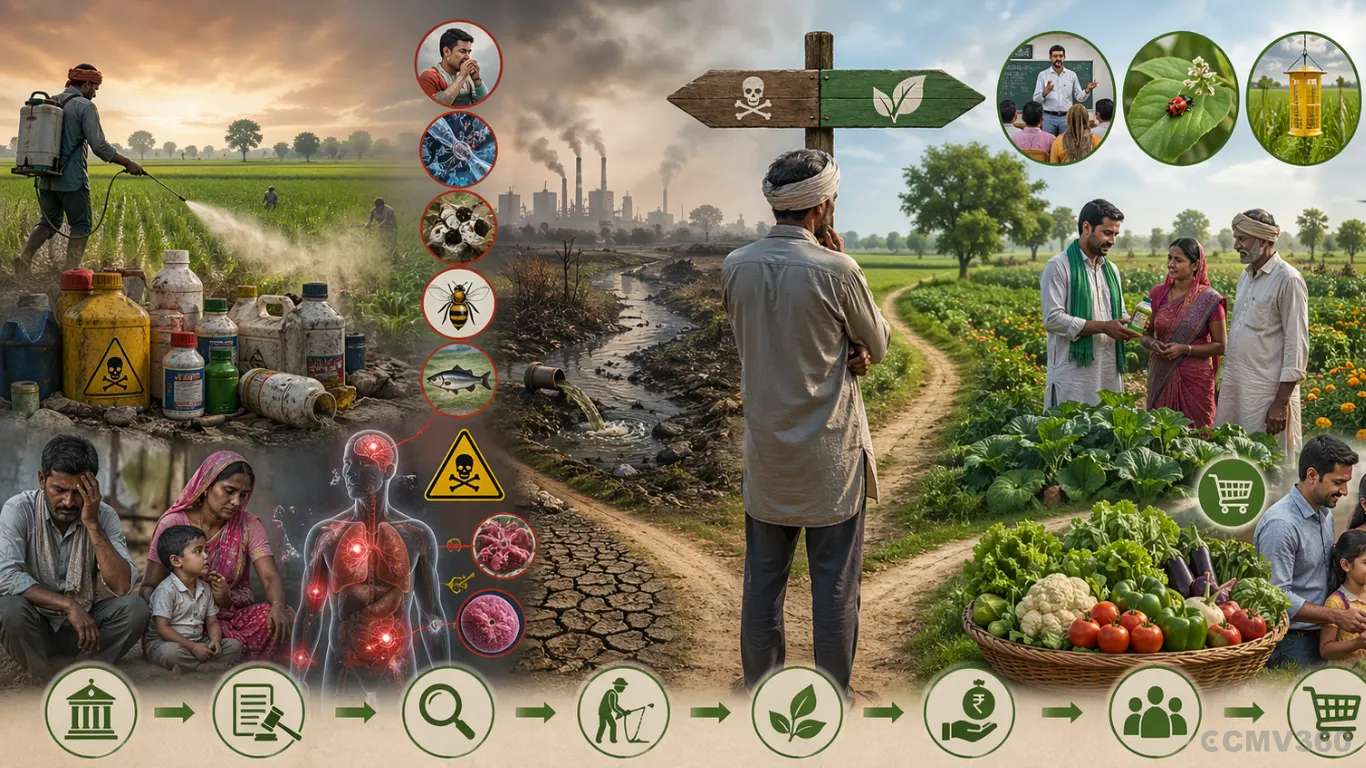
India’s Farm Dilemma: The Hidden Cost of Hazardous Pesticides and the Urgent Need for Safer Farming
21-Apr-2026
Tractor Loan Without Land Documents in India 2026: A Complete Guide for Tenant Farmers & Smallholders
14-Apr-2026

Tractor Cooling System Explained (India 2026): Working, Maintenance, Failures, Best Coolants & Expert Fix Guide
13-Apr-2026

Mini Tractor vs Power Tiller in 2026: Price, Features, Subsidy & Best Choice for Smart Farming
08-Apr-2026
India Tillage Practices 2026: Conventional vs Zero Tillage, DSR, Strip Farming & Crop-Wise Usage Explained
06-Apr-2026
Tractor Loan in 2026 - Interest Rates, Banks & How to Get Approval Fast
03-Apr-2026
View All Articles


As featured on:





Registered Office Address
Delente Technologies Pvt. Ltd.
M3M Cosmopolitan, 12th Cosmopolitan,
Golf Course Ext Rd, Sector 66, Gurugram, Haryana
pincode - 122002
Join CMV360
Receive pricing updates, buying tips & more!
Follow Us


COMMERCIAL VEHICLE BUYING BECOMES EASY AT CMV360
We bring great transparency on pricing, information and comparison of tractors, trucks, buses and three wheelers.