


 New Delhi
Ad
Ad
Wheat Farming: Process and Best Tractors for Wheat Farming


 Views
ViewsIn this article, we will discuss wheat farming and its process, the advancement of automatic wheat farms and the best tractors for wheat farming.

Wheat farming is an important part of global agriculture and plays a crucial role in providing food for people around the world. Wheat is one of the most widely cultivated and consumed crops.
Wheat is India's primary food grain and the main food of millions of Indians, notably in the northern and northwestern regions. It is high in protein, vitamins, and carbohydrates, and it provides a well-balanced diet. After Russia, the United States, and China, India is the world's fourth largest wheat producer, accounting for 8.7 per cent of total wheat production.
In this article, we will discuss wheat farming and its process, the advancement of automatic wheat farms and the best tractors for wheat farming.
Wheat Farming Process

Wheat farming begins with the sowing of seeds in the wheat farms. As the wheat crop matures, it undergoes various growth stages, from germination to flowering and eventually ripening. During these stages, it requires careful nurturing through irrigation, pest control, and weed management.
Harvesting typically takes place in late spring or early summer when the wheat grains have fully ripened. The traditional method of harvesting involves the use of combine harvesters to cut and gather the wheat. These machines have been the backbone of wheat farming for decades, significantly reducing manual labor.
In simple terms, here's a guide on how to plant wheat:
- Select the Right Time: The timing of planting depends on the type of wheat you want to grow.
- Prepare the Soil: Prior to planting, it's essential to prepare the field properly. Start by tilling the soil.
- Compost Application: If your soil is light brown, overly dry, or lacks nutrients, consider adding compost. Applying compost can improve soil fertility and enhance wheat growth.
- Sow the Wheat Seeds: Spread the wheat seeds evenly across the prepared soil, keeping them spaced approximately 3 inches (7 cm) apart.
- Watering: Immediately after planting, water the area thoroughly to ensure the soil is evenly moist. Adequate moisture is essential for germination and early growth.
- Harvest: The time to harvest your wheat crop will depend on the type of wheat and local climate conditions. Harvest when the wheat kernels have matured, and the moisture content is at the optimal level for storage.
By following these steps and providing the necessary care, you can successfully plant and cultivate a healthy wheat crop.
Also Read: Crop Rotation: Advantages of Crop Rotation
Wheat cultivation season in India
Wheat is best cultivated in India during the winter season since the conditions are favorable for growth and optimum output.
Soil Requirements for Wheat Farming
Wheat is grown on a variety of soils in India. Wheat farming is best suited to clay loam or loam texture soils with good structure and moderate water-holding ability. Avoiding highly porous and extremely drained oils should be considered. The soil's reaction should be neutral.
Wheat may be grown in dry conditions on heavy soil with adequate drainage. These soils are good at absorbing and retaining precipitation. Wheat is prone to water logging, hence heavy soils with poor structure and drainage are not advised. Wheat can be effectively grown on lighter soils if the soil's ability to hold water and nutrients is improved.
Water Requirement for Wheat Farming
Wheat needs 450-650mm of water. Watering is most important throughout the flowering and heading stages, while ripening requires very little. Flood irrigation is performed once every 10 days if the crop is irrigated. If cultivation is done on black soil, irrigation is done once every 15 days since the soil has a larger water-holding capacity.
Crop Rotation
Because wheat takes 100 days to mature, two crops can be grown in the same field. Wheat is typically planted as a rabi crop in October. It is almost never grown as a kharif or main-season crop. As a result, crops such as cowpeas, Bengal gram, other pulses, onion, ginger, coriander, and groundnut (early season variety) are cultivated as principal crops in the same year, followed by wheat as a late season crop.
Wheat is the only crop grown in places with minimal rainfall and in the North East for the entire year. Farmers plant pulses and coriander the following year. They cultivate bajra in the third year, followed by other non-cereal crops. Wheat is planted in the fifth year. In the case of black cotton soil, farmers produce cotton for a year before switching to wheat the following year.
When To Grow Wheat
Wheat grows in two different seasons: winter and spring. The crop is tagged "spring" or "winter" depending on when the seed is planted and when it germinates. Farmers select crops based on the weather and soil conditions in their region.
Automatic Wheat Farms
In recent years, the agricultural industry has witnessed the integration of automation into wheat farming. Automatic wheat farms are a game-changer, utilizing technology to enhance efficiency and reduce the labor-intensive aspects of traditional farming. These farms are equipped with sensors, drones, and automated machinery to monitor and manage crops, ensuring optimal conditions for wheat growth.
The introduction of autonomous tractors and harvesting robots has revolutionized wheat farming. These machines can precisely plant seeds, apply fertilizers, and even harvest the crop with minimal human intervention. This not only increases productivity but also allows farmers to monitor and manage their farms remotely.
Best Tractors in India for Wheat Farming

For increasing the production of wheat farming, the choice of tractor is important. Here are some of the best tractors for Wheat Farming in India known for their performance:
- Swaraj Tractor 744: Swaraj 744 is a popular choice among wheat farmers for its durability, power, reliability and efficiency.
- Swaraj Tractor 735: Swaraj 735 is the best tractor for wheat farming because of its low maintenance and robustness.
- Mahindra Tractor 575: Mahindra tractors are highly regarded in the agricultural community, and the 575 model offers excellent performance in wheat farming.
- Mahindra Tractor 475: The Mahindra 475 is another reliable option for wheat farmers, with good fuel efficiency and low operating costs.
- John Deere Tractor 5310: John Deere tractors are known for their quality, and the 5310 model is a strong contender for wheat farming due to its versatility and advanced features.
Also Read: Irrigation System: Methods, Types, and Significance
Conclusion
Wheat farming continues to evolve, with technology playing a pivotal role in improving productivity and reducing the environmental impact of agriculture. The choice of the right tractor for wheat farming is important for ensuring a successful wheat harvest, and the models mentioned in this article are among the top choices for today's wheat farmers.
As the agricultural industry embraces automation and modernization, we can expect even more innovation in wheat farming in the years to come, ensuring a sustainable and efficient food supply for the growing global population.
Features & Articles

Oil-Immersed Brakes vs Dry Brakes in Tractors: Which One Truly Delivers Better Performance, Safety, and Value?
Compare oil-immersed and dry brakes in tractors. Learn differences, advantages, maintenance, and which brake type suits Indian farming conditions for better safety, perfo...
01-Apr-26 12:30 PM
Read Full News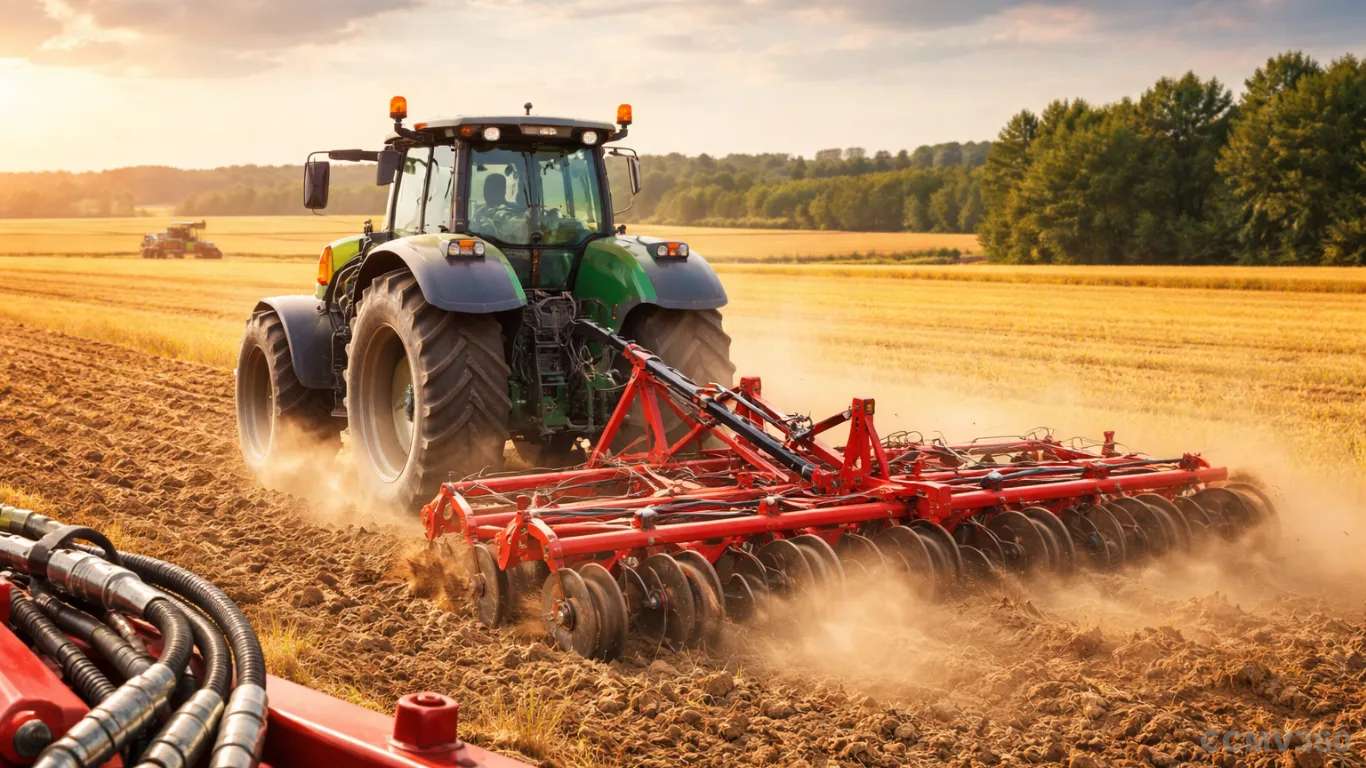
Tractor Hydraulics Explained: Functions, Types, Maintenance & Why It Matters for Every Farmer
Learn tractor hydraulics basics, functions, types, and maintenance tips. Improve performance, reduce downtime, and make better tractor decisions with this simple, farmer-...
31-Mar-26 10:45 AM
Read Full News
GPS Tractor Tracking Systems in India 2026: Save Fuel, Prevent Theft & Boost Farm Productivity
Track tractors in real time, save fuel, prevent theft, and improve farm productivity with GPS systems. A smart solution for modern Indian farmers seeking efficiency and c...
30-Mar-26 07:26 AM
Read Full News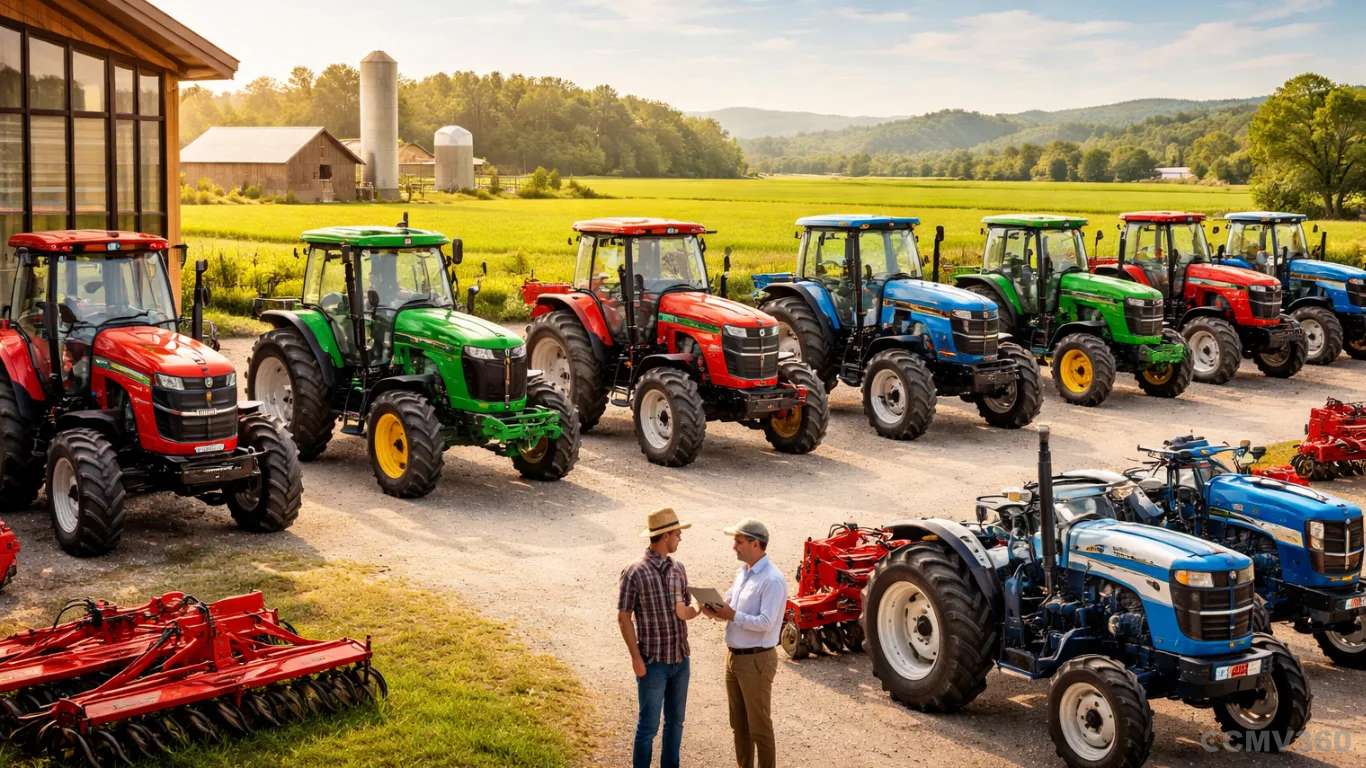
Best Tractor Brand Comparison in India 2026: Which HP Range is Right for You?
Find the ideal tractor HP with this 2026 guide. Compare leading brands, fuel efficiency, and farm needs to make a smart buying decision....
27-Mar-26 07:31 AM
Read Full News
Mahindra Tractors vs New Holland Tractors in India 2026: Which Brand Truly Delivers More for Farmers?
Compare Mahindra vs New Holland tractors in 2026. Check price, mileage, features, and performance to choose the best tractor for Indian farming needs easily....
25-Mar-26 09:02 AM
Read Full News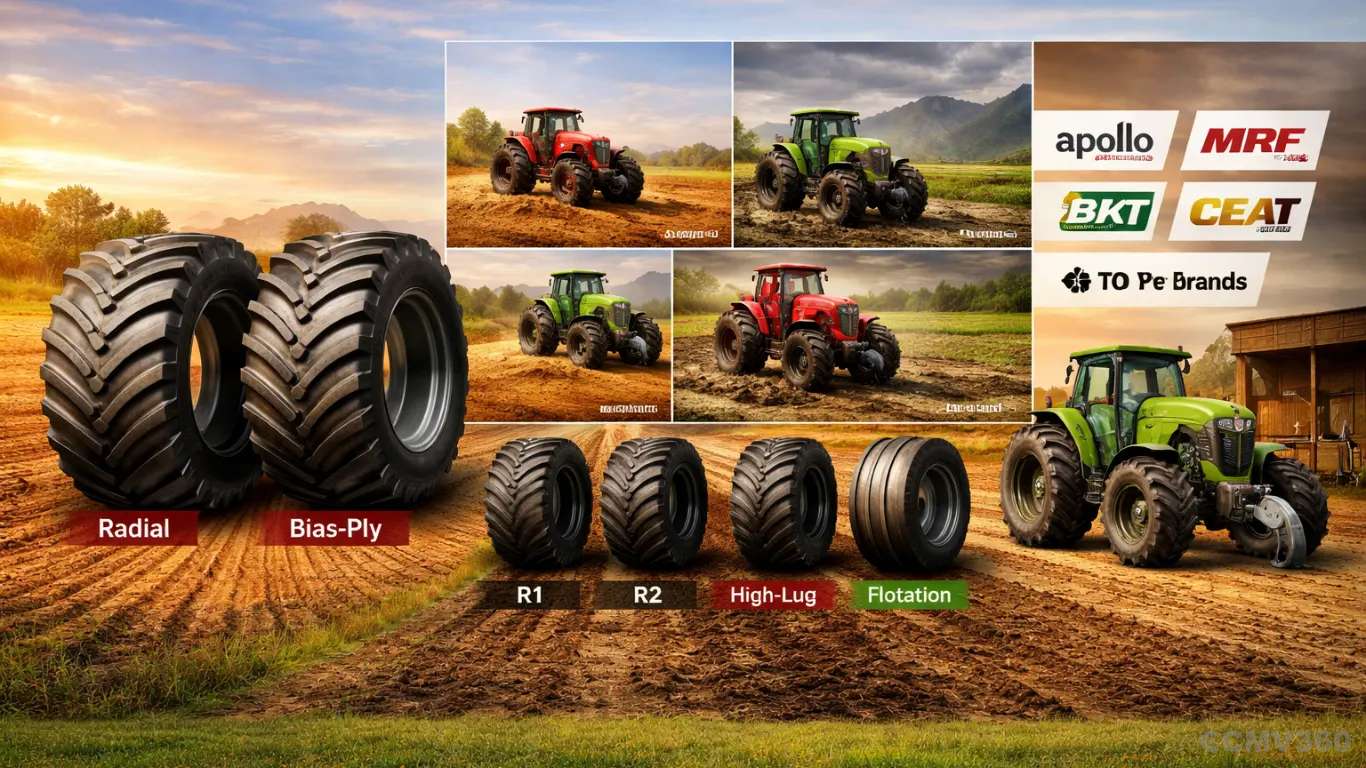
Best Tractor Tyres in India 2026: Complete Guide on Radial vs Bias, Brands, Sizes, and Selection Tips
Explore the best tractor tyres in India 2026. Learn radial vs bias tyres, top brands, tyre sizes, prices, and tips to choose the right tyres for your tractor....
24-Mar-26 05:26 AM
Read Full NewsAd
Ad







As featured on:





Registered Office Address
Delente Technologies Pvt. Ltd.
M3M Cosmopolitan, 12th Cosmopolitan,
Golf Course Ext Rd, Sector 66, Gurugram, Haryana
pincode - 122002
Join CMV360
Receive pricing updates, buying tips & more!
Follow Us


COMMERCIAL VEHICLE BUYING BECOMES EASY AT CMV360
We bring great transparency on pricing, information and comparison of tractors, trucks, buses and three wheelers.