Tractors
Trucks
- Find by Budget
- Find by Type

English
 New Delhi
Compare oil-immersed and dry brakes in tractors. Learn differences, advantages, maintenance, and which brake type suits Indian farming conditions for better safety, performance, and long-term value.

By Robin Kumar Attri

When farmers or tractor buyers in India evaluate a machine, the focus usually stays on horsepower, mileage, and price. While these are important, one critical factor often goes unnoticed: the braking system. And not just any braking system, but the difference between oil-immersed brakes vs dry brakes in tractors.
This is not a minor technical detail. The type of brakes your tractor uses directly impacts safety, maintenance costs, durability, and long-term performance. Whether you are working in muddy fields, transporting loads on roads, or operating on slopes, brakes play a crucial role in controlling the machine effectively.
Modern tractor brands have also evolved significantly. Premium manufacturers now offer advanced braking systems as a key USP, especially in higher horsepower models. At the same time, budget-friendly tractors still rely on simpler systems to keep costs low.
So, the real question is, which brake system is actually better for Indian farming conditions, and which one should you choose?
Let’s break it down in the simplest and most practical way.
Also Read: GPS Tractor Tracking Systems in India 2026: Save Fuel, Prevent Theft & Boost Farm Productivity
Before comparing oil-immersed and dry brakes, it’s important to understand the broader types of braking systems used in tractors today.
Brake Type | Description | Best For |
Mechanical Brakes | Operated using rods and levers | Older, low HP tractors |
Hydraulic Brakes | Fluid-based braking system | Modern tractors |
Drum Brakes | Internal expanding shoe mechanism | Budget tractors |
Disc Brakes | Pads clamp onto rotating disc | Better performance tractors |
Air Brakes | Compressed air system | Heavy-duty hauling |
Oil-Immersed Brakes | Sealed, oil-cooled disc brakes | Premium and heavy-duty tractors |
Among these, the most important comparison for buyers today is between oil-immersed (wet) brakes and dry brakes.
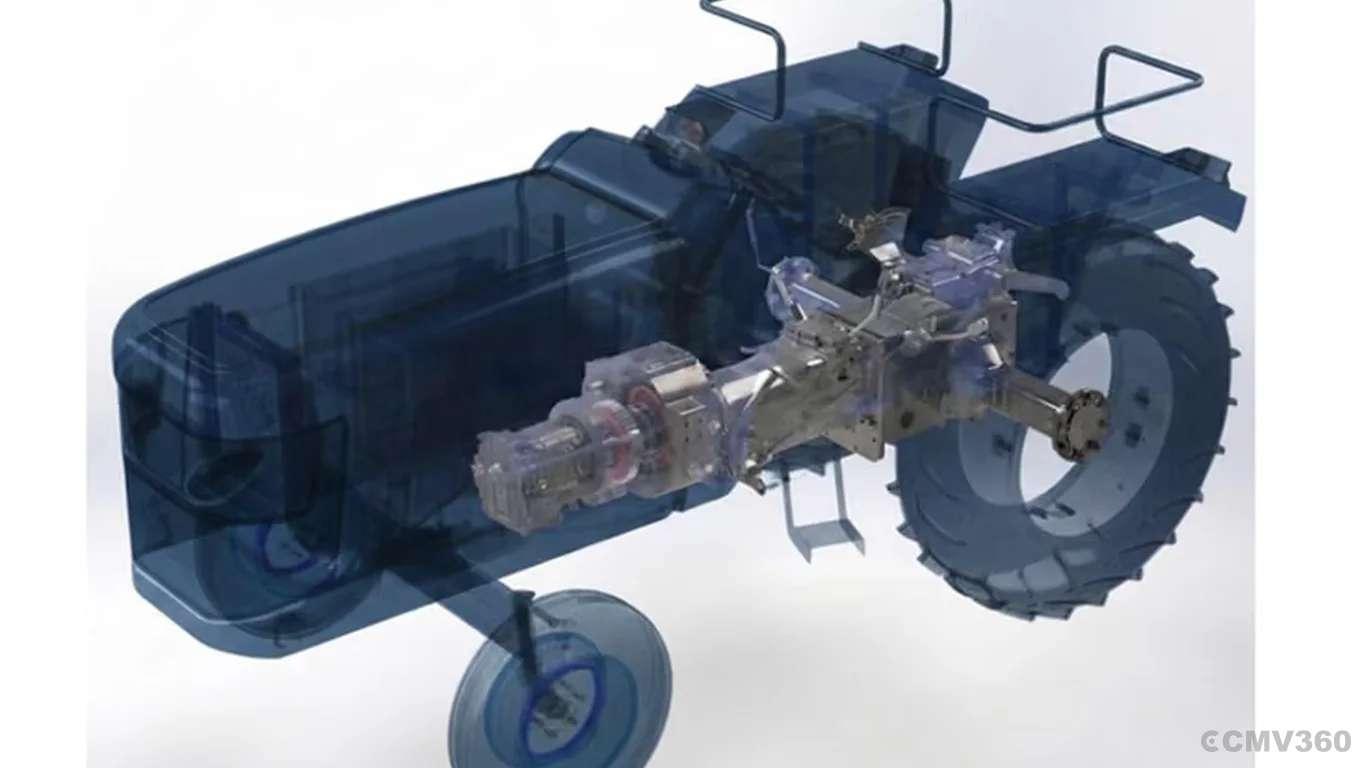
Oil-immersed brakes, also known as wet brakes, are advanced braking systems where multiple discs operate inside a sealed chamber filled with oil.
The oil acts as both a coolant and lubricant, reducing heat and friction during braking.
Located inside a sealed housing
Constantly lubricated by oil
Protected from dust, mud, and water
Mostly used in modern and high HP tractors
These brakes are commonly found in tractors designed for heavy-duty operations, long working hours, and challenging terrains.
Dry brakes are the traditional braking systems used in many tractors, especially in lower-cost models.
They operate without oil and rely on direct friction between brake components like shoes or discs.
Simple and open design
No oil lubrication
Exposed to external conditions
Common in budget and older tractors
Dry brakes are still widely used because they are affordable and easy to repair, especially in rural areas.

Here is a clear, practical comparison that every tractor buyer should understand:
Feature | Oil-Immersed Brakes | Dry Brakes |
Working Type | Operate in oil | Operate without oil |
Cooling | Excellent | Limited |
Wear & Tear | Very low | High |
Maintenance | Low | Frequent |
Lifespan | Long | Shorter |
Performance in Mud/Water | Excellent | Affected |
Noise | Quiet | Can be noisy |
Cost | Higher | Lower |
This comparison clearly shows that while dry brakes save money initially, oil-immersed brakes offer better long-term value and reliability.
Oil-immersed brakes are becoming the preferred choice in modern tractors, and for good reason.
Key Benefits
Superior heat resistance: Oil continuously cools the system, preventing brake failure during heavy use.
Longer lifespan: Reduced friction means less wear, increasing durability.
Low maintenance: No frequent cleaning or adjustment required.
Smooth braking control: Better handling while carrying heavy loads or using implements.
Reliable in all conditions: Performs consistently in mud, water, and dusty environments.
Quieter operation: Less noise compared to dry brakes.
These advantages make oil-immersed brakes ideal for intensive farming and commercial use.
Despite being simpler, dry brakes still have their own relevance.
Key Benefits
Lower initial cost: Makes tractors more affordable for small farmers.
Easy to repair: Local mechanics can fix issues quickly.
Simple design: Less complexity means fewer technical complications.
Suitable for light usage: Works well for occasional or low-intensity operations.
Dry brakes are best suited for farmers who operate tractors less frequently or on smaller farms.
Another important comparison in tractor braking systems is between hydraulic disc brakes and mechanical shoe brakes.
Parameter | Hydraulic Disc Brakes | Mechanical Shoe Brakes |
Operation | Fluid pressure | Rods and cables |
Pedal Effort | Light | Heavy |
Control | Smooth | Less precise |
Heat Handling | Better | Poor |
Maintenance | Lower | Higher |
Cost | Higher | Lower |
Hydraulic disc brakes are clearly superior in control, safety, and comfort, which is why they are widely used in modern tractors.
Crawler Tractors
Mostly use external shoe brakes
Designed for steering and turning control
Some advanced models use oil-immersed brakes
Wheeled Tractors
Low-cost models use mechanical drum brakes
Mid-range tractors use dry disc brakes
High-end tractors use oil-immersed multi-disc brakes
This shows how braking systems evolve with tractor size, power, and application.
Check oil level and quality regularly
Use the recommended oil type only
Inspect seals for leakage
Avoid riding brakes continuously
Test braking balance on slopes
Clean brakes after fieldwork
Remove mud, dust, and oil deposits
Adjust the pedal free play properly
Replace worn-out linings
Lubricate linkages carefully
Proper maintenance ensures longer life and consistent performance.
Weak braking - worn pads or low fluid
Hard pedal - improper adjustment
Brake dragging - seized components
Pulling to one side - uneven wear
Noise - dust or worn parts
Oil contamination - leaking seals
Regular inspection
Timely replacement of parts
Proper adjustment and lubrication
Avoid misuse, like riding the brakes
Indian farming conditions are tough, with mud, water, dust, heavy loads, and long working hours.
In such conditions:
Dry brakes wear out quickly
Maintenance becomes frequent
Performance reduces over time
Oil-immersed brakes solve these issues by offering:
Better durability
Consistent performance
Lower long-term costs
This is why most modern tractors, especially in the 40 HP and above segments, now come with oil-immersed braking systems.
The answer depends on your usage.
Do heavy farming regularly
Work in muddy or wet conditions
Use implements like loaders or rotavators
Want low maintenance and long life
Have a limited budget
Use the tractor occasionally
Operate mostly on dry and flat land
Prefer easy and cheap repairs
If you look at long-term performance, safety, and durability, oil-immersed brakes clearly outperform dry brakes.
They are more reliable, require less maintenance, and perform better in real Indian farming conditions.
However, dry brakes still hold value for budget-conscious buyers and light-duty users.
Also Read: Tractor Hydraulics Explained: Functions, Types, Maintenance & Why It Matters for Every Farmer
Choosing between oil-immersed brakes vs dry brakes is not just about cost; it’s about how you use your tractor and what you expect from it in the long run.
A slightly higher investment in oil-immersed brakes can save you from frequent repairs, downtime, and safety risks. On the other hand, if your usage is limited, dry brakes can still get the job done efficiently.
In today’s evolving tractor market, understanding these technical differences gives you a clear advantage as a buyer.
So before you finalize your next tractor, ask yourself: Do you want a machine that just works today, or one that performs reliably for years to come?

About the author
Robin Kumar Attri is a content and video professional with 2.7 years of experience in the commercial vehicle domain. At CMV360, he creates news articles and videos covering trucks, tractors, buses, three-wheelers, and infrastructure machines.


 Add CMV360 on Google