Tractors
Trucks
- Find by Budget
- Find by Type

English
 New Delhi
Understand the difference between digital, precision, and smart farming. Learn how these modern agriculture technologies improve efficiency, reduce input costs, and help farmers increase productivity and sustainability.

By Robin Kumar Attri

Farming in India is evolving rapidly. For generations, farmers have relied on experience, seasonal patterns, and traditional knowledge to grow crops successfully. While that wisdom still remains extremely valuable, modern agriculture is now being supported by new technologies that can help farmers reduce costs, increase yields, and manage risks more effectively.
Today, terms like Digital Farming, Precision Farming, and Smart Farming are frequently discussed in agricultural news, government policies, and agri-tech startups. Many farmers hear these terms but often wonder what they really mean and how they apply to everyday farming.
A common question is: "Do farmers really need technology to grow crops?"
The simple answer is that technology is not actually replacing traditional farming knowledge, it is just helping the farmers make better decisions and save resources.
These modern farming approaches can help farmers:
Save water through better irrigation management
Reduce fertilizer and pesticide usage
Improve crop productivity
Get better market prices for their produce
However, Digital Farming, Precision Farming, and Smart Farming are not the same. Each approach focuses on a different level of technology and investment.
Some agricultural equipment companies and agri-tech platforms are already introducing tools that support these systems. From mobile apps that provide mandi prices to drones that monitor crop health, technology is slowly becoming a part of the Indian farm ecosystem.
So the big question is: What exactly is the difference between Digital Farming, Precision Farming, and Smart Farming, and which one is most useful for Indian farmers?
Let’s understand each of these concepts in simple and practical terms.
Also Read: Top 10 Types of Farming Practiced in India 2026: Explained with Crops, Benefits and Schemes
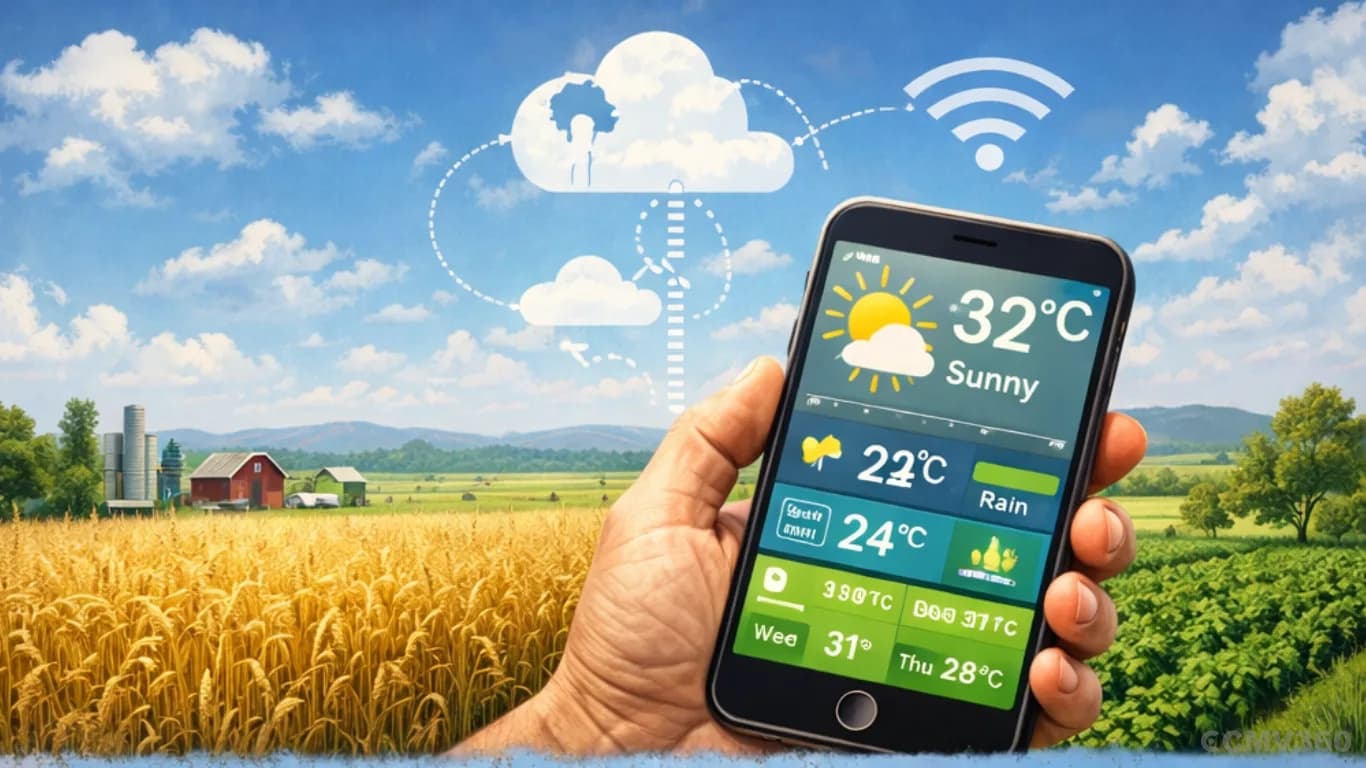
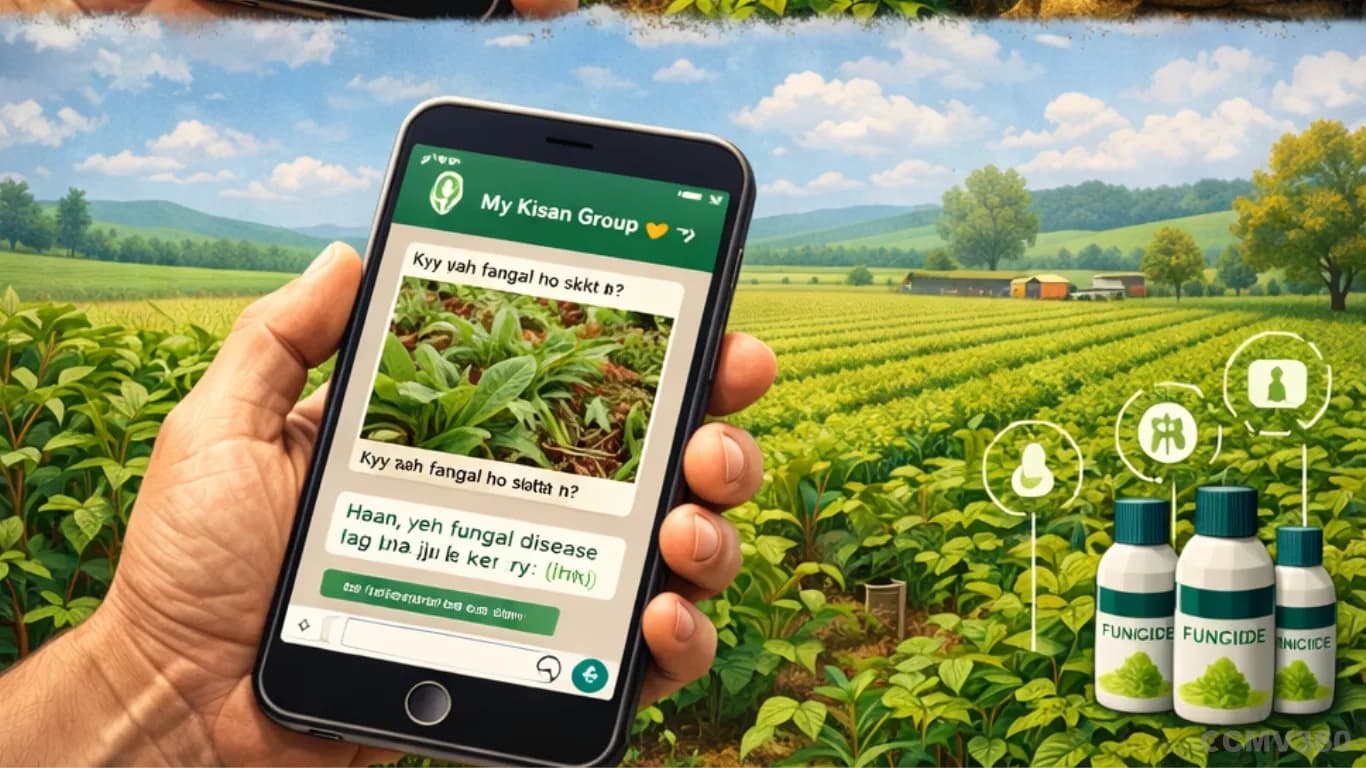
Digital farming is the simplest and most affordable way to start using technology in agriculture. It mainly focuses on using smartphones, mobile apps, and online platforms to collect and use farm-related information.
Instead of maintaining farm records in notebooks or relying only on guesswork, farmers can now use digital tools to make better decisions.
For example, if a farmer checks:
Weather forecasts on a mobile app
Crop disease alerts online
Mandi prices before selling produce
Farming advice through YouTube or WhatsApp groups
Then that farmer is already practicing digital farming.
In simple terms, digital farming means using digital information to manage farming better.
Digital farming focuses on improving farm management through information and data. Some common uses include:
Tracking farm expenses and input costs
Checking weather forecasts before sowing crops
Monitoring crop prices across different mandis
Getting pest or disease alerts from agriculture apps
Learning new farming techniques through online platforms
The biggest advantage of digital farming is that it requires very little investment. Most farmers can start using digital tools with just a smartphone and an internet connection.
Technology | Use in Farming |
Mobile Apps | Crop planning and farm records |
Weather Platforms | Rainfall and climate forecasts |
Online Mandi Data | Market price tracking |
Cloud Systems | Storing farm information |
Satellite Data | Crop monitoring |
Digital farming mainly helps farmers make better decisions at the right time.
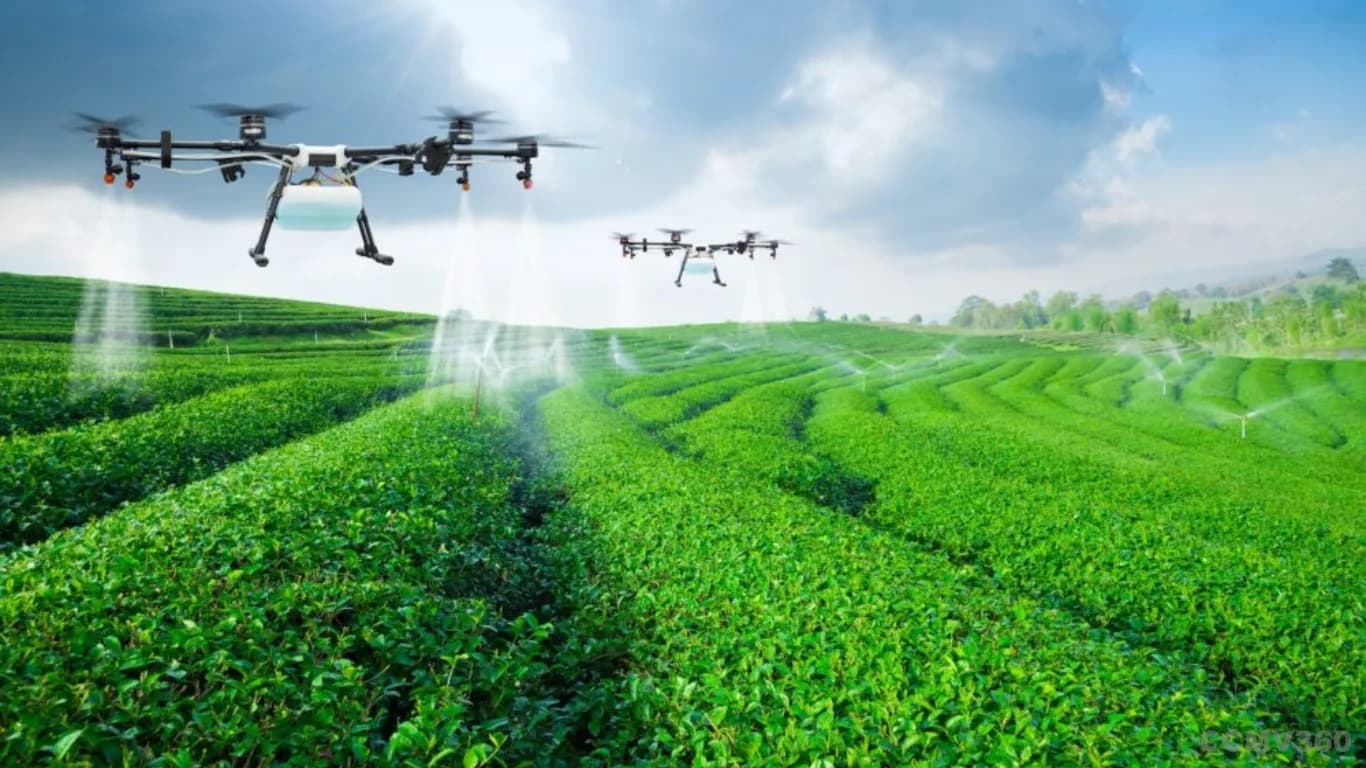
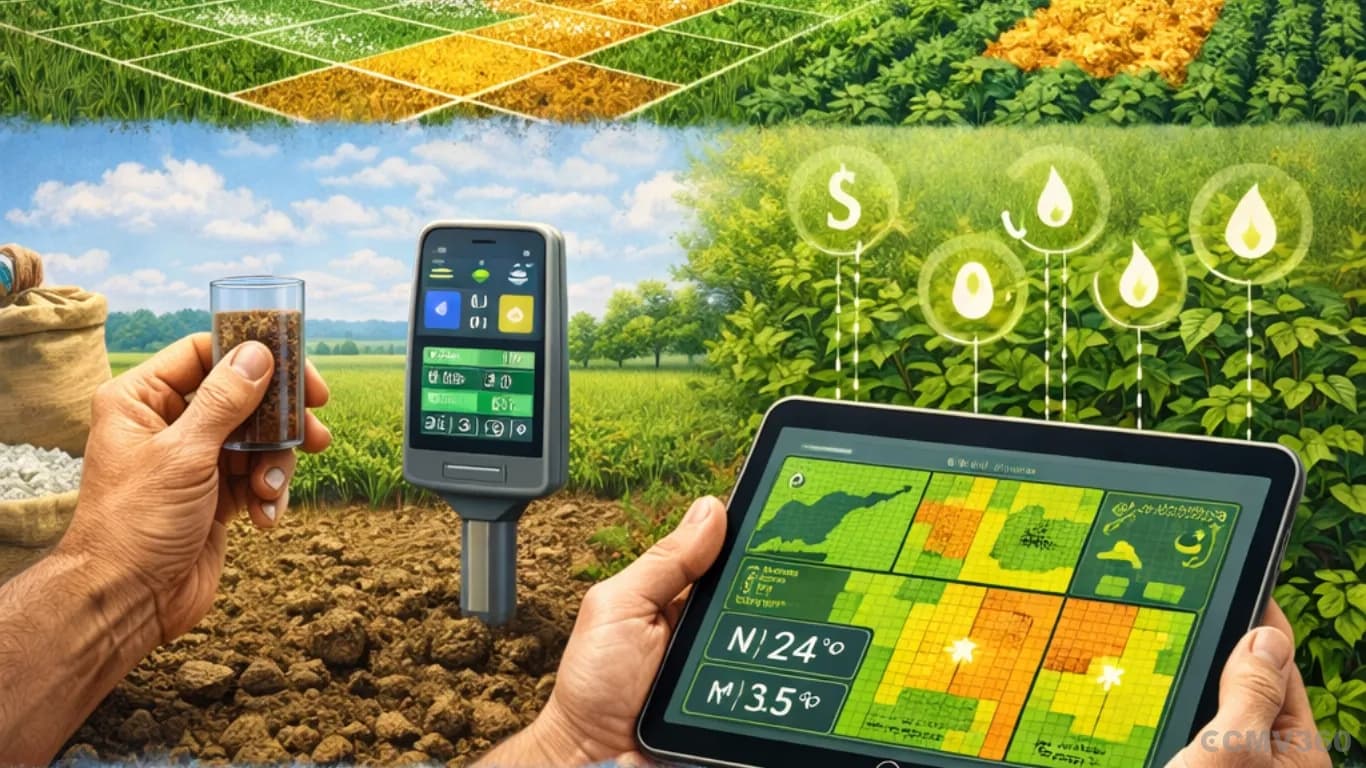
Precision farming focuses on using resources accurately and efficiently within a farm field.
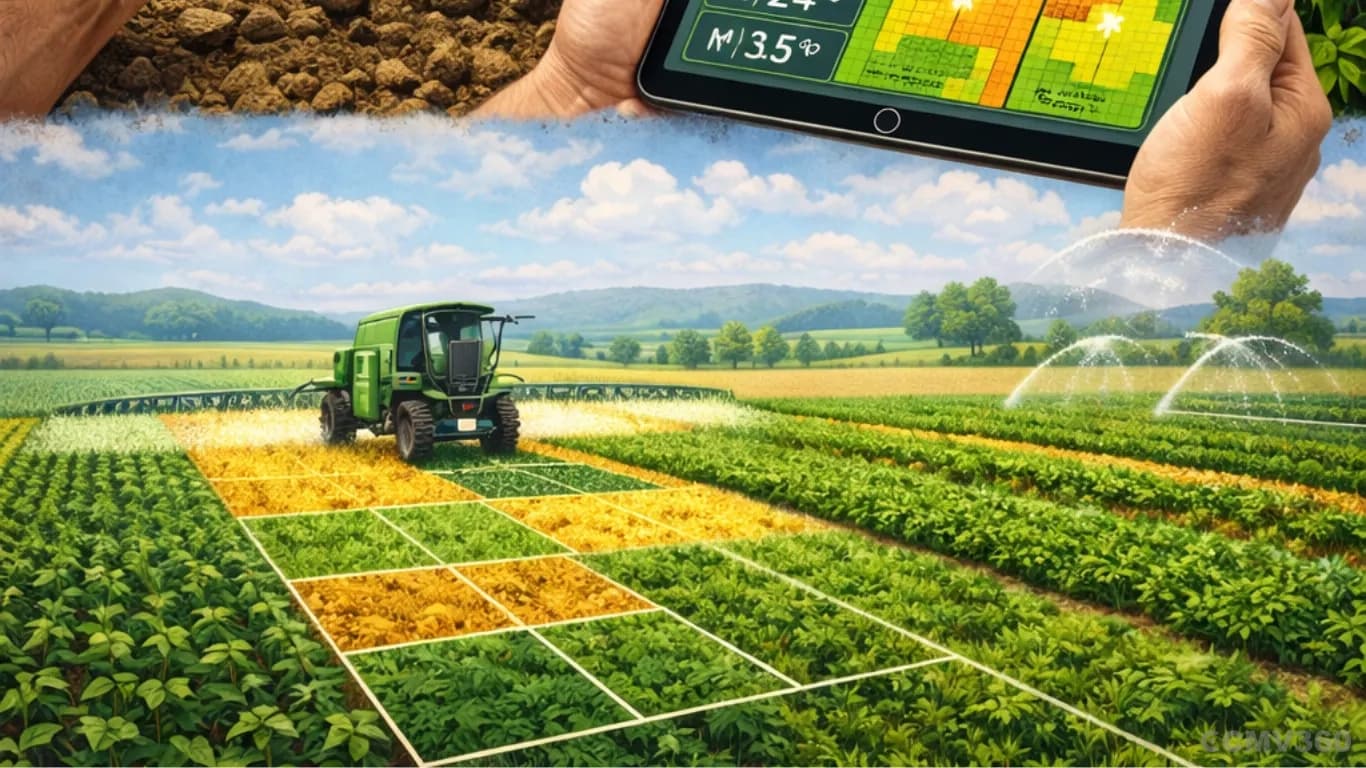
In traditional farming, fertilizers, pesticides, and water are usually applied evenly across the entire field. However, soil conditions are rarely the same everywhere. One part of the field may need more nutrients, while another area may already have sufficient fertility.
Precision farming solves this problem by identifying these differences and applying inputs only where needed.
In simple terms, precision farming means doing the right farming activity at the right place and in the right amount.
Also Read: Modern Tractors and Precision Farming: Transforming Agriculture for Sustainability
Precision farming relies on technologies that help farmers understand the condition of different parts of their fields.
Technology | Purpose |
GPS systems | Mapping farm areas |
Soil sensors | Measuring soil moisture and nutrients |
GIS mapping | Studying soil variations |
Drone imagery | Monitoring crop health |
Variable Rate Technology | Adjusting fertilizer or pesticide usage |
These technologies help farmers manage fields more accurately.
Imagine a farmer has a 50-acre field.
After conducting soil testing, the farmer discovers that:
One section needs extra nitrogen
Another section already has enough nutrients
Instead of applying fertilizer to the entire field, the farmer can apply it only to the areas that need it.
This approach can:
Reduce fertilizer use
Lower input costs
Improve crop yields
Studies have shown that precision farming can reduce fertilizer use by up to 20% while improving productivity.
Precision farming offers several important benefits:
1. Lower Input Costs: Farmers can save money by using fertilizers and pesticides only where required.
2. Higher Crop Productivity: Accurate nutrient management leads to better crop growth.
3. Efficient Water Use: Targeted irrigation helps save water.
4. Environmental Protection: Reduced chemical usage improves soil health and reduces pollution.
However, precision farming requires more investment than digital farming, as it involves sensors, GPS equipment, or drones.
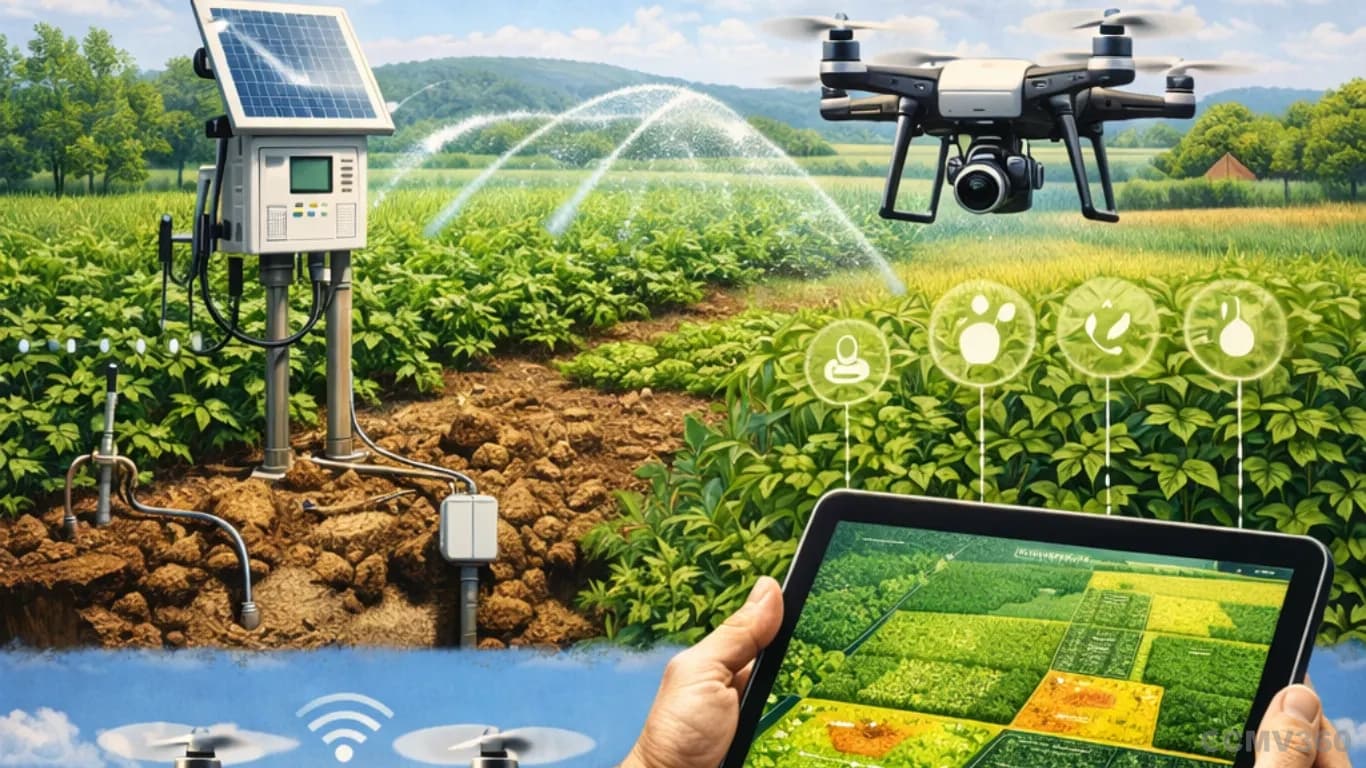
Smart farming is the most advanced stage of modern agriculture.
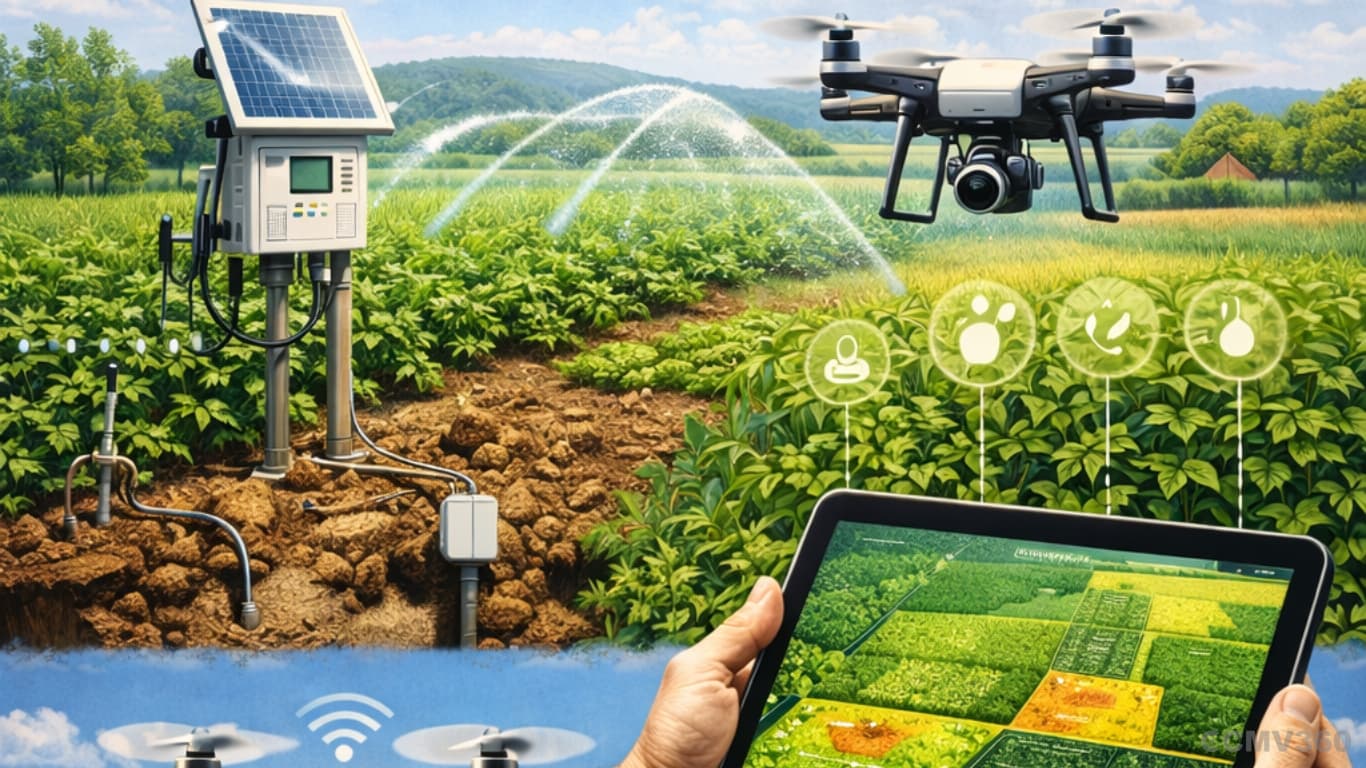
It combines digital technologies, sensors, artificial intelligence, and automation to create a fully connected farming system.
In smart farming, machines and sensors can collect data and automatically perform tasks with very little human involvement.
For example:
Irrigation systems can automatically start when the soil becomes dry
Drones can detect pests in crops
Autonomous tractors can plant crops with high accuracy
Smart farming aims to save time, reduce labour, and improve farm efficiency.
Smart farming integrates several advanced technologies.
Technology | Role |
IoT sensors | Real-time soil and weather monitoring |
Artificial Intelligence | Crop disease prediction |
Drones | Crop inspection and spraying |
Autonomous tractors | Automated field operations |
Agricultural robots | Planting, weeding, and harvesting |
These technologies work together to create a smart and connected farm system.
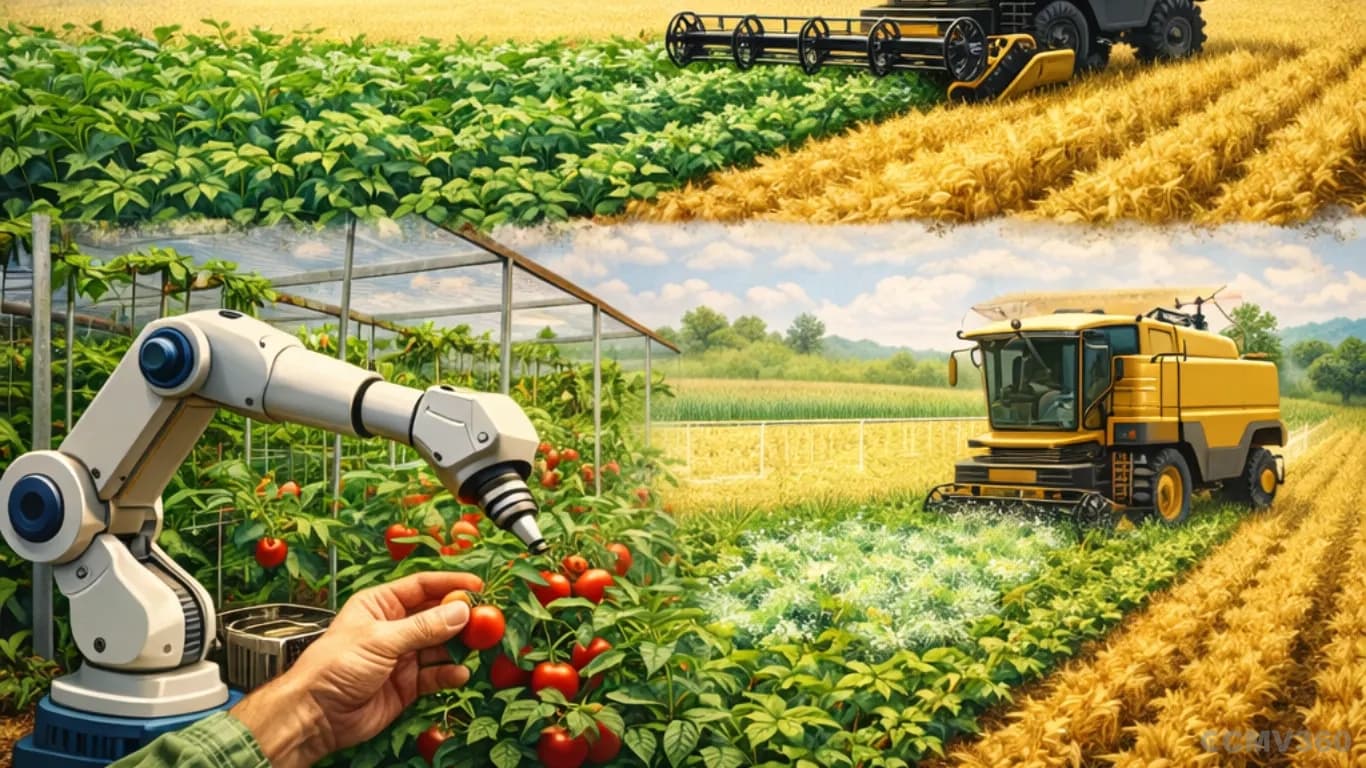
The Internet of Things (IoT) is one of the most important technologies in smart farming.
IoT connects sensors and devices across the farm so they can continuously send data to a central platform.
These sensors can monitor:
Soil moisture levels
Temperature and humidity
Nutrient levels in soil
Crop health conditions
Livestock activity
Farmers can access this information through smartphones or dashboards and make quick decisions.
In many smart farms, irrigation systems automatically turn on when soil moisture drops below a certain level.
This helps farmers save water and prevent crop stress.
Robotics is another important part of smart agriculture.
Agricultural robots can perform various tasks that traditionally require human labour.
Common examples include:
Autonomous tractors for planting crops
Robotic harvesters for fruits and vegetables
Drone spraying systems for pesticides
Robots that remove weeds using computer vision
Some robotic systems can reduce chemical usage by 30-40 percent while improving productivity.
Although these farming approaches are related, they focus on different goals.
Feature | Digital Farming | Precision Farming | Smart Farming |
Main Goal | Better information | Reduce input waste | Automation and efficiency |
Technology Level | Basic digital tools | Sensors and GPS | AI, IoT, robotics |
Primary Tools | Apps and the internet | Soil sensors, GPS | Drones, robots, auto systems |
Focus | Data and planning | Field accuracy | Farm automation |
Example | Checking mandi prices | Fertilizing specific areas | Automatic irrigation |
Benefits
Low investment
Easy to use with smartphones
Improves planning and market decisions
Challenges
Poor internet connectivity in rural areas
Some farmers may find digital tools difficult initially
Benefits
Reduces fertiliser and pesticide use
Improves crop productivity
Saves water and resources
Challenges
Requires sensors and specialised equipment
Higher setup costs
Benefits
Reduces labour requirements
Automates routine farm work
Improves efficiency and productivity
Challenges
High initial investment
Requires technical skills
Data security risks in connected systems
Modern agriculture faces several serious challenges.
Climate Change: Unpredictable rainfall and extreme weather are affecting crop production.
Rising Input Costs: Prices of fertilizers, seeds, and pesticides are increasing every year.
Water Scarcity: Efficient irrigation systems are becoming essential.
Labour Shortages: Many farms struggle to find workers during planting and harvesting seasons.
Digital, precision, and smart farming technologies help farmers address these challenges more effectively.
There is no single farming method that works for everyone. The best approach depends on farm size, investment capacity, and available infrastructure.
However, a practical path for most farmers could be:
Start with Digital Farming: Use mobile apps for weather updates, mandi prices, and crop advisory services.
Adopt Precision Farming Gradually: Use soil testing and targeted fertilizer application to reduce costs.
Move Towards Smart Farming When Possible: Larger farms may benefit from automation tools such as drones and smart irrigation systems.
This step-by-step approach allows farmers to benefit from technology without making large investments at once.
Also Read: Will Tractor Prices Rise in 2026? TREM V Norms Explained for Farmers
Technology is gradually becoming an important part of modern agriculture, but it does not replace farmers experience or traditional knowledge. Instead, it supports farmers by providing better information, improving resource management, and reducing labour requirements.
Digital farming helps farmers access important data and make better decisions. Precision farming focuses on using inputs like water and fertilizers more accurately. Smart farming goes even further by automating tasks through connected sensors, artificial intelligence, and robotics.
For Indian farmers, the most practical starting point is digital farming because it requires minimal investment. Over time, precision and smart farming technologies may become more accessible and affordable, allowing farmers to adopt them gradually.
Ultimately, these innovations aim to achieve the same goal: helping farmers grow better crops, reduce costs, and build a more sustainable agricultural future.

About the author
Robin Kumar Attri is a content and video professional with 2.7 years of experience in the commercial vehicle domain. At CMV360, he creates news articles and videos covering trucks, tractors, buses, three-wheelers, and infrastructure machines.




 Add CMV360 on Google