


Ad
Ad
Cash Crop Farming: A Key Driver of Rural Prosperity in India


 Views
ViewsIn this article, we will explore the various types of cash crops cultivated in India and discuss their importance in the agricultural sector.
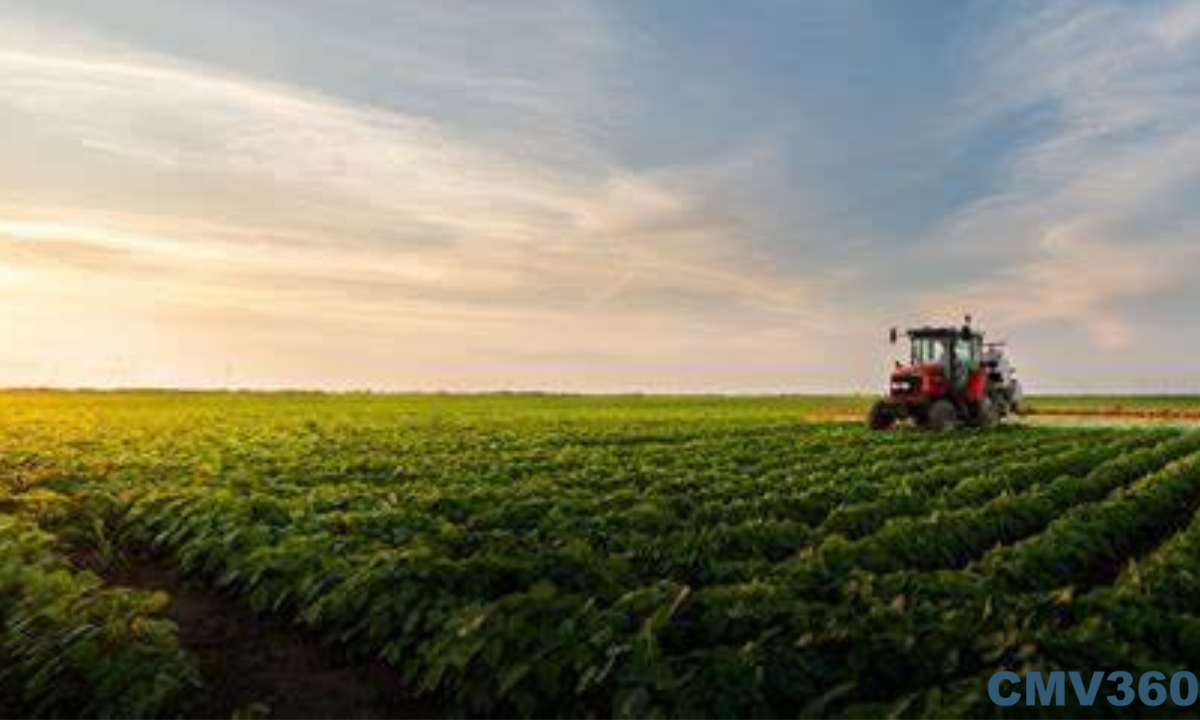
Agriculture is the fundamental practice of cultivating crops and raising livestock for the purpose of producing food, fibre, and various other products essential for human sustenance and economic well-being. It is one of the oldest and most crucial activities undertaken by humans, shaping societies and civilizations throughout history.
Agriculture encompasses a wide range of practices, technologies, and systems that vary greatly across regions and cultures. Cash crop farming plays a pivotal role in India's agricultural landscape, contributing significantly to the country's economy.
These crops are grown primarily for sale and export, providing farmers with a source of income while also contributing to India's foreign exchange earnings. In this article, we will explore the various types of cash crops cultivated in India and discuss their importance in the agricultural sector.
What are Cash Crops?
Cash crops are agricultural crops that are grown primarily for sale and profit rather than for personal consumption or subsistence. These crops are typically cultivated on a large scale and are selected based on their ability to generate income for farmers and the local economy.
Cash crops are an essential component of many agricultural systems around the world, contributing to both domestic and international trade.
Also Read: Top 05 Best Mileage and Fuel-Efficient Tractors in India
Types of Cash Crops in India
Cotton
- Cotton is one of India's oldest cash crops, grown predominantly in states like Gujarat, Maharashtra, Andhra Pradesh, and Telangana.
- India is one of the world's largest producers and exporters of cotton, making it a crucial cash crop for the textile industry.
- Cotton farming provides employment to millions of farmers and labourers across the country.
Sugarcane
- Sugarcane is a vital cash crop grown in states like Uttar Pradesh, Maharashtra, Karnataka, and Tamil Nadu.
- It is the primary raw material for sugar and ethanol production in India.
- Sugarcane cultivation supports numerous sugar mills and contributes to rural development and employment.
Tobacco
- Tobacco is cultivated in states like Andhra Pradesh, Karnataka, Gujarat, and West Bengal.
- It is a high-value cash crop used in the manufacturing of cigarettes, cigars, and other tobacco products.
- Despite health concerns, tobacco farming continues to be an essential source of livelihood for many farmers.
Tea
- Tea is grown mainly in the hilly regions of Assam, West Bengal, Tamil Nadu, and Kerala.
- India is one of the largest tea producers globally, with its teas in high demand both domestically and internationally.
- The tea industry supports millions of workers and contributes to India's export earnings.
Coffee
- Coffee cultivation is concentrated in Karnataka, Kerala, Tamil Nadu, and Andhra Pradesh.
- India produces high-quality Arabica and Robusta coffee beans, which are exported worldwide.
- Coffee farming is essential for the livelihoods of many small-scale farmers.
Also Read: From Beans to Brews: India's Top 10 Coffee-Producing States
Rubber
- Rubber is mainly cultivated in states like Kerala, Tamil Nadu, Karnataka, and Northeastern regions.
- India is one of the world's leading producers of natural rubber.
- Rubber plantations provide employment and contribute to the automotive and manufacturing industries.
Importance of Cash Crop Farming in India
Cash crop farming can provide farmers with additional cash and higher profit margins, allowing them to raise their standard of living. Because cash crops are mostly grown for profit, they can create additional job possibilities in the agricultural and agro-based industries, resulting in enhanced economic growth.
This also encourages agricultural innovation, enhances agricultural capital investment, and even promotes rural development.
Economic Significance: Cash crop farming significantly contributes to India's economy by generating substantial revenue through exports. It helps in stabilizing the agricultural sector's income and reducing rural poverty.
Employment Generation: Cash crops offer employment opportunities to millions of farmers and agricultural labourers across the country. This helps in reducing rural unemployment and underemployment.
Foreign Exchange Earnings: The export of cash crops such as cotton, tea, coffee, and spices brings in foreign exchange, strengthening India's economic position on the global stage.
Diversification of Agriculture: Cash crop farming allows farmers to diversify their income sources, reducing their dependence on traditional crops and improving resilience against price fluctuations.
Industrial Growth: Industries such as textiles, sugar, tobacco, and beverages heavily rely on cash crops as raw materials, fostering industrial growth and supporting value addition.
Global Trade: India's cash crops are in high demand in international markets, promoting trade relationships and economic diplomacy.
What is the risk of growing cash crops?
Growing cash crops can involve various risks, depending on factors such as the type of crop, location, climate, market conditions, and farming practices. Here are some common risks associated with growing cash crops:
Market Price Volatility: One of the primary risks for cash crop farmers is the fluctuation of market prices. Prices can be influenced by global supply and demand, weather conditions, political events, and other factors. Farmers may not receive the expected returns on their investment if prices drop significantly.
Weather and Climate: Cash crops are often vulnerable to adverse weather conditions such as droughts, floods, hurricanes, or unseasonal frosts. These can lead to crop failures and substantial financial losses.
Pests and Diseases: Crops are susceptible to a range of pests and diseases that can reduce yields or destroy the entire crop. Managing these threats often requires the use of pesticides and other control measures, which can be costly and have environmental implications.
Soil Depletion: Repeated cultivation of cash crops without proper soil management can lead to soil degradation, loss of fertility, and decreased crop yields over time. Farmers may need to invest in soil conservation and nutrient replenishment practices.
Input Costs: The cost of inputs such as seeds, fertilizers, pesticides, and machinery can be substantial. Fluctuations in the prices of these inputs can affect a farmer's profitability.
Dependency on Monoculture: Planting a single cash crop over large areas can increase the risk of crop failure due to pests or diseases that specifically target that crop. Diversifying crops or employing crop rotation can help mitigate this risk.
Market Access: Farmers may face challenges in accessing markets, especially if they are located in remote areas or lack infrastructure for transportation and storage. This can limit their ability to sell their crops at profitable prices.
Regulatory and Policy Risks: Government policies, trade agreements, and regulations can impact the cash crop industry. Changes in policies related to subsidies, tariffs, or environmental regulations can affect farmers' incomes and practices.
Labour Shortages: A shortage of labour, especially during peak planting and harvesting seasons, can disrupt farming operations and lead to reduced yields or increased labor costs.
Environmental Concerns: Growing certain cash crops can have environmental consequences, such as deforestation, habitat destruction, and water pollution. Farmers may face legal and public relations risks related to unsustainable practices.
Financial Risks: Financing the cultivation of cash crops can be challenging, and farmers may face difficulties in securing loans or credit to cover upfront costs.
Also Check: Tractors price in India
To mitigate these risks, farmers often employ risk management strategies, including diversifying their crops, using sustainable farming practices, purchasing crop insurance, and staying informed about market trends and weather forecasts.
It's essential for farmers to carefully plan and adapt their strategies to their specific circumstances and the types of cash crops they are cultivating. Additionally, government programs and agricultural extension services may offer support and resources to help farmers manage these risks.
Conclusion
Cash crop farming in India encompasses a diverse range of crops that play a crucial role in the country's agriculture and economy. These crops not only provide income and employment opportunities but also contribute significantly to India's export earnings.
However, it is essential to strike a balance between cash crop cultivation and sustainable agricultural practices to ensure long-term agricultural and environmental sustainability.
Features & Articles

Tractor Subsidy in India 2026: Complete Guide to Schemes, Eligibility, Rejections & Smart Approval Strategy
Learn tractor subsidy 2026 in India, including schemes, eligibility, application steps, rejection reasons, and smart tips to get approval easily and save up to 80% on tra...
05-May-26 05:57 AM
Read Full News
Tractor Tyre Life Secrets Revealed: Expert Guide to Prevent Early Wear, Improve Performance & Save Costs in India (2026)
Learn tractor tyre care tips, ideal pressure, wear signs, and maintenance methods to increase tyre life and reduce costs for Indian farmers in 2026....
04-May-26 09:34 AM
Read Full News
Tractor Resale Value in India 2026: Top Brands, Calculation Guide, TREM V Impact & Proven Tips to Maximise Price
Learn tractor resale value in India 2026. Discover top brands, TREM-V impact, price calculation, and expert tips to increase resale value and sell your used tractor at be...
29-Apr-26 09:29 AM
Read Full News
Tractor Trolley vs Tractor Trailer in India 2026: Which One Should You Choose for Your Farm?
Compare tractor trolley vs trailer in India 2026. Check price, maintenance, best tractors, and choose the right option for your farm needs easily....
27-Apr-26 09:33 AM
Read Full News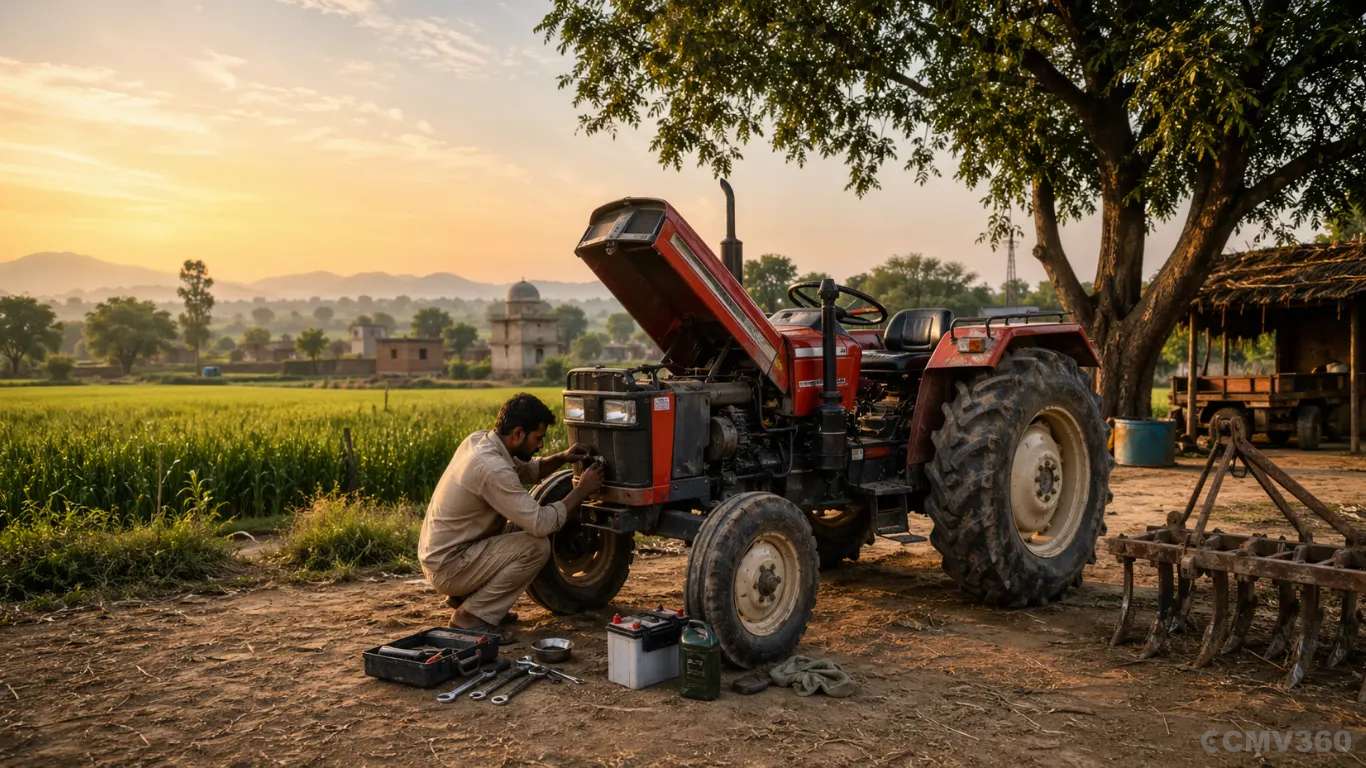
Tractor Won’t Start? Complete Guide to Causes, Fixes, and Prevention for Indian Farmers (2026)
Learn why your tractor won’t start with simple causes, quick fixes, and maintenance tips. A practical guide for farmers to solve battery, fuel, and engine starting proble...
22-Apr-26 12:49 PM
Read Full News
Tractor Loan Without Land Documents in India 2026: A Complete Guide for Tenant Farmers & Smallholders
Learn how to get a tractor loan without land documents in India. Explore NBFC options, interest rates, subsidies, the MUDRA scheme, and easy steps for tenant farmers in 2...
14-Apr-26 07:05 AM
Read Full NewsAd
Ad








As featured on:





Registered Office Address
Delente Technologies Pvt. Ltd.
806-807, 8th Floor, IRIS Tech Park,
Badshahpur Sohna Rd, Gurugram, Haryana
Pincode - 122018
Join CMV360
Receive pricing updates, buying tips & more!
Follow Us


COMMERCIAL VEHICLE BUYING BECOMES EASY AT CMV360
We bring great transparency on pricing, information and comparison of tractors, trucks, buses and three wheelers.