Tractors
Trucks
- Find by Budget
- Find by Type

English
 New Delhi
India’s e-rickshaw growth stalls as drivers upgrade to advanced L5 EV autos. Strong OEM competition, better range, safety, and higher earnings reshape the country’s last-mile mobility market.

By Robin Kumar Attri

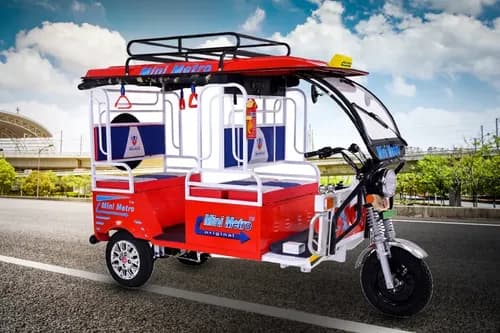
E-rickshaw growth has stalled in the last 3–4 quarters.
Drivers are upgrading to larger, better L5 EV autos.
Major OEMs like Bajaj, Mahindra, and Piaggio intensify competition.
Lead-acid e-rickshaws are losing demand due to range and durability issues.
Bajaj expands EV lineup with new Riki e-rickshaw.
India’s three-wheeler market has been one of the fastest-growing mobility sectors over the past few years, especially with the rise of electric rickshaws. But despite this rapid expansion, the entry-level e-rickshaw segment is now facing an unexpected slowdown. Industry insights suggest that changing customer preferences, rising competition, and evolving product choices are reshaping the market’s direction.
India’s three-wheeler industry, crucial for last-mile connectivity, almost doubled its monthly sales from around 60,000 units (FY19–FY20) to 115,000–120,000 units today. A major contributor to this expansion was the entry-level e-rickshaw and e-cart segment, which now sells nearly 45,000 units every month.
These affordable vehicles became a popular mobility option across cities and small towns. However, over the last 3–4 quarters, the e-rickshaw category has stopped growing.
Samardeep Subandh, President of the Intra-City Business Unit at Bajaj Auto Ltd., confirmed this shift during the launch of Bajaj’s new e-rickshaw, Bajaj Riki, in Delhi. He described the slowdown as a “temporary stagnation” that reflects deeper market changes.
Also Read: Bajaj Riki Launched: New Long-Range E-Rickshaws Start at ₹1.91 Lakh in India
The biggest reason behind the slump is a mass migration of customers to the L5 electric auto segment. These larger, more robust EV autos fall in the next segment above e-rickshaws and offer better performance, comfort, and durability.
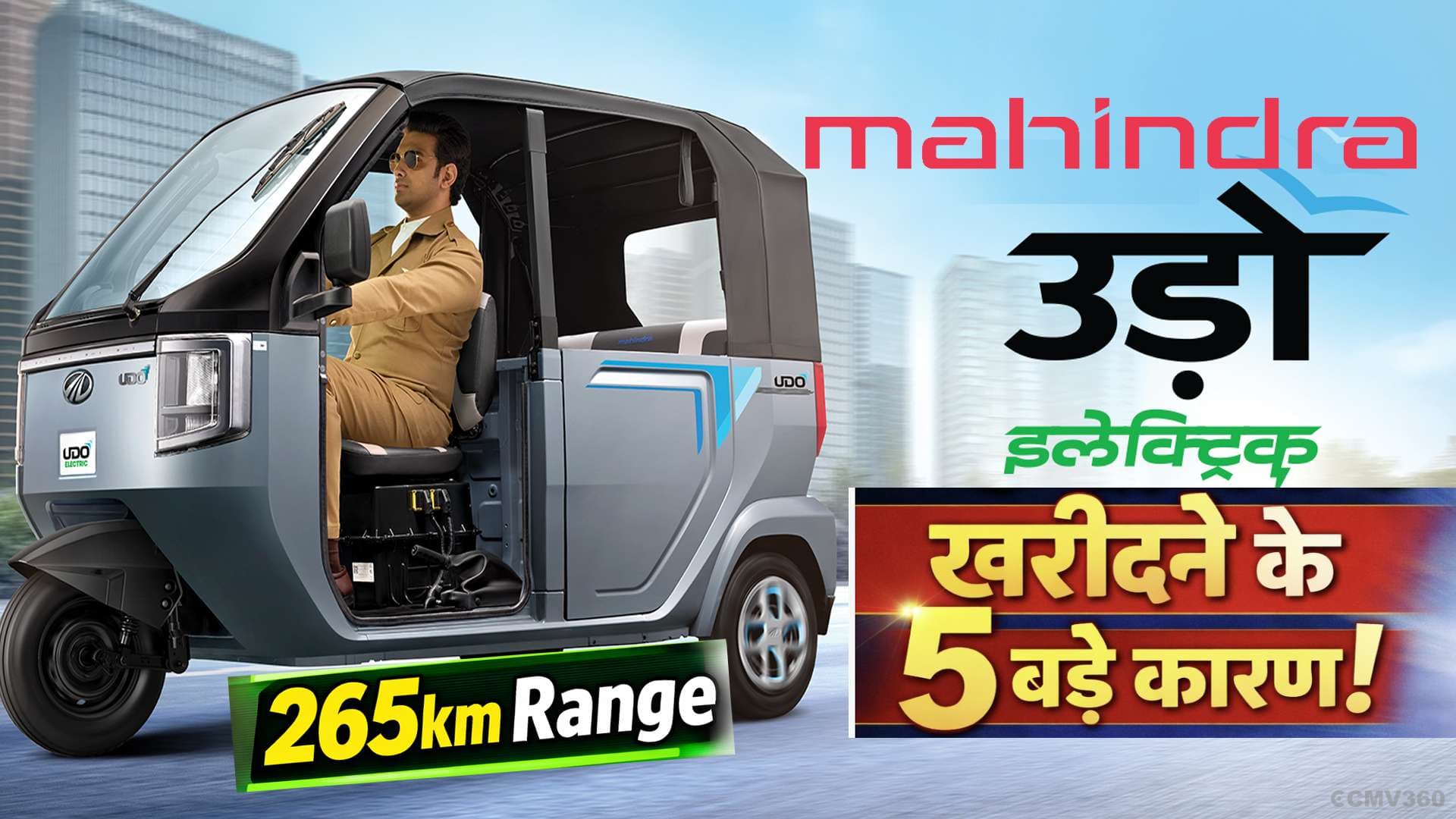
Better product quality from major OEMs like Bajaj Auto, Mahindra, Piaggio, and TVS
More reliable EV technologies, including lithium-ion batteries
Higher earning potential for drivers due to better passenger capacity
Safety, range, and durability issues with older e-rickshaws using lead-acid batteries
“There is a lot of action happening in the L5 EV auto category… so a lot of customers are upgrading here,” Subandh said, pointing to the stronger competition and wider choices now available.
Subandh believes the future of India’s last-mile mobility will be dominated by the L5 category, covering both CNG and electric autos. The entry-level e-rickshaw, once the symbol of affordable urban mobility, may not grow at the same pace anymore.
“If looking into the future, the e-rickshaw may not grow as fast as it did in the past. I think it goes more towards L5,” he added, hinting at a long-term industry shift.
Bajaj Auto, already a market leader with nearly 70% of India’s three-wheelers historically being Bajaj models, is actively expanding its EV lineup.
Bajaj E-Tec (2023)
Bajaj GoGo (2025)
New Bajaj Riki e-rickshaw (entry into the basic EV category)
With Riki, Bajaj aims to capture the slowing e-rickshaw segment while also strengthening its footprint in the fast-growing L5 EV auto market.
Also Read: 3ev Secures ₹120 Crore in Series A Funding Led by Mahanagar Gas Limited to Accelerate EV Expansion
India’s e-rickshaw boom may have slowed down, but the electric mobility landscape is far from losing momentum. Instead, the industry is undergoing a natural upgrade cycle where drivers prefer more advanced, higher-earning L5 EV autos. With major OEMs pushing innovation and expanding product lines, the future of last-mile mobility is clearly shifting toward larger, efficient, and more reliable electric autos—marking the next chapter of India’s EV evolution

About the author
Robin Kumar Attri is a content and video professional with 2.7 years of experience in the commercial vehicle domain. At CMV360, he creates news articles and videos covering trucks, tractors, buses, three-wheelers, and infrastructure machines.


 Add CMV360 on Google