Rechargion Energy’s Sodium-Ion Battery Gets Safety Validation from ARAI
 Add CMV360 on Google
Rechargion Energy’s sodium-ion battery secures ARAI validation, promising safer, cost-effective, and sustainable solutions for 2W and 3W EVs with commercialisation targeted in 12–15 months.

By Robin Kumar Attri

Key Highlights
Rechargion Energy’s sodium-ion battery cleared ARAI safety tests.
Tests confirmed durability, safety, and long-term performance.
Focus on 2W and 3W EVs with affordable and reliable solutions.
Plans to scale production to 500–1000 cells per day soon.
Commercialisation expected within 12–15 months in India.
Pune-based Rechargion Energy has achieved a major milestone in the clean energy sector. The company has secured IEC62660/IS16893 safety test validation for its sodium-ion battery from the Automotive Research Association of India (ARAI). This development highlights sodium-ion technology as a sustainable and cost-effective alternative to conventional lithium-ion batteries.
Rechargion Energy, a spin-off from CSIR–National Chemical Laboratory, is working on sodium-ion chemistry to make electric mobility more affordable and reliable.
Successful Safety Testing by ARAI
The Homologation and Technology Centre of ARAI carried out rigorous testing of Rechargion Energy’s sodium-ion battery cells over two months. The results confirmed the safety, durability, and performance of these advanced cells.
Key Tests Conducted:
Vibration and mechanical shock
Crushing and high temperature endurance
Short circuit and overcharge resistance
Forced discharge testing
Long-term cycle performance
These evaluations proved the robustness of sodium-ion batteries, showing strong potential for electric mobility solutions.
Focus on Electric Mobility
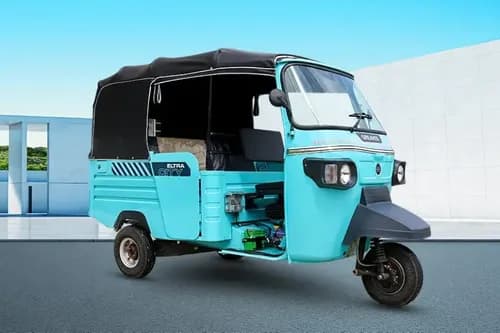
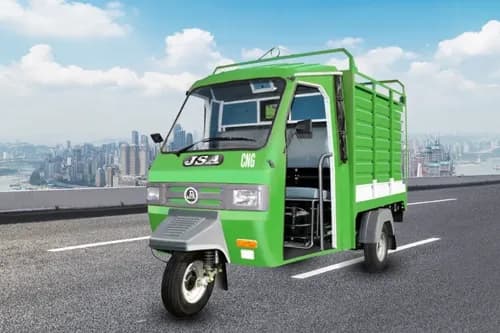
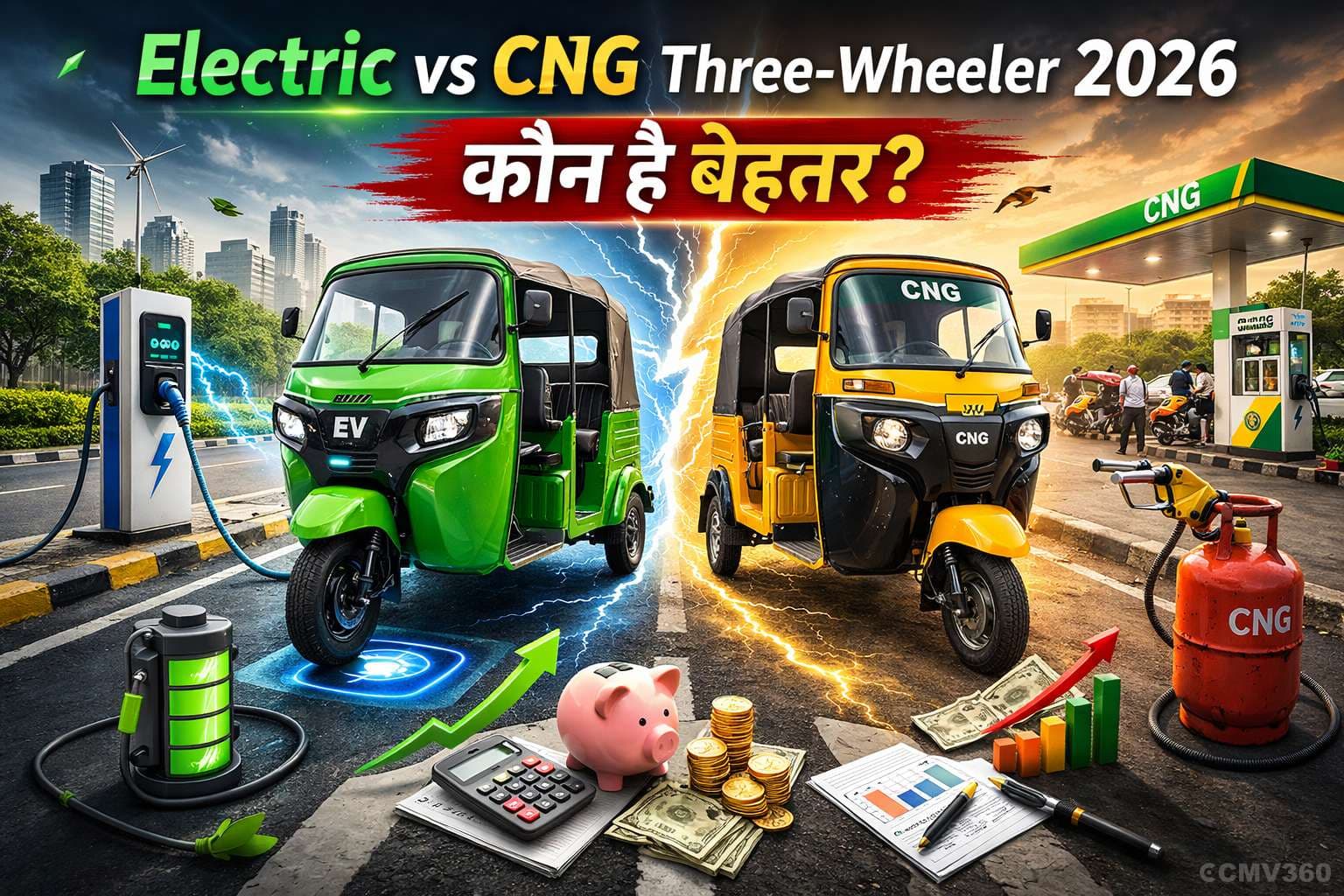
Rechargion Energy aims to apply this breakthrough in the 2W (two-wheeler) and 3W (three-wheeler) EV segment, where affordability and reliability are most important.
CEO Dr. Vilas Shelke said:
“We shall try to leverage this breakthrough for e-mobility applications with a particular focus on the 2W and 3W segment. Currently, we can produce 10 Ah capacity cells with more than 10,000 cycle life at our pilot plant facility. We will scale up the end-to-end manufacturing for 500–1000 cells per day with expected commercialisation in 12–15 months.”
Scaling Up Production
Rechargion Energy is preparing to expand manufacturing beyond its pilot plant.
Current output: 10 Ah cells with over 10,000 cycle life
Next target: 500–1000 cells per day
Commercialisation: Within 12–15 months
This makes the company one of the few players in India ready to bring sodium-ion technology to commercial scale.
Importance of Sodium-Ion Technology
Sodium-ion batteries are gaining worldwide recognition because of:
Abundant raw material availability compared to lithium
Lower production costs
High safety profile with reduced thermal runaway risks
Environmental sustainability by reducing dependence on scarce resources
With ARAI validation, Rechargion Energy is set to become a frontrunner in India’s battery innovation sector, helping build a cleaner and more self-reliant e-mobility ecosystem.
Also Read: Daimler India Welcomes PM Modi’s Next-Generation GST Reform Plans
CMV360 Says
Rechargion Energy’s successful ARAI validation marks a turning point for India’s battery sector. With plans to scale up production and focus on affordable e-mobility, the company is positioning sodium-ion technology as a safe, sustainable, and cost-effective solution for the future. This step strengthens India’s progress toward clean transportation and reduced dependence on lithium imports.

Robin Kumar Attri is a content and video professional with 2.7 years of experience in the commercial vehicle d .....