MTC to Roll Out 500 Low-Floor Electric Buses
 Add CMV360 on Google
The government sources have stated that the cost per kilometer for non-AC electric buses is Rs 77.16.

By Priya Singh
Key Highlights:
- The MTC will issue a work order for producing 500 low-floor electric buses under the GCC model.
- Per-km costs are fixed at ₹77.16 for non-AC and ₹80.86 for AC e-buses, with operations set to start by April or May next year.
- The buses, managed by operators for 12 years, are expected to cost 30% less per km than diesel buses.
- Infrastructure for e-bus maintenance is being developed at six depots across Chennai, ensuring smooth operations.
- The total project cost of ₹875 crore is funded by the World Bank (70%) and the state government (30%), with plans for an additional 1,000 buses.
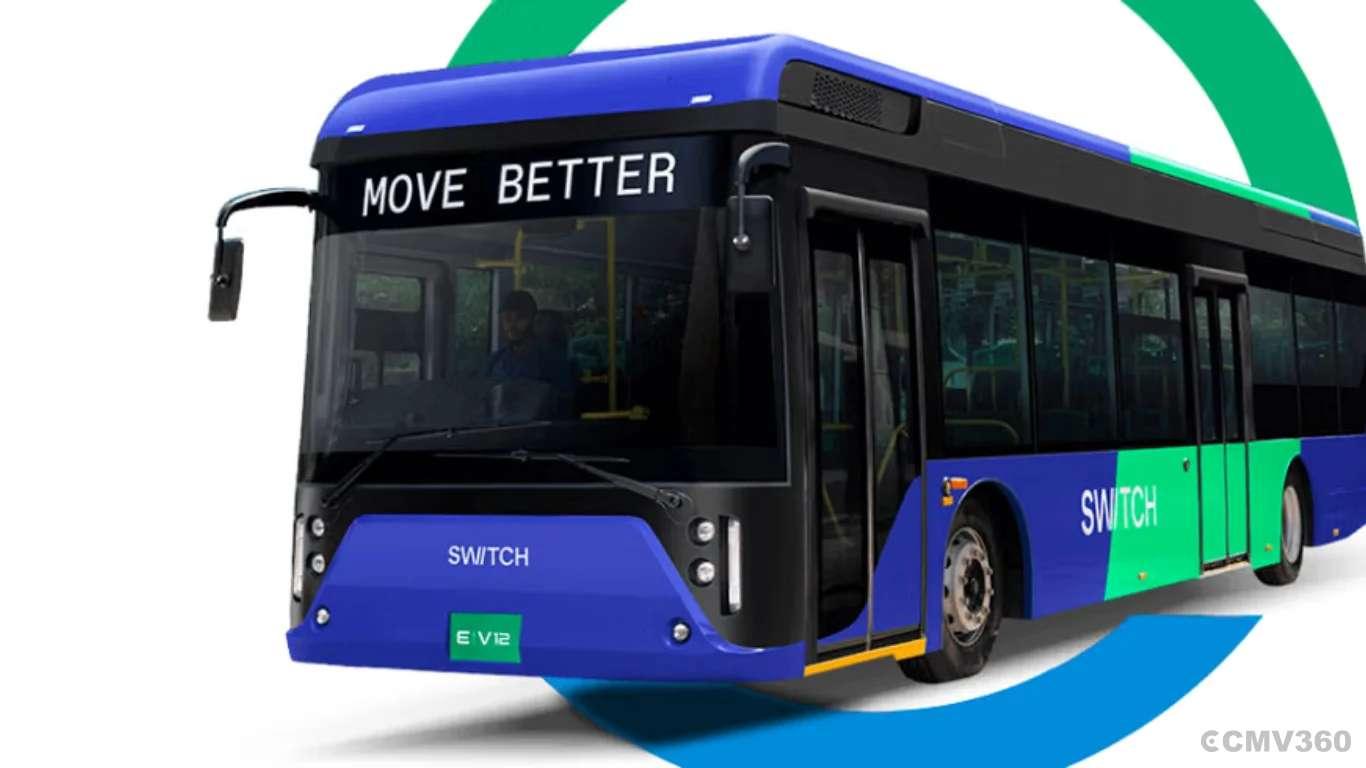
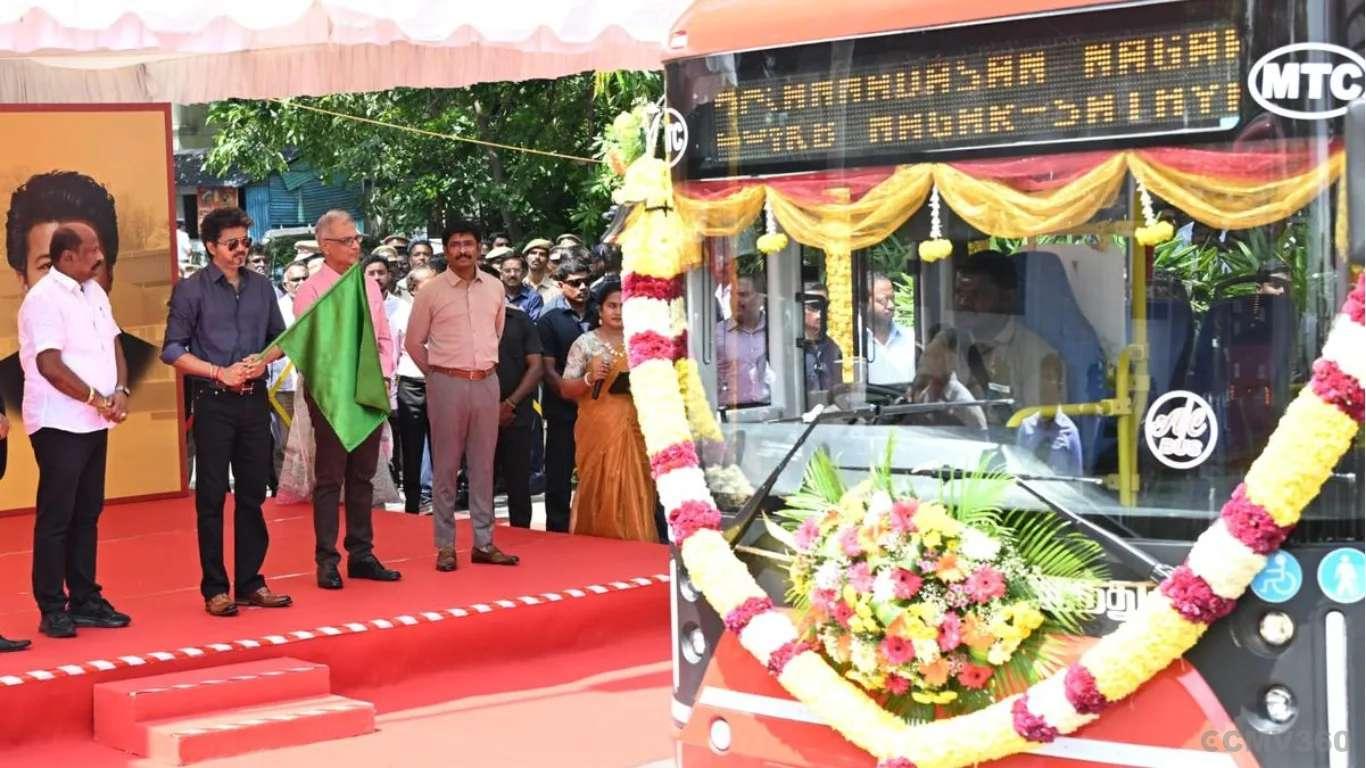
The Metropolitan Transport Corporation (MTC) is set to issue a work order next week for producing 500 low-floor electric buses under its ambitious electrification project. The government sources have stated that the cost per kilometer for non-AC e-buses is Rs 77.16. On the other hand, the per-kilometer cost for AC e-buses is Rs 80.86.
Project Details and Contract Model
Last month, the Metropolitan Transport Corporation (MTC) issued a Letter of Empanelment (LOE) to the winning bidders, confirming their offer and the proposed project cost. The buses will operate under the Gross Cost Contract (GCC) model.
The GCC model mandates the operator to build, operate, and repair the buses for 12 years, with MTC compensating them with fixed fares during the contract period. Official MTC sources claimed that final orders for the e-buses will be issued next week.
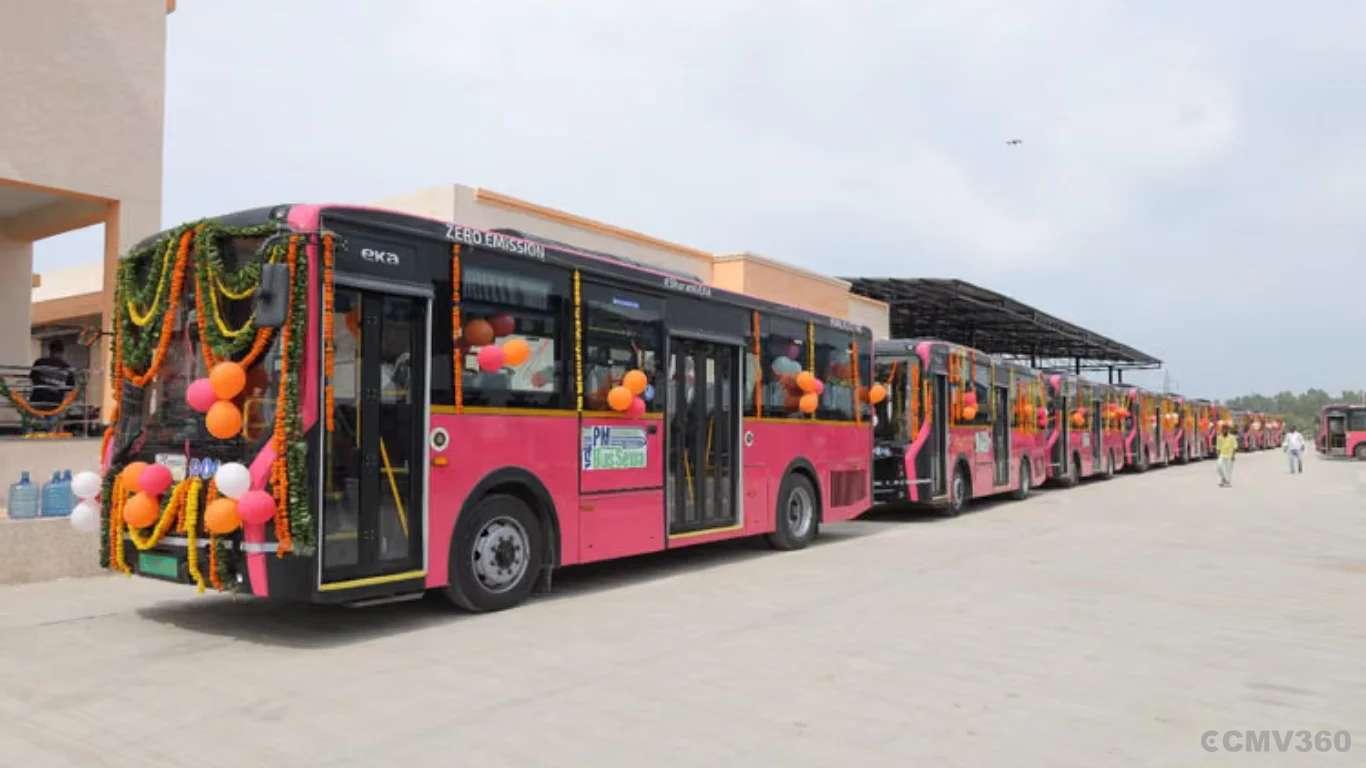
The fleet will consist of 100 AC and 400 non-AC electric buses, expected to become operational by April or May next year. Officials estimate operational costs for these e-buses to be 30% lower than diesel buses, but the actual benefits will only be clear after their launch.
New Design and Maintenance Infrastructure
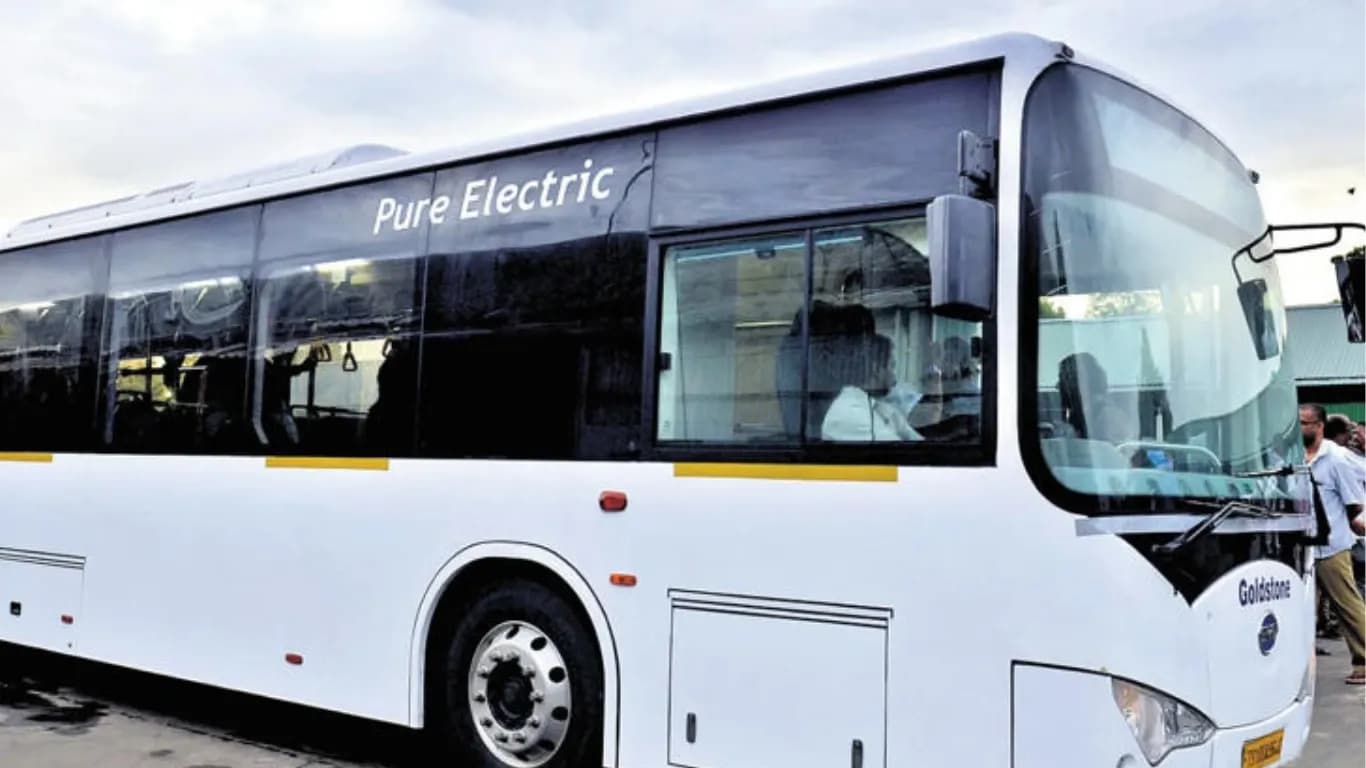
The non-AC buses will feature a seating layout similar to regular BS-VI diesel buses. The non-AC electric buses will not have the ventilation problems seen in the ultra-low-floor buses currently running in the city.
Maintenance depots for electric buses are being established at various locations, including Vyasarpadi, Perumbakkam, KK Nagar, Poonamallee, Tondiarpet, and Perambur.
Funding and Expansion Plans
The tender guidelines are designed based on the standards used in World Bank-supported projects carried out in New Delhi and other major cities within the state. With an estimated cost of ₹875 crore, the project will see 70% funding from the World Bank and the remaining 30% by the state government.
This initiative is part of a larger plan to introduce 1,000 low-floor e-buses through World Bank funding. An extra 500 electric buses will be bought with loans from KfW, a German bank. In total, 1,500 electric buses are planned to join the fleet.
Also Read: SWITCH Mobility Partners with Vertelo for Electric Vehicle Adoption
CMV360 Says
Introducing 500 low-floor electric buses marks a transformative step for urban mobility in Chennai. With reduced operational costs and better designs, these buses promise to improve the commuter experience while aligning with global transport trends. However, their real impact will depend on the consistent maintenance and effective operation.

Hi there! I'm Priya. From trucks to vans and everything in between, I'm here to provide you with up-to-date in .....