Tractors
Trucks
- Find by Budget
- Find by Type
Buses
- Find by Budget
- Find by Type

English
 New Delhi
ICRA forecasts India’s tractor industry growth to slow to 1-4% in FY27, down from 23.5% in FY26, due to a high base and monsoon concerns. Factors like MSP hikes and subsidies may cushion demand, but risks remain.

By Ved Yadav

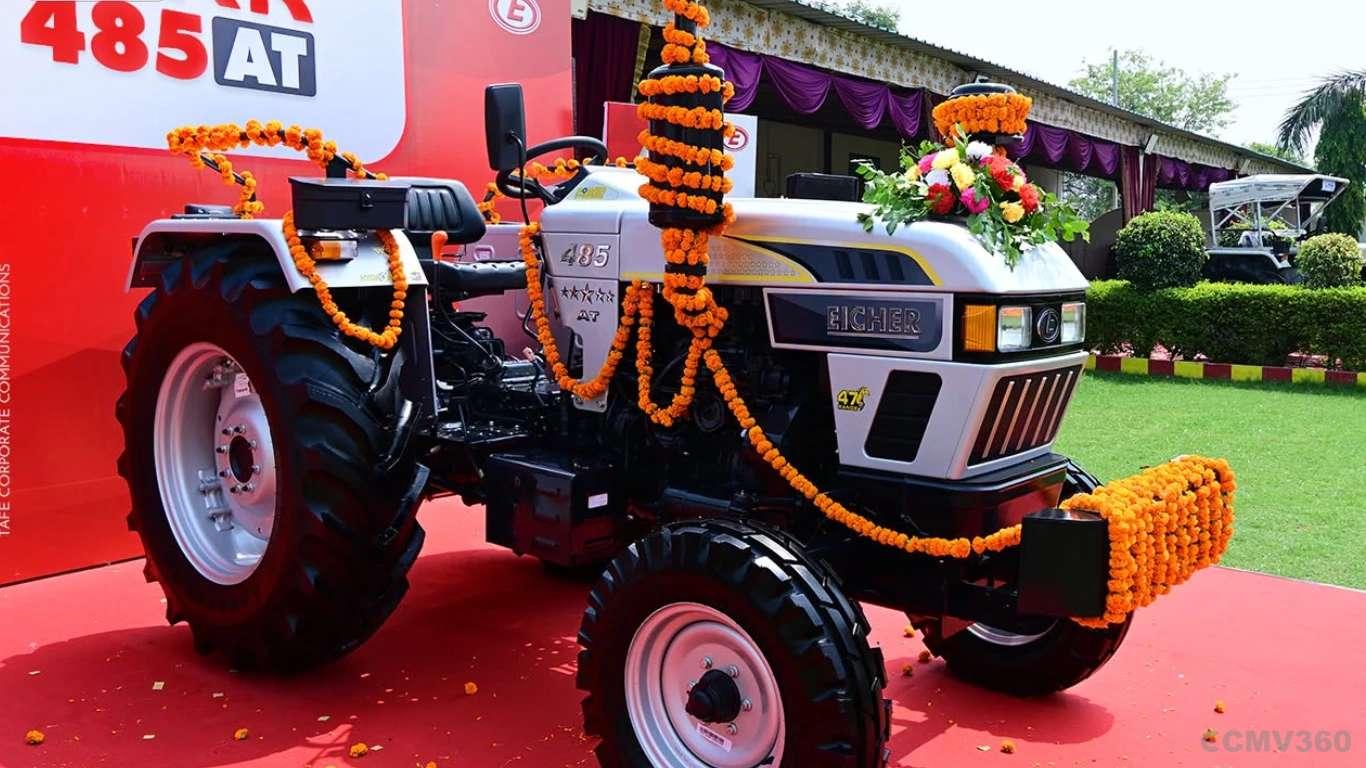
India's domestic tractor industry is expected to see slower growth in FY27. According to a recent ICRA report, wholesale volumes may rise by only 1- 4%. This is a sharp contrast to the 23.5% growth recorded in FY26. The moderation is mainly due to a high base effect and concerns about a weaker-than-normal monsoon caused by emerging El Niño conditions. These factors could impact agricultural output and rural demand.
The Indian tractor industry delivered strong results in FY26. Healthy farm incomes, improved rural sentiment, a favourable monsoon, and a reduction in GST on tractors supported this growth. The GST cut made tractors more affordable for farmers. However, ICRA notes that matching this level of growth in FY27 will be difficult because of the higher base set last year.
ICRA highlights that forecasts of below-normal monsoon rainfall, linked to El Niño, remain the biggest risk for FY27. A weak monsoon could reduce kharif crop production and lower farm incomes. This may delay purchasing decisions, especially in regions that rely on rain-fed agriculture. The report also points out that geopolitical uncertainties and rising input costs could further affect rural economic activity if adverse weather continues.
Despite these challenges, ICRA expects several structural factors to support tractor sales in FY27. These include healthy farm cash flows from strong crop output in the previous season, higher Minimum Support Prices (MSPs) for key crops, and ongoing government support through subsidies and rural welfare schemes. Improved affordability after the GST reduction is also expected to help.
These factors may cushion the impact of a weaker monsoon and prevent a sharper decline in demand. In June 2026, tractor demand remained healthy despite weather concerns. ICRA reports that domestic wholesale tractor volumes rose 11.9% year-on-year. Retail sales increased by 25.3%, helped by a favourable base, strong rural liquidity, and the GST cut.
ICRA cautions that the tractor industry's performance in the second half of FY27 will depend largely on the progress of the southwest monsoon and resulting agricultural output. The industry is expected to remain fundamentally strong over the long term. However, FY27 is likely to be a year of consolidation rather than rapid expansion.
The pace of demand recovery will depend on rainfall distribution, crop production, farmer incomes, and continued policy support. Industry stakeholders will closely monitor monsoon progress in the coming months. Rainfall patterns will play a key role in shaping rural purchasing power and tractor demand during the festive and rabi seasons.


 Add CMV360 on Google