Tractors
Trucks
- Find by Budget
- Find by Type

English
 New Delhi
EV retrofits can accelerate India’s commercial vehicle electrification with lower costs, faster adoption, and major emission savings, say industry experts.

By Robin Kumar Attri

Speeds up EV adoption without waiting for new vehicle sales.
Cuts running costs for commercial vehicle owners.
Needs a lower loan amount than a new EV purchase.
Reduces 4–5 tonnes of CO₂ per vehicle annually.
Safety standards are already defined under AIS 123.
India’s journey toward electric mobility could be significantly accelerated by retrofitting existing internal combustion engine (ICE) vehicles, especially in the commercial segment, according to industry experts from Exponent Energy. They believe this approach can reduce transition timelines by several years while delivering immediate economic and environmental benefits.
Also Read: Zingbus Targets ₹350 Crore Revenue in FY26 With Strong Route Expansion Plans
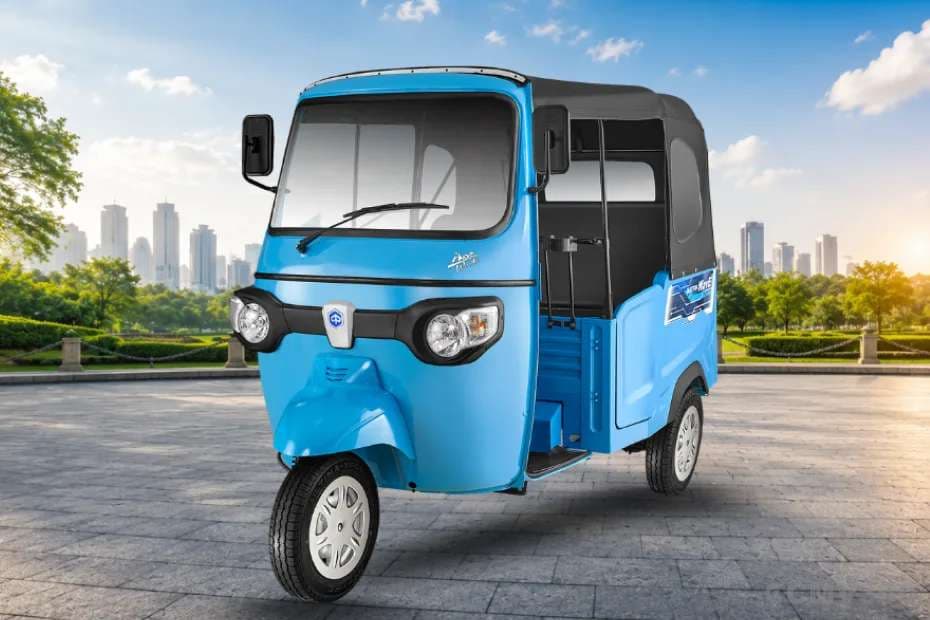
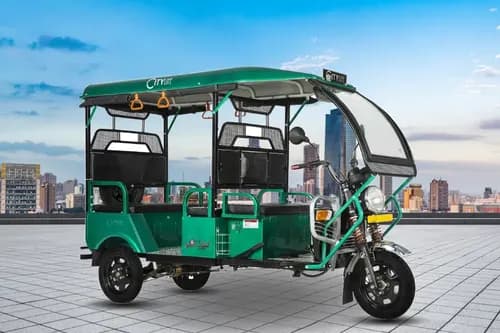
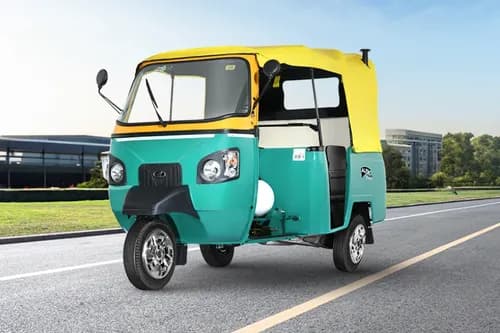
India currently has around 5–6 million three-wheelers on the road. Even if all new vehicle sales switched to electric immediately, replacing the entire fleet would still take 10 to 20 years. Retrofitting existing vehicles to electric can help bridge this gap much faster by converting vehicles already in operation.
According to Arun Vinayak, Co-founder of Exponent Energy, and Ayush Bhargava, Head of New Business Initiatives, commercial vehicles make up only 10% of India’s total vehicle population but consume nearly 70% of road transport energy. This makes electrifying commercial fleets one of the most effective ways to cut emissions and improve energy security.
For vehicle owners, retrofitting offers clear cost advantages. An autorickshaw driver using a 5–6-year-old CNG or LPG vehicle can save around ₹3,000 per month immediately after conversion. In comparison, buying a new electric vehicle requires an investment of ₹3.5–4 lakh.
Retrofit conversions typically need loans of only ₹1.5–2 lakh, making financing easier. After repaying the usual 3-year loan, monthly savings can rise to ₹10,000, which is nearly 70% lower running cost compared to CNG.
Drivers retain the residual value of their existing vehicles and can continue using familiar service networks for non-battery maintenance. Electric retrofits also improve ride quality and reduce noise, enhancing daily driving comfort.
India has already followed a similar path during the early 2000s shift to CNG vehicles. Cities like Delhi initially relied on petrol-CNG hybrid vehicles and aftermarket conversions before factory-built CNG vehicles became common, showing that retrofits can play a critical transitional role.
Quality and safety are governed by AIS 123 guidelines, introduced in 2015. These rules require certified retrofit kits, brake and range testing, weight compliance, proper documentation, and installation only at authorized centers with trained technicians, ensuring safe conversions.
Despite the potential, policy support remains limited. Government incentives mainly focus on new EV purchases and charging infrastructure. Retrofit kits and batteries attract 18% GST, while new EVs are taxed at 5%. Additionally, the PM e-DRIVE program does not currently offer subsidies for commercial vehicle retrofits.
Globally, several markets are backing electric retrofits. France offers subsidies, Stellantis has partnered with conversion specialists for light commercial vehicles, and Volvo launched an electric conversion program for construction equipment two years ago.
Each retrofitted three-wheeler can cut 4–5 tonnes of CO₂ emissions annually. With millions of vehicles eligible for conversion, EV retrofits could deliver a major reduction in India’s carbon footprint while the domestic EV manufacturing ecosystem continues to scale up for long-term demand.
Also Read: Volvo-Eicher Sets Up Regional Training Centre at Hyderabad Engineering College
EV retrofitting presents a practical and faster path to electrifying India’s commercial vehicle fleet. With lower upfront costs, quick fuel savings, existing safety norms, and proven global examples, retrofits can deliver immediate economic and environmental benefits. If supported through fair taxation and incentives, this approach can significantly cut emissions, support drivers’ incomes, and help India move more quickly toward its clean mobility goals.

About the author
Robin Kumar Attri is a content and video professional with 2.7 years of experience in the commercial vehicle domain. At CMV360, he creates news articles and videos covering trucks, tractors, buses, three-wheelers, and infrastructure machines.



 Add CMV360 on Google