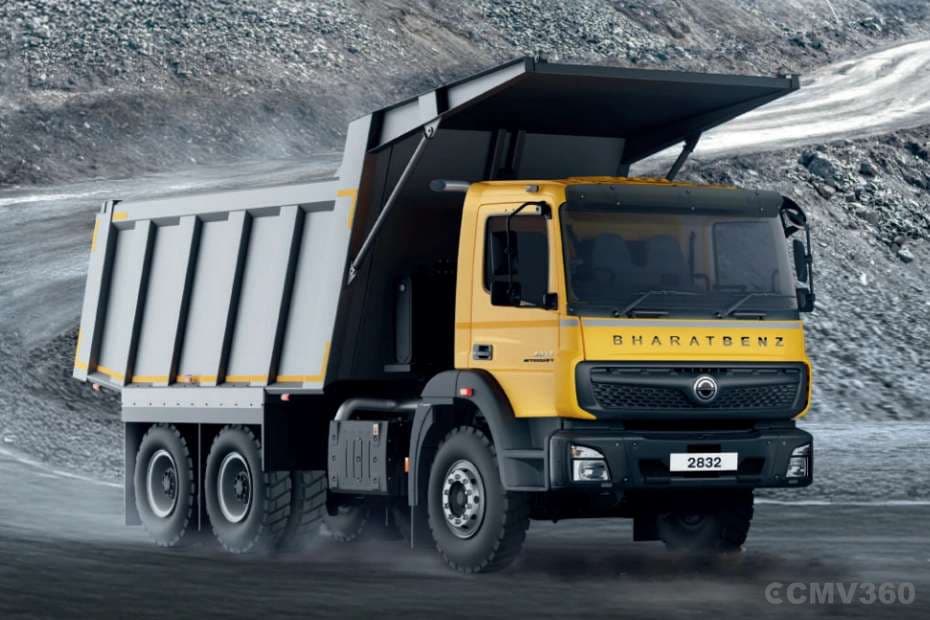
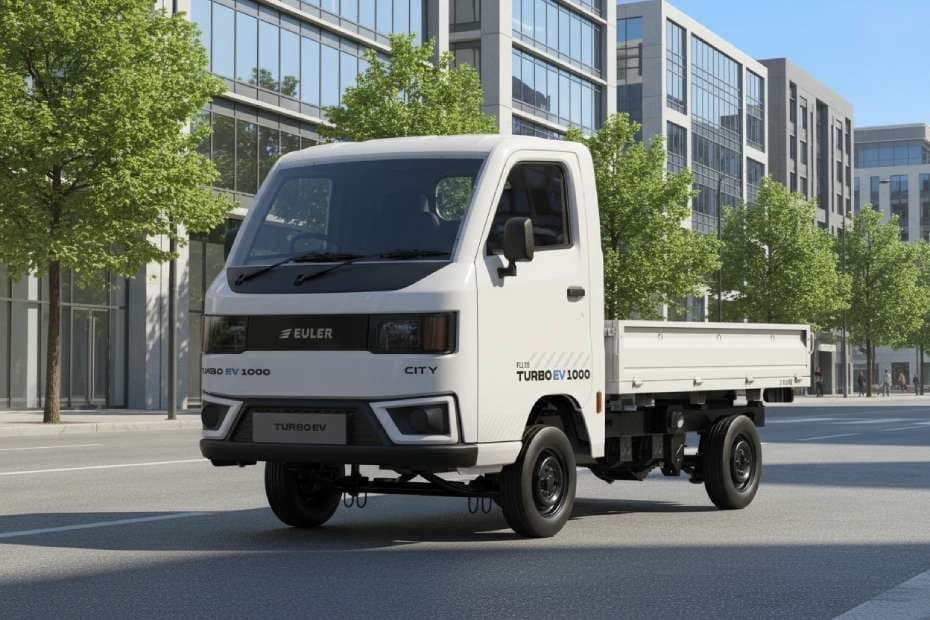
Commercial Vehicles Drive Growth in India’s Logistics Sector Amidst Rail Challenges
 Add CMV360 on Google
Road transport reduces packing costs, makes monitoring easier, and ensures on-time deliveries, all of which help a wide range of industries.

By Priya Singh
Key Highlights:
- India aims for rail freight to reach 45% by 2031, up from 18.2% in 2022.
- S&P Global predicts rail will hit 24% by 2030, while road freight will drop slightly from 70% to 64%.
- Road transport is favored for its cost-efficiency and timely deliveries.
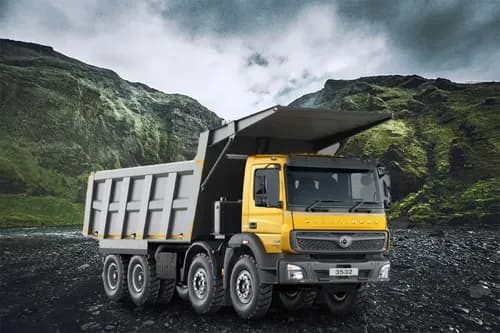
- Medium and heavy trucks in India will grow from 4.8 lakh to 5 lakh by 2026.
- Road infrastructure improvements support the dominance of road transport.
In India’s logistics sector, a key competition is emerging between the country’s road and railway networks. The Indian government intends to lower overall logistics costs by 2031 and raise the percentage of freight transit handled by rail from 18.2 percent in 2022 to an aggressive 45 percent.
S&P Global Mobility’s Forecast
However, S&P Global Mobility considers that this objective may be more of a pipe dream than a reality. According to their study, Indian railways will most likely account for 24 percent of the market by 2030. Meanwhile, road transport, which presently accounts for 70% of freight transportation, is predicted to fall somewhat to 64% during the same period.
Benefits of Road Transport
In a recent webinar on the medium and heavy commercial vehicle industry in India, Tabish Md Jan, Senior Analyst, S&P Global Mobility, stated that "road freight has the unrivaled benefit of meeting both last-mile and long-haul needs. Road transport reduces packing costs, makes monitoring easier, and ensures on-time deliveries, all of which help a wide range of industries."
Growth in the Truck and Bus Market
Jan stated that the truck and bus markets in India are projected to grow at a promising rate in this changing environment. According to the S&P Mobility graph, the number of trucks and buses weighing more than 6 tonnes gross vehicle weight is expected to increase from 4.8 lakh in 2024 to 5 lakh in 2026.
The medium-truck segment is expected to grow by 9.1 percent, while the heavy-duty truck segment is expected to grow at a significant CAGR (compound annual growth rate) of 10.3 percent between fiscal years 2021 and 2026.
The forecast is made against the backdrop of India's large logistics sector, which is projected to be valued USD 250 billion and growing at a steady rate of 6-7 percent each year.
Road Infrastructure Development
The rapid expansion of road infrastructure in India, including state roads, local thoroughfares, and national highways, reinforces the dominance of vehicle transportation even more. The construction of new highways and bridges around the country paves the way for even more efficient freight transfers.
Jan linked this to the uphill battle faced by railways, saying, "For rail to raise its share, it will require a variety of waggons, specific railway tracks, a substantial number of locos, bridges, and faster speeds. However, transportation has already established a clear path."
Also Read: Applied Intuition and Isuzu Motors Partner for Autonomous Trucking Solutions
CMV360 Says
The competition between road and rail in India’s logistics sector highlights the challenges of balancing efficiency and cost. While the government’s ambitious railway goals are commendable, the current advantages of road transport, combined with ongoing infrastructure improvements, suggest that road freight will continue to play a dominant role in the near future.

Hi there! I'm Priya. From trucks to vans and everything in between, I'm here to provide you with up-to-date in .....