Understanding Tractor Power Steering System & How It Makes Farming Easier?
 Add CMV360 on Google
Power steering in tractors enhances control, reduces fatigue, and boosts productivity, crucial for modern agricultural operation’s efficiency and success.

By Robin Kumar Attri
Key Highlights
- Power steering in tractors reduces physical effort for steering.
- Enhances maneuverability and control in various farming tasks.
- Increases operator comfort and reduces fatigue during long hours.
- Improves safety by ensuring precise steering control.
- Optimizes tyre performance, extending tyre life and improving traction.
- Offers benefits of hydraulic or electric systems, each with unique advantages.
- Selection factors include brand reputation, model specifications, and budget considerations.
Tractors stand as the backbone of modern agriculture, serving as essential tools for a wide range of tasks, from plowing fields to hauling heavy loads. At the heart of every tractor lies its steering system, a critical component that determines maneuverability, efficiency, and operator comfort. While traditional manual steering mechanisms served in the past, the introduction of power steering revolutionized the agricultural landscape, offering farmers unparalleled control and ease of operation.
Here let's explore the complexities of power steering in tractors, delving into its evolution, mechanics, benefits, and considerations for selecting the right system.
Also Read: What are CC and HP in Tractor Engines? Exploring their Working & Differences
The Evolution of Power Steering:
The roots of power steering can be traced back to the early 20th century, marked by the developing work of engineers such as Robert E. McCarthy Twiford, who introduced the first power steering system in 1900. However, it wasn't until the post-World War II era that power steering gained widespread adoption, particularly in the automotive industry. The Cadillac Chrysler Imperial of 1951 stands as a seminal example of the transformative potential of power-assisted steering in vehicles.
The Transition to Agricultural Machinery:
As the mechanization of agriculture progressed, tractors evolved from simple machines to sophisticated vehicles equipped with advanced technologies. Power steering, initially developed for automobiles, soon found its way into tractors, offering farmers a level of control and comfort that was previously unimaginable. This transition marked a paradigm shift in agricultural mechanization, empowering farmers to work more efficiently and effectively on the land.
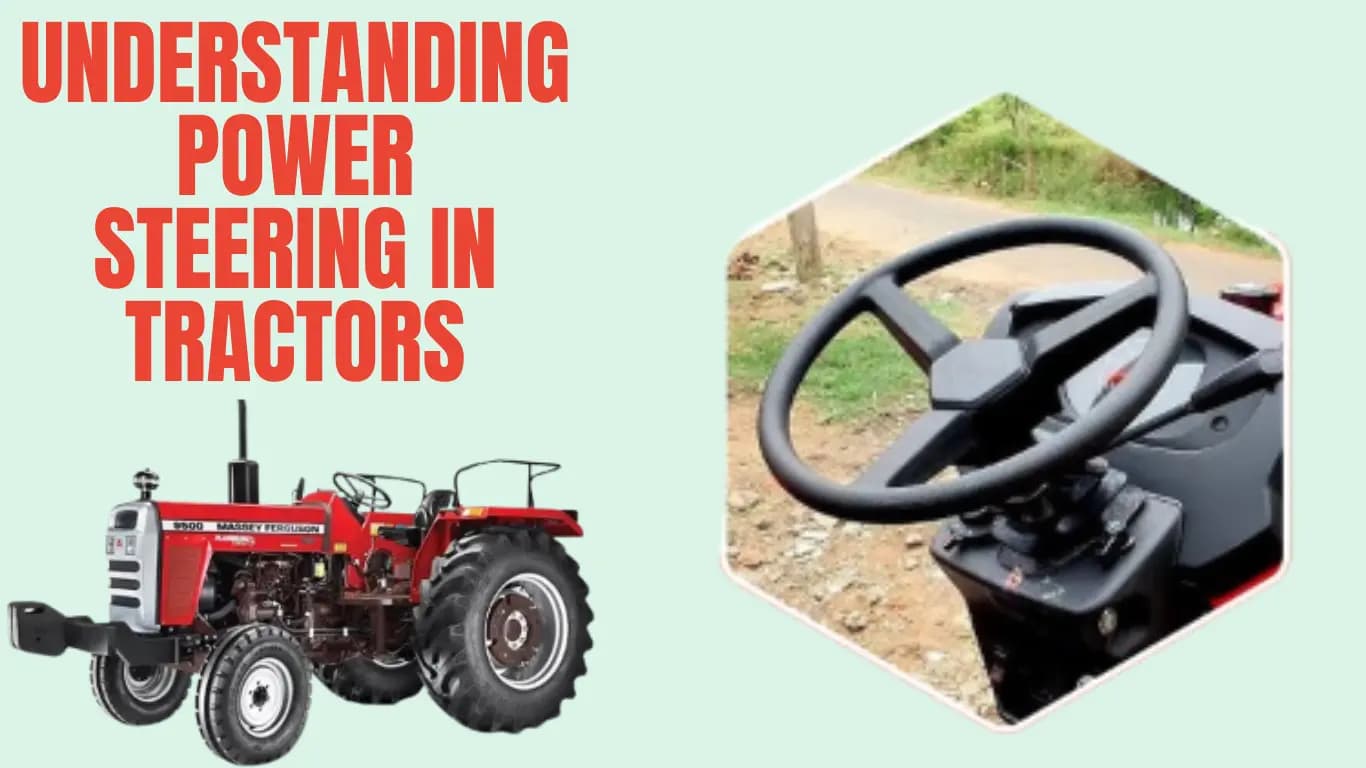
Understanding Power Steering in Tractors:
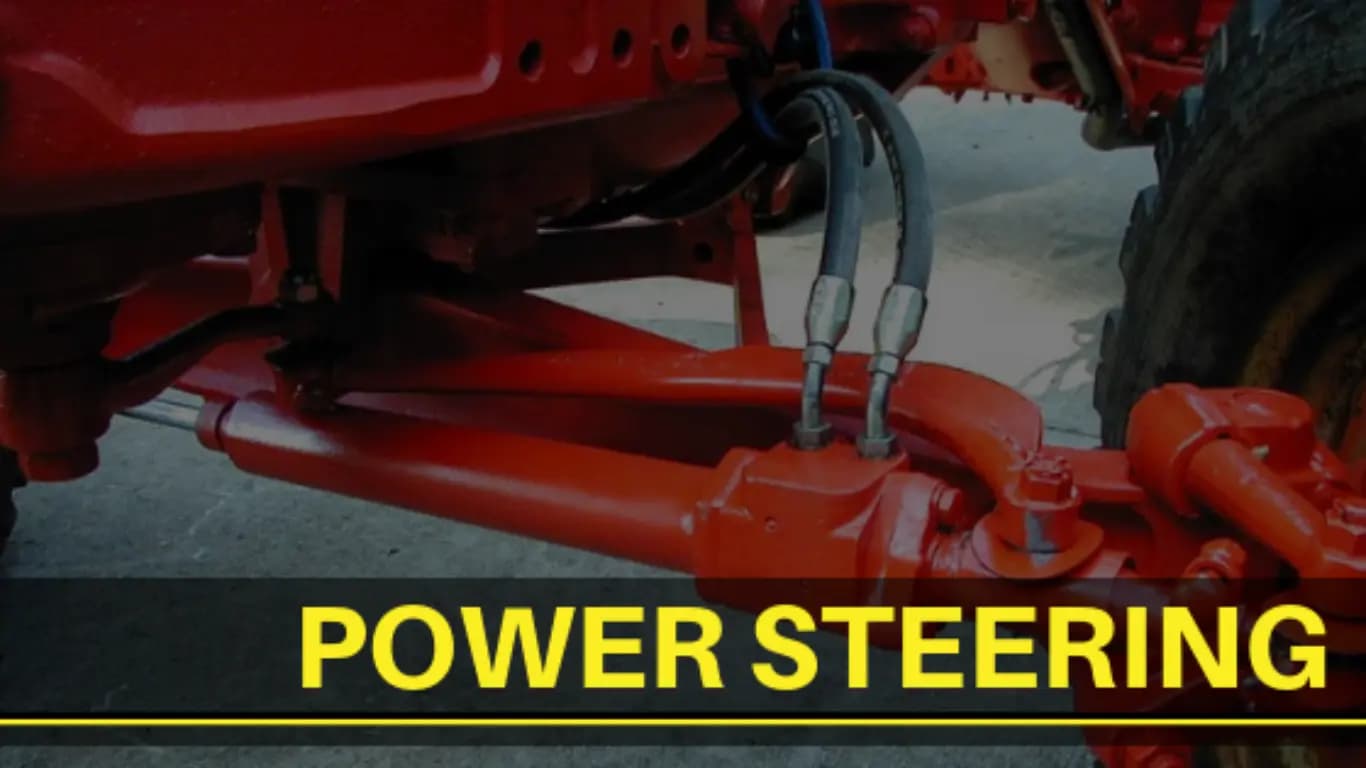
At its core, power steering in tractors serves the same fundamental purpose as its automotive counterpart: to facilitate easier wheel rotation and enhance maneuverability. By harnessing a power source, whether hydraulic or electric, power steering reduces the physical effort that’s required for steering the vehicle, particularly in demanding conditions such as plowing fields or navigating uneven terrain.
Tractor power steering has two types: Hydraulic and Electric. Hydraulic power steering has a pump, cylinder, and control valve. Electric power steering includes an electric motor, steering column, and control module.
Both are explained below: -
Hydraulic power steering (HPS) relies on pressurized hydraulic fluid to assist with steering. The system comprises essential components, including a hydraulic pump, cylinder, and control valve. When the driver turns the steering wheel, hydraulic fluid is directed to the cylinder, exerting force on the tractor's framework and smoothening the wheels' movement. This hydraulic assistance enhances the steering precision and also reduces the fatigue of the operator, particularly during prolonged periods of operation.
In contrast to hydraulic systems, electric power steering (EPS) utilizes an electric motor to provide assistance. Controlled by a sophisticated electronic module, the electric motor adjusts the steering assistance based on the input from the sensors that monitor the steering torque and position. This adaptive assistance ensures the optimal performance of steering across the varying driving conditions, enhancing the efficiency and comfort of the operator.
Comparative Analysis of Hydraulic and Electric Systems:
While both the hydraulic and electric power steering systems do offer distinct advantages, each possesses unique characteristics and applications. Hydraulic systems, commonly found in older tractor models, provide robust assistance and reliability, particularly in rugged terrains. However, they may lack the precision and efficiency of electric systems. On the other hand, electric power steering offers superior control and adaptability, with benefits such as improved fuel efficiency and simplified maintenance. As a result, newer tractor models often come equipped with electric systems, reflecting the advancements in steering technology and agricultural machinery.
Also Read: Top Mahindra 60 HP Tractor Models: Prices & Specs in India
Benefits of Power Steering in Tractors:
The integration of power steering into tractors has assisted in a myriad of benefits for farmers, enhancing both operational efficiency and operator comfort.
Some of the key advantages include:
- Effortless Steering: Power steering significantly reduces the physical effort that's required for the steering of the tractor, enabling the operators to navigate with ease and precision.
- Improved Maneuverability: With enhanced steering control, the tractors are equipped with power steering that helps with operating through tight spaces and navigating through obstacles with greater agility, while improving productivity in the field.
- Increased Productivity: By minimizing operator fatigue and streamlining the steering operations, power steering enables the farmers to accomplish more tasks in less amount of time, ultimately boosting overall productivity.
- Enhanced Safety: Precise steering control provided by the power steering systems reduces the risk of accidents by a lot and also enhances the safety in agricultural operations, protecting both the operators as well as the equipment.
- Optimized Tyre Performance: Power steering helps in optimizing the tire-to-ground contact, by reducing the tyre wear and improving the traction, thereby extending tire life and enhancing the overall performance.
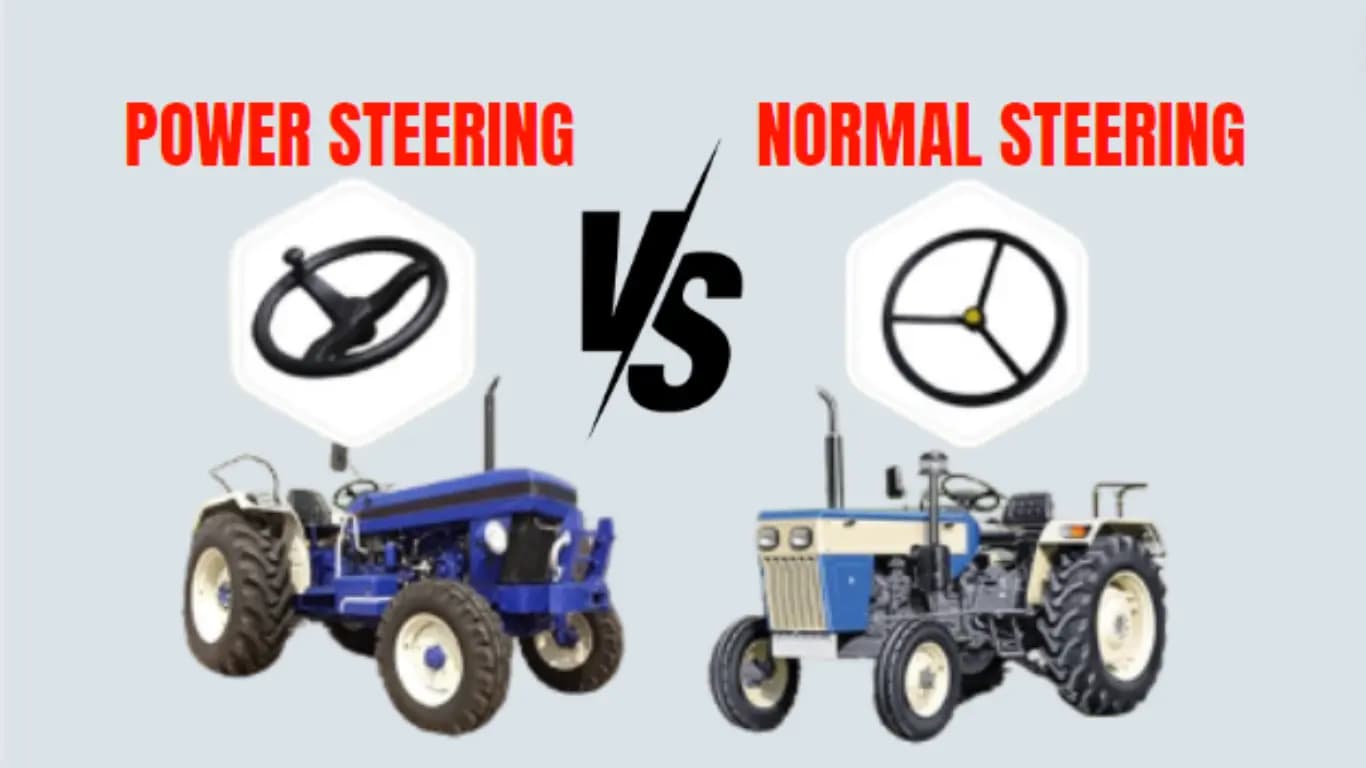
Difference Between Power Steering and Normal Steering:
The difference between power steering and traditional manual steering lies in the assistance provided to the driver. While manual steering requires the operator to exert physical effort to turn the steering wheel, the power steering systems utilize hydraulic or electric assistance to ease steering efforts. This fundamental difference significantly enhances the operator's comfort and control, particularly during prolonged periods of operation.
Below is a table that signifies the Difference between Hydraulic Power Steering, Electric Power Steering, and Normal Steering.
Choosing the Right Power Steering System for Tractors:
Selecting the appropriate power steering system for a tractor involves careful consideration of various factors, including brand reputation, model specifications, and budget constraints. Leading tractor manufacturers such as Mahindra, Swaraj, Sonalika, and John Deere offer a diverse range of models equipped with power steering, catering to the unique needs and preferences of farmers worldwide.
For example, tractors like the Swaraj 834 XM, and Eicher 380 may have different prices based on the specific model and any extra features that they may offer. Similarly, Massey Ferguson models such as the 1035 DI, also provide options for power steering and its price.
Other examples include the Mahindra 275 DI XP Plus and Eicher's 242, both of which come with power steering to meet various needs and budgets. The prices of these tractors can vary depending on factors like their horsepower, the technology they use, and any additional features that they may come with.
Considerations for Selecting Power Steering Systems:
When evaluating power steering systems for tractors, several key considerations should be taken into account:
- Brand Reputation: Choose reputable brands known for reliability, durability, and customer support.
- Model Specifications: Assess the horsepower, size, and compatibility of the tractor with the power steering system.
- Budget Constraints: Consider the cost-effectiveness of different power steering options, balancing performance with affordability.
- Additional Functionalities: Explore advanced features such as integrated GPS, automated steering, and remote monitoring for enhanced functionality and efficiency.
CMV360 Says
Power steering represents a significant technological advancement in the field of agricultural machinery, offering farmers unparalleled control, efficiency, and comfort. From hydraulic systems to state-of-the-art electric systems, power steering has transformed the way tractors are operated, unlocking new levels of productivity and safety in agricultural operations. As the agricultural industry continues to evolve, the importance of effective steering systems in tractors cannot be overstated. By investing in the right power steering technology, farmers can maximize their operational capabilities, achieve higher yields, and ultimately contribute to the sustainability and prosperity of the agricultural sector. As we navigate the complexities of modern agriculture, power steering stands as a beacon of innovation, driving progress and prosperity in farming communities worldwide.

Robin Kumar Attri is a content and video professional with 2.7 years of experience in the commercial vehicle d .....