

Tractors
Trucks
- Find by Budget
- Find by Type

English
 New DelhiNew Delhi
 Add CMV360 on Google
Explore why hazardous pesticides persist in Indian farming, their risks to health, environment, and food safety, and what solutions can drive a safer, sustainable agricultural future for farmers.

By Robin Kumar Attri

India’s agriculture story is often celebrated as a triumph, from food shortages to becoming one of the world’s largest producers of grains, fruits, and vegetables. But beneath this success lies a serious and often overlooked challenge: the continued use of hazardous pesticides.
For decades, pesticides have helped farmers protect crops and improve yields. They have become an essential part of modern farming. However, not all pesticides are equal. A significant portion used in India falls under Highly Hazardous Pesticides (HHPs), chemicals that pose serious risks to human health, food safety, and the environment.
This creates a critical dilemma. On one side, farmers need effective and affordable solutions to protect crops. On the other hand, these very solutions are harming ecosystems, contaminating food, and putting lives at risk.
So the question arises: Can India continue to rely on hazardous pesticides, or is it time for a safer and more sustainable shift in farming practices?
India is among the largest producers and consumers of pesticides globally. While pesticide use per hectare is lower compared to countries like the US or China, the real concern is the type of pesticides being used.
Highly Hazardous Pesticides are chemicals that:
Causes severe toxicity even in small quantities
Remain in soil and water for long periods
Accumulate in the food chain over time
Harm humans, animals, and beneficial insects like bees
Factor | Situation in India |
Annual Consumption | 50,000–60,000 tonnes |
Dominant Type | Insecticides (high toxicity) |
Key Concern | High share of hazardous chemicals |
Risk Level | Human health + environmental damage |
Despite regulatory frameworks, these pesticides continue to be widely used—highlighting a gap between policy and ground reality.
The most visible and alarming effects of hazardous pesticides are on human health, especially farmers and agricultural workers.
Thousands of pesticide poisoning cases are reported every year in India. These incidents often occur due to:
Lack of protective gear during spraying
Poor awareness about safe usage
Accidental exposure or ingestion
In extreme cases, mass poisoning incidents have been reported in farming regions, exposing the severity of the issue.
The real danger lies in chronic exposure, which builds silently over time.
Studies have linked pesticide exposure to:
Increased cancer risk in farming regions
Hormonal and reproductive disorders
Neurological problems
Developmental issues in children
These health impacts are often underreported, making the crisis less visible but deeply rooted.
While human health impacts are critical, the ecological damage caused by hazardous pesticides is equally alarming.
Pesticides kill not only pests but also beneficial microorganisms in the soil. This leads to:
Reduced soil fertility
Poor nutrient cycling
Increased dependence on fertilizers
Rainwater runoff carries pesticide residues into:
Groundwater
Rivers and lakes
This affects drinking water quality and harms aquatic life.
Pollinators like bees are highly sensitive to pesticides. Their decline directly impacts:
Crop pollination
Agricultural productivity
Ecosystem balance
India regulates pesticides under the Insecticides Act, 1968, with oversight from regulatory bodies. While efforts have been made to improve control, several issues remain.
Delayed bans: Many globally banned chemicals are still used in India
Weak enforcement: Monitoring varies across states
Data gaps: Lack of real-time usage and residue data
Slow policy action: Regulations often lag behind scientific findings
Even with proposed reforms like the Pesticide Management Bill, implementation remains the biggest challenge.
The persistence of hazardous pesticide use is not accidental—it is driven by real challenges faced by farmers.
Hazardous pesticides are:
Cheaper than safer alternatives
Easily available through local dealers
Sometimes even sold through informal channels
For small farmers, cost often becomes the deciding factor.
Crop losses due to pests can reach 30–40%. Farmers prefer:
Fast-acting chemicals
Visible and quick results
This creates a dependency on strong pesticides.
A large number of farmers:
Do not receive formal training
Depend on dealers for advice
Use pesticides without safety measures
Studies show that over 60% of farmers experience health symptoms after pesticide use.
Farmers operate under tight margins. Even small losses can impact livelihoods. This leads to:
Risk-averse decisions
Overuse of chemicals to protect the yield
Despite regulations:
Many hazardous pesticides remain in circulation
Enforcement is inconsistent
Transition policies are slow
Different countries have tackled pesticide risks in different ways. These global experiences offer valuable insights.
Region | Strategy | Key Lesson |
European Union | Precautionary bans | Early action prevents long-term damage |
United States | Risk-based monitoring | Continuous evaluation is critical |
Sri Lanka | Targeted bans | Public health improves without yield loss |
China | Tech-driven transition | Innovation and policy support are key |
These examples show that change is possible without compromising productivity.
Addressing this issue requires a balanced and practical approach.
Identify and ban the most dangerous chemicals
Implement a time-bound transition plan
Expand agricultural extension programs
Promote safe handling practices
Increase awareness about health risks
Encourage use of:
Bio-pesticides
Botanical formulations
Integrated Pest Management (IPM)
These methods reduce chemical dependency while maintaining productivity.
Improve monitoring systems
Ensure strict compliance
Increase coordination between states and central agencies
Subsidies for safer inputs
Incentives for sustainable farming
Better market access for residue-free produce
Consumers are becoming more aware of food safety. This shift is influencing farming practices.
Growing demand for chemical-free food
Rise of certification and labeling systems
Increasing pressure on supply chains
However, affordability remains a major concern. Policy support is needed to balance safety and cost.
India stands at a crucial crossroads. The continued use of hazardous pesticides reflects deeper systemic issues, but it also presents an opportunity for transformation.
The path forward is clear:
Reduce dependency on harmful chemicals
Empower farmers with knowledge and alternatives
Strengthen policies and enforcement
Align agriculture with sustainability goals
A well-planned transition will not only protect human health but also restore soil quality, safeguard water resources, and preserve biodiversity.
In the long run, safer farming is not just an environmental choice; it is an economic and social necessity.
The real question now is not whether change is needed, but how quickly and effectively India can make this transition toward a healthier and more sustainable agricultural future.

About the author
Robin Kumar Attri is a content and video professional with 2.7 years of experience in the commercial vehicle domain. At CMV360, he creates news articles and videos covering trucks, tractors, buses, three-wheelers, and infrastructure machines.
Robin Kumar Attri is a content and video professional with 2.7 years of experience in the commercial vehicle domain. At CMV360, he creates news articles and videos covering trucks, tractors, buses, three-wheelers, and infrastructure machines.








August 2026 FADA Tractor Sales: Mahindra फिर नंबर 1! किस Brand का Market Share बढ़ा?

FADA Tractor Sales June 2026: Mahindra, Swaraj, Sonalika में कौन निकला सबसे आगे?

किसान ने Mahindra के इस ट्रैक्टर से कमा लिए लाखों रुपये

जापानी टेक्नोलॉजी वाला ट्रैक्टर,अब खेती होगी आसान!

Kubota का बड़ा धमाका, ट्रैक्टर में दिए कार जैसे फीचर्स !

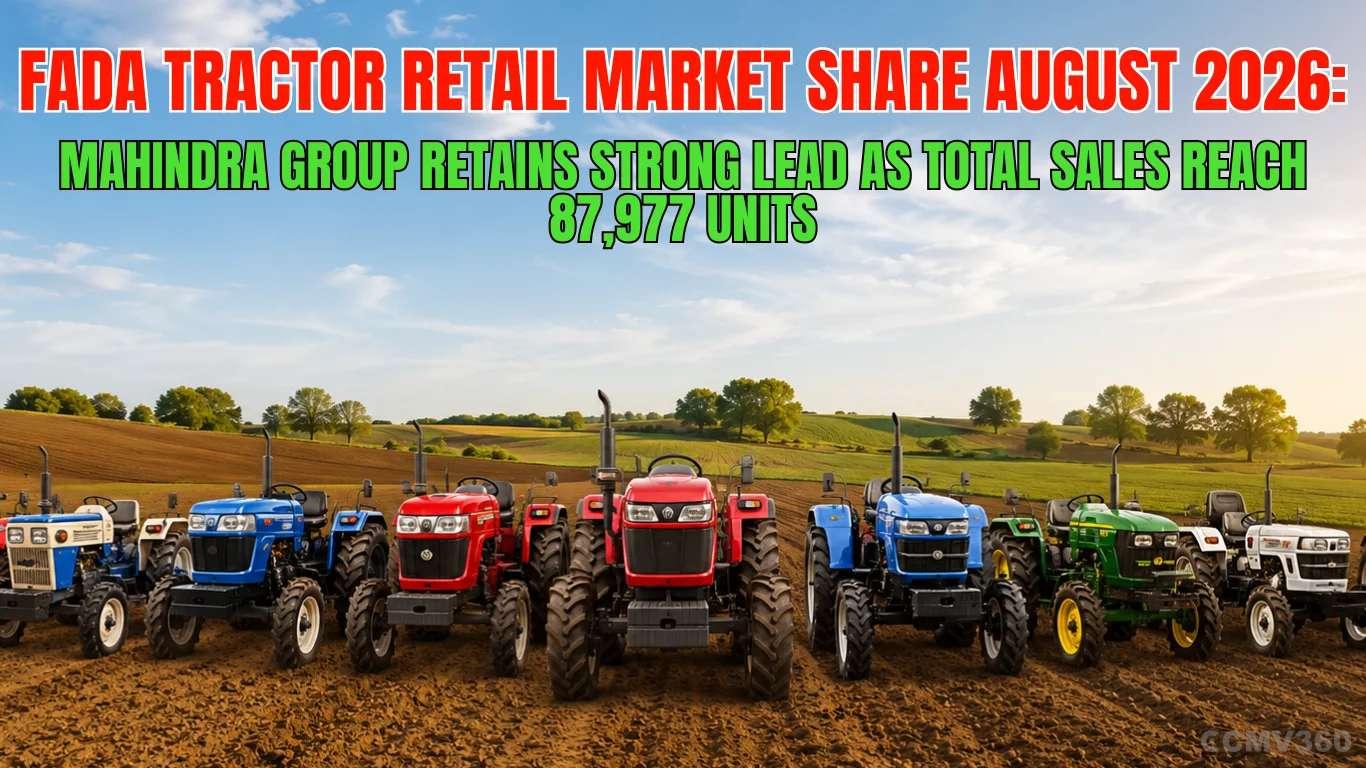
FADA Tractor Retail Market Share August 2026: Mahindra Group Retains Strong Lead as Total Sales Reach 87,977 Units
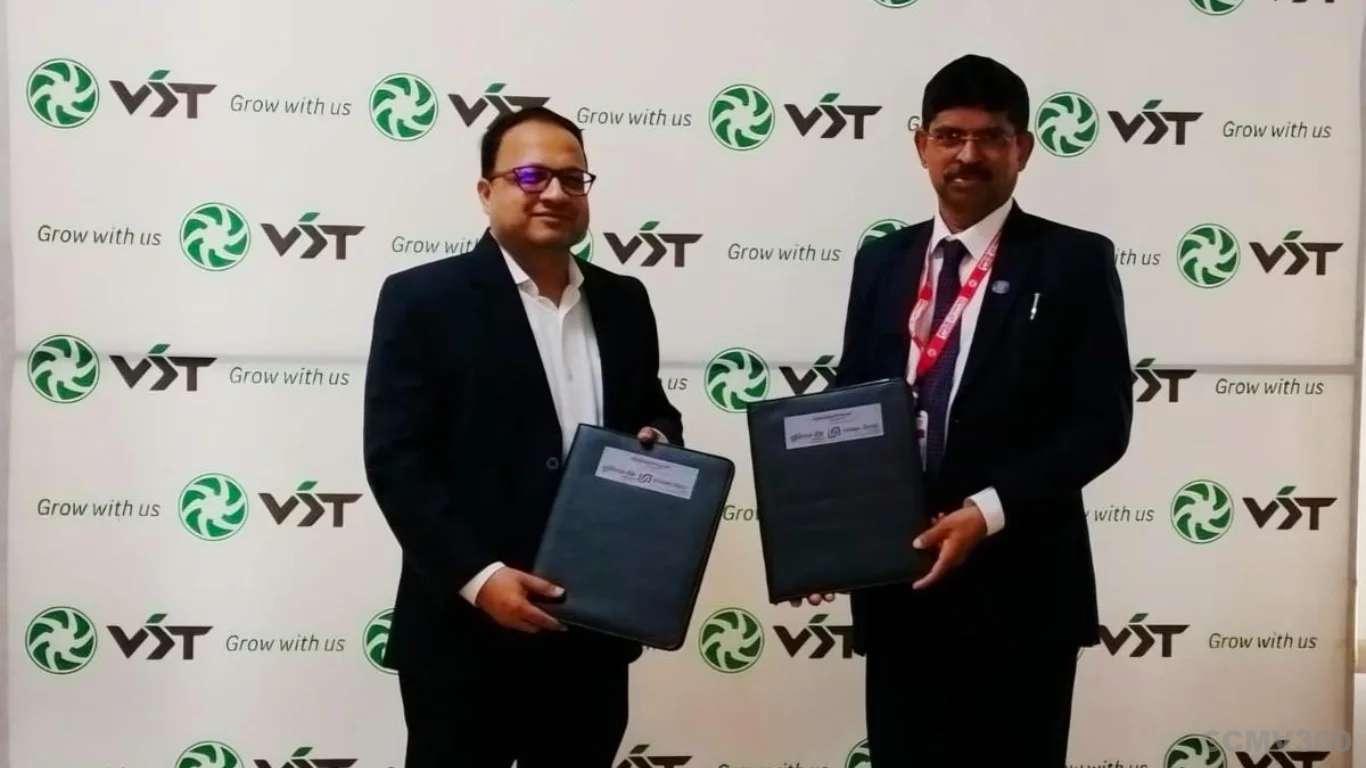
VST Tillers and Union Bank Join Hands to Offer Easy Loans for Farm Equipment

Escorts Kubota Awaits Government Subsidy Before Launching 35 HP Electric Tractor

Mecwin Develops 45 HP Electric Tractor Powertrain, Targets Tractor OEMs
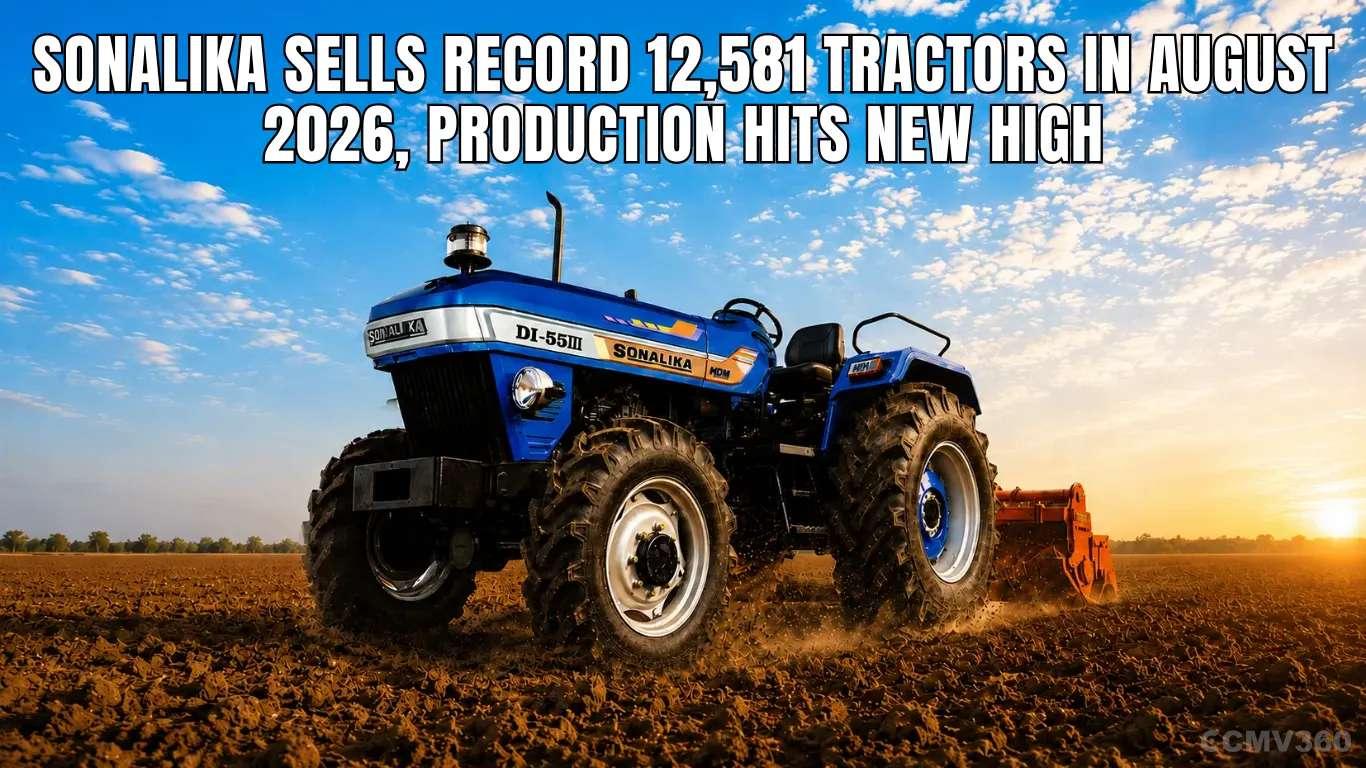
Sonalika Sells Record 12,581 Tractors in August 2026, Production Hits New High