


Ad
Ad
What are CC and HP in Tractor Engines? Exploring their Working & Differences


 Views
Views
- CC (Cubic Capacity) measures engine size and intake capacity.
- HP (Horsepower) indicates power output and work capacity.
- Higher CC means a larger engine; higher HP signifies greater task-handling ability.
- Understanding both metrics is crucial for optimal tractor performance and productivity.
Tractors are indispensable tools in modern agriculture, and their engines serve as the powerhouse driving agricultural activities. The engine of a tractor is its heart, and knowing about its capacity is crucial for making informed decisions. Among the various specifications of a tractor engine, cubic capacity (CC) and horsepower (HP) stand out as crucial metrics that directly impact performance and functionality.
Unfortunately, many farmers lack a proper understanding of terms like CC and horsepower, leading to potential mistakes when purchasing tractors. To prevent such errors, let’s delve deeper into what CC and HP mean for the tractor engines how they work, and the differences between them. Let’s start by exploring their definitions, mechanisms, and practical implications for farmers.
Also Read: Top 21 Central Government Schemes for the Welfare of Farmers in India
What are CC and Horsepower?
Defining Cubic Capacity (CC):
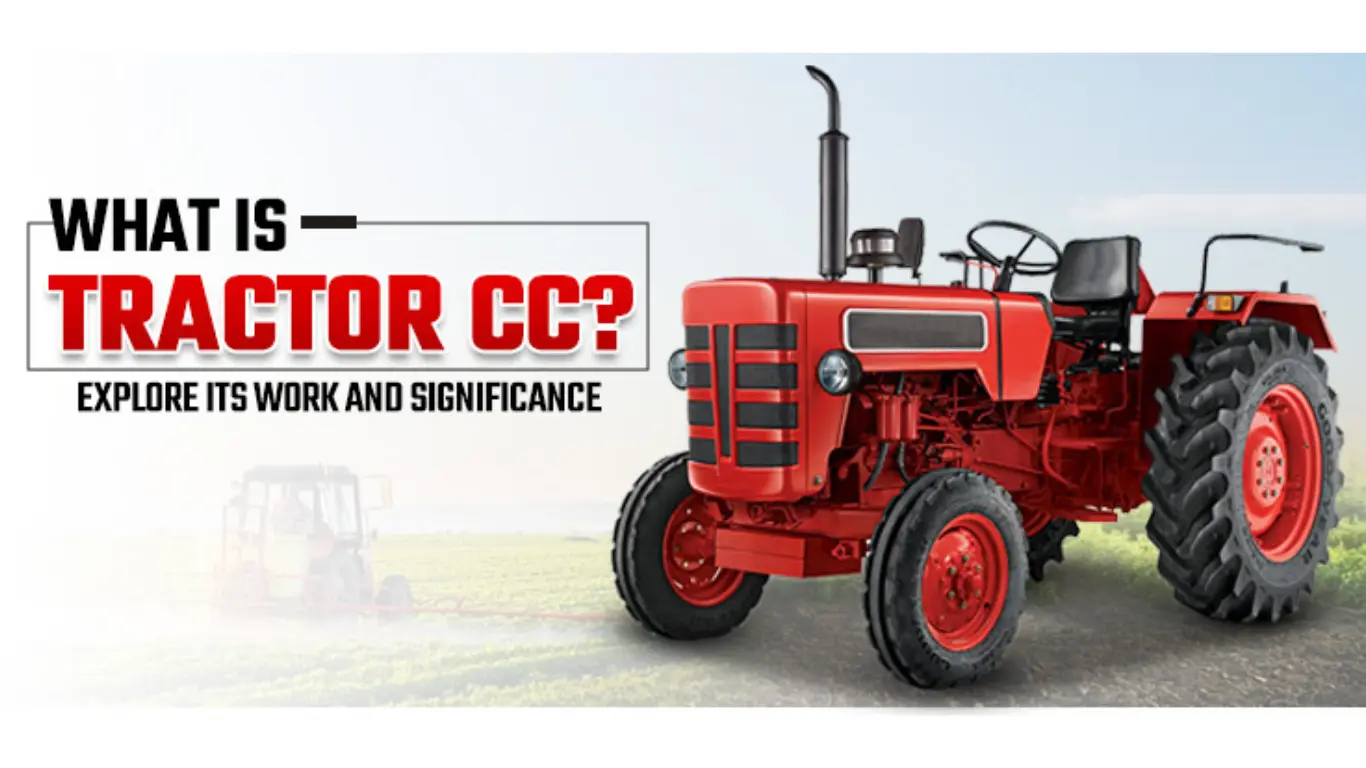
CC, or cubic capacity, measures an engine's intake volume for fuel and air, determining its size and power potential. Higher CC engines can handle more fuel and air, making them more powerful but also more fuel-consuming. It represents the total volume of all cylinders, impacting an engine's displacement and combustion capacity. Understanding CC helps assess an engine's performance and power output, akin to knowing the size of a container before filling it. However, higher CC engines also tend to consume more fuel.
Mechanisms of CC:
Understanding how CC operates requires insight into the internal combustion process within the engine. When the piston moves downwards during the intake stroke, it creates a vacuum within the cylinder, drawing in a precise volume of fuel-air mixture determined by the cylinder's displacement. This mixture is subsequently compressed and ignited, releasing energy that drives the piston and propels the tractor.
Navigating the CC Spectrum:
Tractor models exhibit a wide range of CC values, catering to diverse agricultural needs and operational requirements. From compact, low-CC engines ideal for small-scale farming to robust, high-CC powerhouses suited for heavy-duty tasks, farmers can choose from a range of options. The CC range typically extends from 1000 cc to 3500 cc, with variations based on tractor size, horsepower rating, and intended applications.
Defining Horsepower (HP):
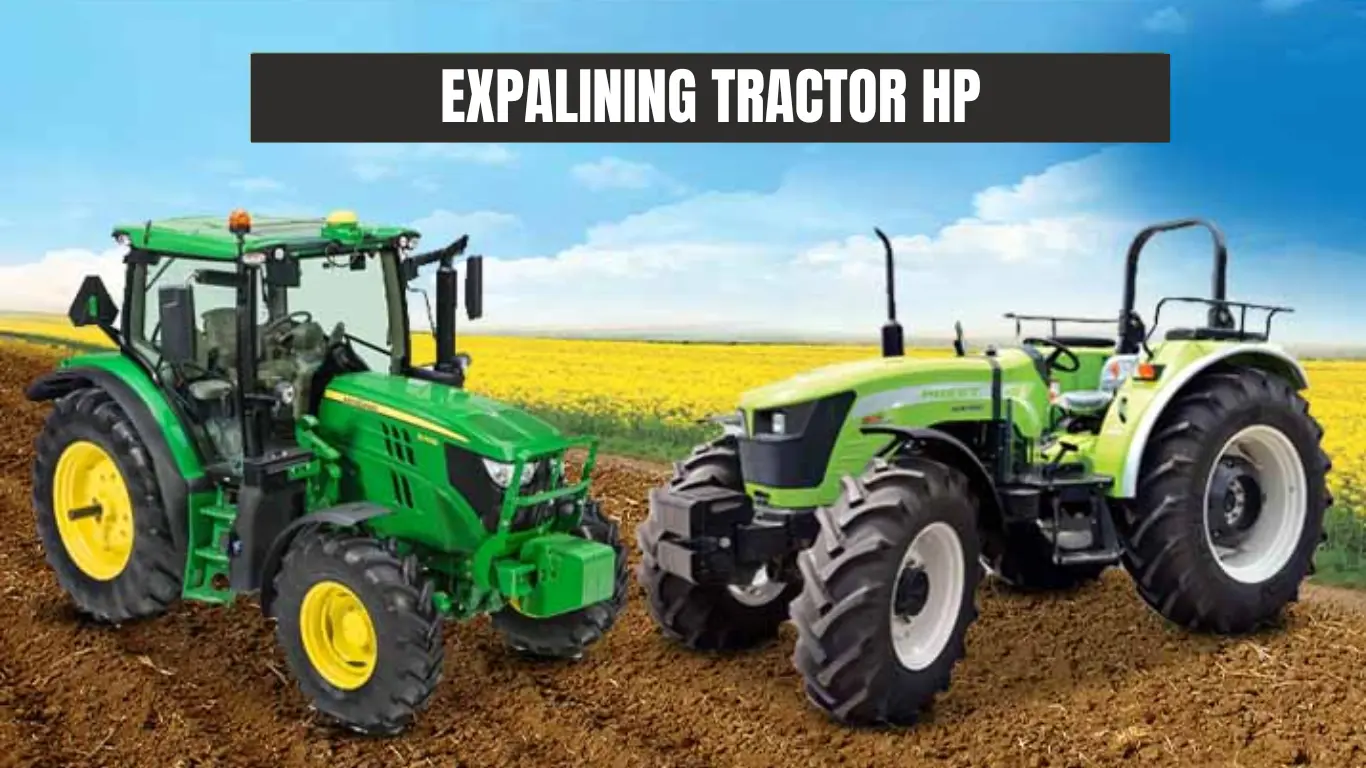
Horsepower, or HP, is a measure of how strong an engine is and how much work it can do. It's like a rating for the engine's muscle power. Originally, it was based on how much work a horse could do in a certain time. In tractors, horsepower shows how much power comes from burning fuel and air, making the tractor work. Tractors with more horsepower can handle big jobs better, moving faster and lifting heavier things more easily.
Also Read: Tractor PTO: Understanding Its Types, Significance, Applications, & Advantages in Farming
How CC and Horsepower Work
While horsepower serves as a pivotal determinant of tractor performance, achieving an optimal balance between horsepower and CC is essential. A tractor with excessive horsepower but insufficient CC may struggle to deliver consistent power output, leading to inefficiencies and operational challenges. Rather, an engine with ample CC but inadequate horsepower may lack the necessary power to execute demanding tasks efficiently.
CC and HP Relation
The relationship between CC and horsepower explains the complex interplay between engine size and performance capabilities. Tractors equipped with higher horsepower ratings exhibit greater strength and efficiency, enabling them to tackle heavy tasks with ease. Whether it's plowing vast expanses of farmland or towing heavy machinery, horsepower serves as the cornerstone of tractor prowess.
CC Operation:
Imagine a 2-cylinder engine with 2000 of CC. This means each cylinder can intake 1000 cubic centimeters of fuel-air mixture. CC is crucial for determining engine efficiency, performance, and functionality, especially in heavy-duty tractor models.
Horsepower Generation:
Horsepower is obtained from the combustion of fuel and air within the engine. Engines with greater CC produce more chemical energy by burning more fuel and air. This energy is then converted into mechanical energy by the engine pistons, driving the tractor's functionality.
The Difference Between Tractor CC and Horsepower
The division between CC and horsepower underscores the multifaceted nature of tractor engine specifications. While the CC primarily describes the engine's size and intake capacity, horsepower delves into its power output and performance capabilities. Although these metrics are interrelated, they incorporate distinct sides of tractor functionality, necessitating a refined understanding from farmers.
While CC and horsepower both reflect tractor efficiency, they differ in their focus and measurement:
CC | Horsepower |
Measures engine size and volume | Indicates power output and work capacity |
Measured in cubic centimeters (cc) or liters (L) | Measured in horsepower (HP) or kilowatts (kW) |
Higher CC implies a larger engine | Higher horsepower indicates greater power and task-handling ability |
Depends on engine design, bore, and cylinder count | Influenced by engine design, tuning, capacity, valves, fuel type, etc. |
Importance of CC and Horsepower in Tractor Purchase
Both CC and horsepower are vital considerations when buying a tractor, but their significance varies based on the usage:
Prioritize Horsepower (HP) When:
- Engaged in heavy agricultural tasks like plowing or lifting heavy loads.
- Operating on large plots of land.
- Requiring high-speed operations for tasks like mowing or plowing.
Prioritize CC When:
- Needing higher torque for tasks.
- Requiring speed control while pulling heavy loads.
- Seeking excellent performance at low speeds, typically found in higher CC tractors.
Making Informed Decisions:
For farmers embarking on the journey of tractor purchase, the difficulty of CC versus horsepower demands careful consideration. While higher CC engines offer enhanced torque and performance at lower speeds, higher horsepower tractors excel in high-speed operations and heavy-duty tasks. By aligning tractor specifications with specific operational requirements, farmers can make informed decisions that optimize productivity and efficiency.
Considerations for Choosing Based on CC
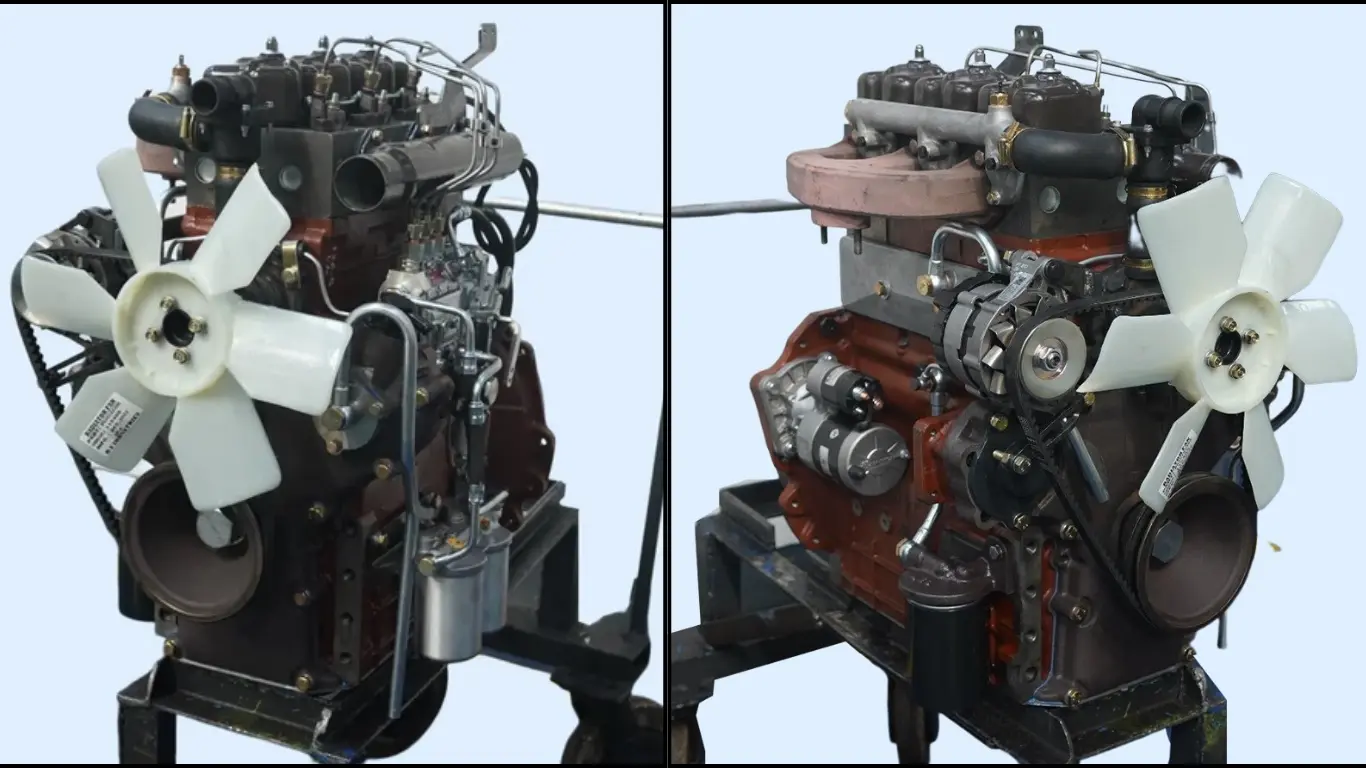
When selecting a tractor based on CC, several factors come into play:
- Efficiency Consideration: Choose CC based on your agricultural workload. High CC engines are suitable for heavy-duty tasks.
- Maintenance and Fuel Consumption: Higher CC engines demand more maintenance and fuel. Ensure that the investment aligns with the expected returns.
- Understanding Power and Torque Ratings: Larger CC engines may produce more torque, necessitating careful consideration to prevent stress.
Empowering Farmers with Knowledge
As agriculture continues to evolve in the digital age, empowering farmers with knowledge and insights becomes a lot more important. By explaining complex concepts such as CC and horsepower, we seek to equip the farmers with the necessary understanding to navigate the complexities of tractor engine specifications. Armed with this knowledge, the farmers can make informed decisions that elevate agricultural productivity, foster sustainability, and propel rural prosperity into the future.
CMV360 Says
Both horsepower (HP) and cubic capacity (CC) play pivotal roles in determining tractor efficiency and performance. Farmers must familiarize themselves with these metrics before purchasing a tractor, ensuring optimal functionality and productivity on their farms. By understanding the nuanced relationship between CC and HP, farmers can make informed decisions that align with their agricultural needs, ultimately enhancing operational efficiency and driving sustainable agricultural practices.
Features & Articles
John Deere 5050D vs Mahindra 575 DI XP Plus: Which Tractor Offers Better Power, Value, and Long-Term Reliability in 2026?
Compare John Deere 5050D and Mahindra 575 DI XP Plus on price, power, mileage, features, warranty, hydraulics, comfort, and performance to find the best tractor in 2026....
13-May-26 06:02 AM
Read Full News
Incorrect Tractor Wheel Alignment Can Destroy Tyres Faster: Warning Signs, Causes and Easy Fixes
Learn how incorrect tractor wheel alignment damages tyres faster, causes uneven wear, reduces fuel efficiency, and affects steering. Understand toe settings, alignment ch...
11-May-26 07:37 AM
Read Full News
Tractor Subsidy in India 2026: Complete Guide to Schemes, Eligibility, Rejections & Smart Approval Strategy
Learn tractor subsidy 2026 in India, including schemes, eligibility, application steps, rejection reasons, and smart tips to get approval easily and save up to 80% on tra...
05-May-26 05:57 AM
Read Full News
Tractor Tyre Life Secrets Revealed: Expert Guide to Prevent Early Wear, Improve Performance & Save Costs in India (2026)
Learn tractor tyre care tips, ideal pressure, wear signs, and maintenance methods to increase tyre life and reduce costs for Indian farmers in 2026....
04-May-26 09:34 AM
Read Full News
Tractor Resale Value in India 2026: Top Brands, Calculation Guide, TREM V Impact & Proven Tips to Maximise Price
Learn tractor resale value in India 2026. Discover top brands, TREM-V impact, price calculation, and expert tips to increase resale value and sell your used tractor at be...
29-Apr-26 09:29 AM
Read Full News
Tractor Trolley vs Tractor Trailer in India 2026: Which One Should You Choose for Your Farm?
Compare tractor trolley vs trailer in India 2026. Check price, maintenance, best tractors, and choose the right option for your farm needs easily....
27-Apr-26 09:33 AM
Read Full NewsAd
Ad







As featured on:





Registered Office Address
Delente Technologies Pvt. Ltd.
806-807, 8th Floor, IRIS Tech Park,
Badshahpur Sohna Rd, Gurugram, Haryana
Pincode - 122018
Join CMV360
Receive pricing updates, buying tips & more!
Follow Us


COMMERCIAL VEHICLE BUYING BECOMES EASY AT CMV360
We bring great transparency on pricing, information and comparison of tractors, trucks, buses and three wheelers.