


Ad
Ad
Soil Conservation: Method and its importance


 Views
ViewsSoil conservation is essential for food production, security and the preservation of ecosystems. In this article, we will discuss soil conservation and its importance.

Soil is a composition of minerals, organic matter, water, and air. Soil serves as the primary source of food for plant growth, and it's essential for agriculture and gardening. Soil qualities, colour and thickness vary according to geology, climatic fluctuation, periods of soil deposition and erosion, and landscape evolution patterns.
Soil is a home for many creatures and it provides food and water for them. Soil is a natural and precious resource that requires proper management and protection. Soil conservation is important for us to make sure we have enough food and a healthy environment.
Soil plays a crucial role in agriculture and ecology. Soil conservation is essential for food production, food security and the preservation of ecosystems. In this article, we will discuss soil conservation and its importance.
What is soil conservation?

Soil conservation is the practice of preventing erosion of the uppermost layer of soil as well as fertility loss due to soil contamination. Soils are an essential component of the Earth and its many ecosystems and play an important role in supporting life on Earth. It is formed by the integration of time, topography, climate, and organisms.
Soil contains nutrients for plant growth, animal life, and millions of microorganisms. The life cycle, however, comes to a halt if the soil becomes unhealthy, unstable, or polluted. This article will provide you with an in-depth knowledge of soil conservation.
Soil conservation refers to the deliberate and sustainable management of soil resources to prevent soil erosion, depletion, and degradation. It involves a combination of practices and techniques that aim to maintain the integrity and fertility of the soil, ensuring its long-term productivity. Soil conservation encompasses a broad range of strategies that can be employed in agricultural, forestry, and construction contexts to mitigate soil erosion and degradation.
Also Read: Irrigation System: Methods, Types, and Significance
How can we conserve soil?

Conserving soil is vital for maintaining the health of our planet and ensuring sustainable agriculture for future generations. Soil is a finite and precious natural resource that plays a crucial role in agriculture. Here are several ways to conserve soil:
Crop Rotation: Alternating different crops in a field from season to season to prevent the depletion of specific nutrients and minimize soil erosion.
Terrace Farming: Creating level or gently sloping platforms on hilly terrains to reduce water runoff and soil erosion.
Contour Farming: Cultivating crops along the contour of the land to minimize the flow of water and prevent soil erosion.
Promote Reforestation: Trees and forests play a crucial role in preserving soil. Their roots stabilize the soil, and fallen leaves contribute to organic matter, enriching the soil with nutrients.
Soil Conservation Policies and Education: Governments should enact and enforce policies that promote soil conservation. Additionally, education and outreach programs can help raise awareness and encourage sustainable land management practices.
Cover Crops: Planting cover crops like legumes or grasses during fallow periods to protect the soil from erosion and improve its fertility.
Conservation Tillage: Reducing the frequency and intensity of tilling, can disrupt soil structure and increase vulnerability to erosion.
Windbreaks: Planting rows of trees or shrubs to act as a barrier against strong winds that can erode soil.
Preventing Overgrazing: In grazing lands, managing livestock to prevent overgrazing helps maintain ground cover and soil structure. Rotational grazing can be a useful tool for preventing soil degradation.
Soil Erosion and Soil Conservation
Soil Erosion
Soil erosion is the process in which the top layer of soil, known as the topsoil, is removed or displaced from its original location due to various natural and human-induced factors. These factors include water runoff, wind, deforestation, agricultural practices, and construction activities.
Effects of Soil erosion
- Loss of fertile soil
- Degradation of land quality
- Environmental problems such as sedimentation of water bodies.
It is a significant environmental concern that can have adverse effects on agriculture, ecosystems, and overall land sustainability.
Soil Conservation
Soil conservation refers to the effort to prevent or minimize soil erosion and preserve the quality and productivity of soil for sustainable land use. This involves the implementation of various practices and techniques aimed at protecting the soil from erosion, improving its structure, and maintaining its fertility.
Soil conservation measures include contour farming, terracing, afforestation, crop rotation, cover cropping, and the use of erosion-control structures like silt fences and sediment basins. Soil conservation is essential for maintaining healthy ecosystems, promoting sustainable agriculture, and safeguarding natural resources for future generations.
Soil and Water conservation
Soil and water conservation is the practice of implementing strategies and techniques to prevent the degradation and depletion of soil and water resources. It involves the management and preservation of soil and water to ensure their sustainable use for agriculture, forestry, urban development, and other human activities, while also protecting the environment.
This conservation effort aims to reduce soil erosion, enhance soil fertility, and maintain water quality, ultimately promoting the long-term sustainability of ecosystems and human communities.
Problems Faced By Farmers In Adopting Soil Conservation
Farmers face several challenges when it comes to soil conservation. High initial costs for implementing conservation practices, lack of awareness and education about sustainable agriculture, and resistance to change in traditional farming practices are common obstacles. Farmers also often struggle to access the necessary resources and technical support to adopt soil conservation methods effectively.
Importance of Soil Conservation

Here are several reasons why soil conservation is important:
Food Security: Healthy soil is the foundation of agriculture, and without it, food production would not be possible. Soil conservation ensures that we can continue to feed the growing global population.
Biodiversity Preservation: Soil is home to many organisms that play a critical role in maintaining ecosystem balance. Protecting the soil protects the diversity of life on Earth.
Climate Change Mitigation: Soil helps to mitigate the effects of climate change. Well-preserved soil acts as a carbon sink, reducing the concentration of greenhouse gases in the atmosphere.
Economic Stability: Soil conservation is essential for the long-term sustainability of farming and forestry.
Also Read: Crop Rotation: Advantages of Crop Rotation
Conclusion
In conclusion, soil conservation protects the fertility of our farms, protects water sources, and promotes biodiversity. By implementing practices like terracing, contour farming, crop rotation, and reducing soil erosion, we can protect topsoil, maintain biodiversity, and secure the future of our planet's food production.
Soil is currently a non-renewable resource and the loss of soils is one of the world's most serious environmental problems. So, we all need to work together to promote and adopt these practices to protect our soil resources for upcoming generations.
By adopting and promoting soil conservation practices, we can contribute to a sustainable and prosperous future for all living beings on Earth.
Features & Articles
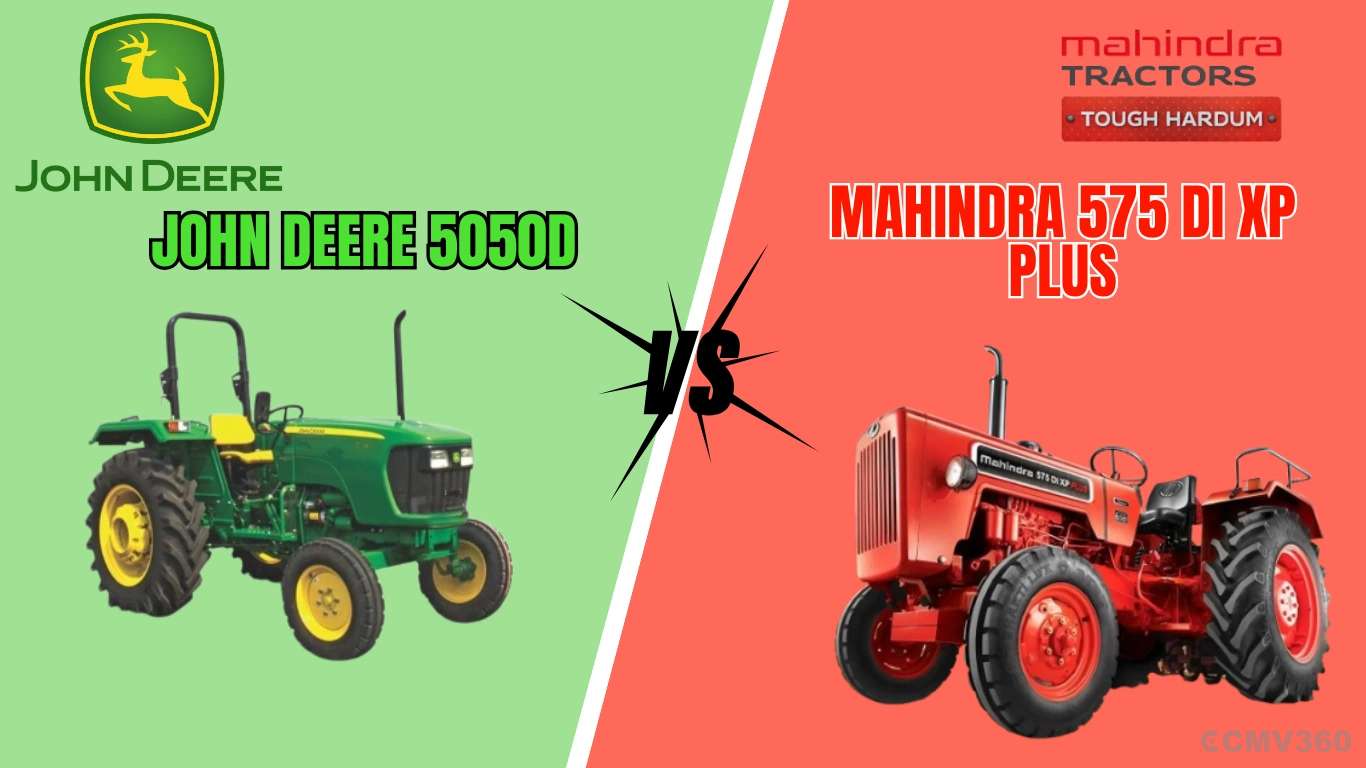
John Deere 5050D vs Mahindra 575 DI XP Plus: Which Tractor Offers Better Power, Value, and Long-Term Reliability in 2026?
Compare John Deere 5050D and Mahindra 575 DI XP Plus on price, power, mileage, features, warranty, hydraulics, comfort, and performance to find the best tractor in 2026....
13-May-26 06:02 AM
Read Full News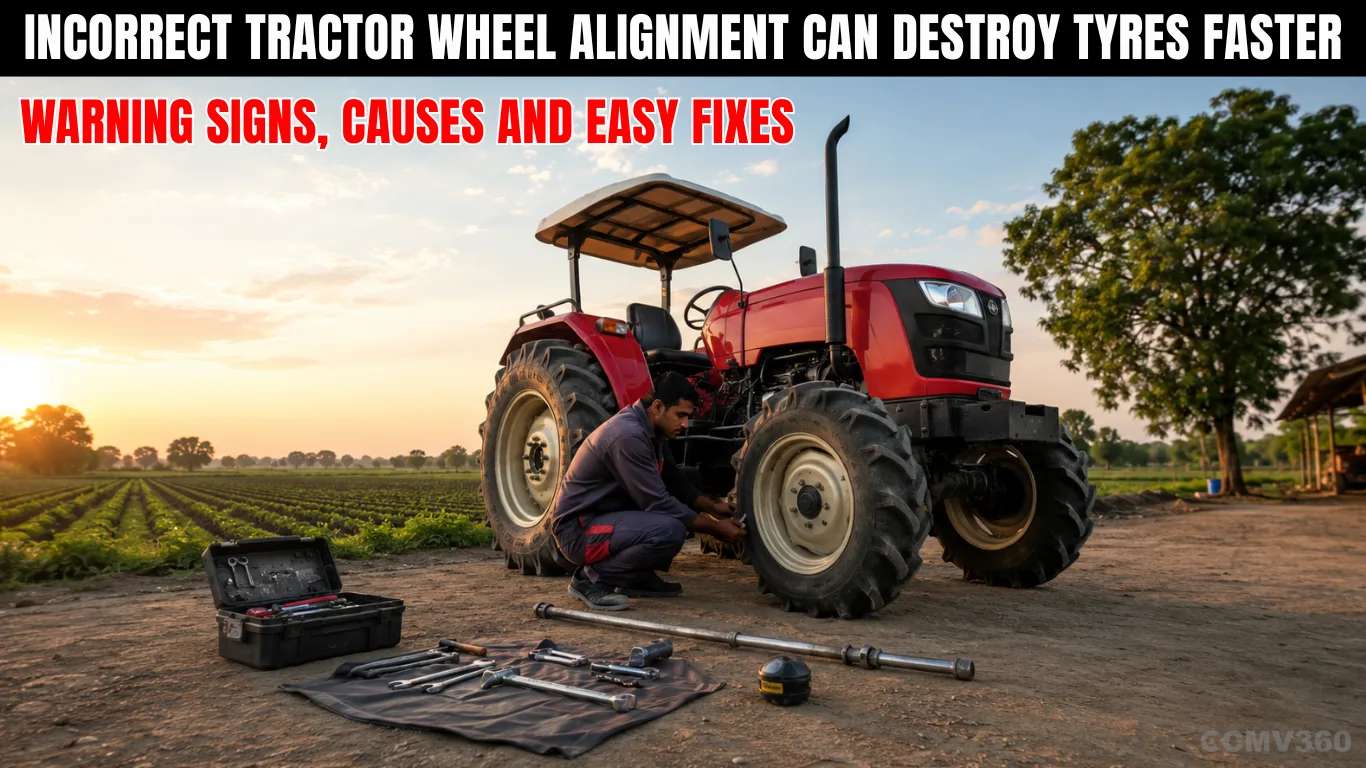
Incorrect Tractor Wheel Alignment Can Destroy Tyres Faster: Warning Signs, Causes and Easy Fixes
Learn how incorrect tractor wheel alignment damages tyres faster, causes uneven wear, reduces fuel efficiency, and affects steering. Understand toe settings, alignment ch...
11-May-26 07:37 AM
Read Full News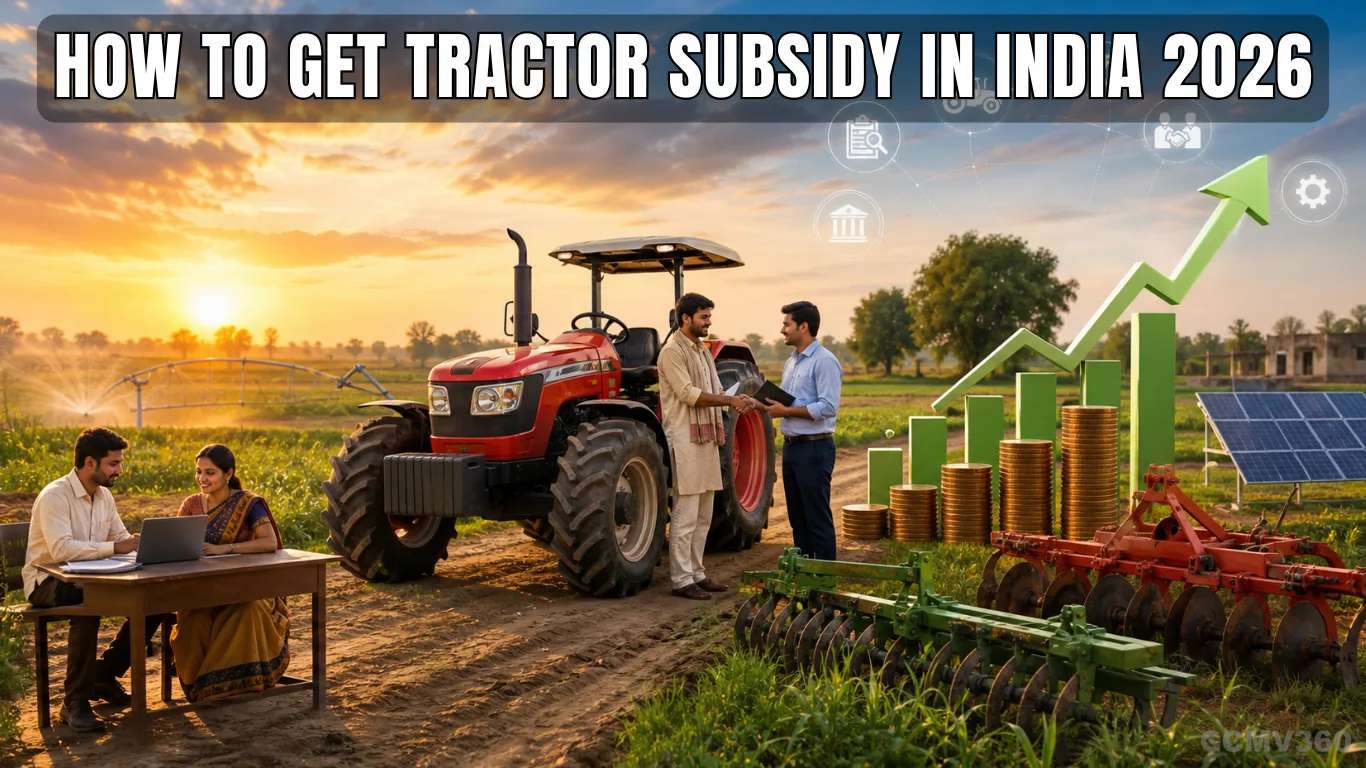
Tractor Subsidy in India 2026: Complete Guide to Schemes, Eligibility, Rejections & Smart Approval Strategy
Learn tractor subsidy 2026 in India, including schemes, eligibility, application steps, rejection reasons, and smart tips to get approval easily and save up to 80% on tra...
05-May-26 05:57 AM
Read Full News
Tractor Tyre Life Secrets Revealed: Expert Guide to Prevent Early Wear, Improve Performance & Save Costs in India (2026)
Learn tractor tyre care tips, ideal pressure, wear signs, and maintenance methods to increase tyre life and reduce costs for Indian farmers in 2026....
04-May-26 09:34 AM
Read Full News
Tractor Resale Value in India 2026: Top Brands, Calculation Guide, TREM V Impact & Proven Tips to Maximise Price
Learn tractor resale value in India 2026. Discover top brands, TREM-V impact, price calculation, and expert tips to increase resale value and sell your used tractor at be...
29-Apr-26 09:29 AM
Read Full News
Tractor Trolley vs Tractor Trailer in India 2026: Which One Should You Choose for Your Farm?
Compare tractor trolley vs trailer in India 2026. Check price, maintenance, best tractors, and choose the right option for your farm needs easily....
27-Apr-26 09:33 AM
Read Full NewsAd
Ad







As featured on:





Registered Office Address
Delente Technologies Pvt. Ltd.
806-807, 8th Floor, IRIS Tech Park,
Badshahpur Sohna Rd, Gurugram, Haryana
Pincode - 122018
Join CMV360
Receive pricing updates, buying tips & more!
Follow Us


COMMERCIAL VEHICLE BUYING BECOMES EASY AT CMV360
We bring great transparency on pricing, information and comparison of tractors, trucks, buses and three wheelers.