


Ad
Ad
Onion Production: A Comprehensive Guide to Onion Farming


 Views
ViewsOnion is one of the most consumed vegetables in the world. Successful onion production requires careful attention to soil quality, climate conditions, and proper crop management. This guide will provide insights into onion production and onion farming, types of onion, from choosing the right varieties to harvesting and storage techniques.

Onions, a basic ingredient in kitchens, play a pivotal role in enhancing the flavour of dishes. Their versatility and nutritional value make them a staple in various cuisines and Chinese food.
Allium cepa is the scientific name of Onions. Onion is one of the most consumed vegetables in the world. For farmers, onion farming can be a rewarding and profitable venture. In India, onion farming has a rich history, and it is a main crop for both domestic consumption and export.
This guide will provide insights into onion production and onion farming, types of onion, from choosing the right varieties to harvesting and storage techniques.
Onion Production
Onion production is a vital component of the agriculture industry, contributing significantly to global food markets. Onions are in high demand due to their flexibility and widespread cooking use. Successful onion production requires careful attention to soil quality, climate conditions, and proper crop management.
Farmers employing advanced farming practices, such as precision farming and efficient irrigation, can maximize onion production and quality. From well-drained soils to optimal planting depths, every detail matters in onion farming. Additionally, the types of onion, pest control measures, and timely harvesting play important roles in ensuring a plentiful harvest.
Also Read: Vegetable Farm: A Guide To Organic Vegetable Farming
Types of Onions
In India, onions are used in almost all dishes because it adds flavour and aroma to the dishes. There are several types of onions cultivated across the country, each with its unique characteristics. Here are a few types of onions found in India:
Red Onions: Red onions are grown in various states across India, including Maharashtra, Karnataka, Gujarat, and Uttar Pradesh. Red onions have purplish-red skin and a mild to sweet flavour. They are commonly used in salads, sandwiches, and Indian pickles.
Spring Onions: Spring onions are cultivated in various parts of India, including Himachal Pradesh, Jammu and Kashmir, and the hilly regions. Spring onions have long, green onion leaves and small white onions. They have a mild flavor and are often used in salads, garnishes, and Chinese cuisine.
Yellow Onions: Yellow onions are grown in states such as Maharashtra, Gujarat, Karnataka, and Uttar Pradesh. Yellow onions are widely used in Indian cooking for curries, soups, and stir-fries.
White Onions: White onions are cultivated in states like Maharashtra, Gujarat, Karnataka, and Andhra Pradesh. White onions have white or light yellow skin and a milder flavour compared to red onions. They are often used in salads, salsas, and Chinese cuisines.
Shallots: Shallots are grown in states like Tamil Nadu, Kerala, Karnataka, and Maharashtra. Shallots have a sweet and mild flavour, making them popular in South Indian and Southeast Asian cuisines.
Pearl Onions: Also known as baby onions, pearl onions are small, round, and have a sweet flavour. They are often used in pickles and Indian dishes like sambar. Pearl onions are cultivated in states such as Tamil Nadu, Karnataka, Maharashtra, and Andhra Pradesh.
The onions production is influenced by factors such as climate, soil conditions, and local preferences. Each type of onion contributes its unique taste and texture to the Indian cuisine.
** Best Soil for Onion Farming**
The ideal soil pH ranges from 6.5 to 7.5. Prepare the soil by ploughing and incorporating organic matter (such as farmyard manure or poultry manure) to enhance fertility. Onions grow in a variety of soils, from sandy loam to clay loam, as long as they have good drainage.
Climatic Conditions for Onion Growth
Onion crops require mild weather without extreme cold, heat, or excess rainfall. Here are the temperature ranges for different growth stages:
- Vegetative stage: 13-24°C
- Bulbing stage: 16-21°C
- Maturity and harvest: 30-35°C
The onion-growing seasons in India are as follows:
- Kharif Season (May-September): Onion only
- Late Kharif Season (August-February): Onion only
- Rabi Season (October-April): Onion and garlic
Field Preparation and Spacing for Onion Crop
Plough the land for good tillage. Incorporate organic matter during the last ploughing. Create flatbeds or broad-based furrows (BBF) for planting. The recommended spacing for onion plants/trees is 15 cm between rows and 10 cm within rows.
Irrigation Method for Onion Crop
Onion is primarily an irrigated crop. The frequency of irrigation is determined by weather conditions and soil type. When transplanting the seedlings, irrigate the field. On the third day after transplanting, give another irrigation.
Then, depending on the soil's wetness, irrigate every 10 to 15 days. Irrigate the field for 10 days before harvest. Avoid overwatering or underwatering, since both can have an impact on onion growth and development. A drip or sprinkler irrigation system can be considered for irrigation.
Crop Rotation and Mixed cropping
Consider cropping rotation to maintain soil health. During the first 5 months after planting sugarcane, onions can be planted as an intercrop. They can be grown in rotation with legumes, corn, brassicas, and solanaceous plants. Onions are feeders that can quickly deplete soil minerals. Rotating onions with legume crops can assist in replacing nitrogen in the soil.
Corn, on the other hand, is a non-host for onion pests and diseases, which can aid in the reduction of their buildup in the soil. Likewise, rotating brassica and solanaceous crops with onions can help to maintain soil health and minimize pest and disease buildup.
Harvesting Time for onion farming
Harvesting time is determined by the purpose for which the crop was cultivated. Harvesting time for dry onions is 5 months while harvesting time for green onions is 3 months after harvesting. The guideline for harvesting rabi onion is 50% of the neck/top falling over.
The bulbs are manually uprooted during harvesting. However, because the top does not fall over during the Kharif season, the sign of harvest is a shift in the colour of the leaves to a small yellow and red pigmentation on bulbs.
During summer, when the soil is hard, dig out the bulbs with a hand hoe. Spray the crop with Carbendazim 2 gm/lit of water to prevent the harvested onion from fungal infections after harvest. Once cured, the onions can be stored in a well-ventilated area.
It is critical to keep them in a well-ventilated environment to avoid mould and damage. If onions are properly cured and preserved, they can be kept for several months.
Diseases in Onion crop yield
Here are 10 common diseases that affect onion crops:
- Damping off
- Basal rot
- Downy mildew
- Stemphyllum Blight
- Bacterial brown rot (Serious disease during storage)
- Smut
- White rot
- Neck rot
- Onion yellow dwarf Vector: Aphids
- Irish Yellow Spot Virus Vector: Thrips
Onion: Is a Vegetable Or Fruit?
A vegetable is the edible part of a plant with a soft stem whereas a fruit is the mature ovary of a plant with a woody stem, typically containing seeds. Onions are considered as vegetables. They are a member of the Allium genus, which also includes garlic, shallots, leeks, and chives.
While onions are commonly used in savoury dishes and have a pungent flavour, they do not develop from the ovary of a flower like fruits typically do. Instead, onions grow as underground bulbs and are considered vegetables in edible terms.
Also Read: Wheat Farming: Process and Best Tractors for Wheat Farming
Conclusion
Onion farming, when performed with knowledge and care, can be a fulfilling and profitable venture for agriculture enthusiasts or farmers. From selecting the right types of onions to implementing effective cultivation and management practices, each step contributes to successful onion production.
Whether you’re a small-scale farmer or part of a large commercial firm, mastering onion cultivation can be rewarding. By following this comprehensive guide, aspiring onion producers can embark on a journey to cultivate not just onions but also a thriving agricultural enterprise.
Features & Articles
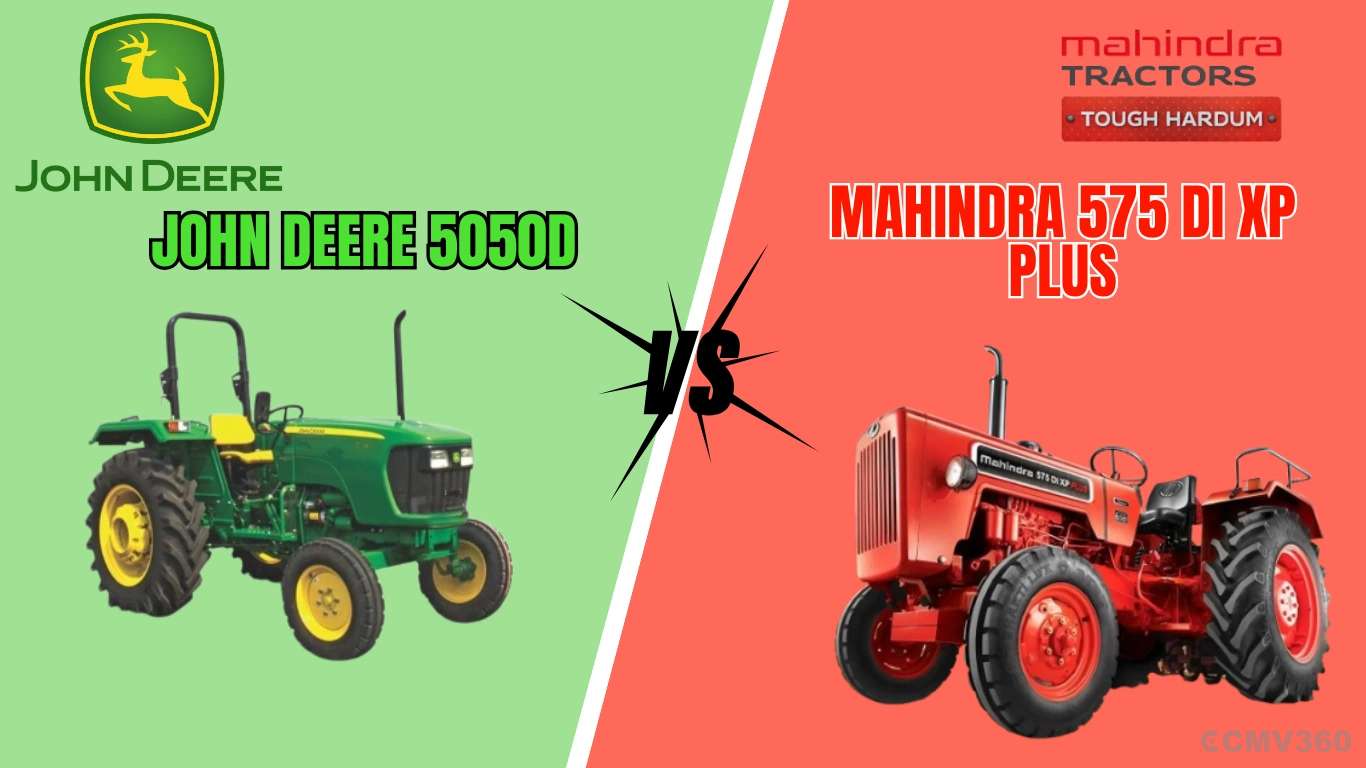
John Deere 5050D vs Mahindra 575 DI XP Plus: Which Tractor Offers Better Power, Value, and Long-Term Reliability in 2026?
Compare John Deere 5050D and Mahindra 575 DI XP Plus on price, power, mileage, features, warranty, hydraulics, comfort, and performance to find the best tractor in 2026....
13-May-26 06:02 AM
Read Full News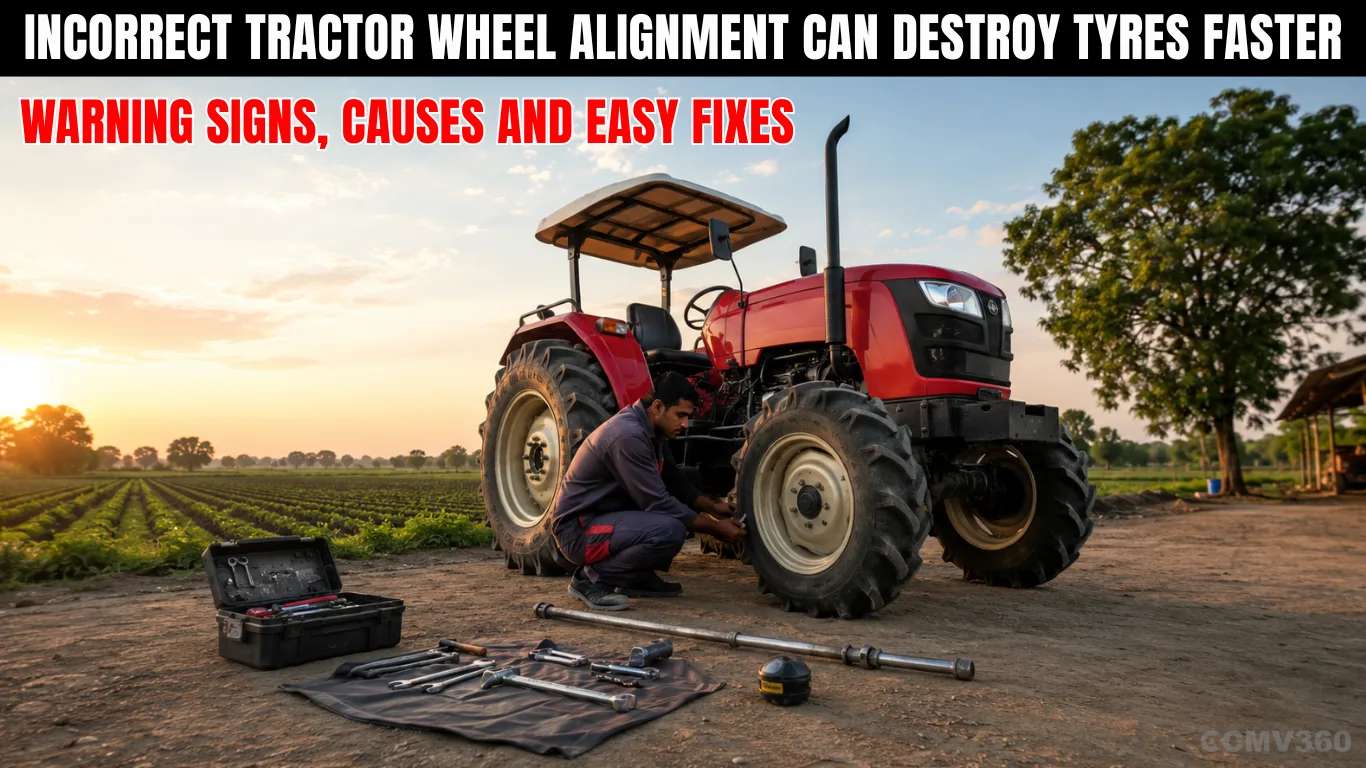
Incorrect Tractor Wheel Alignment Can Destroy Tyres Faster: Warning Signs, Causes and Easy Fixes
Learn how incorrect tractor wheel alignment damages tyres faster, causes uneven wear, reduces fuel efficiency, and affects steering. Understand toe settings, alignment ch...
11-May-26 07:37 AM
Read Full News
Tractor Subsidy in India 2026: Complete Guide to Schemes, Eligibility, Rejections & Smart Approval Strategy
Learn tractor subsidy 2026 in India, including schemes, eligibility, application steps, rejection reasons, and smart tips to get approval easily and save up to 80% on tra...
05-May-26 05:57 AM
Read Full News
Tractor Tyre Life Secrets Revealed: Expert Guide to Prevent Early Wear, Improve Performance & Save Costs in India (2026)
Learn tractor tyre care tips, ideal pressure, wear signs, and maintenance methods to increase tyre life and reduce costs for Indian farmers in 2026....
04-May-26 09:34 AM
Read Full News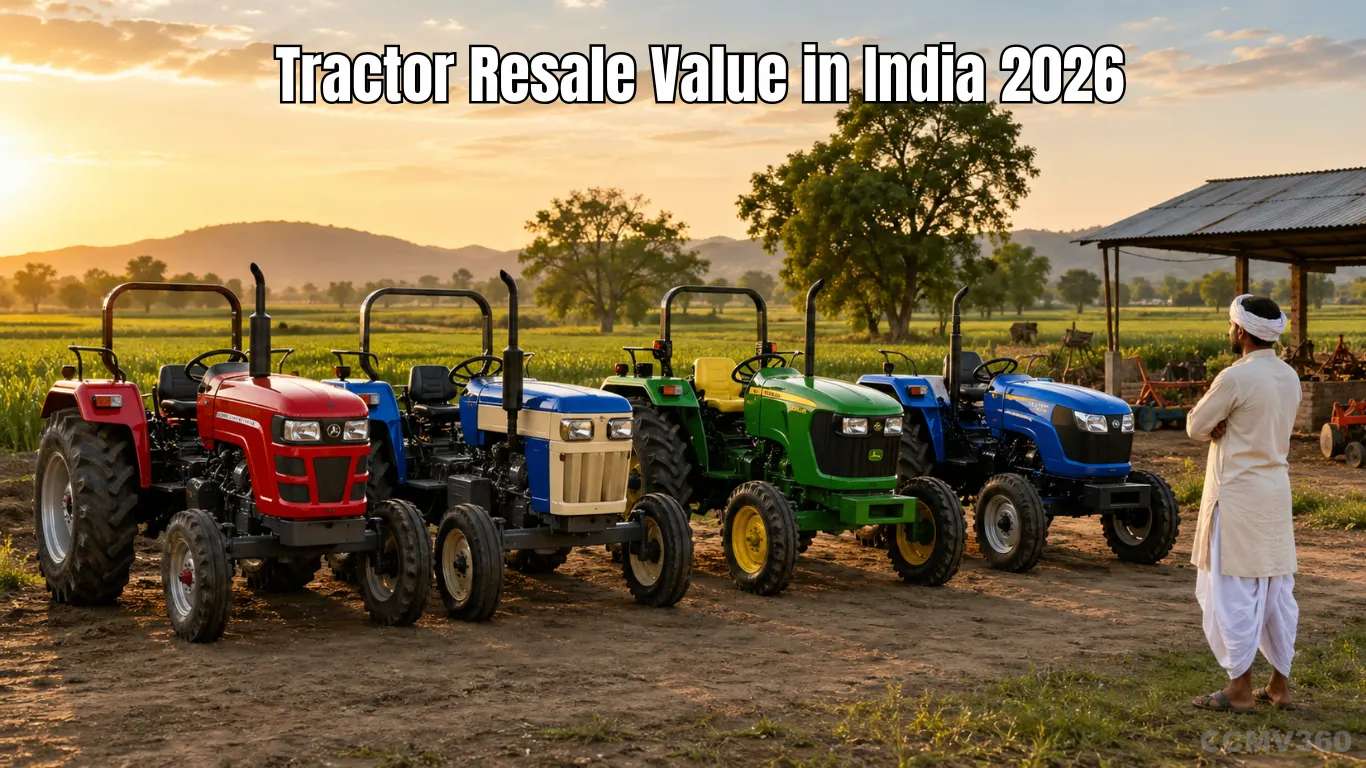
Tractor Resale Value in India 2026: Top Brands, Calculation Guide, TREM V Impact & Proven Tips to Maximise Price
Learn tractor resale value in India 2026. Discover top brands, TREM-V impact, price calculation, and expert tips to increase resale value and sell your used tractor at be...
29-Apr-26 09:29 AM
Read Full News
Tractor Trolley vs Tractor Trailer in India 2026: Which One Should You Choose for Your Farm?
Compare tractor trolley vs trailer in India 2026. Check price, maintenance, best tractors, and choose the right option for your farm needs easily....
27-Apr-26 09:33 AM
Read Full NewsAd
Ad







As featured on:





Registered Office Address
Delente Technologies Pvt. Ltd.
806-807, 8th Floor, IRIS Tech Park,
Badshahpur Sohna Rd, Gurugram, Haryana
Pincode - 122018
Join CMV360
Receive pricing updates, buying tips & more!
Follow Us


COMMERCIAL VEHICLE BUYING BECOMES EASY AT CMV360
We bring great transparency on pricing, information and comparison of tractors, trucks, buses and three wheelers.