The popularity of electric vehicles is on the rise, but when will battery recycling occur?
 Add CMV360 on Google
More than 6 million electric vehicles have been sold globally since 2019. But the question arises is when batteries will start being recycled.

By Priya Singh
More than 6 million electric vehicles have been sold globally since 2019. But the question arises is when batteries will start being recycled.
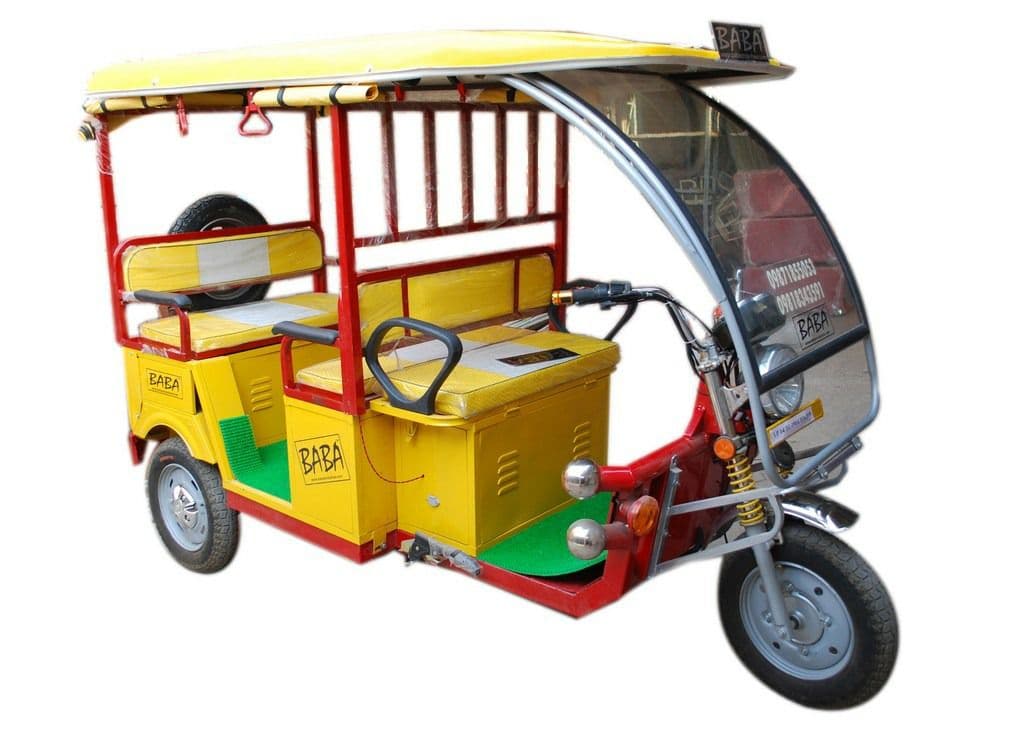
For good reason, electric vehicles are gaining popularity. Compared to fuel-powered vehicles, they are less expensive to run and emit no emissions. But what happens to the battery in an electric vehicle when it needs to be replaced due to wear and tear? Does it recycle?
More than 6 million electric vehicles have been sold globally since 2019. But the question arises is when batteries will start being recycled. EVs are frequently praised for their environmentally friendly qualities and sustainable nature when compared to ICE vehicles, but detractors claim that we frequently ignore the difficulties associated with battery disposal because the emission benefits outweigh them.
Electric vehicle Batteries Made up of lithium
The most preferred metal for making batteries for electric vehicles has been lithium. According to a Forbes report, the demand for lithium will increase dramatically between 2019 and 2025. The current mining operations are unable to meet the demand given the sharp increase in demand for rare earth materials like lithium.
Lithium-ion cells are found in electric vehicle batteries. The anode, cathode, and electrolyte are the three main components of these cells. The anode was constructed of carbon. a metal oxide served as the cathode. And a lithium salt in an organic solvent serves as the electrolyte.
Lithium ions move from the cathode to the anode when the electric vehicle battery is discharged. The lithium ions return to the cathode during battery recharging.
Do batteries of electric vehicles can be recycled?
Batteries for electric vehicles are typically sent to a specialized recycling facility by recycling companies. The cells are separated and the metal is recovered in these locations. Recycling is an expensive process. Additionally, recycling battery cells is not always an option.
For instance, recycling the battery in a Tesla Model S is possible but challenging. It's challenging to remove the cells without causing damage.
It's crucial to understand that not all batteries for electric vehicles can be recycled. For instance, Nickel-metal hydride batteries cannot be recycled. Recycling is not possible when the battery dies. Therefore, it must be dumped in a landfill.
But some batteries for electric vehicles can be recycled. For instance, the three wheeler uses a lithium-ion battery. When the battery runs out, you can recycle it and put it to use again. So, can batteries for electric vehicles be recycled? The short answer is yes, but batteries for all-electric vehicles are not recyclable.
However, there are numerous innovative ways to recycle these earth materials. Recycling these materials is very important, not just for the environment, but also because doing so could result in their return to the company and financial benefits. Dumping these materials in landfills will undoubtedly prove to be hazardous.
Battery companies are spending billions of dollars on new factories as demand for electric trucks and three-wheelers soars. Mining the raw materials needed to make batteries is very challenging, and processing these minerals produces toxic and hazardous waste.
The need for environmentally friendly EV battery disposal or recycling has, however, arisen in recent years as the popularity of electric vehicles increases on a daily basis. Fortunately, these raw materials are also very reusable.
India's lithium-ion battery recycling
Three years ago, Attero, India's largest electronic waste management company, started managing EV battery waste. Since then, the company has experienced 100% annual growth. Now that the EV industry is expected to grow, battery recycling is a very important factor.
A few more Indian businesses that have been actively engaged in the recycling of EV batteries are Gravita India Ltd., tata chemicals, e-bike go, and many more.
- Garvita India provides environmentally friendly Lead-acid battery recycling technology.
- Tata Chemicals has started a program for recycling used lithium-ion batteries with a goal of recycling 500 tonnes of them.
- Lohum Cleantech, which has its roots in Delhi, is one of the nation's most complete end-to-end battery solution providers. It also engages in mineral extraction that can be used to produce local lithium-ion cells, in addition to making lithium-ion battery packs for electric scooters and 3Ws and analyzing used lithium batteries.
The benefits of Recycling batteries
- Lower the cost of EVs
- Promotes their widespread adoption.
- Prevents battery waste from ending up in landfills
- Recycling the batteries from electric vehicles helps to lessen their environmental impact
Verdict
Since lithium-ion battery disposal is a significant issue, it's critical to discover an effective method of recycling these batteries. It follows that EVs are the future of sustainable development if we are unable to discover a quicker and more cost-effective way to recycle and reuse these batteries.
Batteries for electric vehicles are recyclable. They retain their functionality and quality even after repeated recycling. Governments and localities ought to fund facilities for recycling batteries from electric vehicles. It will increase everyone's access to electric vehicle battery recycling.
CMV360 always keeps you up to date on the latest government schemes, sales reports, and other relevant news. So, if you're looking for a platform where you can get relevant information about commercial vehicles, this is the place to be. Stay tuned for new updates.

Hi there! I'm Priya. From trucks to vans and everything in between, I'm here to provide you with up-to-date in .....