Tata Motors CV Exports Jump 35% as Indonesia, Africa Offset West Asia Disruption
 Add CMV360 on Google
Tata Motors CV exports rose 35% in Q1 FY27, supported by Indonesia, SAARC and Africa, despite two-month Middle East supply disruptions.

By Robin Kumar Attri

Key Highlights
Tata Motors CV exports rose 35% YoY in Q1 FY27.
Middle East supplies were paused for two months.
Indonesia placed an order for 70,000 Yodha and Ultra T.7 vehicles.
More than 3,000 vehicles were shipped to Indonesia in July.
SAARC and sub-Saharan Africa markets also recorded stronger demand.
Tata Motors is expanding its commercial vehicle export markets as disruptions in West Asia continue to affect supplies to the Middle East. The company is seeing stronger demand from Indonesia, SAARC countries and sub-Saharan Africa, helping it maintain export growth despite a temporary pause in Middle East shipments.
Tata Motors Commercial Vehicle Exports Grow 35%
Tata Motors commercial vehicle exports increased by 35% year on year in the first quarter of FY27. The growth came even as the company faced a two-month disruption in supplies to the Middle East.
The West Asia crisis affected the availability of ships, making it difficult for Tata Motors to move vehicles and other material to the region. The company has now started gradually resuming supplies, but expects the Middle East market to remain challenging for some time.
Girish Wagh, Managing Director and CEO of Tata Motors, said the company believes demand in the Middle East should return once shipping lines become fully operational. However, the immediate focus is on markets where demand and logistics remain more stable.
Company Builds a Wider Export Demand Base
Tata Motors had anticipated that the Middle East could face prolonged disruption and worked on developing demand in other international markets. This strategy has helped the company offset the temporary weakness in Middle East exports.
According to Wagh, the export growth is not coming from just one market. Instead, Tata Motors has created a broader demand pool across several international regions.
This wider market base has allowed the company to continue growing exports even while supplies to the Middle East remain restricted.
Indonesia Becomes a Major Export Growth Driver
Indonesia has emerged as one of the most important markets for Tata Motors commercial vehicle export business.
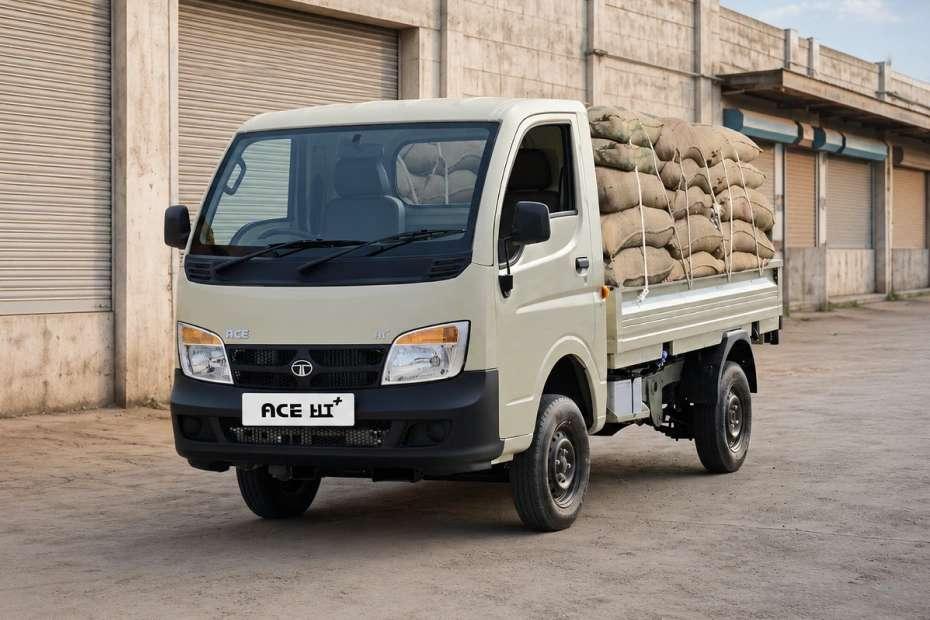
The company has secured an order for 70,000 Yodha pickups and Ultra T.7 trucks from Indonesia. This is Tata Motors largest export order to date and is expected to play an important role in its international growth.
Shipments to Indonesia picked up pace in July. Tata Motors dispatched more than 3,000 additional vehicles to the country by the end of the month.
The company said deliveries are progressing at a pace that matches the requirements of Indonesian authorities. While Indonesia has performed strongly, Tata Motors stressed that several other international markets have also contributed to the export growth.
SAARC and African Markets Also Support Growth
Apart from Indonesia, Tata Motors reported improved performance in several markets across the SAARC region and sub-Saharan Africa during Q1 FY27.
The stronger performance in these markets shows that the company’s export growth is becoming more diversified rather than being dependent on a single geography.
Wagh highlighted that a few markets in both SAARC and sub-Saharan Africa performed well during the quarter, helping Tata Motors maintain momentum despite the challenges in West Asia.
Middle East Supplies Gradually Resume
Tata Motors has started gradually restoring supplies to the Middle East after the two-month pause. However, the company has not provided a specific timeline for when shipments to the region will return to normal levels.
The availability of ships and the ability to transport vehicles remain key challenges. Tata Motors expects the situation to improve as shipping lines reopen and logistics conditions become more stable.
The company has also not disclosed the individual contribution of Indonesia, SAARC, sub-Saharan Africa or other markets to its overall export numbers.
Tata Motors CV Sales Rise 27% in Q1 FY27
Tata Motors overall commercial vehicle business also recorded strong growth during the first quarter of FY27.
The company sold 108,488 commercial vehicles in Q1 FY27, registering a 27% year-on-year increase.
The combination of higher overall sales and stronger exports highlights the company’s efforts to expand its international footprint while managing disruptions in key overseas markets.
Also Read: Tata Motors Expects Final Approval for Iveco Acquisition by August-End
CMV360 Says
Tata Motors is reducing its dependence on the Middle East by building a broader commercial vehicle export base across Indonesia, SAARC and sub-Saharan Africa. Indonesia is currently a major growth driver, supported by the company’s 70,000-unit order. While Middle East supplies are gradually returning, shipping challenges may continue. The diversified export strategy should help Tata Motors sustain international growth while West Asia remains uncertain.

Robin Kumar Attri is a content and video professional with 2.7 years of experience in the commercial vehicle d .....